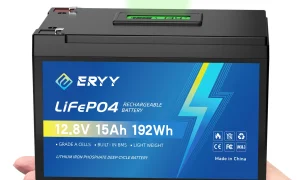



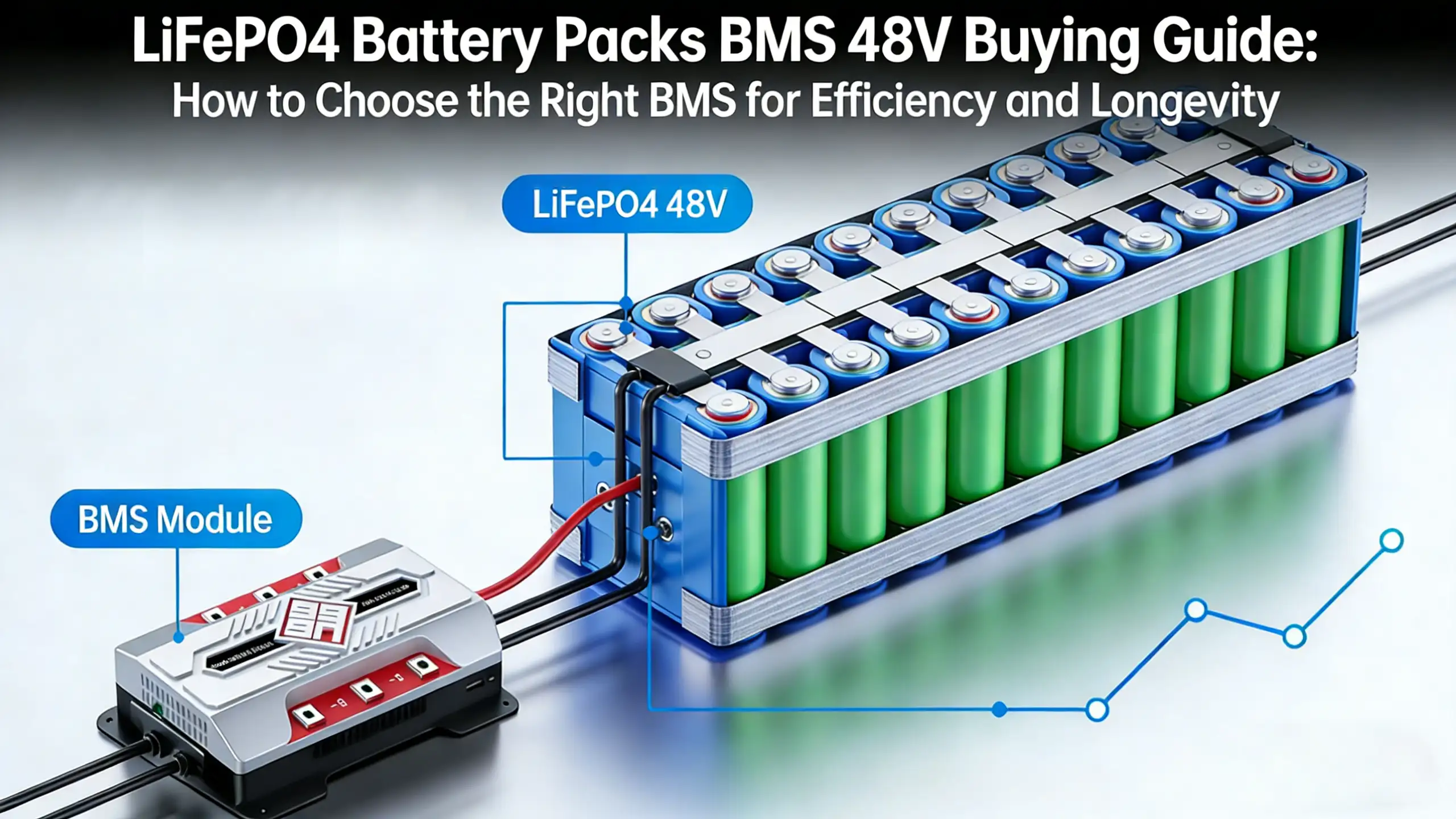
Vanonpower.com – Upgrading from lead-acid to LiFePO4 batteries is a transformative process that requires replacing your charging system, verifying voltage compatibility, and ensuring your battery monitor is configured for lithium chemistry to avoid hardware damage. This transition provides significantly longer cycle life, consistent voltage output, and a massive reduction in weight for your mobile power setup.
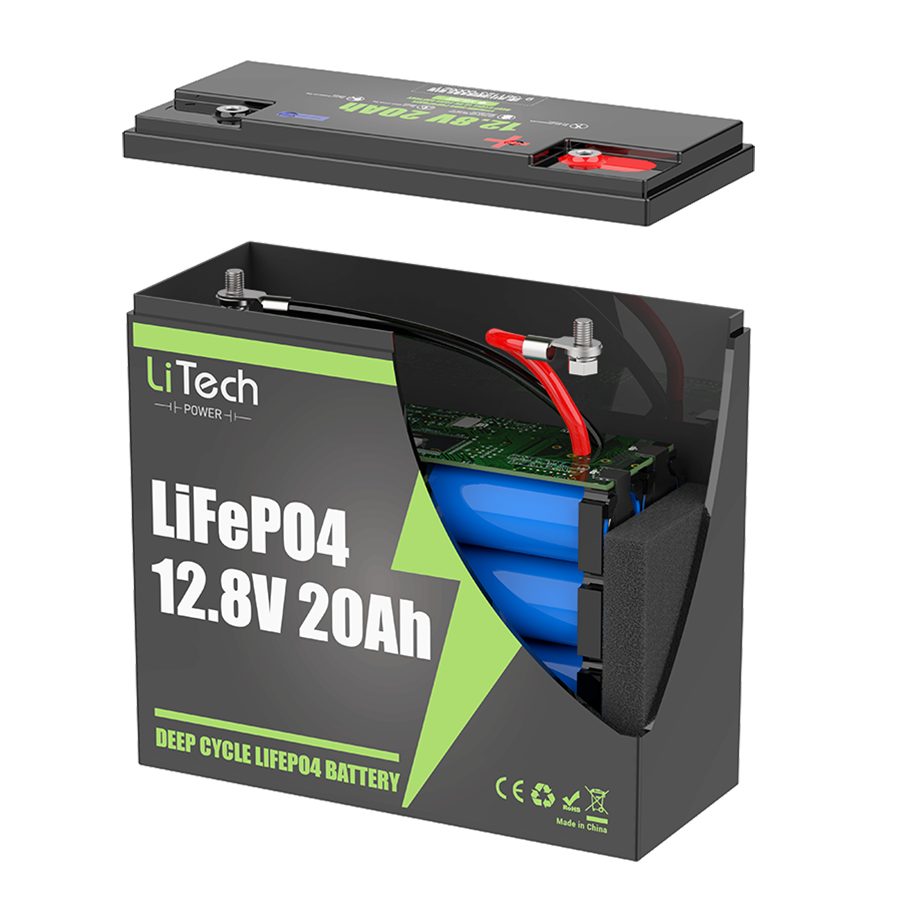
📷 Photo by litechpower.com
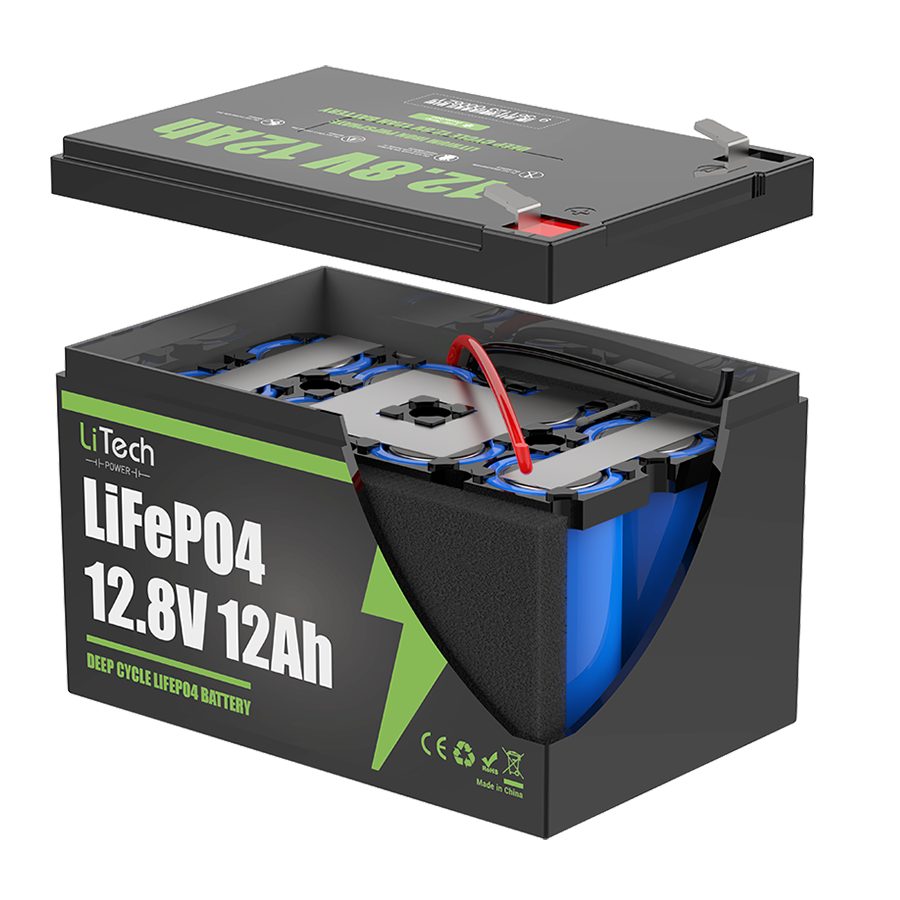
📷 Photo by litechpower.com
Understanding the Fundamental Differences
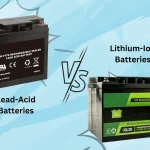
Lead-acid batteries, including AGM and Gel variants, are the traditional workhorses of off-grid power, but they suffer from high weight and a limited depth of discharge. If you drain them below 50 percent, you risk permanent capacity loss. In contrast, Lithium Iron Phosphate (LiFePO4) batteries can be safely discharged to 10 percent or even zero without significant degradation, providing you with effectively double the usable energy in the same physical footprint.
Beyond capacity, the charging profile is vastly different. Lead-acid batteries require a multi-stage charging process that spends a long time in a “float” or “absorption” phase to reach full capacity. LiFePO4 batteries charge much faster and do not require a float stage. In fact, keeping a LiFePO4 battery at a high float voltage can actually shorten its lifespan, making it critical to adjust your charging hardware accordingly.
Read also: How Much Solar Is Needed to Maintain 300Ah of Lithium Storage?
Key Technical Comparison
| Feature | Lead-Acid (AGM) | LiFePO4 |
|---|---|---|
| Usable Capacity | 50% | 90-95% |
| Cycle Life | 300-500 cycles | 3000-5000+ cycles |
| Weight | Heavy | Lightweight (approx. 50% less) |
| Charging Speed | Slow | Fast (High C-rate) |
| Maintenance | Periodic check | Zero maintenance |
The Conversion Checklist
Before you begin the physical installation, you must evaluate the existing infrastructure of your vehicle, boat, or solar array. Compatibility is not just about the terminals; it is about the “brain” of your system. Follow these steps to ensure a safe and successful upgrade:
- Assess your current charging sources: Check if your alternator, solar charge controller, and AC-to-DC converter (battery charger) have a “Lithium” or “LiFePO4” setting. If they do not, you may need to replace them or install a DC-to-DC charger to regulate the voltage.
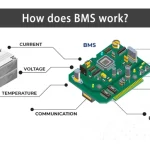
- Calculate your total load: Ensure your new battery’s Battery Management System (BMS) can handle the peak current draw of your inverter. If your inverter draws 200 amps but your battery BMS is limited to 100 amps, the battery will shut down during high-load events.
- Upgrade your cabling: Because LiFePO4 batteries can output high current efficiently, ensure your cables are sized correctly for the potential amperage to prevent overheating.
- Install a shunt-based monitor: Voltage is not a reliable indicator of state-of-charge for lithium batteries because the voltage curve remains flat for most of the discharge cycle. A shunt-based battery monitor is essential for accurate readings.
- Secure the installation: Since LiFePO4 batteries are lighter, they may shift more easily during transit. Ensure your battery box or mounting bracket is tightened to prevent movement.
Common Pitfalls to Avoid
One of the most frequent mistakes users make is keeping their old lead-acid charger. Lead-acid chargers often use a “desulfation” mode, which sends a high-voltage pulse to the battery to break up sulfate crystals. Applying this high-voltage pulse to a LiFePO4 battery can trigger the internal BMS to shut down, or in worst-case scenarios, damage the cells. Always verify that your charging voltage sits between 14.2V and 14.6V for a 12V system, and ensure the charger terminates the charge once the current drops to a low level.
Another mistake is neglecting the alternator. When a lead-acid battery is nearly full, it naturally resists current, which protects the alternator. A LiFePO4 battery will demand high current until it is nearly full, which can cause an alternator to overheat and fail. Using a DC-to-DC charger acts as a current limiter, protecting your vehicle’s alternator while ensuring the battery receives the correct charge profile.
Safety Considerations
Never charge your LiFePO4 batteries in sub-zero temperatures (below 0 degrees Celsius). Charging at freezing temperatures can cause irreversible damage to the lithium chemistry by plating the anode with metallic lithium. If you live in a cold climate, ensure your battery features an internal heating element or place the battery in an insulated, temperature-controlled environment. Always use a fuse or circuit breaker rated for the maximum discharge current of your battery to protect against accidental short circuits.
Frequently Asked Questions
Q: Can I mix lead-acid and LiFePO4 batteries in the same bank?
A: No, you should never mix battery chemistries. They have different charging voltages and discharge curves, which will cause the batteries to fight each other, leading to premature failure and potential safety hazards.
Q: Do I need to buy a special inverter for LiFePO4?
A: You do not need a special inverter, but you must ensure your inverter has a “low voltage cutoff” (LVC) feature. If your inverter does not have this, it may drain the battery until the BMS cuts it off, which can cause sensitive electronics to lose power abruptly.
Q: How long will my LiFePO4 battery last?
A: With proper care, most LiFePO4 batteries will last 10 years or more. They are typically rated for 3,000 to 5,000 cycles, meaning if you discharge them fully every single day, they will still retain over 80 percent of their original capacity after nearly a decade.
By following these guidelines, you move away from the frequent replacements and voltage drops associated with lead-acid systems. The initial investment in LiFePO4 pays for itself through longevity, improved performance, and the peace of mind that comes with a reliable, modern power storage solution.
📷 Photo by ayaatech.com