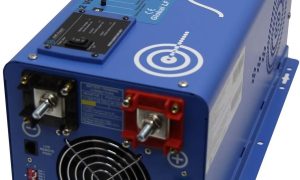


Vanonpower.com – Pure sine wave inverters are the gold standard for van life because they provide clean, stable electricity that mimics grid power, ensuring your sensitive electronics operate safely without risk of damage or interference. While modified sine wave inverters are cheaper, they produce a jagged, blocky electrical signal that can cause overheating, humming, or permanent failure in sophisticated appliances.
Understanding the Waveform Difference
The core difference between these two technologies lies in how they convert Direct Current (DC) from your battery bank into Alternating Current (AC) for your devices. A pure sine wave inverter uses complex circuitry to create a smooth, rhythmic oscillation that perfectly matches the electricity provided by your home wall outlet. This is the natural way electricity flows, and it is the standard for which all electronic devices are designed.
In contrast, a modified sine wave inverter creates a “stepped” or “choppy” wave. Imagine a staircase rather than a smooth hill; the voltage jumps up and down abruptly. While this is sufficient for simple resistive loads like a basic heating element or a standard incandescent light bulb, it creates significant electrical stress for anything containing a circuit board or a motor.
Why Pure Sine Wave is Critical for Van Life
Living in a van often means relying on expensive gear like laptops, CPAP machines, induction cooktops, and high-end camera chargers. These devices require consistent, “clean” power to function correctly. When you feed a delicate piece of technology a modified sine wave, the rapid switching of the power supply can lead to thermal stress. You might notice your laptop charger getting unusually hot, or your refrigerator compressor making a loud, buzzing noise that eventually leads to premature failure.
Furthermore, many modern appliances will simply refuse to operate on modified sine wave power. If you are planning to use an induction stove or a modern espresso machine, a modified sine wave inverter will likely result in error codes or a complete failure to turn on. For the long-term reliability of your electrical system, pure sine wave is the non-negotiable choice for any serious van builder.
Comparison of Inverter Technologies
| Feature | Pure Sine Wave | Modified Sine Wave |
|---|---|---|
| Signal Quality | Smooth, clean, consistent | Jagged, blocky, stepped |
| Device Compatibility | Universal (all electronics) | Limited (simple motors/heaters) |
| Efficiency | Higher (less heat waste) | Lower (higher power loss) |
| Cost | Higher initial investment | Lower initial investment |
| Noise Levels | Quiet operation | Audible humming/buzzing |
Risks of Using Modified Sine Wave Inverters
The most common risk when using a modified sine wave inverter is the degradation of sensitive electronics. Because the voltage is not smooth, the internal power supplies in your devices have to work much harder to filter the electricity. This creates heat. Over time, this heat can melt internal components or cause capacitors to fail. If you are in a remote location, a failed laptop charger or a dead fridge compressor is not just an inconvenience; it is a major disruption to your van life experience.
Another issue is electrical interference. If you enjoy listening to audio equipment or using digital displays, a modified sine wave inverter will often introduce a persistent “buzz” or “hiss” into your audio signal. It can even cause flickering in LED lighting, which is both distracting and physically tiring for your eyes over long periods.
How to Choose the Right Inverter for Your Build
Selecting the correct inverter requires an audit of everything you plan to plug into your wall outlets. Follow these steps to determine your needs:
- List every appliance you intend to use in your van, including their wattage requirements.
- Identify which devices contain circuit boards, motors, or digital displays (e.g., laptops, chargers, smart TVs, fridges, microwaves).
- If more than 20 percent of your items are sensitive electronics, prioritize a pure sine wave inverter to protect your investment.
- Calculate your total peak load to ensure the inverter’s surge capacity can handle your heaviest appliances starting up simultaneously.
- Check the efficiency rating of the inverter to ensure it does not drain your batteries unnecessarily while idling.
Practical Tips for Long-Term Inverter Health
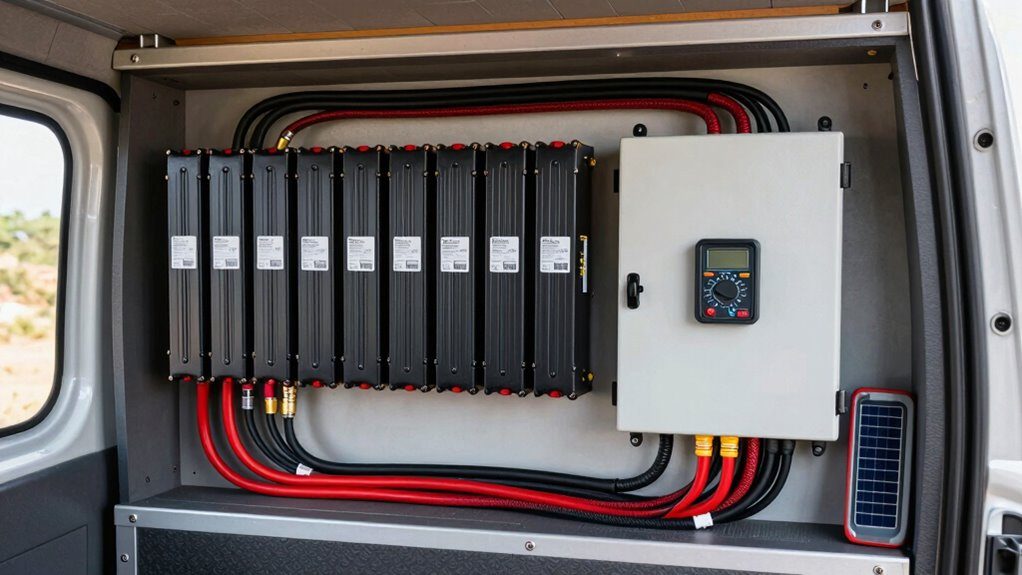
Regardless of the type of inverter you choose, how you install it matters. Always mount your inverter in a well-ventilated area, away from direct moisture, and as close to the battery bank as possible to minimize voltage drop. Use the appropriately sized heavy-gauge copper cabling, as undersized wires will cause the inverter to work harder, generate excess heat, and potentially trigger low-voltage shutdowns even when your battery is near full capacity.
Avoid the common mistake of overloading your inverter. While many units have a “surge” rating, this is only meant for the split-second power spike required to start a motor. If you constantly run your inverter at its maximum capacity, you will significantly shorten its lifespan and increase the likelihood of component failure during your travels.
Frequently Asked Questions
Q: Can I use a modified sine wave inverter for my laptop if I use a high-quality surge protector?
A: No. A surge protector only handles voltage spikes; it does not change the shape of the electrical waveform. The modified sine wave will still reach your laptop’s power brick and cause it to run hot, potentially damaging the internal circuitry over time.
Q: Is it worth saving money by buying a modified sine wave inverter for just one appliance?
A: Generally, no. Most van lifers upgrade their appliances over time. If you start with a modified sine wave inverter, you will eventually have to replace it with a pure sine wave model as you add more sensitive electronics, meaning you will end up spending more money in the long run.
Q: Will a pure sine wave inverter drain my batteries faster than a modified one?
A: Actually, pure sine wave inverters are typically more efficient. Because they produce a cleaner signal, they cause less electrical loss as heat, which means they are better at converting your stored battery power into usable energy for your devices.
In conclusion, while the lower price tag of modified sine wave inverters may be tempting during the budgeting phase of a van build, the long-term costs associated with potential equipment failure far outweigh the initial savings. For the sake of your gear and your peace of mind, a pure sine wave inverter is the foundational component that makes modern off-grid living both comfortable and reliable.
📷 Photo by jonlivesoutside.com