

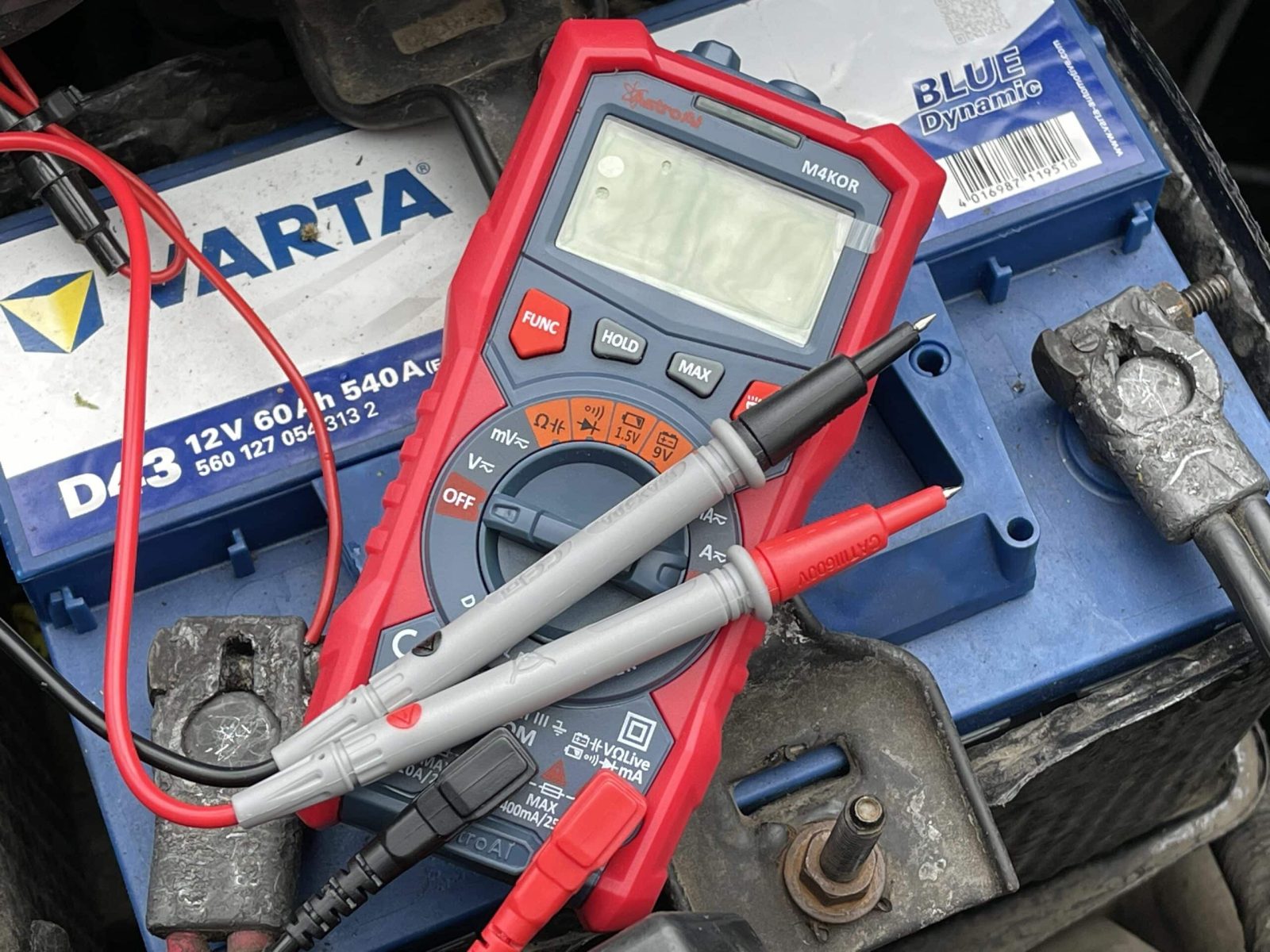
Vanonpower.com – Phantom loads, or vampire power, drain batteries during standby by maintaining internal clocks, remote sensors, and memory circuits even when a device appears to be switched off. You can prevent this drainage by using physical disconnect switches, smart power strips, or deep-cycle battery management systems to fully isolate the power source from the load.
Understanding the Mechanics of Phantom Loads
Phantom loads are often misunderstood as mere inefficiency, but they are actually active power consumers. Even when a device is in standby mode, it must remain powered to respond to an infrared signal from a remote, maintain a digital display, or keep a volatile memory chip active. In the context of off-grid solar systems, RVs, or backup battery banks, these small, constant draws accumulate over time.
If your battery bank seems to lose charge overnight without any active usage, you are likely dealing with a combination of quiescent current from your inverter and the standby consumption of plugged-in appliances. Over a week, a seemingly negligible load of five watts can consume nearly 840 watt-hours of energy. For a small battery system, this can be the difference between having power for your morning coffee and waking up to a depleted system.
Identifying Common Sources of Drain
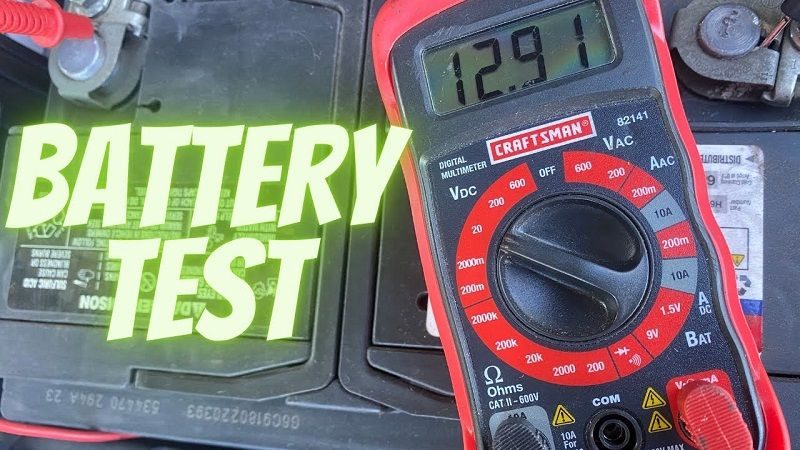
📷 Photo by guidemechanic.com
Not all devices are created equal when it comes to standby power. The most notorious offenders are devices with “instant-on” capabilities. Televisions, gaming consoles, and satellite receivers are designed to be ready at a moment’s notice, meaning their internal power supplies stay energized. Additionally, AC-to-DC power bricks—often called wall warts—continue to pull power from the battery even if the device they are charging is disconnected or fully charged.
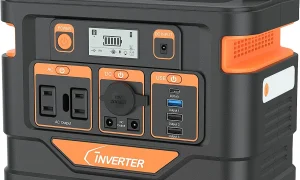
Another significant source of drain is the inverter itself. Even with no appliances plugged in, an inverter consumes power to keep its internal monitoring circuits and cooling fans ready. This is known as the idle current draw. If you leave a large inverter running 24/7, you might be wasting more energy through its own internal operation than you are actually using to power your electronics.
Practical Strategies for Mitigation
The most effective way to eliminate phantom loads is to break the physical circuit. If electricity cannot flow, it cannot be consumed. Below is a structured approach to managing and eliminating these hidden drains in your power system.
- Install a master battery disconnect switch between the battery bank and the inverter to completely isolate the power source when the system is not in use.
- Use smart power strips that feature a master-slave configuration, where the main device (like a computer) controls the power state of peripheral devices (like monitors and printers).
- Identify and label “vampire” devices by using a plug-in watt meter to measure the standby draw of every appliance in your setup.
- Replace inefficient wall-wart power adapters with high-quality, regulated switching power supplies that have lower quiescent power requirements.
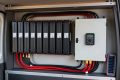
- Implement a manual power-down schedule where non-essential circuits are turned off via a breaker panel during late-night hours.
Comparison of Power Management Solutions
| Solution | Effectiveness | Ease of Implementation |
|---|---|---|
| Master Disconnect Switch | High (Total Isolation) | Moderate (Requires Wiring) |
| Smart Power Strips | Medium (Automated) | High (Plug and Play) |
| Manual Breaker Control | High (Complete Control) | Low (Requires Discipline) |
| Inverter Idle Mode | Low (Residual Draw) | High (Software Setting) |
The Hidden Risks of Ignoring Standby Drain
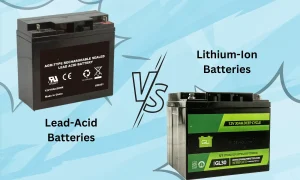
Beyond the simple loss of usable energy, ignoring phantom loads can lead to long-term battery degradation. If you rely on lead-acid batteries, leaving them in a partially discharged state due to constant, slow drainage causes sulfation. Sulfation hardens the lead plates, significantly reducing the battery’s capacity and overall lifespan. Once sulfation sets in, the battery may never return to its full rated capacity, forcing an expensive premature replacement.
For lithium-ion users, while the chemistry is more resilient to partial discharge, frequent deep depletion caused by phantom loads can trigger the Battery Management System (BMS) to enter a protective lockout mode. Recovering a battery from a BMS lockout can be complex and sometimes requires specific charging protocols that are not supported by standard consumer chargers.
Read also: Solar Battery Storage for Starlink: Daily Power Requirement Sizing
Common Mistakes to Avoid
📷 Photo by lastingcar.com
One common mistake is assuming that “Energy Star” rated devices are immune to phantom loads. While they are more efficient during active use, their standby power consumption is often not the primary focus of the certification. Another error is leaving multiple small devices connected to a single daisy-chained power strip. Each connection point and adapter adds a small amount of resistance and internal power loss that compounds over time.
Furthermore, many users fail to account for the power draw of monitoring equipment. Battery monitors, Wi-Fi bridges, and solar charge controllers all require a small amount of electricity to function. While these are necessary for system health, they should be accounted for in your total energy budget. If you find your batteries are draining faster than expected, calculate the quiescent draw of your monitoring equipment as part of your baseline load.
Frequently Asked Questions
Q: Does disconnecting my battery completely hurt the battery’s health?
A: Generally, no. Modern batteries, especially lithium-ion, have a low self-discharge rate. Storing them in a disconnected state is safer than leaving them connected to loads that could drain them to a damaging voltage level.
Q: What is a safe idle power consumption level for an inverter?
A: A high-quality inverter should have an idle draw of less than 1-2% of its rated capacity. If your inverter is drawing significantly more than that while idling, it may be time to upgrade to a more modern, high-efficiency model.
Q: Can I use a timer to manage phantom loads?
A: Yes, mechanical or digital timers are excellent for devices that you know will not be needed during specific hours, such as internet routers or decorative lighting, ensuring they are automatically cut off without manual intervention.
By taking a proactive stance on power management, you extend the life of your equipment and ensure that your energy reserves are available when you truly need them. Start by auditing your most-used devices and installing a master switch to gain total control over your power environment.
📷 Photo by classiccarmaintenance.com