

Vanonpower.com – A solar panel ground fault occurs when an electrical current escapes its intended circuit and travels to the earth, usually caused by damaged insulation, moisture ingress, or wiring errors within the 12V system. Detecting and isolating these faults immediately is critical to prevent fire hazards and ensure the safety of your off-grid power setup.
Understanding Ground Faults in 12V Solar Arrays
In a 12V solar system, a ground fault essentially creates an unintended path for electricity to flow. While 12V systems are generally considered low voltage and safer than high-voltage grid-tied arrays, they still carry significant amperage. If a wire with compromised insulation touches a grounded metal frame or the chassis of a vehicle, it can lead to a short circuit, rapid battery drainage, or even electrical fires.
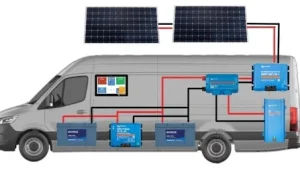
The most common culprit in small-scale 12V systems is vibration combined with heat. In mobile applications like RVs or camper vans, constant movement can cause wires to rub against sharp metal edges, eventually wearing through the protective jacket. Once the copper conductor touches the frame, the ground fault circuit is complete, triggering potential system failure or protective shutdowns.
Common Symptoms of a Ground Fault
Recognizing a fault early can save your expensive equipment, such as your charge controller or inverter. Watch for these specific signs:
- The charge controller displays a red “Ground Fault” or “System Error” light.
- The battery bank seems to be losing charge faster than usual, even without heavy loads.
- You detect a faint burning smell or notice warm spots along the wiring conduits.
- The solar system randomly shuts down or cycles on and off during peak sunlight hours.
- The circuit breaker or fuse linked to the solar array keeps tripping or blowing without a clear explanation.
Troubleshooting and Diagnosis Checklist
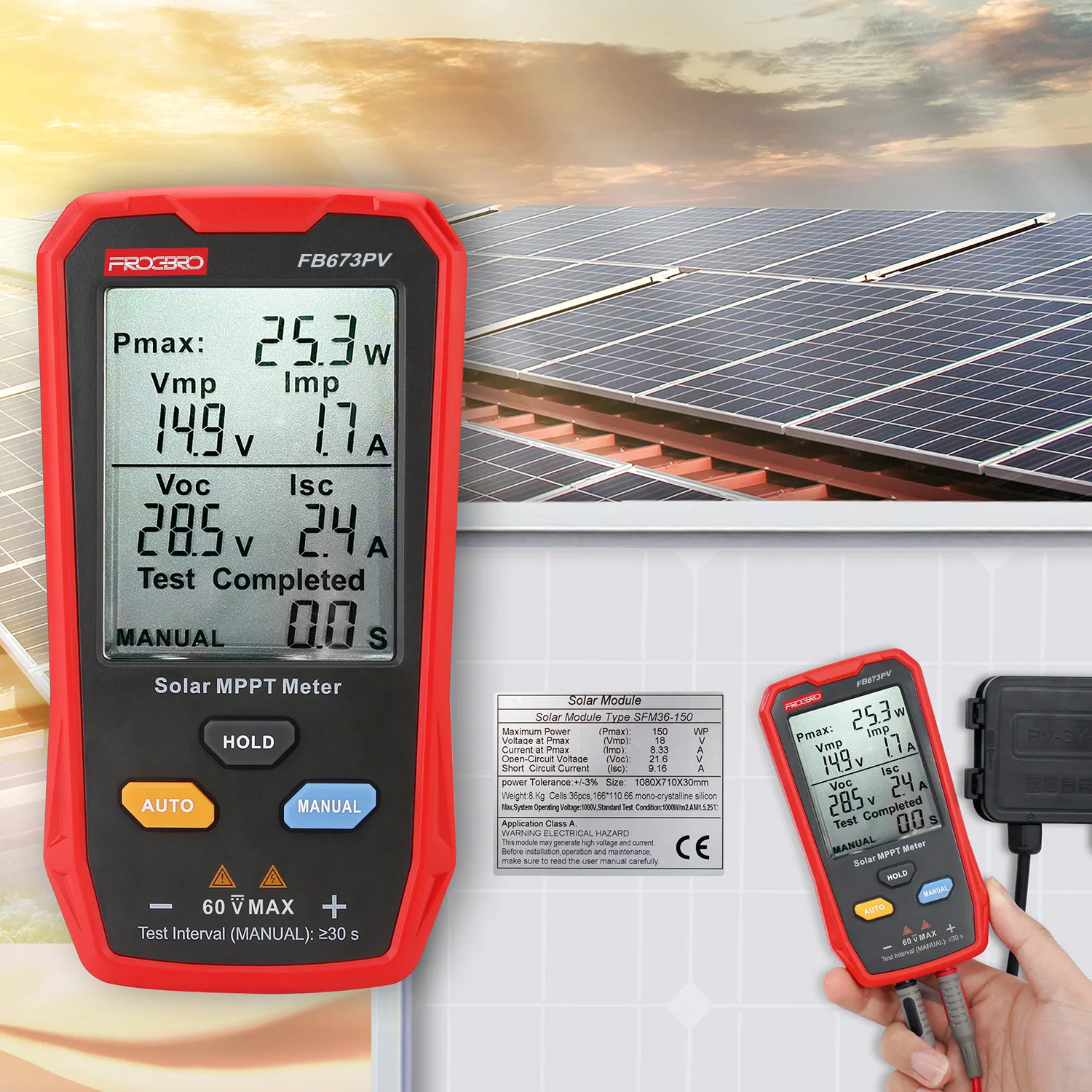
Before you begin, safety is paramount. Always wear insulated gloves and use a digital multimeter rated for DC voltage. If you are working on a roof-mounted system, ensure you are using proper fall protection and that the solar panels are covered with an opaque blanket to stop power generation during the inspection.
| Component | Potential Fault Area | Inspection Method |
|---|---|---|
| Wiring Insulation | Entry points and sharp edges | Visual check for nicks or exposed copper |
| MC4 Connectors | Moisture seals and internal pins | Check for corrosion or loose connections |
| Grounding Bond | Chassis connection point | Verify resistance with a multimeter |
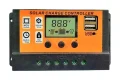
| Charge Controller | Internal circuitry | Check status lights and diagnostic logs |
Step-by-Step Troubleshooting Guide
Follow these steps to systematically isolate the location of the ground fault in your 12V solar setup:
- Disconnect the solar array from the charge controller at the input terminals to isolate the PV circuit from the rest of your electrical system.
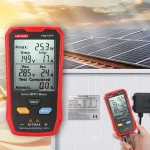
- Set your digital multimeter to the Ohms (resistance) setting. Place one probe on the positive wire of the solar array and the other on the metal frame of the panel or the vehicle chassis.
- Observe the reading. A healthy system should show “OL” or infinite resistance. If you see a low numerical reading, you have found a ground fault on the positive side.
- Repeat the process for the negative wire. If you see a low resistance reading, the negative conductor is touching the ground.
- If both wires show infinite resistance, reconnect the panels one by one to see which specific panel or section of wiring causes the fault to return.
- Once the faulty section is identified, inspect the wiring for physical damage, re-terminate any loose connectors, and ensure all wires are properly secured with cable ties to prevent future rubbing.
Common Mistakes to Avoid
One of the most frequent errors technicians make is assuming that a ground fault is always a “hard” short. In reality, intermittent faults are common. These occur when moisture from dew or rain creates a temporary conductive path, but the fault disappears once the sun dries the area. If your system only acts up during humid weather, focus your search on the MC4 connectors and junction boxes where water is most likely to pool.
Another common mistake is neglecting the grounding of the solar panel frames themselves. While some installers argue that small 12V arrays do not need to be grounded, an ungrounded frame can become “live” if a wire shorts against it, creating a dangerous shock hazard for anyone touching the equipment. Always use proper grounding lugs and wire to bond your solar frames to the vehicle or system chassis.
Proactive Prevention Tips
To minimize the risk of future faults, always use high-quality, UV-resistant solar cabling. Avoid using standard household wire, as it will quickly degrade under the intense heat and ultraviolet exposure found on rooftops. Ensure that all wires are tucked away in protective conduits, especially where they transition from the roof into the interior of your living space.
Regular maintenance is your best defense. Every six months, perform a visual inspection of your wiring and connectors. Look for signs of “weeping” or discolored insulation, which often indicates that the wire has been exposed to too much heat or has been chaffing against a metal surface. A little bit of proactive cable management can prevent hours of frustrating troubleshooting down the road.
Frequently Asked Questions
Q: Can I use a regular circuit tester to find a ground fault?
A: A standard circuit tester is often insufficient for finding ground faults in solar systems. You need a digital multimeter capable of measuring resistance (Ohms) to detect the subtle leakage paths that indicate a ground fault.
Q: Is it safe to leave a solar system running with a minor ground fault?
A: No, you should never operate a system with an active ground fault. Even a minor fault can escalate into a major short circuit due to vibration or moisture, creating a significant fire risk and potentially destroying your sensitive electronic components.
Q: Should I use a fuse on both the positive and negative lines?
A: While a fuse on the positive line is standard, using a double-pole breaker or fuse setup can add an extra layer of protection, allowing you to completely isolate the array from the system during an emergency or maintenance procedure.
📷 Photo by alibaba.com