


Vanonpower.com – Solar panels experience a significant drop in power output during extreme summer heat because photovoltaic cells are designed to operate optimally at standard test temperatures, typically 25°C (77°F), and their efficiency decreases as internal temperatures rise beyond this threshold.
Many homeowners are surprised to find that their solar energy production peaks in the spring rather than the height of summer. While sunlight intensity is indeed higher in the summer, the extreme ambient temperatures create a thermal paradox that limits the electrical current generated by the panels. Understanding this phenomenon is essential for managing energy expectations during heatwaves.
The Science Behind Thermal Efficiency Loss
Solar panels function through the photovoltaic effect, where sunlight knocks electrons loose from atoms within the silicon cells, creating an electrical current. This process is highly sensitive to temperature. As the temperature of the solar cell increases, the bandgap of the semiconductor material narrows, which decreases the voltage produced by the cell. Even though the current might slightly increase, the drop in voltage is far more significant, leading to an overall reduction in total power output.
Most commercial solar panels have a temperature coefficient, usually expressed as a percentage of power loss per degree Celsius above 25°C. For standard monocrystalline panels, this coefficient typically ranges from -0.3% to -0.5% per degree. If a panel reaches 65°C on a scorching day, the efficiency drop becomes quite noticeable compared to its rated capacity.
Key Factors Influencing Heat-Related Output Drop
Beyond the internal cell chemistry, external environmental factors play a crucial role in how much heat is retained by the system. Understanding these variables helps in diagnosing whether a drop in performance is normal or indicative of a system issue.
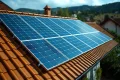
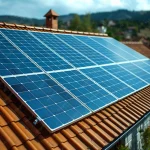
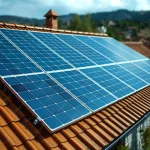
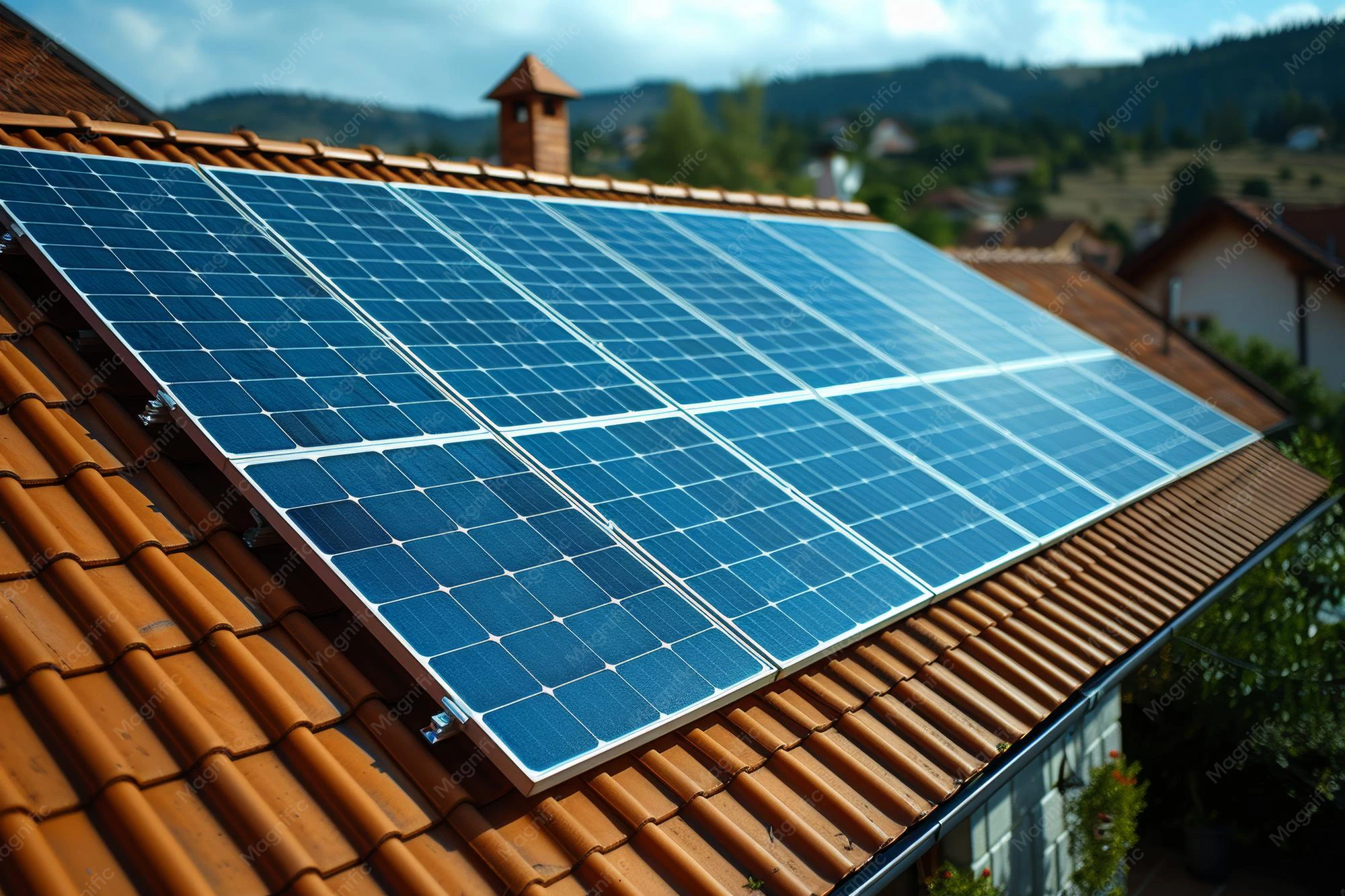
The most common culprit is the mounting configuration. Panels mounted flush against a roof with little to no air gap trap heat underneath the array. This “heat soaking” effect prevents natural convection from cooling the panels. In contrast, rack-mounted systems that allow for several inches of clearance between the roof and the panels benefit from airflow, which carries heat away from the back of the modules.
Common Drivers of Thermal Decline
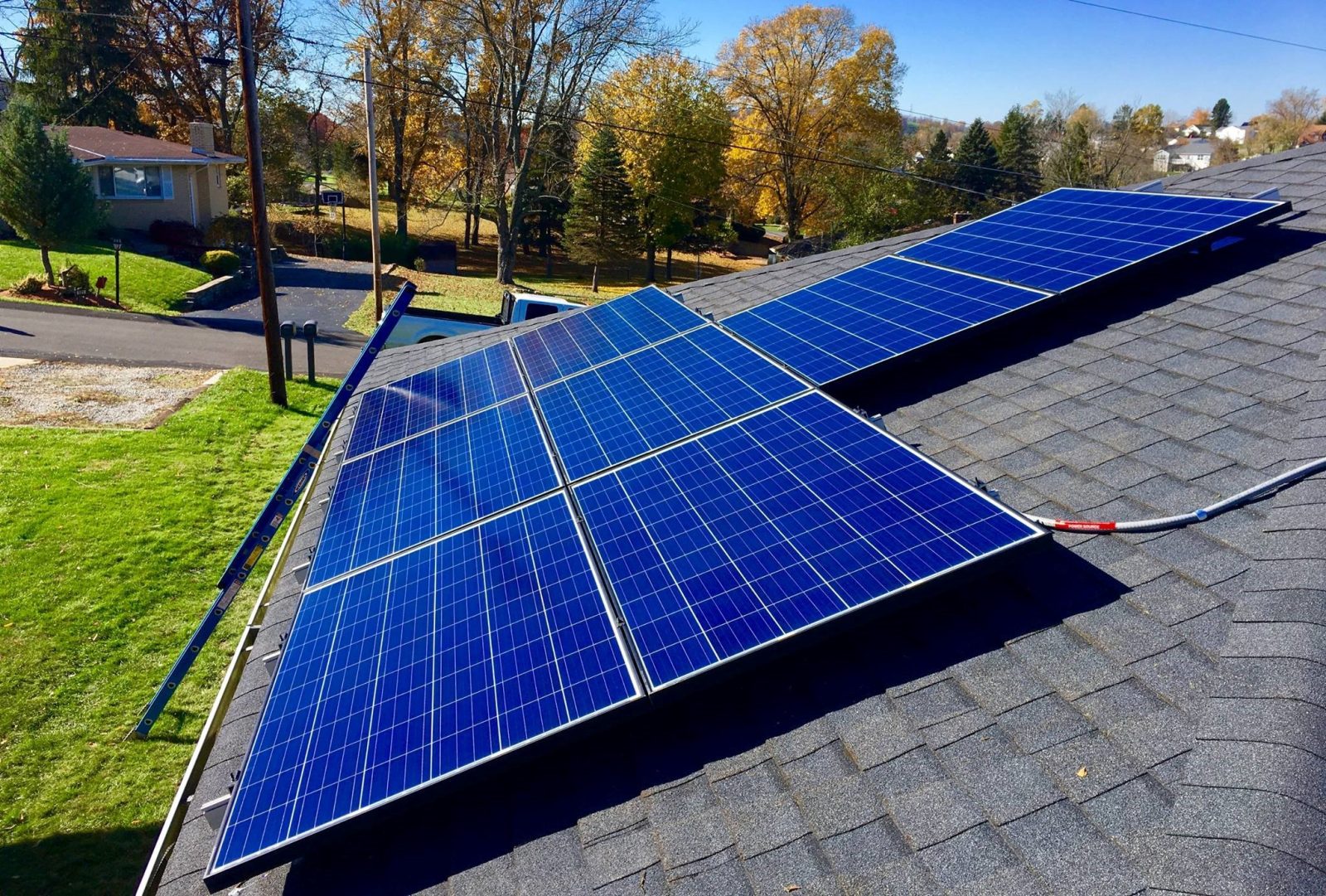
📷 Photo by pennsolarenergy.com
- Poor ventilation beneath the solar array.
- High ambient temperatures combined with high humidity, which reduces radiative cooling.
- Dust and debris accumulation, which absorbs more solar radiation and retains heat longer.
- The color and material of the roof, which can reflect or trap heat radiating back into the panels.
Comparing Performance Across Temperature Ranges
The table below illustrates how a hypothetical 400W panel with a temperature coefficient of -0.4% per degree Celsius performs as the cell temperature climbs beyond the standard 25°C benchmark.
| Cell Temperature (°C) | Temperature Difference | Efficiency Loss (%) | Estimated Power Output (W) |
|---|---|---|---|
| 25°C (Baseline) | 0°C | 0% | 400W |
| 35°C | 10°C | 4% | 384W |
| 45°C | 20°C | 8% | 368W |
| 55°C | 30°C | 12% | 352W |
| 65°C | 40°C | 16% | 336W |
Practical Steps to Mitigate Heat-Related Losses
While you cannot control the weather, you can optimize your installation to minimize the impact of extreme heat. If you are planning an installation or looking to improve an existing one, follow these steps to manage thermal efficiency.
- Ensure proper airflow by using racking systems that provide at least 4 to 6 inches of clearance between the roof and the panels.
- Choose solar panels with a lower temperature coefficient; high-quality panels often feature advanced materials that maintain voltage stability at higher temperatures.
- Keep the area around the panels clean; removing dust, bird droppings, and debris prevents “hot spots” that can increase the temperature of individual cells.
- Use light-colored roofing materials if possible, as dark shingles absorb significant heat that radiates directly into the underside of the solar array.
- Monitor your system via an inverter app during the morning; if production remains low even when the system is cool, you may have an electrical issue rather than a temperature-related one.
The Risk of Ignoring Thermal Stress
It is important to differentiate between temporary efficiency loss due to heat and permanent damage. While a temporary drop in output is a normal physical reaction, prolonged exposure to extreme heat can accelerate the degradation of the solar panels’ internal components. Over many years, the cyclic expansion and contraction of materials caused by extreme temperature fluctuations can lead to micro-cracks in the silicon cells or degradation of the backsheet sealants.
“Efficiency is not just about how much sun you get, but how effectively your system handles the thermal energy that accompanies that sunlight.”
While summer heat is unavoidable, it is rarely the cause of a system failure. Most solar systems are designed to withstand these conditions for 25 years or more. If you notice a drastic, sudden drop in output that does not correlate with the temperature, it is likely an issue with the inverter or a wiring connection rather than the heat itself.
Frequently Asked Questions
Q: Should I spray water on my solar panels to cool them down during a heatwave?
A: No, this is generally discouraged. Spraying water on hot glass can cause thermal shock, potentially cracking the panels, and the minerals in tap water can leave deposits that create permanent shading and hotspots.
Q: Are thin-film solar panels better than monocrystalline panels in extreme heat?
A: Thin-film panels often have a better (lower) temperature coefficient than traditional crystalline silicon panels, meaning they lose less efficiency in high heat, though they generally require more surface area to produce the same total power.
Q: Will my solar panels stop working entirely if it gets too hot?
A: No, solar panels will continue to produce electricity as long as there is sunlight. While the output will decrease as temperatures rise, the system will not shut down simply due to ambient heat unless the inverter itself overheats and triggers a safety shutdown.
📷 Photo by freepik.com