

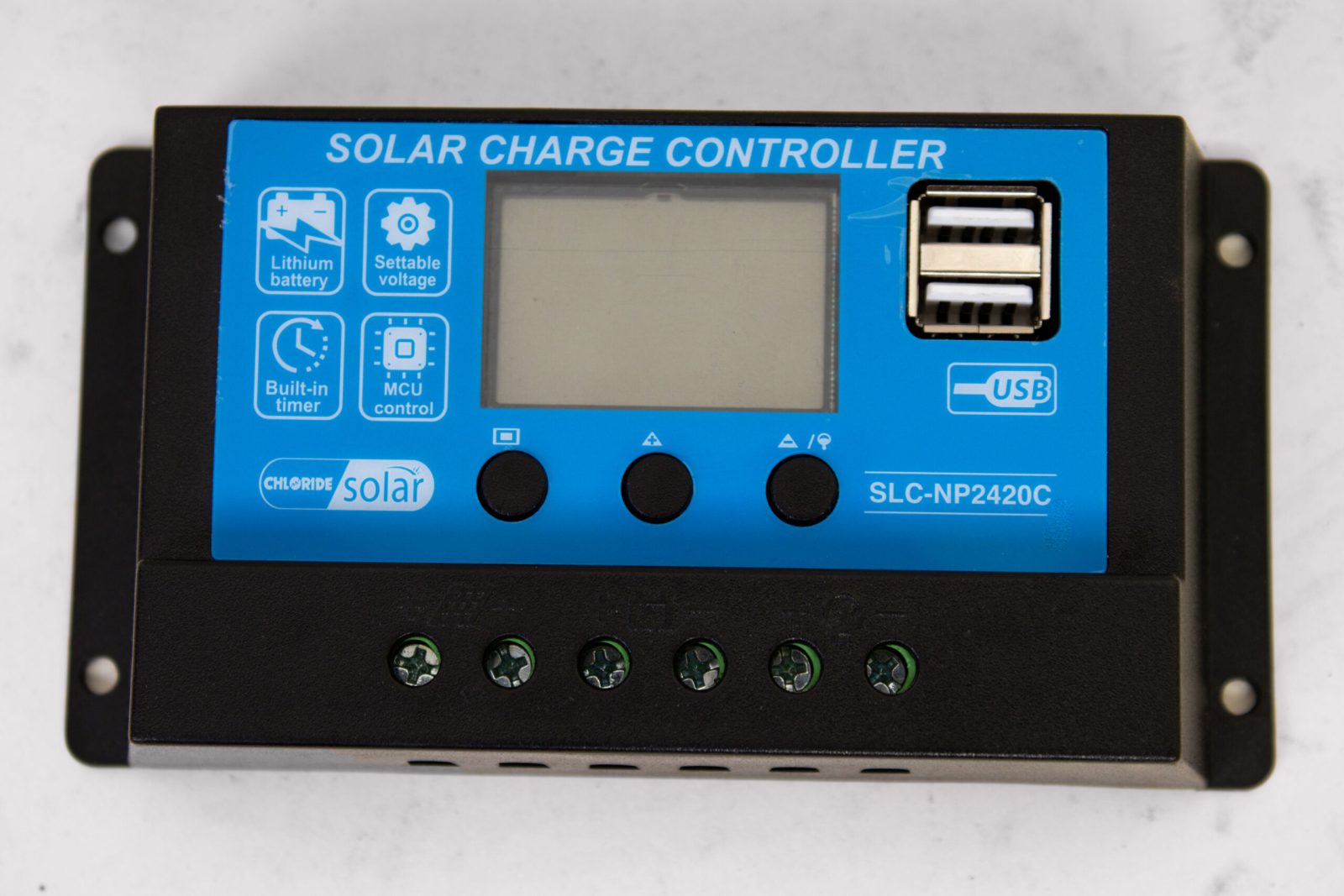
Vanonpower.com – Connecting a solar charge controller without a battery is generally not recommended because most controllers require a stable voltage reference from a battery to operate correctly and prevent damage to your connected devices. Without a battery to act as a buffer, the controller may fail to start, shut down repeatedly, or suffer internal damage due to voltage fluctuations from the solar panels.
Why Batteries Are Essential for Charge Controllers
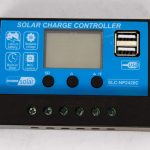
A solar charge controller acts as a regulator between your solar panels and your energy storage system. Its primary job is to modulate the voltage and current coming from the panels to ensure the battery is charged safely and efficiently. When you connect a solar panel to a controller without a battery, the controller often enters an error state or remains in a standby mode.
The internal circuitry of most PWM (Pulse Width Modulation) and MPPT (Maximum Power Point Tracking) controllers is powered by the battery side of the circuit. If the controller detects no battery voltage, it assumes there is no system to manage. Consequently, it may refuse to output any power to the load terminals, effectively rendering the entire setup useless.
The Risks of Running Without a Battery
Attempting to bypass the battery causes several technical issues. Solar panels produce volatile electricity that fluctuates based on cloud cover, the angle of the sun, and temperature. Without a battery acting as a massive capacitor or voltage stabilizer, the output from the charge controller—even if it does turn on—will be highly unstable.
This instability is dangerous for any DC loads or appliances you might try to connect directly to the load terminals of the controller. You risk frying sensitive electronics, blowing fuses, or causing the charge controller to overheat as it struggles to regulate an input that lacks a constant reference point. Furthermore, many modern controllers have built-in protection logic that prevents them from engaging the charging circuit if a battery is not detected during the initial startup sequence.
Common Controller Types and Their Behavior
It is important to understand that not all controllers behave the same way, though the consensus remains that a battery is necessary. The table below outlines how different controller technologies react when a battery is absent.
| Controller Type | Behavior Without Battery | Risk Level |
|---|---|---|
| PWM Controller | Will not power on or stays in error mode | High (Risk of circuit damage) |
| Standard MPPT | Unable to track MPP, may cycle on/off | High (Potential component failure) |
| Direct-to-Load Units | May function only in direct sunlight | Extreme (Voltage spikes can kill loads) |
How to Safely Set Up Your Solar System
If your goal is to power a device directly from solar panels, you should use a dedicated solar power supply or a DC-to-DC converter designed for unregulated input, rather than a charge controller. If you are building a standard off-grid system, follow these steps to ensure safety and longevity.
📷 Photo by courtneysworld.co
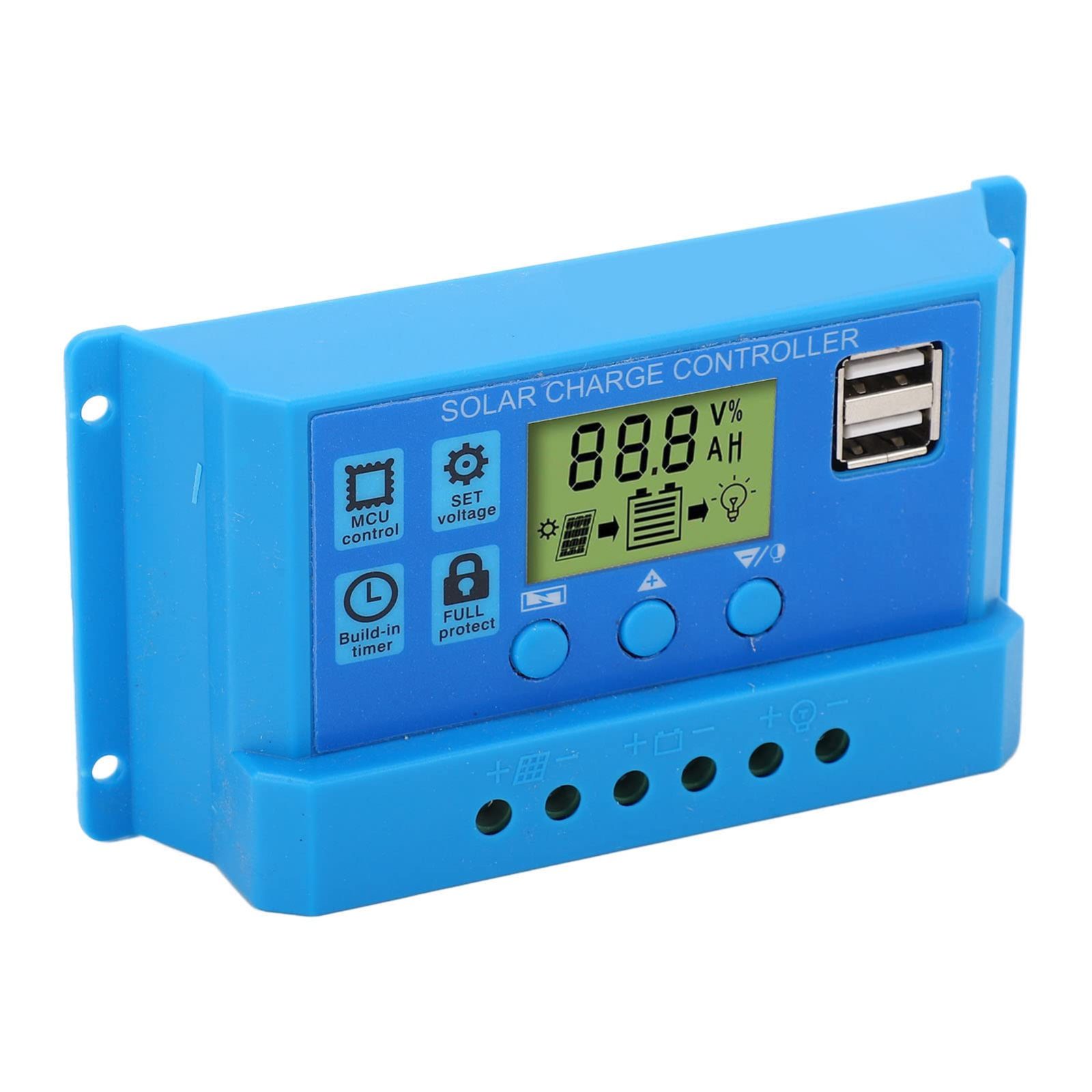
- Always connect the battery to the charge controller first. This allows the controller to detect the system voltage (12V, 24V, or 48V) and initialize its internal programming.
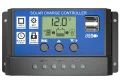
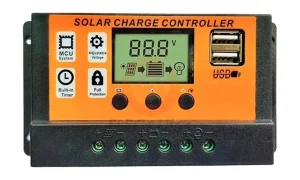
- Check the display or LED indicators on the controller to confirm it recognizes the battery voltage correctly.
- Connect your solar panels to the controller only after the battery connection is verified and stable.
- Finally, connect your DC loads or appliances to the load terminals of the controller, ensuring the total draw does not exceed the controller’s rated amperage.
Avoiding Common Mistakes
A frequent mistake beginners make is assuming that the “Load” terminal on a charge controller is a universal power output. In reality, the load terminal is specifically designed to provide power to low-draw DC devices, such as LED lights or small fans, and it is strictly managed by the battery’s state of charge. If the battery voltage drops too low, the controller will cut power to the load terminal to protect the battery from deep discharge. Without a battery, this logic loop fails, and the controller cannot provide a reliable current.
Another error is using the solar panel’s open-circuit voltage (Voc) to judge compatibility. Just because your panel’s Voc falls within the controller’s input range does not mean the controller can function without a load-bearing battery. Always ensure your battery bank is sized appropriately for your array to prevent the charge controller from being overwhelmed during peak sun hours.
Frequently Asked Questions
Q: Can I use a capacitor instead of a battery to stabilize the voltage?
A: While a large capacitor can smooth out voltage ripples, it does not hold enough energy to satisfy the “handshake” protocol that most charge controllers require to initialize. It is not a viable substitute for a battery.
Q: Will my solar charge controller break if I connect the panels first by mistake?
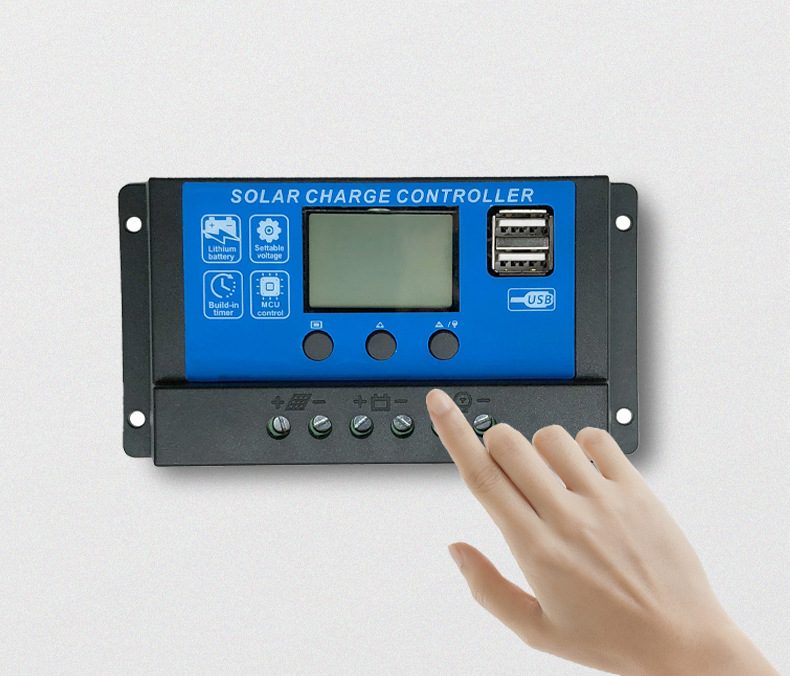
A: It is possible. Many controllers are designed to detect the battery first to set their internal logic. Connecting panels first can send an unregulated surge of voltage into the controller’s circuits, which may trigger an over-voltage protection fault or, in some cases, cause permanent internal damage.
📷 Photo by solarctrl.com
Q: Is there any specific type of controller that works without a battery?
A: Some specialized “solar pump controllers” are designed to work without batteries by using variable frequency drives to match the motor’s power consumption to the solar panel’s output. However, these are distinct from standard solar charge controllers used in home or RV power systems.
Final Considerations for Your Installation
In summary, attempting to bypass the battery is a shortcut that rarely ends well. The battery is the heart of your solar power system, providing the necessary stability and storage that allows your solar array to function effectively. If you are constrained by space or budget, consider using smaller lithium iron phosphate (LiFePO4) batteries, which offer high energy density and long lifespans, providing a much safer and more reliable alternative to running a solar system without any storage at all. Always prioritize the manufacturer’s manual, as they provide specific startup sequences that are critical for the warranty and safety of your equipment.
📷 Photo by firstsuntechnologies.co.ke