

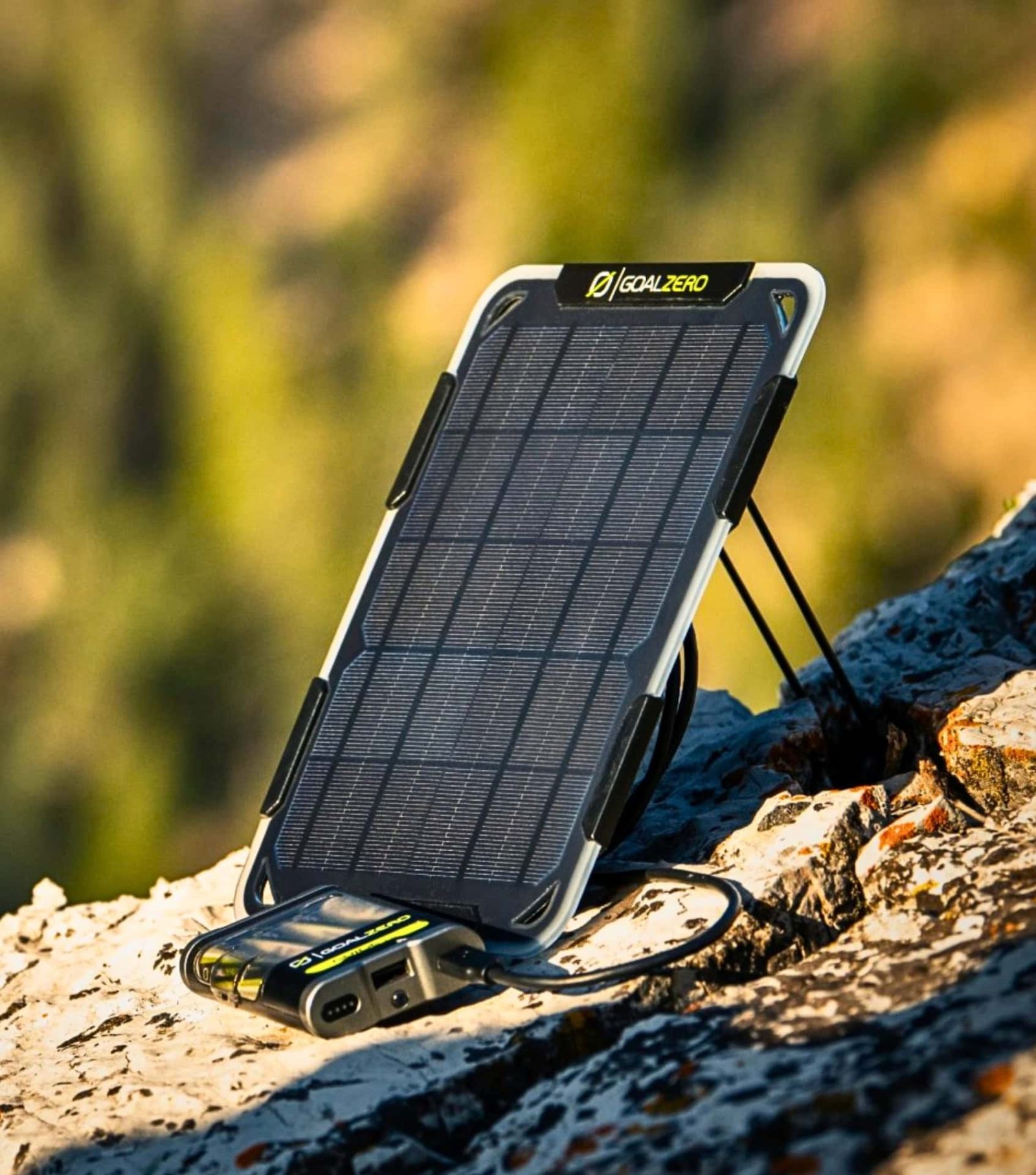
Vanonpower.com – Connecting portable solar panels to an existing van setup is best achieved by using a solar charge controller that matches your battery chemistry and wiring the panels in parallel or series via a multi-contact connector to ensure efficient power intake without overloading your system.
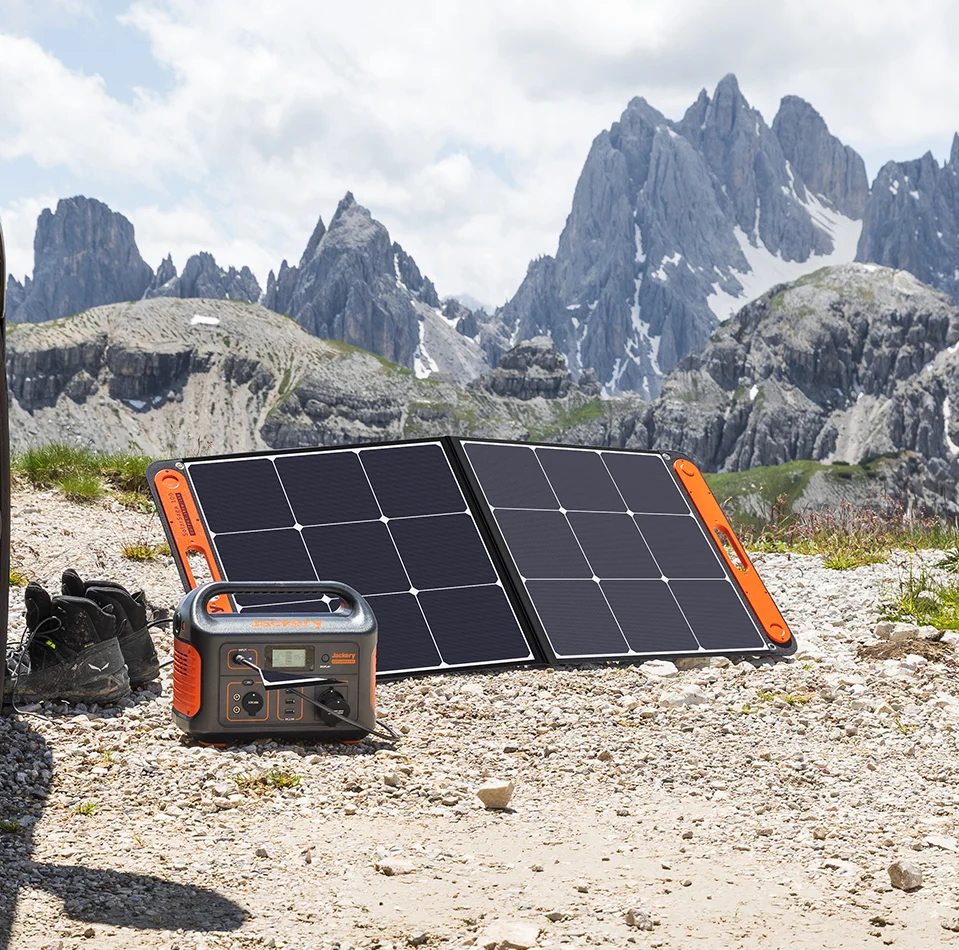
Integrating portable solar panels into a pre-existing electrical system allows you to boost your energy harvest without permanently mounting heavy glass panels to your roof. This modular approach is ideal for van lifers who chase the sun, as it enables you to park in the shade while keeping your solar array in direct sunlight. However, the process requires careful attention to voltage compatibility and amperage limits to prevent damage to your solar charge controller.
📷 Photo by eu.jackery.com
Understanding Your Existing Power Architecture
Before purchasing additional gear, you must audit your current setup. Identify the maximum input voltage (Voc) and maximum current (Amps) your existing solar charge controller can handle. If you exceed these ratings, you risk blowing the internal fuse or permanently damaging the controller. Check the label on your current charge controller to see if it is an MPPT (Maximum Power Point Tracking) or a PWM (Pulse Width Modulation) model, as this dictates how you can combine your panels.
MPPT controllers are generally more forgiving with series connections, while PWM controllers are strictly limited by voltage. If your current controller is already at its capacity, you will need to install a secondary solar charge controller specifically for the portable panels, which will then connect directly to your battery bank (via a fuse) or your existing busbars.
Choosing the Right Connection Method
There are two primary ways to wire your portable panels: in series or in parallel. Series connection adds the voltage of the panels together while keeping the amperage the same. This is excellent for long cable runs because higher voltage results in less power loss over distance. Parallel connection adds the amperage together while keeping the voltage the same, which is safer for systems with strict voltage limits but requires thicker cabling to handle the increased current.
| Connection Type | Voltage Effect | Amperage Effect | Best Use Case |
|---|---|---|---|
| Series | Adds up | Stays the same | Long cable runs, high-voltage controllers |
| Parallel | Stays the same | Adds up | Shaded conditions, low-voltage controllers |
| Independent | N/A | N/A | When current controller is at capacity |
Step-by-Step Installation Guide
Follow these steps to safely integrate your portable panels into your van’s electrical system:
- Verify that the combined voltage of your portable panels does not exceed the maximum input voltage of your charge controller.
- Install a weatherproof bulkhead connector (like a deck seal or a dedicated solar port) on the exterior of your van to allow for a clean, waterproof cable entry point.
- Connect your portable panels to a high-quality solar extension cable using MC4 connectors, ensuring the positive and negative leads are correctly identified.
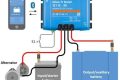
- Route the wires from the exterior port to your solar charge controller, ensuring you use an appropriately sized fuse between the charge controller and the battery bank.
- Connect the charge controller to your battery bank first to allow it to recognize the battery voltage, then connect the solar panel input wires to the controller.
- Secure all connections using heat-shrink tubing or waterproof connectors to prevent corrosion from the outdoor environment.
Common Pitfalls and Risks
A frequent error is mismatched panel voltages. If you connect a panel with a high voltage to a panel with a low voltage in parallel, the lower voltage panel will not contribute effectively to the system and may even cause a power bottleneck. Always try to match panels with identical specifications, or at least identical voltages, when combining them.
Another risk is improper wire gauging. As you add more solar power, the current flowing through your wires increases. If your wires are too thin, they can overheat, causing a potential fire hazard. Always consult a wire sizing chart based on your total amperage and the distance the power must travel from the panels to the controller.
Maintenance and Practical Tips
Portable panels are susceptible to damage because they are frequently handled. Inspect your MC4 connectors regularly for signs of wear, pitting, or water ingress. Keep the glass surface clean, as even a small amount of dust or bird droppings can significantly reduce the output of a single panel, which, in a series configuration, can drag down the performance of the entire array.
If you find that your portable panels are frequently sliding or being damaged by wind, consider using a mounting bracket that allows the panel to be anchored to the ground using heavy-duty stakes. This not only protects your investment but also ensures that the panel remains at the optimal angle relative to the sun throughout the day.
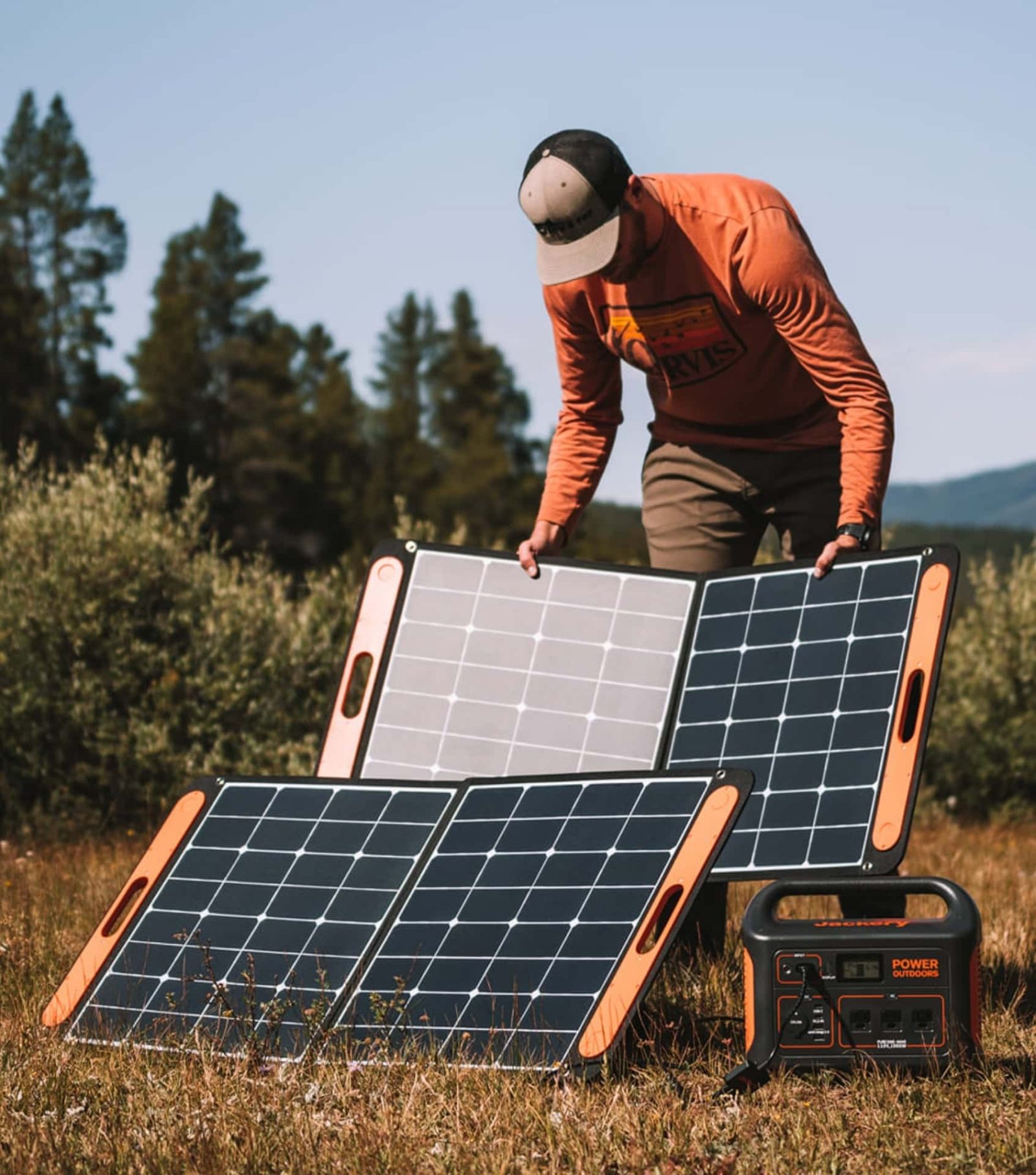
Q: Can I mix portable solar panels with my roof-mounted panels?
📷 Photo by sustainablejungle.com
A: Yes, but it is highly recommended to put them on separate charge controllers if they have different specifications or if your primary controller is already near its maximum capacity.
Q: Is it safe to leave portable panels connected while driving?
A: No. Portable panels should always be stowed and secured inside the van while the vehicle is in motion to prevent them from becoming projectiles or being damaged by high-speed winds.
Q: How do I know if my solar controller is overloaded?
A: Most modern charge controllers will display an error code or an “Over Voltage” light if the input exceeds its limits; if you notice the controller shutting down during peak sun hours, it is likely overloaded.
📷 Photo by twogreenleaves.org
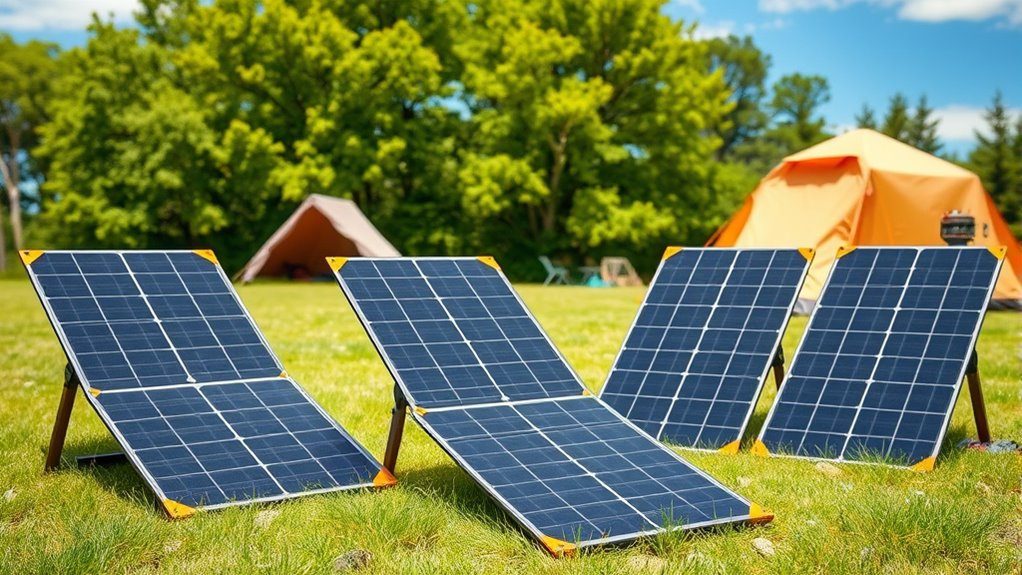
Ultimately, adding portable solar panels is an excellent way to extend your off-grid capabilities. By respecting the electrical limits of your system and ensuring all connections are weather-resistant and properly fused, you can create a robust, flexible power setup that adapts to any adventure.
📷 Photo by sustainablejungle.com