



Vanonpower.com – Optimizing your solar panel tilt angle to match your local latitude typically increases energy production by 10% to 25% compared to flat-mounted systems. Precise adjustments throughout the seasons can further maximize efficiency by ensuring the panels remain perpendicular to the sun’s rays for longer durations.
The Fundamentals of Solar Tilt
The primary goal of solar installation is to maximize the amount of solar radiation, or irradiance, hitting the surface of the photovoltaic cells. Because the Earth is tilted on its axis, the sun’s position in the sky changes throughout the year. If a panel is laid perfectly flat, it will capture decent energy during the summer months when the sun is high, but it will perform poorly during the winter when the sun sits low on the horizon.
Tilting your panels effectively bridges the gap between these seasonal variations. By angling the panels, you reduce the angle of incidence—the angle at which sunlight strikes the panel surface. When the light hits the glass at a 90-degree angle, reflection is minimized, and absorption is maximized. Even a slight deviation from this optimal angle can cause a measurable drop in wattage, which is why fixed-tilt systems are often engineered based on the specific latitude of the installation site.
Calculating the Ideal Angle
A common rule of thumb for stationary solar arrays is to set the tilt angle equal to your location’s latitude. For example, if you live at 40 degrees north latitude, a 40-degree tilt is a solid baseline for year-round production. However, this is just a starting point. Many professionals suggest adjusting the tilt by 15 degrees toward the equator in the winter and 15 degrees away from the equator in the summer to capture more peak sunlight.
Estimated Performance Gains Based on Tilt Adjustments
| Tilt Strategy | Yearly Production Increase | Best Use Case |
|---|---|---|
| Flat (0 degrees) | Baseline (0%) | RV roofs or limited space |
| Fixed (Latitude Angle) | 10% – 15% | Residential rooftop setups |
| Seasonal Adjustment | 18% – 25% | Ground-mount systems |
| Dual-Axis Tracking | 30% – 45% | Large commercial solar farms |
Practical Steps to Optimize Your Solar Array
If you are planning a ground-mount installation or a roof rack system that allows for manual adjustment, follow these steps to ensure you are getting the most out of your investment:
- Determine your exact latitude using a GPS tool or online map service to establish your baseline.
- Check for local shading obstructions, such as trees or chimneys, which might require a steeper or shallower angle than the theoretical ideal to avoid shadows.
- Install a mounting system that allows for seasonal tilt adjustments, usually requiring only a simple wrench or bolt-locking mechanism.
- Schedule a biannual adjustment—once in the spring to tilt away from the sun and once in the fall to tilt toward the sun.
- Monitor your inverter’s output data after the adjustment to confirm that the change resulted in a higher daily kilowatt-hour yield.
Risks and Common Mistakes
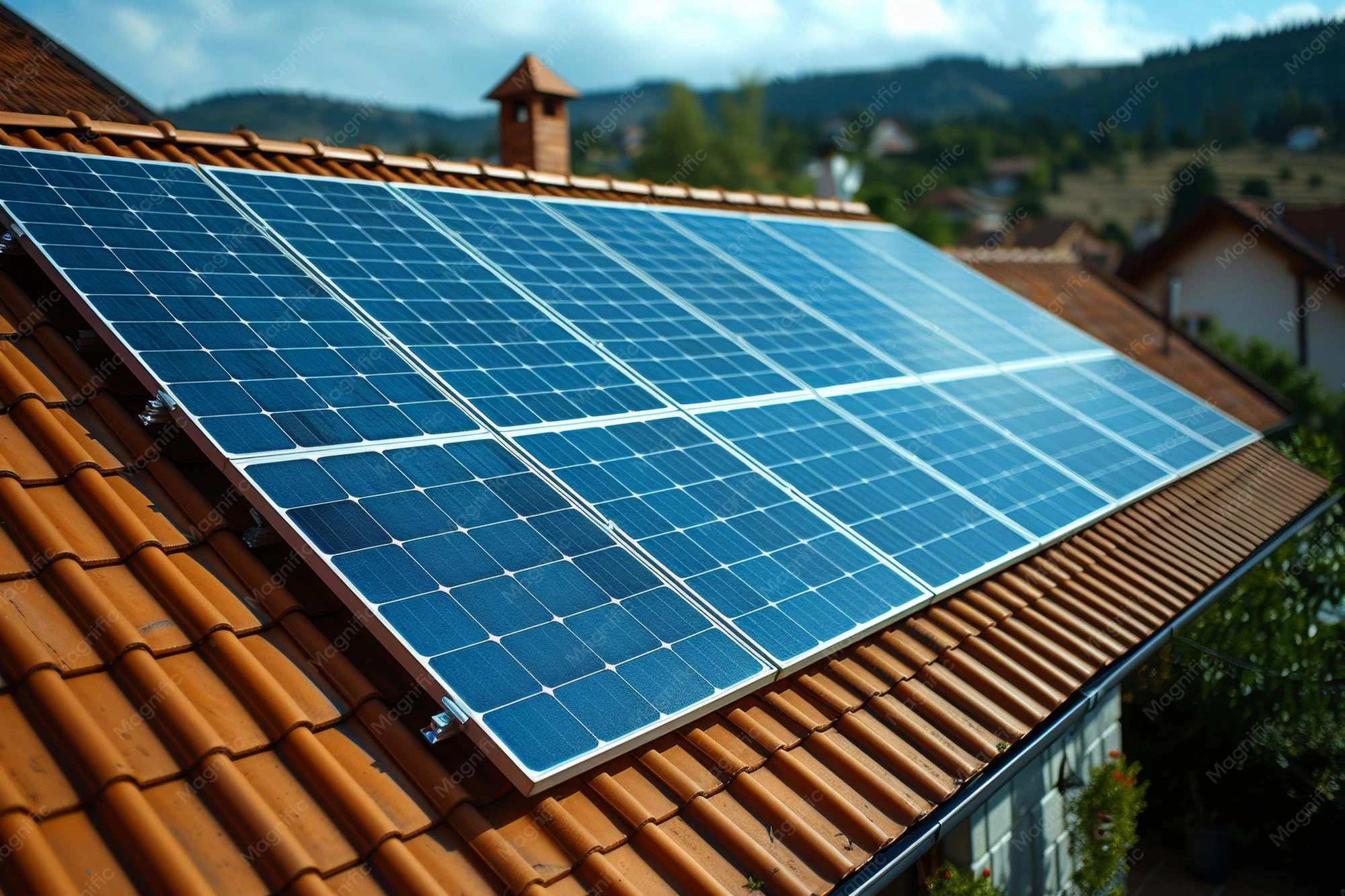
One of the most frequent mistakes homeowners make is prioritizing the aesthetic look of the roof over the solar efficiency. While “flush-mounting” panels parallel to the roofline looks sleek and is wind-resistant, it is rarely the optimal angle for energy production. If your roof has a low pitch, you might find that your panels are underperforming significantly during the winter months.
Another risk involves wind loading. As you increase the tilt of your panels, you create a “sail effect.” In high-wind areas, a steep tilt angle puts significant stress on the mounting hardware and the roof structure. Always consult with a structural engineer if you intend to tilt your panels beyond 30 degrees to ensure that your mounting brackets are rated for the increased wind resistance.
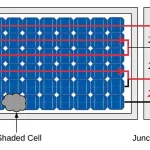
Additionally, do not ignore self-cleaning. Panels tilted at a steeper angle are more effective at shedding debris, dust, and snow. A flat panel collects grime much faster, which can lead to “hot spots” where dirt accumulation causes localized overheating, potentially damaging the solar cells over time.
The Impact of Latitude on Efficiency
The further you are from the equator, the more critical the tilt angle becomes. In tropical regions, the sun is high in the sky year-round, meaning a low tilt or even flat installation is highly effective. In contrast, in higher latitudes like Canada or Northern Europe, the sun stays low in the sky, especially in winter. In these regions, a steep tilt—sometimes as high as 60 degrees—is necessary to ensure the system continues to generate meaningful power when the daylight hours are short.
Frequently Asked Questions
Q: Does tilting my panels increase the risk of wind damage?
A: Yes, higher tilt angles increase the surface area exposed to wind pressure, which requires more robust mounting hardware to prevent the panels from detaching during storms.
Q: Is it worth the effort to adjust the tilt manually twice a year?
A: For most residential systems, the 5-10% gain from seasonal adjustment is often outweighed by the physical labor involved; however, for off-grid systems where every watt counts, it is highly recommended.
Q: Will a steeper tilt help with snow removal?
A: Absolutely. Panels tilted at 40 degrees or more are much more likely to shed snow naturally compared to flat or low-angle installations, which prevents the panels from being covered for extended periods.
Conclusion
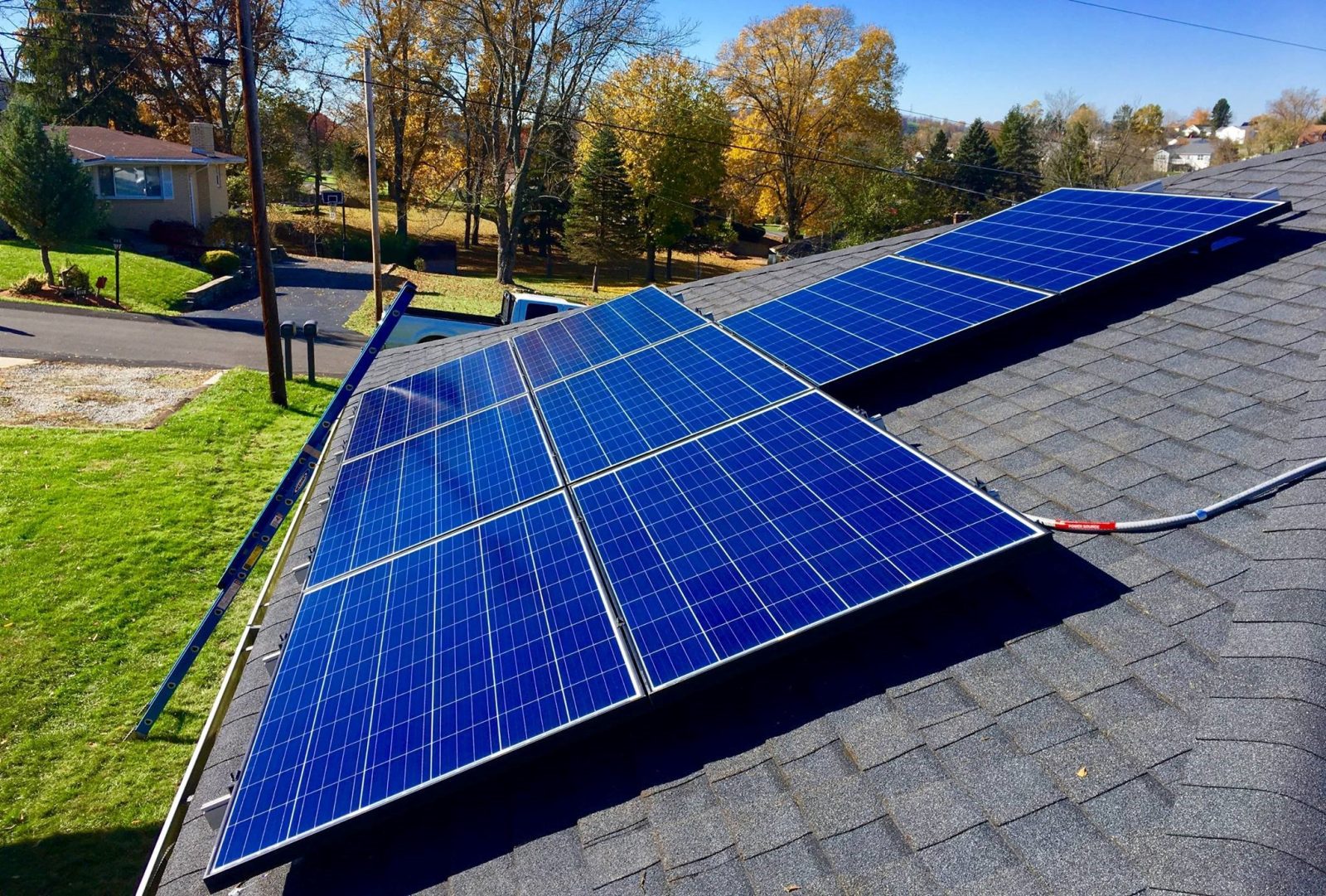
📷 Photo by pennsolarenergy.com
Maximizing solar panel performance is a balance between geometry, structural integrity, and local climate conditions. While a fixed-tilt system at your latitude is the standard, understanding the potential gains from seasonal adjustments allows you to take control of your energy production. Whether you are aiming for energy independence or simply want to shorten your system’s payback period, proper tilting is an essential part of the solar equation.
📷 Photo by freepik.com