

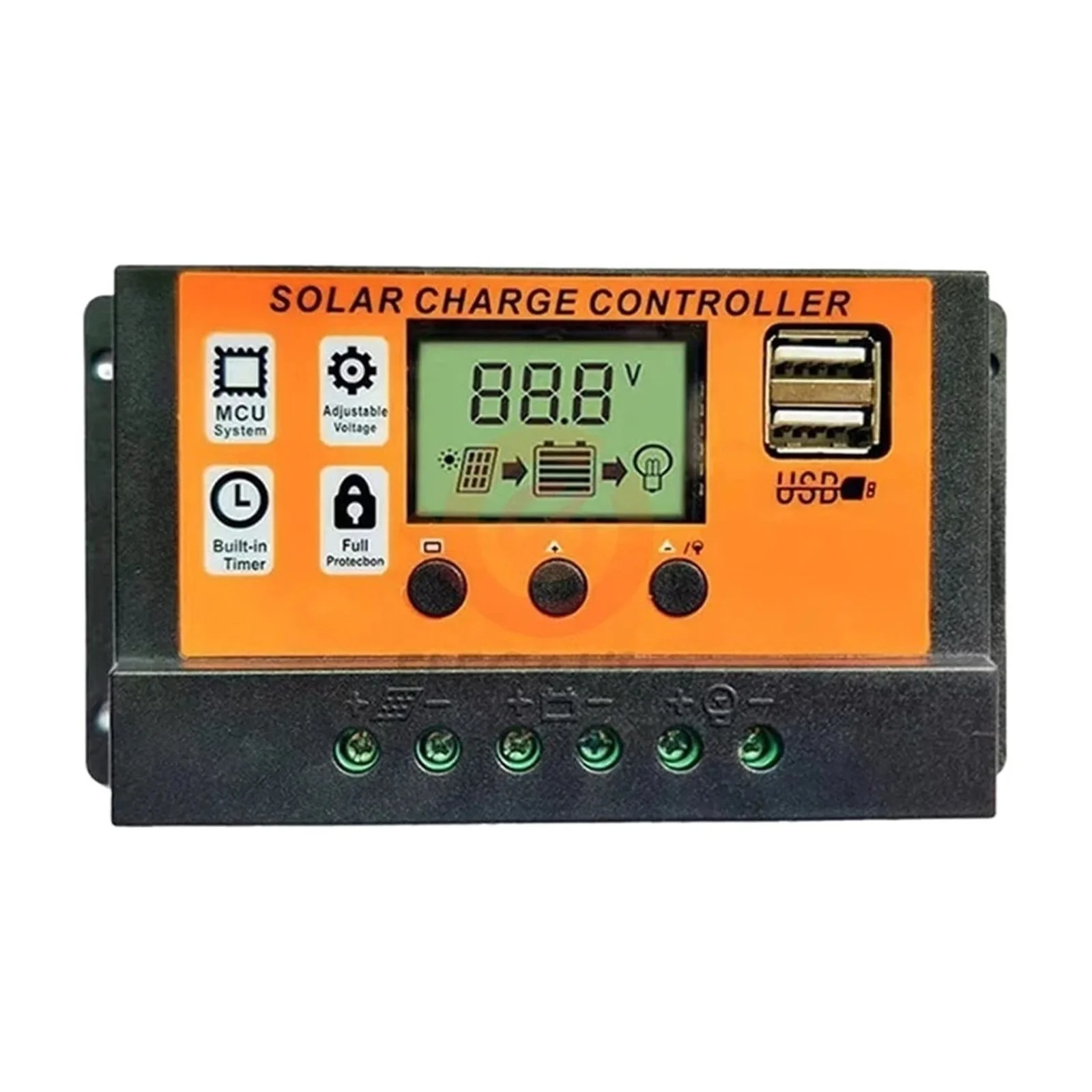
Vanonpower.com – An MPPT charge controller is worth the extra cost for off-grid solar systems with higher voltage panels or in cooler climates because it increases energy harvest by 15% to 30% compared to a PWM controller. While PWM is budget-friendly for small, simple setups, MPPT technology maximizes efficiency by converting excess voltage into usable charging current.
Understanding the Core Technologies
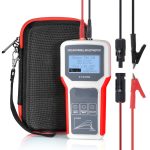
📷 Photo by desertcart.co.za
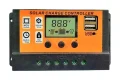
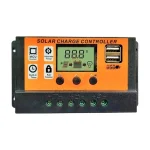
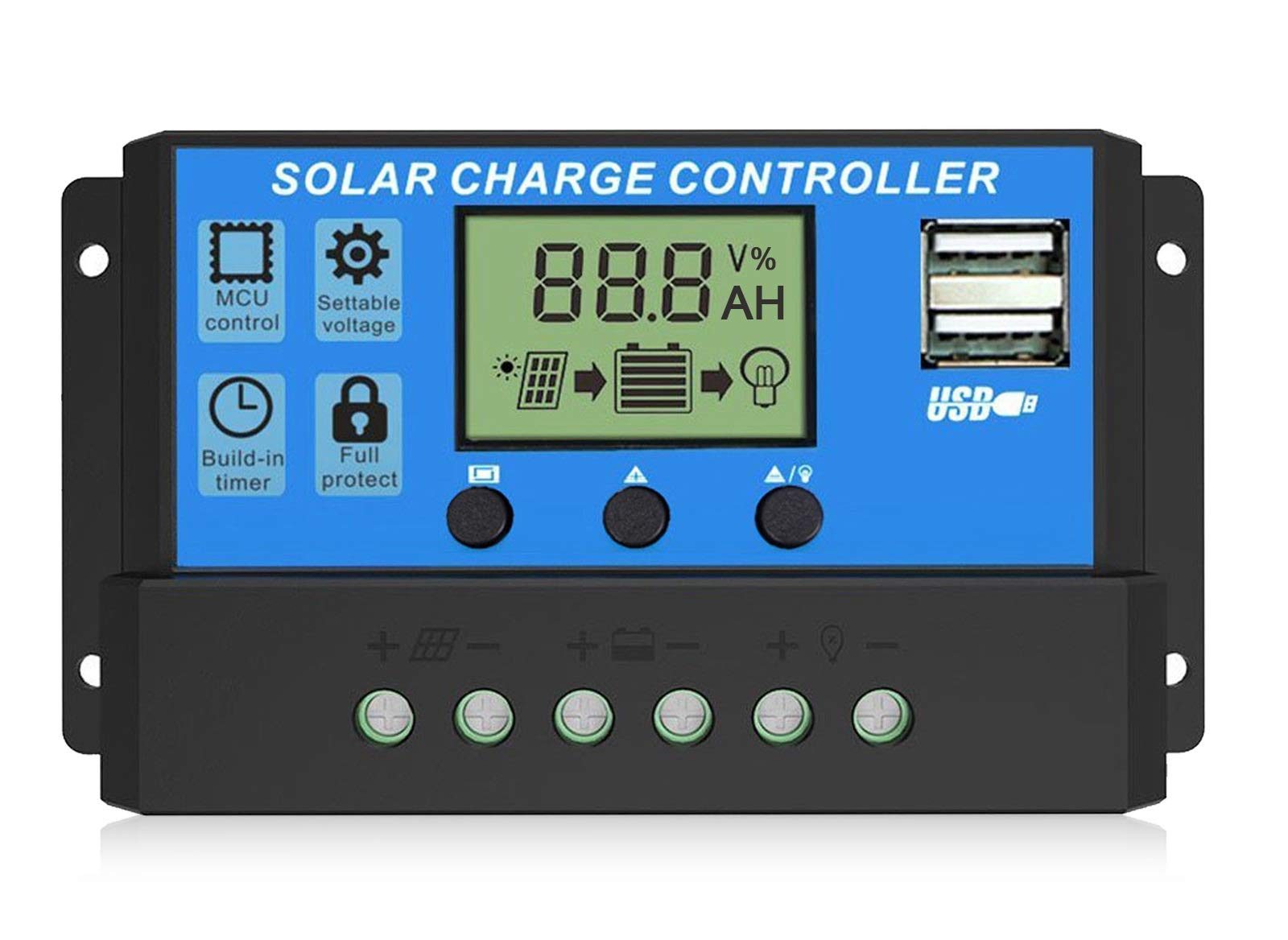
To understand why the price difference exists, you must look at how each controller manages the energy coming from your solar panels. A PWM (Pulse Width Modulation) controller acts like a simple switch between your solar array and your battery bank. It gradually reduces the voltage of the solar panel until it matches the battery voltage. This means if you use a high-voltage panel with a 12V battery, the extra voltage is effectively discarded as waste heat, resulting in significant power loss.
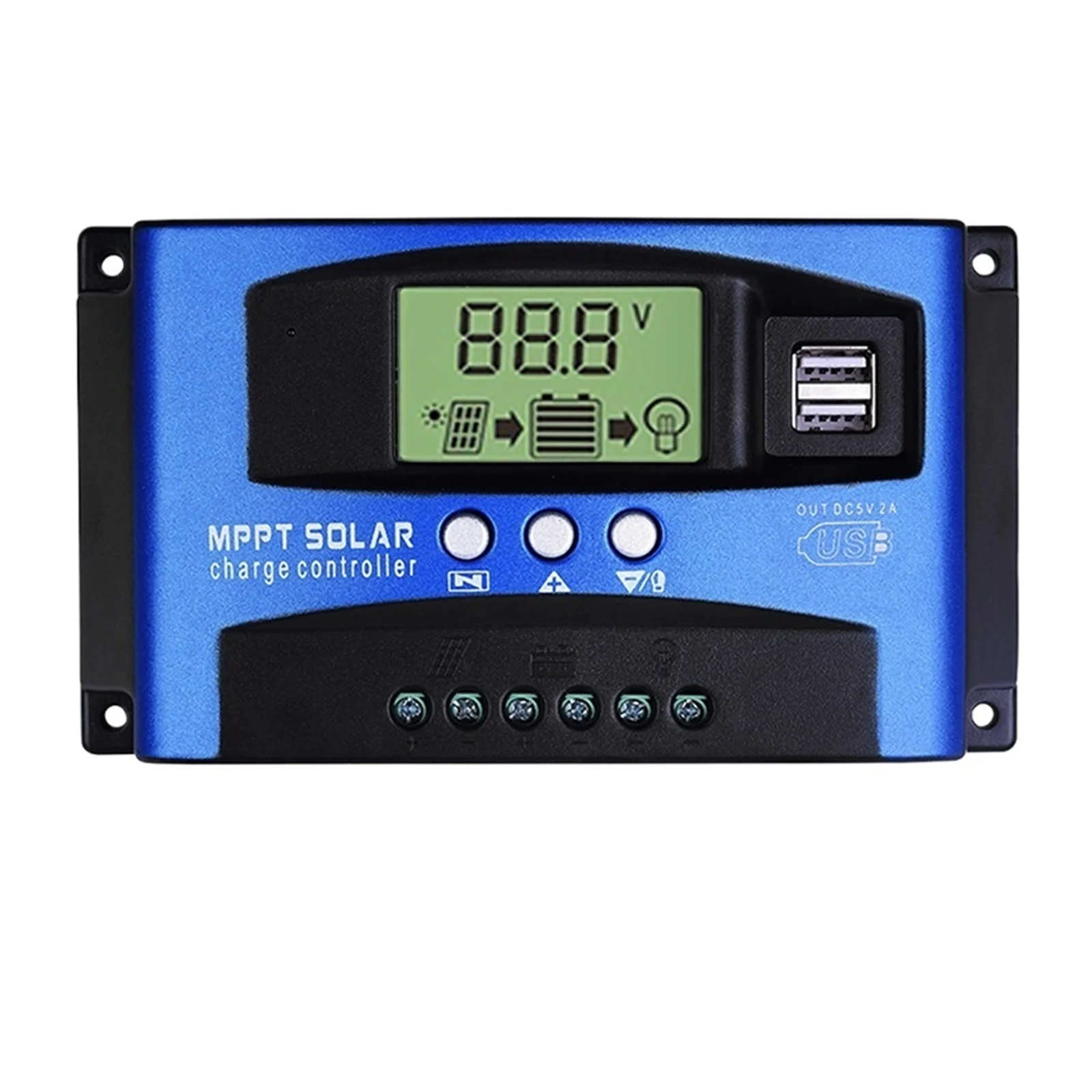
Conversely, an MPPT (Maximum Power Point Tracking) controller is a sophisticated DC-to-DC converter. It uses an algorithm to track the “maximum power point” of the solar array—the specific voltage and current combination where the panel produces the most wattage. It then down-converts that high voltage into the correct amperage for your batteries. Because wattage equals voltage multiplied by current, lowering the voltage allows the controller to increase the current, ensuring your batteries charge faster.
Performance Comparison Table
| Feature | PWM Controller | MPPT Controller |
|---|---|---|
| Efficiency | 70% – 80% | 95% – 99% |
| Ideal Use Case | Small, budget-friendly systems | Large arrays, high-voltage panels |
| Cost | Low | Moderate to High |
| Temperature Sensitivity | Low performance in heat | Optimized for varying conditions |
| Complexity | Simple, durable | Advanced, requires cooling |
When is PWM Actually the Better Choice?
Despite the technological superiority of MPPT, PWM is not obsolete. If you are building a small, portable system using a single 100W or 200W panel that is specifically designed for a 12V battery, the benefits of MPPT are often negligible. Because the panel voltage and battery voltage are already closely matched, the efficiency gains are minimal, and you would be paying a premium for performance you cannot actually utilize.
PWM controllers are also highly reliable due to their lack of complex internal components. They are often the preferred choice for simple lighting systems, small RV setups, or remote telemetry equipment where the budget is the primary constraint and the power demand is low. In these specific instances, the simplicity and low cost of PWM make it a practical engineering decision.
The Case for Investing in MPPT
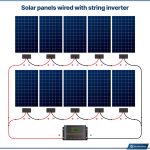
The real value of MPPT shines in larger systems or when you have to run long wire distances from your panels to your battery bank. Because MPPT allows you to wire panels in series, you can increase the system voltage (e.g., sending 48V or 72V down the line to a 12V or 24V battery bank). Higher voltage means less current in the wires, which allows for thinner, cheaper cabling and reduces power loss due to resistance.
Furthermore, if you live in a region with significant temperature fluctuations, MPPT is essential. Solar panels produce higher voltage in cold weather and lower voltage in extreme heat. A PWM controller cannot adapt to these shifts, whereas an MPPT controller constantly adjusts to find the new peak power point, ensuring you are not leaving energy on the table during those crisp, sunny winter days.
How to Select the Right Controller for Your Setup
Choosing between these two technologies requires a clear assessment of your current system architecture. Follow these steps to determine which controller fits your needs:
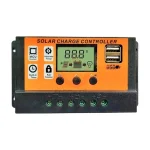
📷 Photo by walmart.com
- Assess your panel configuration: If your panel voltage matches your battery voltage (e.g., a 12V panel for a 12V battery), PWM is likely sufficient. If you are using “grid-tie” panels (usually 30V or higher) for a 12V or 24V battery, MPPT is mandatory.
- Calculate your total wattage: For systems exceeding 200W, the efficiency loss of a PWM controller becomes statistically significant. At this threshold, the cost of the MPPT controller is usually offset by the increased energy production within the first year.
- Evaluate your location: If you experience frequent cloudy days or extreme temperature shifts, the tracking ability of an MPPT controller will provide a much more stable charging profile for your battery bank.
- Check the wire gauge: If you are mounting panels far from your battery bank, calculate the voltage drop. Using an MPPT controller allows you to use higher input voltages, which significantly lowers the required wire thickness and saves on installation costs.
Common Pitfalls and Risks
One of the most common mistakes users make is exceeding the maximum voltage input (Voc) of their MPPT controller. Every MPPT unit has a strict limit on the voltage it can accept from the panels. If you wire too many panels in series during a cold morning, the open-circuit voltage could spike and fry the controller’s internal electronics. Always check the temperature-compensated voltage of your panels and ensure they stay below the controller’s maximum input rating.
Another issue is heat management. MPPT controllers are more efficient, but they work harder than PWM units. They should be installed in a well-ventilated, dry environment. Installing them inside a cramped, hot compartment without airflow will cause the unit to throttle its performance to protect itself, effectively negating the efficiency gains you paid for.
Frequently Asked Questions
Q: Can I use an MPPT controller with any type of solar panel?
A: Yes, MPPT controllers are compatible with virtually all solar panel types, provided the panel’s voltage and current ratings fall within the specific input parameters of the controller.
Q: Does an MPPT controller charge batteries faster?
A: Yes. By converting excess voltage into extra amperage, an MPPT controller delivers more power to the battery bank, resulting in a significantly faster charging cycle compared to a PWM controller.
Q: Is there any scenario where MPPT is worse than PWM?
A: Only in terms of cost and physical size. MPPT controllers are more expensive and generally larger, making them less ideal for extremely space-constrained or ultra-low-budget minimalist projects.
Ultimately, the decision to upgrade to MPPT rests on the long-term goals of your system. If you are building a system that you intend to expand, or if you want to ensure your batteries reach a full state of charge even during suboptimal conditions, the MPPT controller is a superior investment. It is not just about the upfront cost; it is about the total energy yield over the lifespan of your solar array.
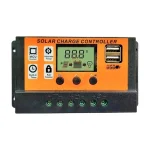
📷 Photo by walmart.com