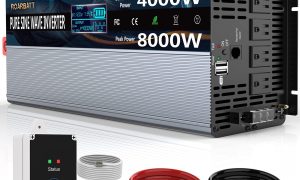

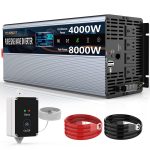


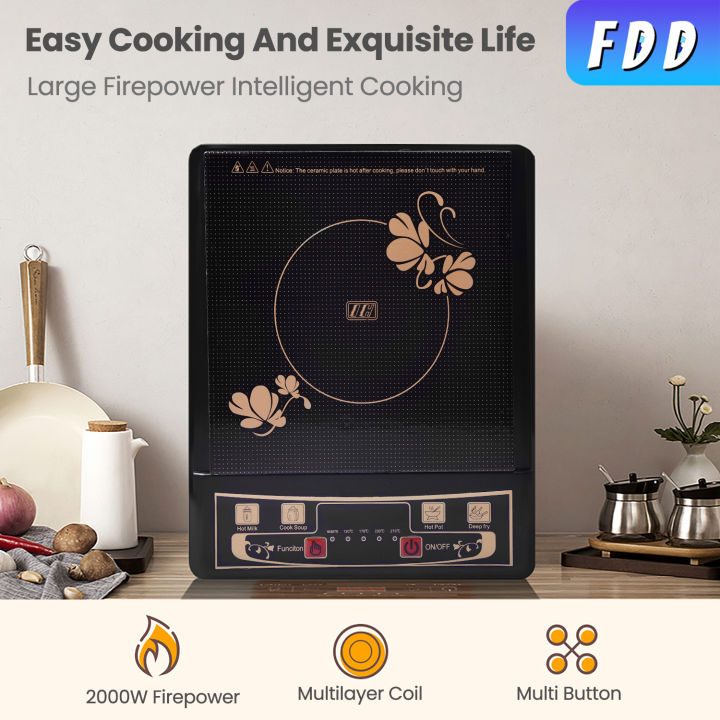
Vanonpower.com – To safely and effectively power an induction cooktop, you need an inverter with a continuous power rating of at least 20% to 50% higher than the cooktop’s maximum wattage, typically requiring a pure sine wave inverter ranging from 2,000 to 5,000 watts depending on the number of cooking zones in use.
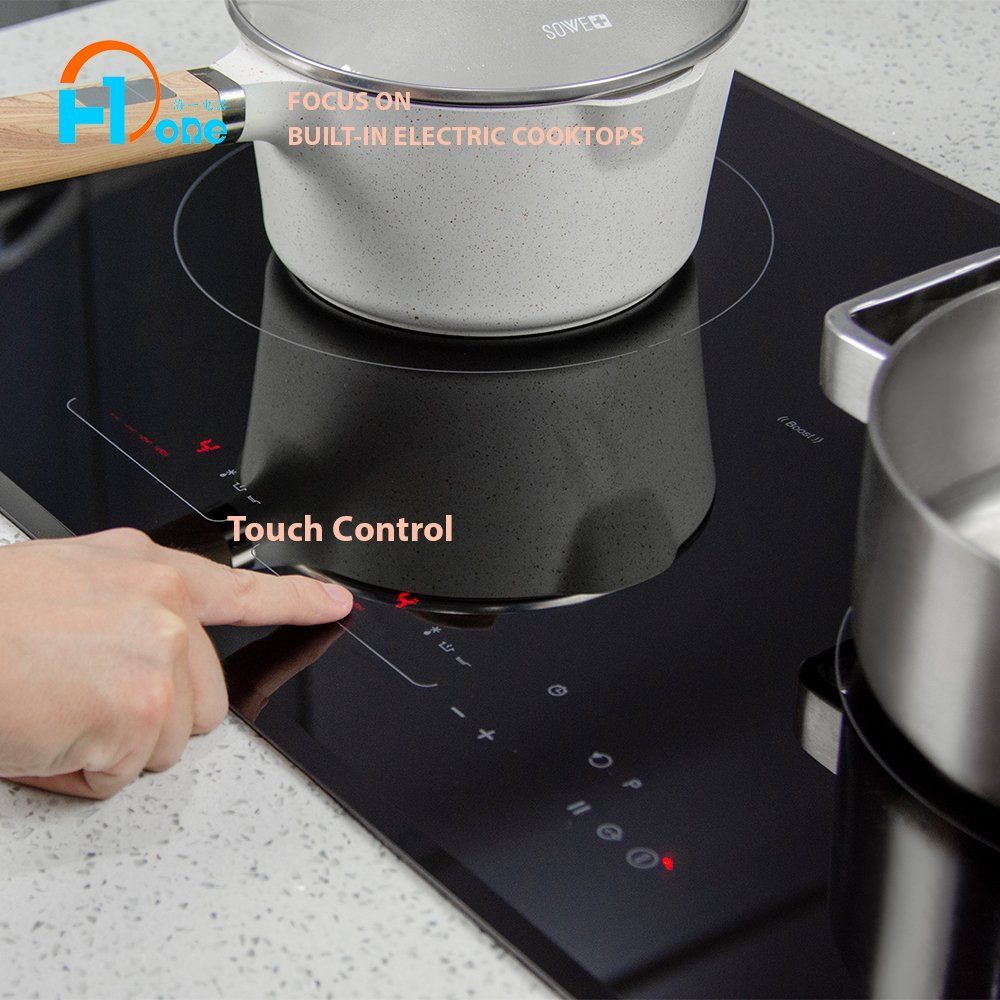
Induction cooktops are highly efficient, but they are also incredibly demanding on electrical systems due to their high instantaneous power draw. Unlike resistive heating elements, induction technology uses electromagnetic fields to heat cookware directly. This process requires a stable, clean power supply, which is why the quality of your inverter is just as important as its size.
Understanding Power Requirements
The primary challenge when sizing an inverter for an induction cooktop is the “surge” or “start-up” power, combined with the continuous load. Most induction cooktops feature multiple burners. If you have a two-burner unit, it might draw 1,800 watts at full power. However, if you have a full-sized four-burner kitchen cooktop, it can easily pull 6,000 to 7,000 watts if all zones are activated simultaneously.
You must check the nameplate or the user manual of your specific cooktop. Look for the “Total Rated Power” in watts. Do not confuse this with the voltage requirement. If your cooktop is rated for 3,000 watts, a 3,000-watt inverter will likely fail because it will be running at its absolute limit, leading to thermal shutdown or voltage drops that can damage sensitive internal electronics.
The Importance of Pure Sine Wave Inverters
Never attempt to run an induction cooktop with a modified sine wave inverter. Induction cooktops rely on complex internal circuitry and microprocessors to control the electromagnetic frequency. A modified sine wave inverter produces a “choppy” power output that can cause the cooktop’s electronics to buzz, overheat, or fail completely. A pure sine wave inverter provides clean, smooth power that mimics the electricity found in a standard home wall outlet, ensuring the cooktop functions as intended.
Comparison of Inverter Capacities for Induction Cooking
| Cooktop Type | Typical Wattage | Recommended Inverter Size | Battery Bank Requirement |
|---|---|---|---|
| Single Burner (Portable) | 1,000W – 1,500W | 2,000W Pure Sine | 100Ah Lithium (12V) |
| Double Burner (Built-in) | 2,500W – 3,500W | 4,000W Pure Sine | 200Ah Lithium (12V) or 100Ah (24V) |
| Full Four-Burner Unit | 5,000W+ | 6,000W+ Pure Sine | 400Ah+ Lithium (24V/48V) |
Steps to Properly Install and Size Your System
Calculating the size is only half the battle. You must also ensure that your battery bank and cabling can handle the current draw. Follow these steps to set up your system:
- Verify the total wattage: Add up the maximum power output of every burner on your cooktop. If the cooktop has a “power boost” feature, use that higher number for your calculations.
- Select the inverter: Choose a pure sine wave inverter that offers a continuous rating at least 25% higher than your total load to ensure efficiency and longevity.
- Assess battery capacity: High-wattage appliances drain batteries quickly. Ensure your battery bank is composed of Lithium (LiFePO4) batteries capable of high discharge rates to prevent voltage sagging.
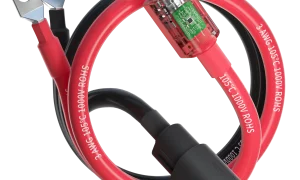
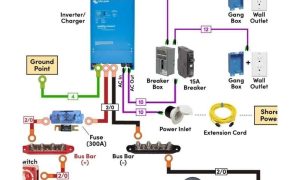
- Calculate cable gauge: High amperage requires thick, heavy-duty copper cabling. Use the shortest cable run possible between the batteries and the inverter to minimize voltage drop.
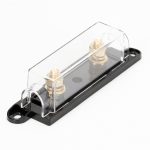
- Install a fuse: Always place a high-amperage fuse or circuit breaker between the battery bank and the inverter to protect against short circuits or catastrophic failures.
Common Mistakes to Avoid
One of the most frequent errors is assuming that you will never use all burners at once. While this might be true in practice, an inverter must be sized for the maximum potential load of the appliance. If you accidentally turn on two burners while the inverter is sized only for one, the inverter will instantly trip its overload protection.
Another common mistake is ignoring the voltage of the battery bank. If you are powering a 3,000-watt cooktop using a 12-volt battery system, you are drawing over 250 amps of current. This is extremely taxing on 12-volt systems. For any cooktop exceeding 2,000 watts, it is highly recommended to use a 24-volt or 48-volt battery system to keep the amperage at a manageable level and reduce the thickness of the required cabling.
Risks of Undersizing Your Inverter
Running an induction cooktop on an undersized inverter leads to several risks. First, the inverter may enter a “thermal protection” mode and shut down mid-cooking, which is frustrating. Second, the voltage drop caused by the high current draw can cause the inverter to signal a “low battery” alarm even when the battery is partially charged. Finally, repeatedly pushing an inverter to its maximum capacity shortens its lifespan significantly, potentially leading to a permanent failure of the unit’s internal capacitors or MOSFETs.
Frequently Asked Questions
Q: Can I use a 2,000-watt inverter for a 2,000-watt induction cooktop?
A: It is not recommended. Running an inverter at 100% capacity generates excessive heat and reduces efficiency. Always aim for at least 20-25% headroom to ensure the system runs cool and reliably.
Q: Why does my induction cooktop turn off when I turn the power level up?
📷 Photo by storage.googleapis.com
A: This is usually a sign of a voltage drop. When the cooktop pulls high power, the battery voltage dips below the inverter’s threshold, causing the inverter to shut down to protect the battery. Check your battery connections and ensure your cables are thick enough.
Q: Do I need a specific type of battery for induction cooking?
A: Yes, Lithium (LiFePO4) batteries are preferred. Lead-acid or AGM batteries struggle to provide the high-amperage, sustained discharge required for induction cooking and will suffer from a significant loss of usable capacity (Peukert effect) under such heavy loads.
📷 Photo by storage.googleapis.com