



Vanonpower.com – A LiFePO4 BMS low-temperature cutoff is a critical safety mechanism that prevents permanent chemical damage to the battery cells by disabling the charging circuit when ambient temperatures drop below freezing.
Lithium Iron Phosphate (LiFePO4) batteries are celebrated for their longevity, safety, and high energy density. However, they possess a significant Achilles’ heel: they cannot be charged in sub-zero temperatures. Unlike lead-acid batteries, which are relatively indifferent to cold during the charging process, LiFePO4 cells undergo a process called lithium plating if forced to accept a charge at or below 0°C (32°F).
The Science Behind Lithium Plating
When you attempt to charge a LiFePO4 battery in freezing conditions, the lithium ions do not move freely into the anode structure as they do at room temperature. Instead, the ions deposit themselves onto the surface of the anode in the form of metallic lithium. This process is known as lithium plating. Once these metallic deposits form, they are permanent and irreversible.
Over time, these deposits accumulate, leading to a significant loss of battery capacity and a drastic increase in internal resistance. In more severe cases, this plating can create dendrites—needle-like structures that grow inside the battery. If these dendrites grow long enough, they can puncture the separator between the anode and cathode, causing an internal short circuit and potentially leading to thermal runaway or fire.
Why a Dedicated BMS Cutoff is Non-Negotiable
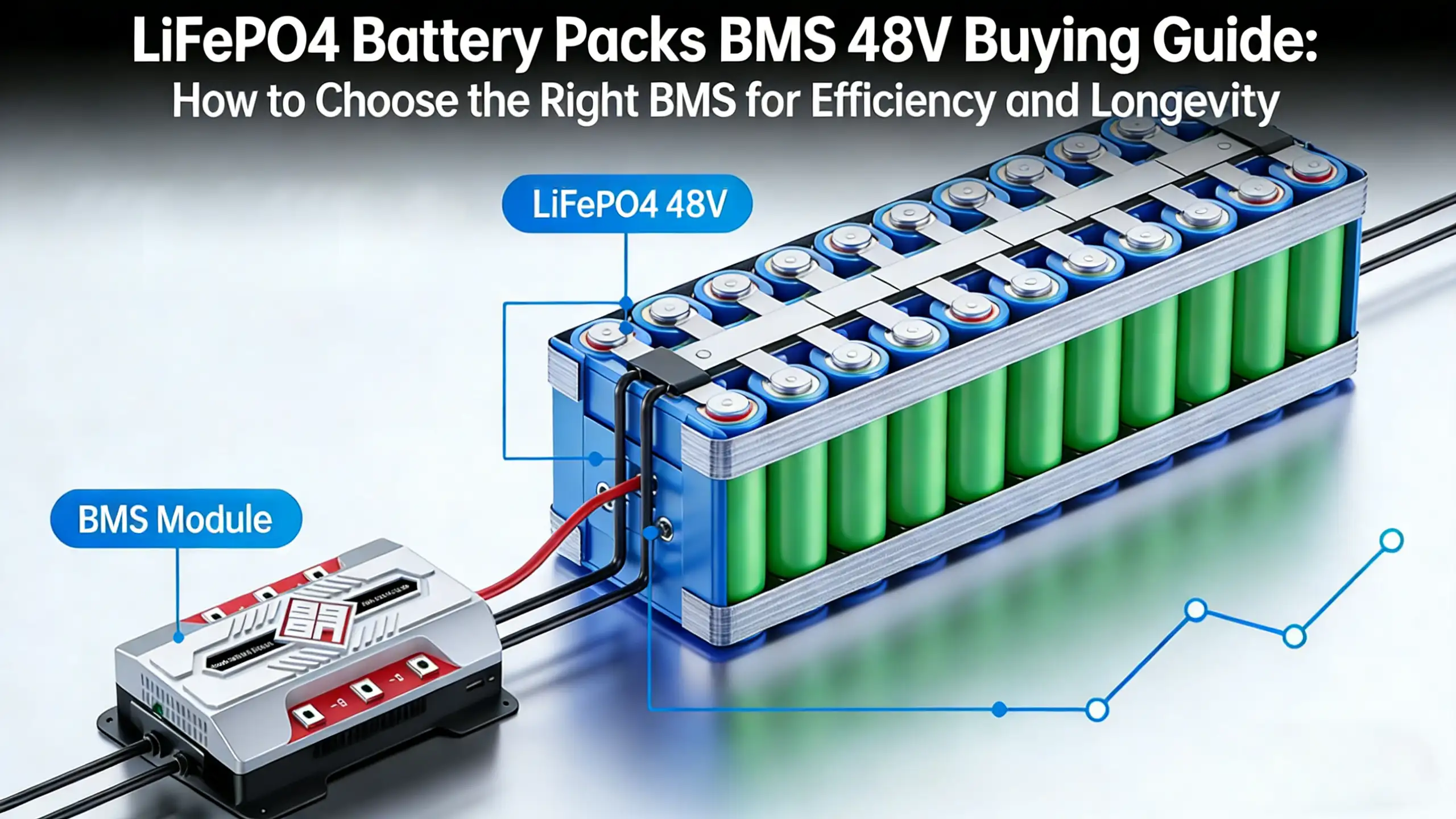
Many standard batteries lack built-in thermal protection, leaving the responsibility to the end-user. Relying on manual monitoring is a recipe for disaster, especially in off-grid solar setups, marine applications, or electric vehicles. A Battery Management System (BMS) with a low-temperature cutoff acts as an autonomous guardian.
The BMS continuously monitors the internal temperature sensors of the battery pack. The moment the sensor detects a temperature nearing 0°C, the BMS triggers an electronic switch to disconnect the charging path. Crucially, the BMS typically allows the battery to continue discharging. This distinction is vital, as you may still need to power your appliances even when the battery is too cold to receive a charge.
Comparison of Battery Protection Features
| Feature | Standard LiFePO4 Battery | LiFePO4 with Low-Temp Cutoff |
|---|---|---|
| Charging at -5°C | Risk of permanent damage | Charging disabled (Safe) |
| Discharging at -5°C | Safe (with capacity loss) | Safe (with capacity loss) |
| User Intervention | Required (Manual monitoring) | None (Automatic) |
| Longevity | Lower in cold climates | High (Preserves cycle life) |
How to Ensure Your System is Protected
If you are planning to use LiFePO4 batteries in an environment that experiences freezing temperatures, you must verify the specific capabilities of your BMS. Follow these steps to ensure your system is properly safeguarded against cold weather risks.
Read also: How Many Solar Panels Do I Need to Charge a 200Ah Battery in One Day?
- Check the manufacturer specifications of your battery to confirm the presence of a hardware-based low-temperature cutoff.
- Install a temperature probe in direct contact with the battery cells, as ambient air temperature often differs from the internal core temperature of the battery.
- Integrate a secondary heating solution, such as a heating pad or a battery compartment heater, which can be activated by the BMS to bring the cells back to a safe charging temperature.
- Test the cutoff functionality if your BMS software allows for simulation or manual configuration to ensure the disconnect circuit triggers at the correct setpoint.
Common Mistakes and Misconceptions
A common mistake is assuming that because a battery is rated for a wide range of temperatures, it can be charged anywhere. Always distinguish between discharge temperature and charge temperature. Discharging a LiFePO4 battery in the cold is generally safe, though you will notice a temporary drop in capacity and voltage output. Charging, however, is where the strict threshold exists.
Another error is placing the battery in an insulated box without considering that the heat generated by the battery during discharge might not be enough to keep it warm during a long, cold night. Without active heating, the battery will eventually reach ambient temperature, and the BMS will be forced to cut off charging once the sun comes up to hit your solar panels.
Risks of Ignoring Temperature Limits
Ignoring the low-temperature cutoff requirement often results in “silent” battery failure. You might not see a fire or an explosion immediately, but you will notice the battery failing to hold a charge after only a few dozen cycles. This is the direct result of lithium plating reducing the active surface area of the electrodes. By the time you notice the capacity loss, the damage is already done, and the battery is effectively ruined.
📷 Photo by walmart.com
Q: Can I manually charge my battery in the cold if I do it slowly?
A: No. Even at very low current, charging LiFePO4 batteries at freezing temperatures causes lithium plating. The chemical reaction is fundamentally inhibited by the cold, regardless of the charging speed.
Q: Will my battery be damaged if it is stored in the cold without being charged?
A: Storage in cold temperatures is generally fine, provided the battery is not being charged. Ensure the battery is disconnected from any chargers before temperatures drop to freezing.
Q: Does the BMS low-temperature cutoff affect the discharge process?
A: Generally, no. A high-quality BMS is designed to cut off only the charging path while allowing discharge to continue, ensuring you do not lose power to your devices just because the temperature dropped.
Investing in a battery with a reliable low-temperature cutoff is the single most effective way to protect your investment. Whether you are building a solar shed in the mountains or a camper van for winter travel, the BMS is the primary defense against the inevitable chemistry of lithium. Do not compromise on this feature; the cost of a replacement battery far outweighs the cost of a sophisticated, protected BMS.
📷 Photo by ayaatech.com