



Vanonpower.com – The temperature coefficient of a solar panel represents the percentage decrease in power output for every degree Celsius rise in temperature above the standard test condition of 25 degrees Celsius. Understanding this metric is critical for accurately predicting the real-world performance of a solar energy system in hot climates.
What is the Temperature Coefficient?
Solar panels are tested under controlled laboratory conditions known as Standard Test Conditions (STC), which assume a cell temperature of 25 degrees Celsius. However, solar panels rarely operate at this temperature in the field. When sunlight hits a panel, it generates both electricity and heat. As the temperature of the semiconductor material rises, the voltage produced by the cells drops significantly, leading to a loss in overall power efficiency.
The temperature coefficient, usually expressed as a negative percentage per degree Celsius (%/°C), quantifies this loss. A lower absolute number—meaning a value closer to zero—indicates a higher quality panel that maintains its efficiency better under heat stress. For instance, a panel with a coefficient of -0.30%/°C will lose less power in the midday sun than a panel with a coefficient of -0.45%/°C.
Why Temperature Matters for System Design
Many homeowners and business owners make the mistake of choosing solar panels based solely on their STC power rating. This can lead to disappointment when the system underperforms during peak summer months. If you live in a region with high ambient temperatures, the temperature coefficient should be one of the most important metrics you evaluate alongside the efficiency rating.
Heat-related performance degradation is not a defect; it is a physical limitation of silicon-based photovoltaic technology. As the solar cells heat up, the internal resistance increases, and the bandgap of the semiconductor narrows. This reduces the voltage that the cell can produce. If you ignore this factor, your solar array may fail to meet the energy production targets you calculated during the planning phase.
Common Temperature Coefficient Values
The following table illustrates how different solar cell technologies typically perform regarding their temperature coefficients. These values help in comparing the thermal stability of various panel types.
| Panel Technology | Typical Temperature Coefficient (%/°C) | Thermal Performance |
|---|---|---|
| Monocrystalline (Standard) | -0.35% to -0.40% | Good |
| Monocrystalline (Premium/N-Type) | -0.25% to -0.30% | Excellent |
| Polycrystalline | -0.40% to -0.45% | Average |
| Thin Film (Amorphous) | -0.20% to -0.25% | Superior |
How to Calculate Expected Power Loss
To determine how much your system might lose on a hot day, you need to estimate the operating temperature of your panels. On a sunny day with an ambient temperature of 35°C, your solar panels can easily reach 65°C due to direct sunlight and lack of airflow. The calculation follows a specific sequence to find the real-world output.
- Identify the temperature coefficient on your spec sheet (e.g., -0.35%/°C).
- Calculate the temperature difference from the standard 25°C (e.g., 65°C – 25°C = 40°C difference).
- Multiply the temperature difference by the coefficient (e.g., 40 multiplied by 0.35 = 14% loss).
- Apply this percentage to your panel’s rated power to see the expected output at that specific temperature.
Practical Tips for Minimizing Heat Loss

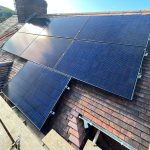
📷 Photo by us.solarpanelsnetwork.com
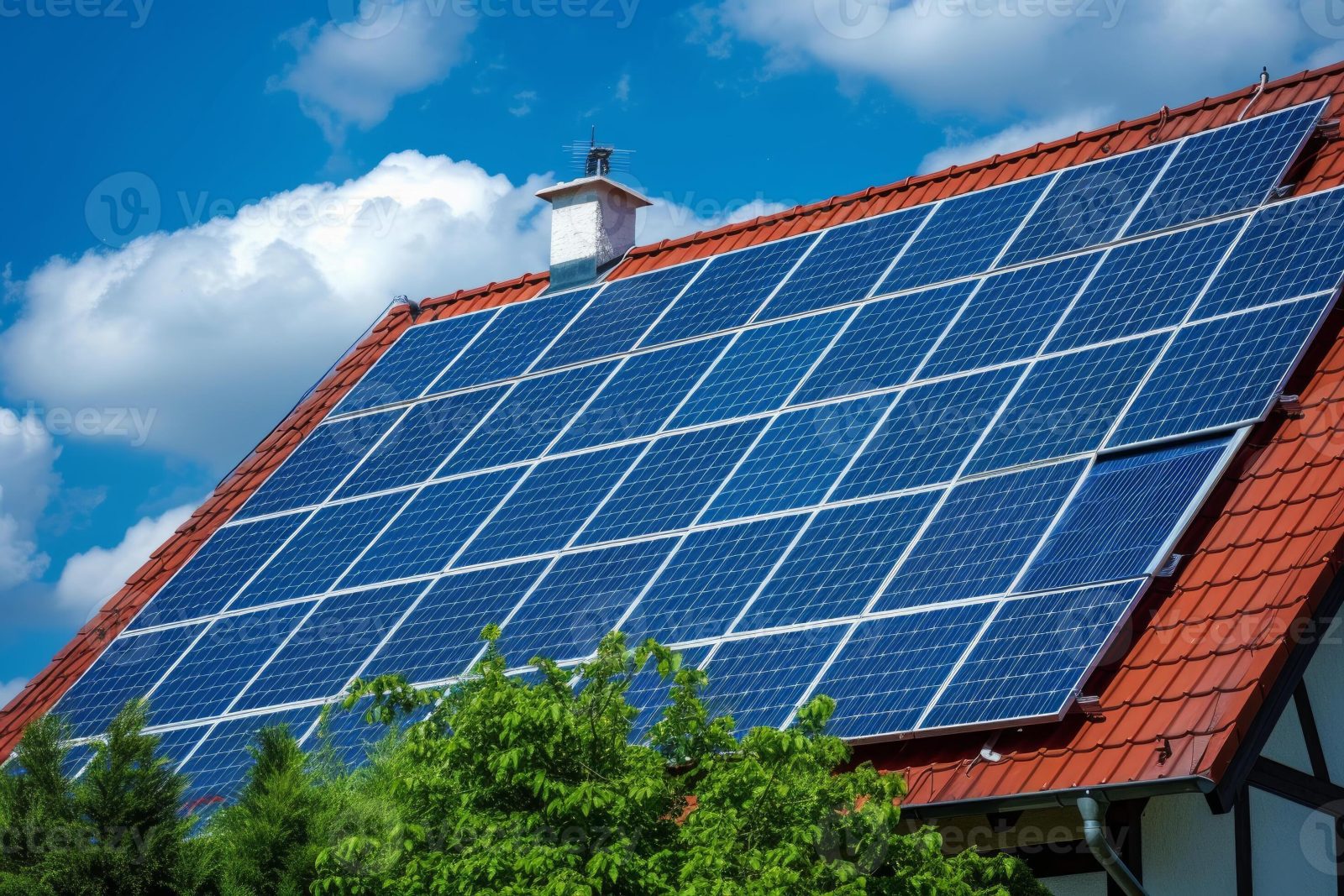
Beyond choosing panels with a superior temperature coefficient, you can implement design strategies to keep your system cool. The most effective method is ensuring proper ventilation. Panels mounted flush against a roof trap heat underneath them. Using mounting systems that provide at least four to six inches of clearance between the roof and the panels allows air to circulate, which helps dissipate heat.
Another factor is the color and material of your mounting surface. Light-colored roofs reflect less heat than dark ones, but the primary concern remains airflow. Additionally, in very hot climates, choosing N-Type monocrystalline panels is often the best investment because they are specifically engineered to have a lower temperature coefficient than standard P-Type panels.
Common Mistakes to Avoid
Do not assume that all high-wattage panels are equal. A 400-watt panel with a poor temperature coefficient may perform worse than a 380-watt panel with an excellent temperature coefficient in a desert environment. Always look at the datasheet section titled “Temperature Characteristics.”
Another error is neglecting the impact of voltage drops on string inverters. When temperatures are extremely high, the voltage drop can push the system outside the operating window of the inverter, potentially causing the system to shut down or operate inefficiently. Always ensure your installer performs a voltage drop calculation based on the hottest expected day of the year in your specific geographic location.
Frequently Asked Questions
Q: Does the temperature coefficient apply to both voltage and current?
📷 Photo by vecteezy.com
A: The temperature coefficient primarily affects voltage (Voc). Current (Isc) actually increases slightly with temperature, but this increase is very small and is vastly overshadowed by the significant decrease in voltage, resulting in a net loss of total power.
Q: Is it better to have a higher or lower temperature coefficient?
A: You want the lowest possible absolute number. Since the values are negative, a coefficient like -0.25%/°C is better than -0.45%/°C, as it indicates a smaller loss of power as the temperature increases.
📷 Photo by energyefficiency.ie
Q: Can I use fans to cool my solar panels?
A: While technically possible, it is generally not cost-effective or practical. Passive cooling through proper installation, shading mitigation, and choosing high-quality panels with low temperature coefficients is a much more reliable and maintenance-free approach.
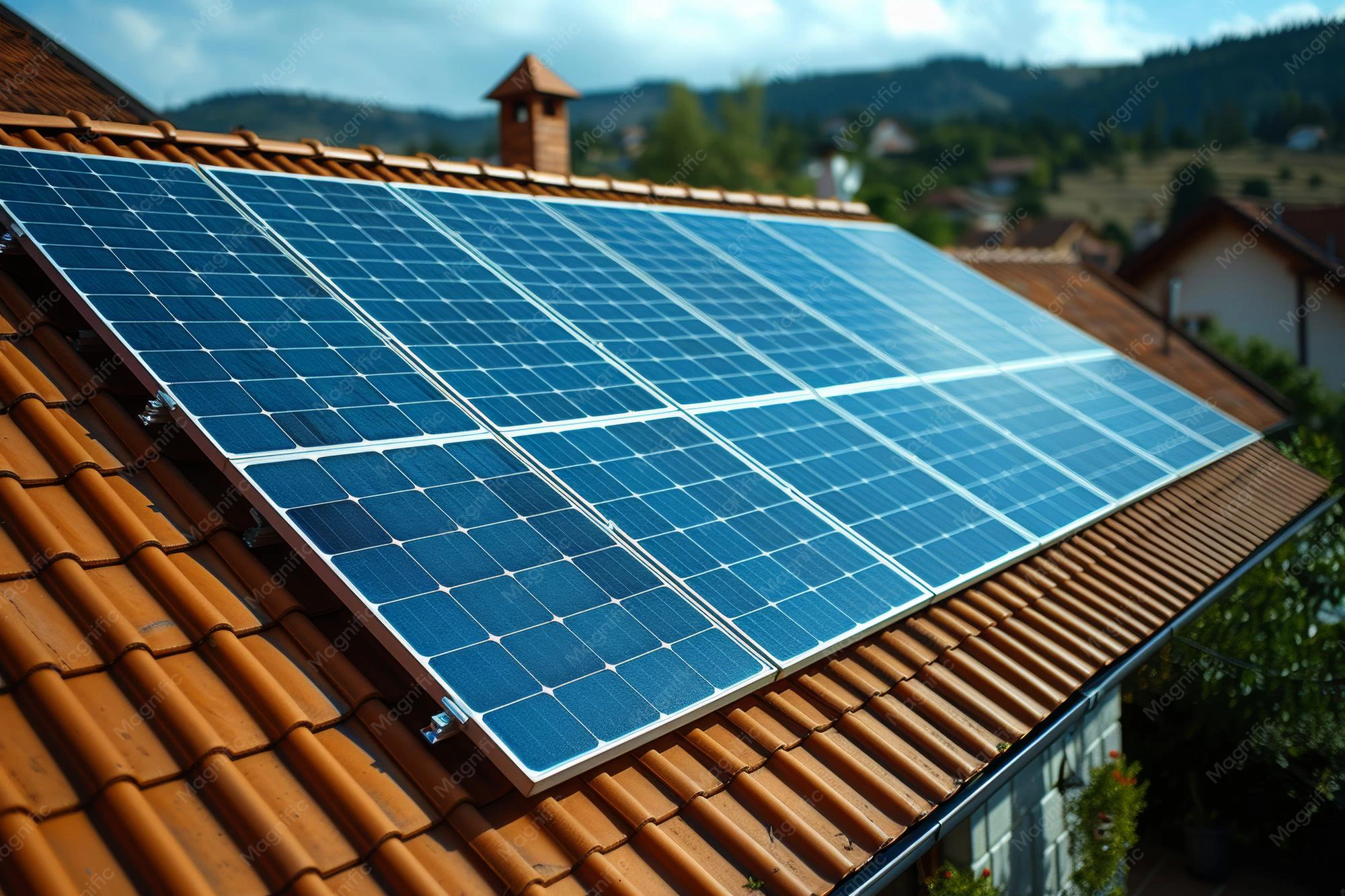
📷 Photo by freepik.com