

Vanonpower.com – A 200W solar panel typically produces between 20W to 50W of power on a cloudy day, representing a 75% to 90% reduction in output compared to its peak performance under direct sunlight.
Solar panels rely primarily on solar irradiance—the intensity of sunlight hitting the surface—rather than ambient light alone. When clouds obscure the sun, they block the direct beams (photons) necessary to excite the electrons in the photovoltaic cells. While modern panels are designed to capture some diffuse light, the energy conversion efficiency drops significantly as the cloud cover thickens.
Understanding Solar Irradiance and Cloud Cover
The performance of a 200W panel is measured under Standard Test Conditions (STC), which assumes 1,000 watts of sunlight per square meter. On a clear, sunny day, you might get close to the rated 200W. However, clouds act as a physical barrier. Light clouds or thin haze may only reduce efficiency by 10% to 25%, while thick, dark storm clouds can reduce output to nearly zero, as the panel can no longer distinguish between day and night in terms of power generation.
It is a common misconception that solar panels stop working entirely when it is cloudy. In reality, they continue to produce electricity through diffuse radiation. This is the light that scatters off water droplets and ice crystals in the atmosphere. While this is enough to keep a trickle charge going for a battery bank, it is rarely sufficient to power high-draw appliances directly.
Factors Influencing Cloudy Day Efficiency
Several variables determine how much energy your panel captures when the sky is gray. The type of solar cell technology is the most prominent factor. Monocrystalline panels, which are standard for most 200W kits, generally perform better in low-light conditions compared to older polycrystalline models. Additionally, the angle of the panel plays a role; if the panel is tilted toward the brightest part of the sky rather than sitting flat, it can often capture more diffuse light.
Temperature also plays a surprising role. Solar panels actually operate more efficiently in cooler temperatures. If a cloudy day is also quite cold, the panel might regain a small percentage of its lost efficiency, though this rarely offsets the massive drop caused by the lack of direct sunlight.
Comparative Output Estimates
To give you a better idea of what to expect, the following table outlines the approximate power output of a 200W solar panel based on different weather scenarios:
| Weather Condition | Estimated Power Output | Performance Percentage |
|---|---|---|
| Clear, Direct Sunlight | 180W – 200W | 90% – 100% |
| Light Clouds / Haze | 80W – 120W | 40% – 60% |
| Heavy Overcast | 20W – 50W | 10% – 25% |
| Stormy / Very Dark Clouds | 5W – 15W | 2% – 7% |
Practical Steps to Maximize Energy Harvest
If you are relying on solar power for off-grid living or camping, you must adapt your usage habits to account for lower production on cloudy days. Follow these steps to optimize your setup:
- Clear any obstructions: Even on cloudy days, any shade from trees or buildings will drastically reduce the already limited output. Ensure the panel has a clear view of the sky.
- Adjust the tilt angle: If possible, manually tilt your panel toward the brightest area of the sky rather than keeping it flat, which helps catch more diffuse light.
- Clean the surface: Dirt, dust, or pollen on the glass surface can block the small amount of light available during overcast weather. Wipe the panel down with a damp, non-abrasive cloth.
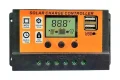
- Use a Maximum Power Point Tracking (MPPT) controller: An MPPT charge controller is much more efficient than a standard PWM controller at converting low-voltage input from the panels into the voltage needed to charge your batteries.
- Monitor your consumption: Switch off non-essential devices during cloudy spells to prevent draining your battery bank below the recommended depth of discharge.
Common Mistakes and Risks
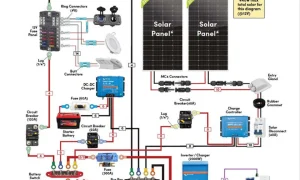
One of the biggest mistakes users make is assuming that adding more panels will solve the problem without upgrading the rest of the system. While adding more 200W panels will increase your total harvest, you must ensure your charge controller can handle the increased amperage. Another risk is “system starvation.” If you continue to draw high wattage from your batteries during a multi-day cloudy stretch without replenishment, you risk deep-discharging your batteries, which can permanently reduce their lifespan, especially with lead-acid or AGM variants.
Furthermore, do not be tempted to use “booster” devices that claim to force more power out of panels during low light. These are often marketing gimmicks. Solar energy is limited by physics; if the photons are not hitting the silicon cells, the electricity cannot be generated. Focus instead on energy conservation and proper storage.
Frequently Asked Questions
Q: Will my solar panel charge my battery at all if it is raining?
A: Yes, but the output will be minimal. It may provide a very slow trickle charge, likely not enough to sustain heavy usage, but it can prevent the battery from self-discharging.
Q: Does the color of the cloud affect solar production?
A: Yes. Thicker, darker clouds contain more water vapor and are denser, which blocks more light. White, fluffy clouds allow more light to pass through and can occasionally even cause a temporary “reflection effect” that boosts output briefly.
Q: Is it better to have a larger battery bank or more panels for cloudy areas?
A: In areas with frequent cloud cover, it is better to prioritize a larger battery bank to store energy during sunny periods and over-provision your solar array (add more panels than you think you need) to ensure that even a 20% efficiency output provides enough wattage to keep your system running.
Conclusion
Managing expectations is key when using 200W solar panels in unpredictable weather. By understanding that your output will likely drop to 25% or less during heavy cloud cover, you can better design your energy system. Always prioritize an efficient charge controller and ensure your battery capacity is sufficient to bridge the gaps caused by dark, cloudy days.
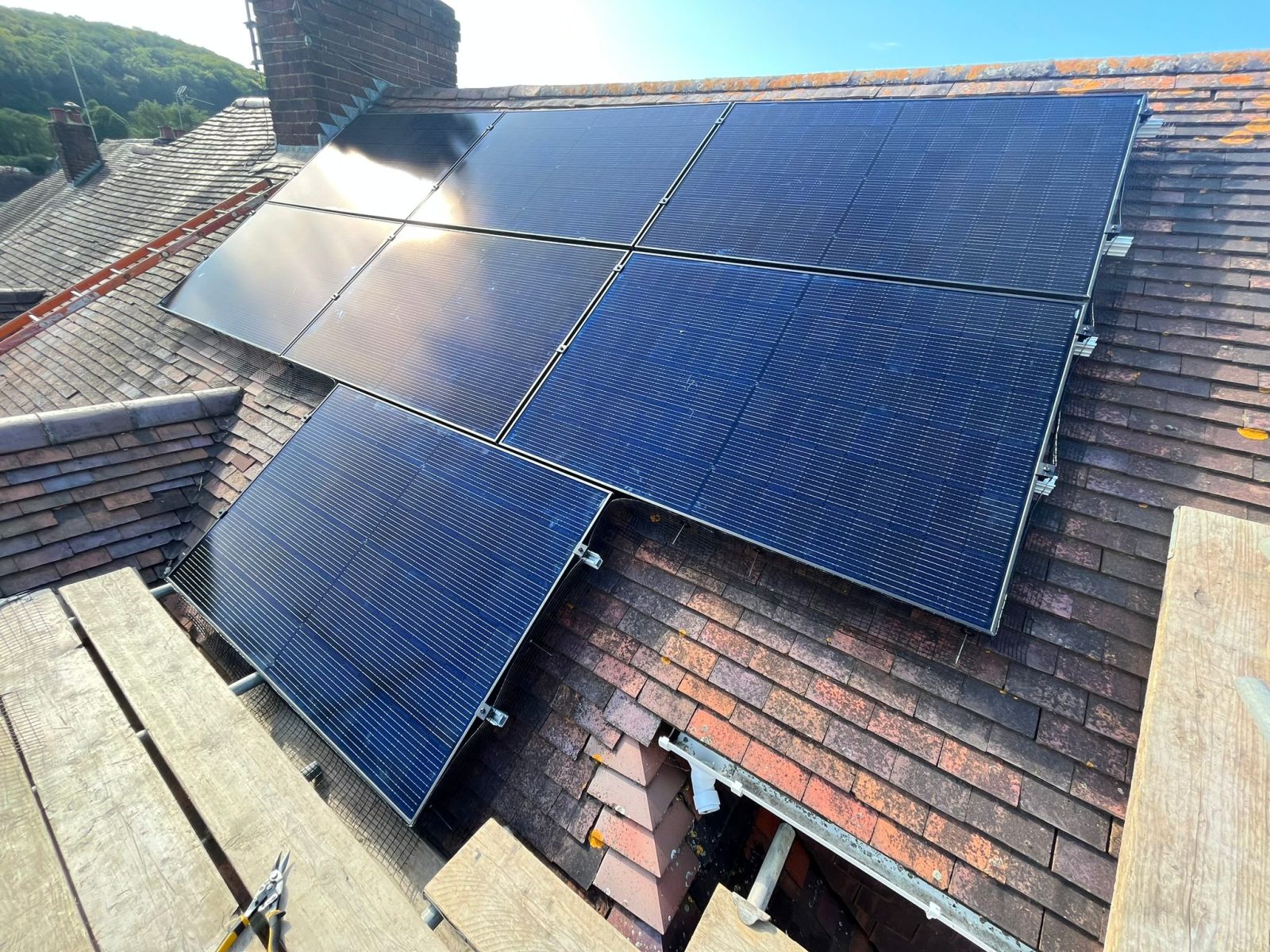
📷 Photo by solarservice.uk