


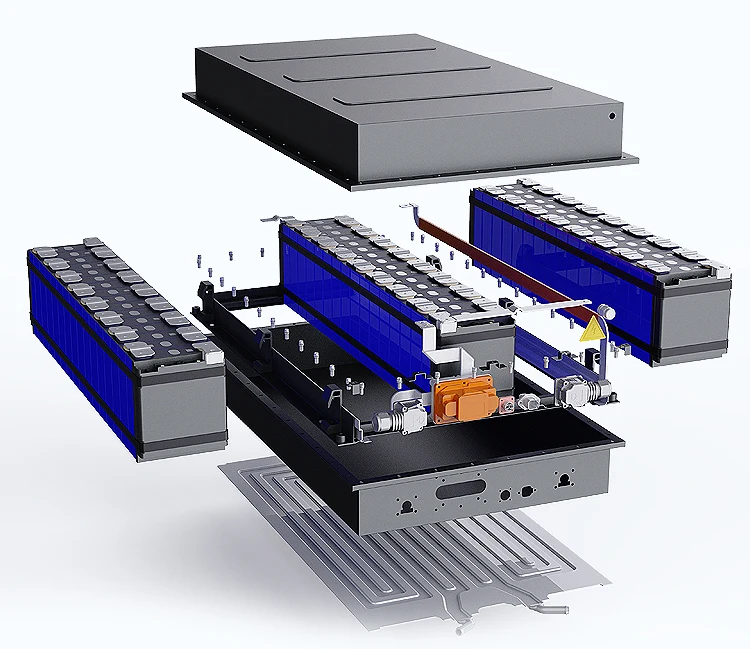
Vanonpower.com – Series battery wiring increases the total voltage of the system while keeping the capacity constant, whereas parallel wiring increases the total capacity (amp-hours) while maintaining the same voltage level.
Understanding the fundamental difference between series and parallel configurations is essential for anyone designing a battery bank, whether for solar power systems, electric vehicles, or off-grid living. Choosing the wrong configuration can lead to inefficient power delivery or, in extreme cases, damage to your connected equipment and battery cells.
The Core Concept of Series Wiring
When you connect batteries in series, you are linking the positive terminal of one battery to the negative terminal of the next. This arrangement forces current to flow through each battery sequentially. The most significant result of this configuration is an additive effect on voltage. If you connect two 12V 100Ah batteries in series, the resulting system operates at 24V, but the total capacity remains at 100Ah.
Series wiring is typically used when your inverter or charge controller requires a higher voltage input to operate efficiently. By increasing the voltage, you can also reduce the current (amperage) flowing through your cables, which allows for the use of thinner, more affordable wiring without suffering from significant voltage drop or overheating risks.
The Core Concept of Parallel Wiring
Parallel wiring involves connecting all positive terminals together and all negative terminals together. Unlike series wiring, this configuration keeps the voltage consistent with that of a single battery while multiplying the total storage capacity. If you connect two 12V 100Ah batteries in parallel, the system remains at 12V, but the total capacity increases to 200Ah.
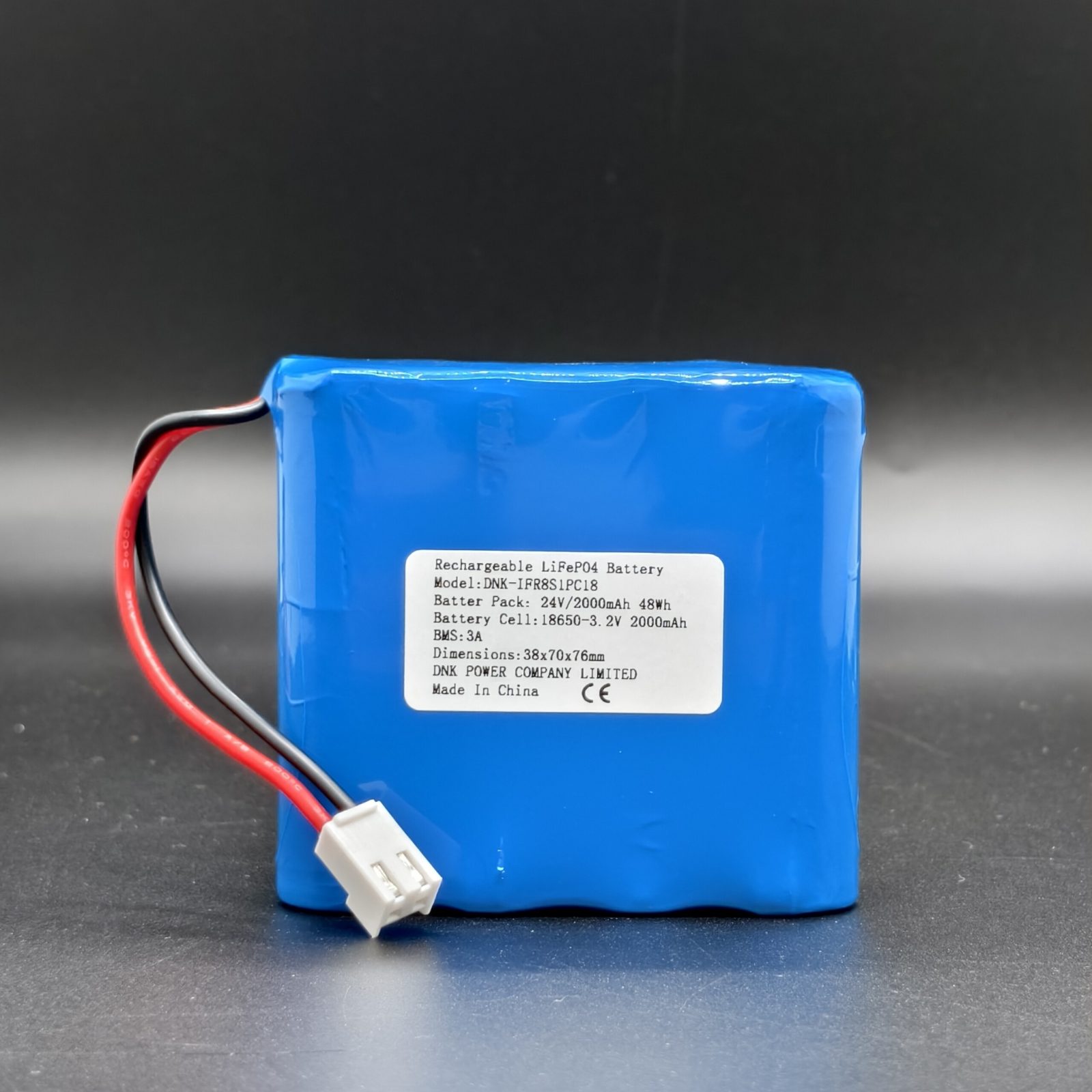
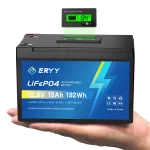
📷 Photo by dnkpower.com
This setup is ideal for applications that require long runtimes without the need for high-voltage power. By keeping the voltage low, you ensure compatibility with standard 12V appliances and lighting systems. However, parallel systems require thicker cabling to handle the higher amperage generated by the combined capacity.
Comparison Table: Series vs. Parallel
| Feature | Series Connection | Parallel Connection |
|---|---|---|
| Voltage | Additive (V1 + V2) | Remains the same |
| Capacity (Ah) | Remains the same | Additive (Ah1 + Ah2) |
| Total Power (Wh) | Increases | Increases |
| Best Use Case | High voltage appliances | Longer runtime at low voltage |
How to Safely Wire Your Battery Bank
Before you begin, ensure that all batteries are of the same brand, chemistry, capacity, and state of charge. Mixing different types or ages of batteries can lead to uneven charging and premature failure. Follow these steps to set up your configuration correctly:
- Verify that the total voltage of your battery bank matches the input requirements of your inverter or equipment.
- For series connections, connect a jumper cable from the positive terminal of the first battery to the negative terminal of the second battery.
- For parallel connections, connect a cable between all positive terminals, then connect a separate cable between all negative terminals.
- Use a digital multimeter to measure the final voltage across the main positive and negative terminals before connecting any load.
- Tighten all terminal connections securely with the appropriate torque to prevent resistance and heat buildup.
Common Mistakes and Risks
One of the most frequent errors in battery management is mixing batteries of different ages. When you connect an old battery with a new one in series, the old battery acts as a bottleneck, limiting the performance and lifespan of the entire system. The charger will often terminate the cycle early because it detects the lower capacity of the older unit, leaving the newer batteries undercharged.
Another risk is failing to account for wire gauge. In parallel systems, the total amperage increases significantly. If you use thin wires, they may act like a fuse, melting or catching fire under high load. Always calculate the maximum discharge current of your bank and choose cables rated for that specific amperage.
Managing State of Charge
Maintaining balance is critical for the health of your battery bank. In series strings, if one battery falls out of sync with the others, it may become deeply discharged while the others remain full. This leads to cell reversal, which can permanently destroy the battery. Using a battery balancer or a high-quality Battery Management System (BMS) is highly recommended to monitor individual cell voltages and ensure they remain equalized during both charging and discharging cycles.
If you are building a very large system, you might encounter a “series-parallel” configuration. This is where you connect groups of batteries in series to achieve the target voltage, and then connect those strings in parallel to increase the total capacity. This hybrid approach is common in large solar installations where both high voltage and high energy storage are required simultaneously.
Read also: LiFePO4 State of Charge Chart: Voltage to Percentage Guide
Frequently Asked Questions
Q: Can I mix different battery brands in the same bank?
A: It is strongly discouraged. Different brands often have different internal resistance and charging profiles, which will cause the batteries to discharge and charge at different rates, leading to system imbalance.
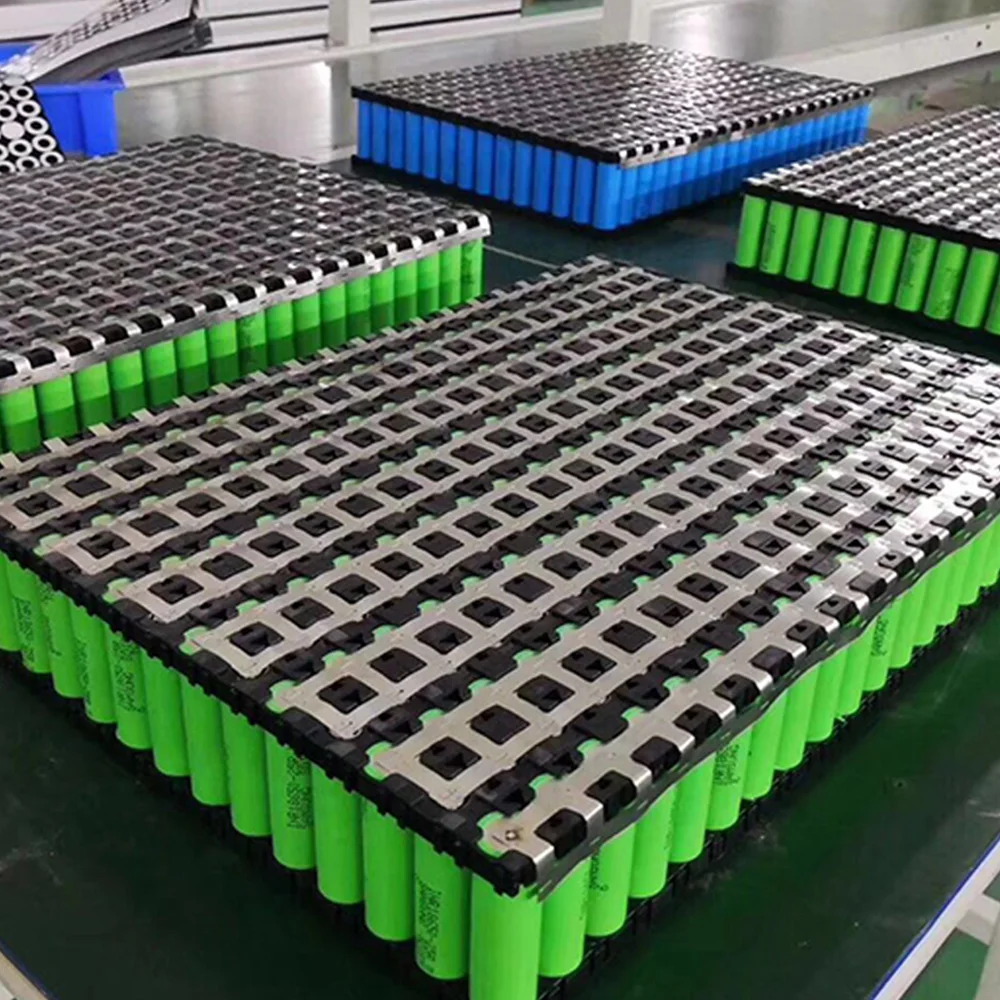
📷 Photo by batteryinc.in
Q: Does wiring in series make the batteries charge faster?
A: No. Charging speed depends on the power output of your charger. Series wiring changes the voltage level, but the total energy (Watt-hours) required to fill the bank remains the same.
Q: What happens if one battery fails in a series configuration?
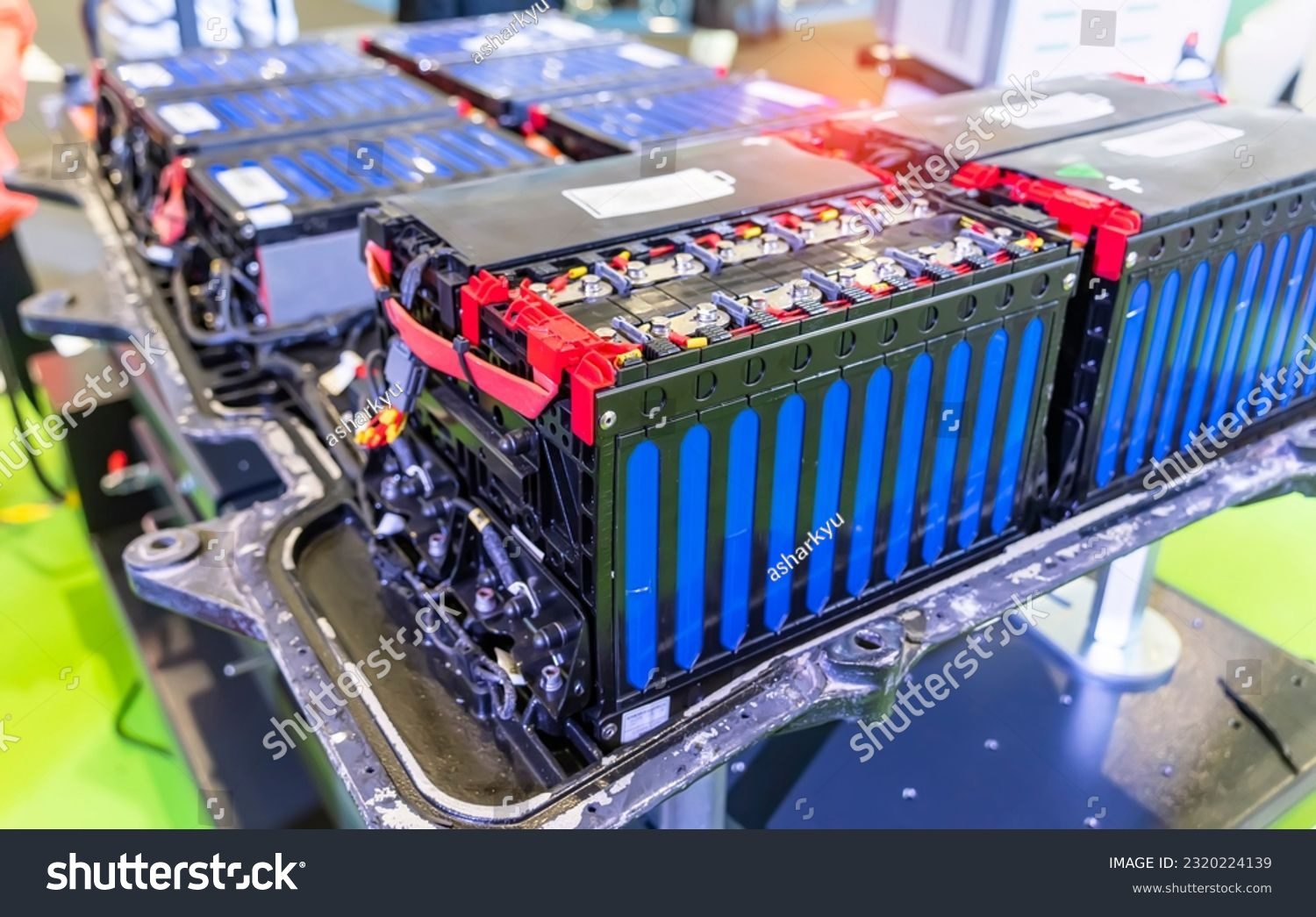
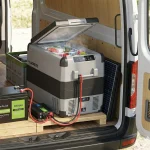
📷 Photo by shutterstock.com
A: If one battery fails (open circuit), the entire chain will stop working because the electrical path is broken. If it fails by shorting internally, the total voltage of the system will drop significantly, potentially damaging the remaining batteries.
Ultimately, the choice between series and parallel depends entirely on your specific hardware requirements. If your inverter demands 24V or 48V, series is your only option. If you are powering a simple 12V lighting system and want to double your runtime, parallel is the way to go. Always prioritize safety, use proper fusing for every positive connection, and keep your connections clean and tight to maximize the longevity of your investment.
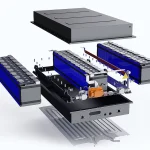
📷 Photo by ctspowerbattery.com