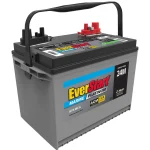


Vanonpower.com – To power a 3000-watt inverter effectively, you typically need a battery bank with at least 250 to 500 Amp-hours (Ah) of capacity at 12V to handle the high current draw and provide a reasonable runtime. The exact requirement depends heavily on your intended load, the depth of discharge (DoD) limitations of your battery chemistry, and how long you need the system to run without recharging.
Understanding the Power Demand
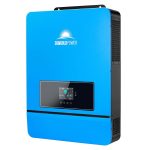
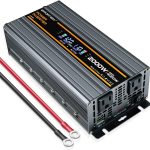
A 3000-watt inverter is a heavy-duty piece of equipment capable of running high-draw appliances like microwaves, coffee makers, or power tools. The fundamental challenge with such an inverter is the current draw. When pulling 3000 watts from a 12V battery system, the current draw is approximately 250 amps, excluding inverter efficiency losses. This is a massive load for a single battery to handle and can cause rapid voltage drops if the battery bank is undersized.
The Math Behind Battery Capacity
Calculating the required Amp-hours involves looking at the Watt-hours (Wh) you need. If you plan to run a 1000-watt load for one hour, you consume 1000Wh. In a 12V system, that is roughly 83 Amp-hours of usage. However, you must account for the Depth of Discharge. Lead-acid batteries should generally not be discharged beyond 50 percent, while Lithium Iron Phosphate (LiFePO4) batteries can safely go to 80 or 90 percent. Ignoring these limits will drastically shorten the lifespan of your battery bank.
Battery Capacity Comparison Table
| Battery Type | Recommended Capacity (for 3000W) | Safe Discharge Limit | Weight/Efficiency |
|---|---|---|---|
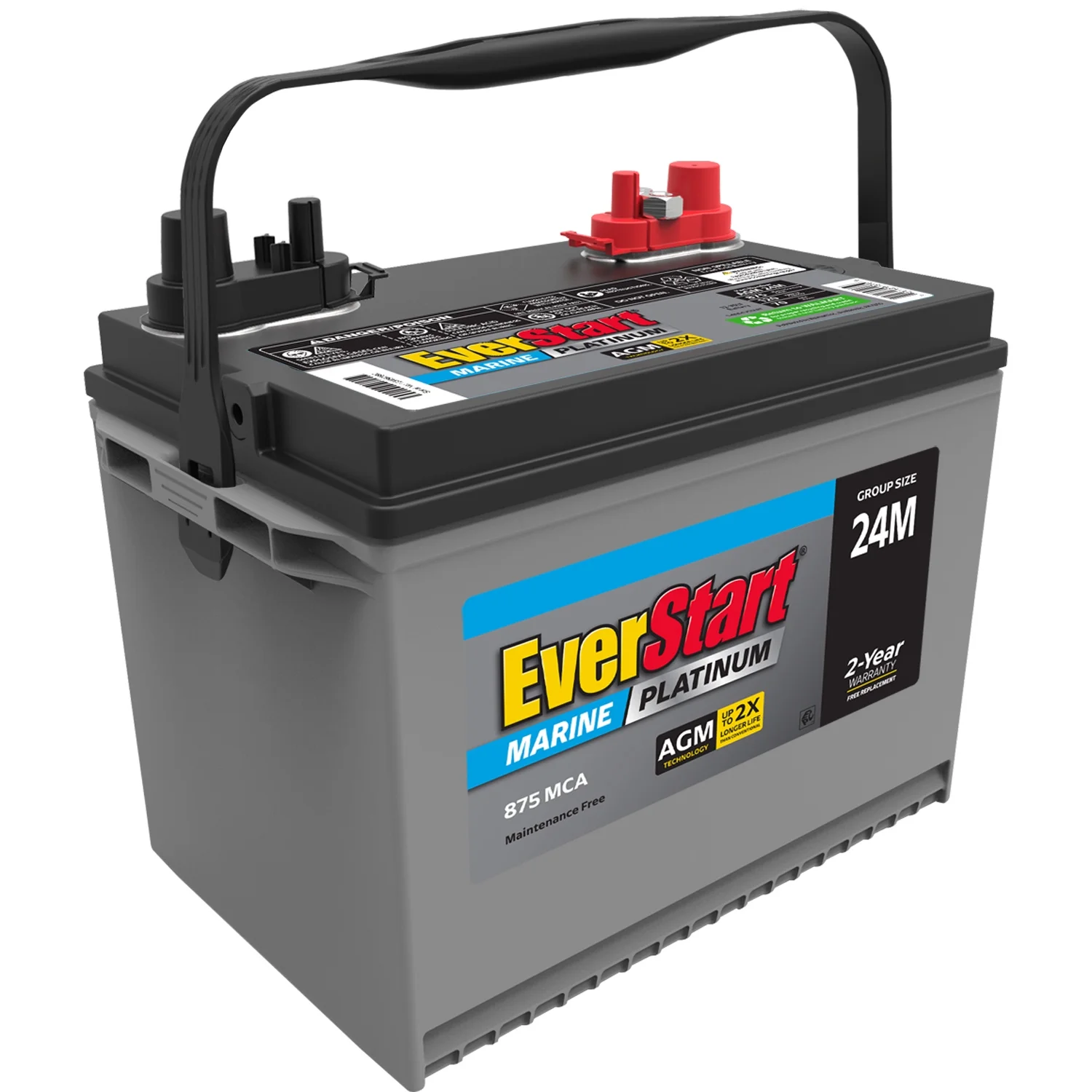
| Lead-Acid (AGM) | 600Ah – 800Ah | 50% | Heavy, lower cycle life |
| LiFePO4 (Lithium) | 250Ah – 300Ah | 80% – 90% | Lightweight, high cycle life |
| Gel Battery | 500Ah – 600Ah | 50% – 60% | Moderate, temperature sensitive |
Common Mistakes in Battery Sizing
One of the most frequent errors is ignoring the C-rating of the battery. The C-rating defines how fast a battery can safely discharge. If you have a 100Ah battery with a 1C rating, it can provide 100 amps for an hour. If you try to pull 250 amps from that single battery to feed your 3000-watt inverter, you will likely trigger the battery’s internal protection circuit or cause irreversible chemical damage. Always ensure your total battery bank’s combined C-rating exceeds the maximum continuous current draw of your inverter.
Steps to Calculate Your Specific Needs
To determine exactly what you need for your specific setup, follow this systematic approach:
- List every appliance you intend to run simultaneously and add up their total wattage.
- Multiply the total wattage by the number of hours you expect to run them daily to get your total Watt-hour (Wh) consumption.
- Divide the total Wh by your system voltage (e.g., 12V, 24V, or 48V) to get the required Amp-hours.
- Divide that number by the maximum safe Depth of Discharge (DoD) for your battery type (e.g., 0.5 for AGM or 0.8 for Lithium).
- Add a 20 percent buffer to account for inverter inefficiency and potential voltage sag under heavy loads.
The Voltage Advantage
While many users start with 12V systems, a 3000-watt inverter is much more efficiently supported by a 24V or 48V battery bank. At 12V, a 3000W load pulls 250A, requiring extremely thick, expensive copper cabling to prevent overheating and voltage drop. At 24V, that same load only draws 125A, and at 48V, it drops to roughly 62.5A. Moving to a higher voltage system allows you to use thinner wires and significantly improves the overall efficiency of your power delivery.
Safety Considerations
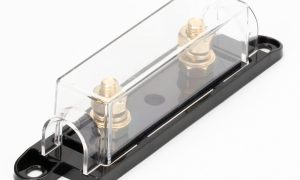
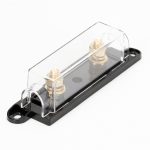
When operating a 3000-watt system, heat is your primary enemy. Ensure that all terminal connections are tight and that you use fuses rated specifically for the high amperage of your system. A loose connection under a 250-amp load can create an arc, potentially leading to a fire. Always install a fuse between the battery bank and the inverter, sized according to the inverter manufacturer’s recommendations, usually located as close to the positive battery terminal as possible.
Monitoring and Maintenance
Installing a battery monitor that tracks current in and out (a shunt-based monitor) is essential for a system of this size. Voltage-based indicators are notoriously inaccurate under heavy loads because the battery voltage will sag artificially while the inverter is pulling power. A shunt monitor provides a true “fuel gauge” reading, ensuring you do not accidentally drain your batteries below their safe recovery threshold.
Frequently Asked Questions
Q: Can I use just one 100Ah battery for a 3000W inverter?
A: No. A single 100Ah battery cannot safely provide the high discharge current required for a 3000W load. You would need to connect multiple batteries in parallel to handle the amperage demand without damaging the cells.
Q: Why does my inverter shut off when I turn on a high-power appliance?
A: This is likely due to “voltage sag.” When the inverter pulls high current, the battery voltage drops below the inverter’s low-voltage cutoff threshold. This usually indicates that your battery bank is too small, your cables are too thin, or your battery state-of-charge is too low.
Q: Is it better to use 12V or 24V for a 3000W system?
A: 24V is significantly better. It reduces the current draw by half compared to a 12V system, which reduces heat, allows for smaller gauge wiring, and puts less stress on the battery bank, ultimately extending the longevity of your entire power system.
📷 Photo by business.walmart.com