





Vanonpower.com – Mixing different brands or capacities of LiFePO4 batteries in a single series or parallel configuration is generally discouraged because it causes uneven charging and discharging cycles, which leads to premature battery failure and potential safety risks.
When you connect batteries together, they function as a single unit. For a battery bank to perform efficiently, all cells or units must be balanced. When you introduce variations in chemistry, internal resistance, or age, the weakest battery in the pack dictates the performance of the entire system. This is often referred to as the “weakest link” phenomenon, where the system is only as good as the least capable battery connected to it.
The Physics of Mismatched Batteries
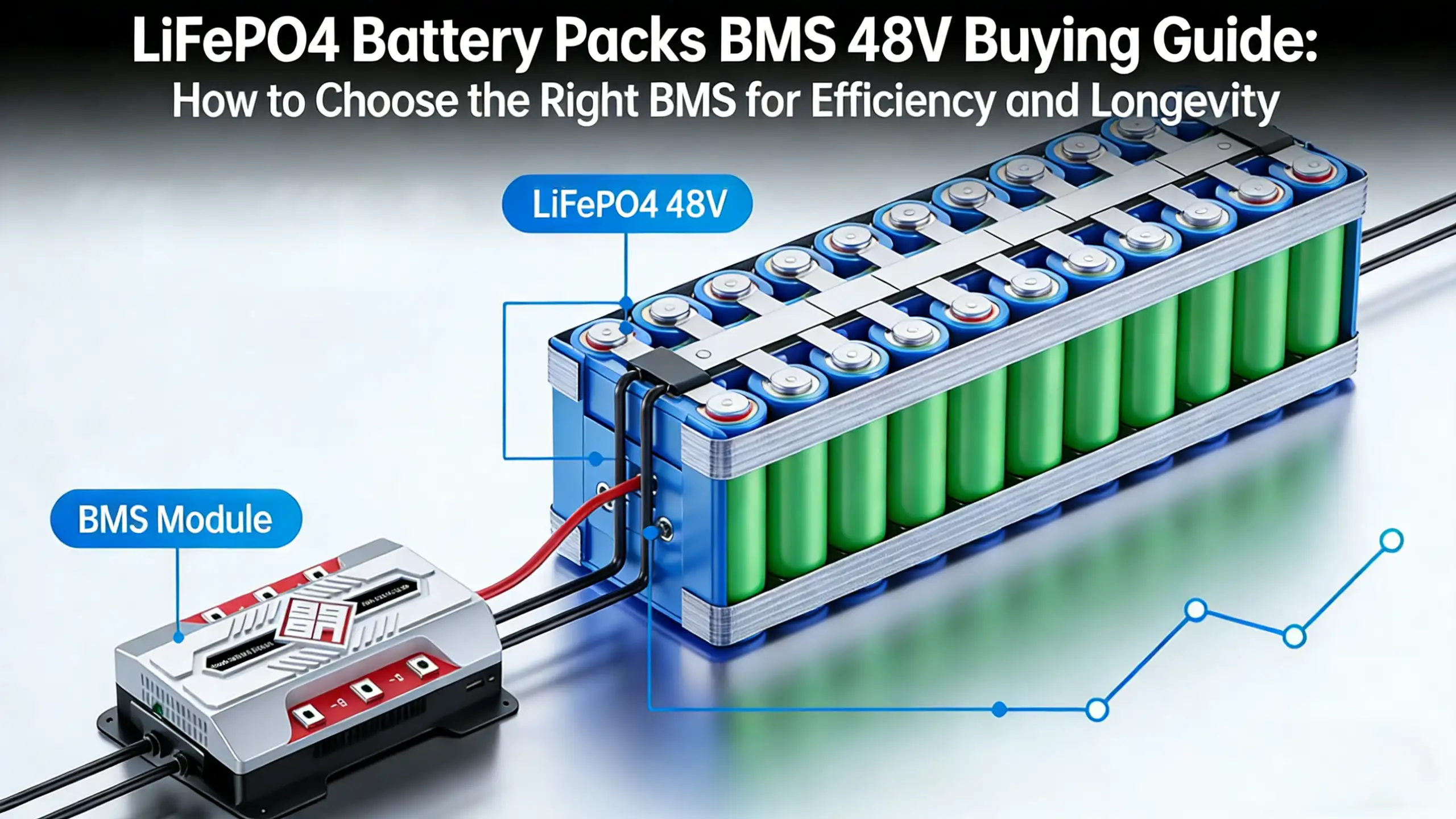
LiFePO4 (Lithium Iron Phosphate) batteries are prized for their stability and long cycle life, but they are sensitive to how they are managed. Each battery brand uses specific internal cells and Battery Management Systems (BMS) with unique algorithms. When you mix brands, you are essentially asking two different “brains” to negotiate how to charge and discharge energy. They will rarely communicate effectively, leading to one battery doing more work than the other.
Capacity mismatch is equally problematic. If you connect a 100Ah battery in parallel with a 200Ah battery, the chargers and loads will not see them as a single 300Ah unit. Instead, the 100Ah battery will hit its voltage threshold much faster during charging and reach its low-voltage cutoff sooner during discharging. This causes the BMS of the smaller battery to trip constantly, leaving the larger battery underutilized or, worse, causing the larger battery to dump its current into the smaller one, which can exceed the smaller unit’s safe charge rate.
Risks of Ignoring Battery Compatibility
The primary risk when mixing batteries is thermal runaway or permanent capacity loss. If one battery has a higher internal resistance than another, it will heat up faster under load. This heat degrades the internal electrolyte and separator, accelerating the aging process. Over time, the internal resistance gap widens, creating a feedback loop where the weaker battery gets progressively worse until it fails completely.
Furthermore, internal resistance imbalances can lead to uneven current distribution. In a parallel setup, the battery with the lowest internal resistance will take the brunt of the current flow. If this isn’t strictly controlled, you risk overloading the terminals or the internal busbars of the battery that is trying to carry more than its fair share of the load.
Comparison of Battery Bank Configurations
| Scenario | Compatibility Level | Risk Factor | Verdict |
|---|---|---|---|
| Same brand, same capacity, same age | High | Low | Recommended |
| Same brand, different capacity | Medium | Moderate | Not Recommended |
| Different brands, same capacity | Low | High | Avoid |
| Different brands, different capacity | None | Critical | Dangerous |
How to Properly Expand Your Battery Capacity
If you find that your current battery bank is insufficient for your energy needs, you should avoid adding a new battery to the old string. Instead, follow these steps to manage your capacity expansion safely.
- Assess your total energy requirements and determine if the current battery bank is still healthy enough to be part of an expansion.
- If the existing batteries are more than six months old or have been through significant cycle counts, retire them and replace the entire bank with new, identical units to ensure balanced performance.
- If you must expand, use a battery balancer or a dedicated DC-to-DC charger that allows different battery banks to be isolated, preventing the “back-feeding” of current between mismatched units.
- Always verify that the new batteries have the same voltage, chemistry, and nominal capacity as the existing ones if you are forced to add to an existing bank.
- Perform a full charge and top-balance of all batteries individually before connecting them in parallel or series for the first time.
Common Mistakes to Avoid
A common error is assuming that as long as the voltages match, the batteries will play nice. Voltage is merely a snapshot of the current state of charge; it does not tell you about the internal health or capacity of the battery. Another mistake is using undersized busbars or cables when connecting batteries. If you mix batteries, you are already creating an unstable environment; using poor-quality wiring only exacerbates the voltage drop across the system, further confusing the BMS units.
Avoid using batteries with different age profiles. A battery that has been cycled 500 times has a different internal chemistry profile than a brand-new battery. Even if they are the exact same model from the same manufacturer, the older battery will have a lower effective capacity. Connecting them together will force the new battery to drain into the old one, shortening the lifespan of your new investment.
Frequently Asked Questions
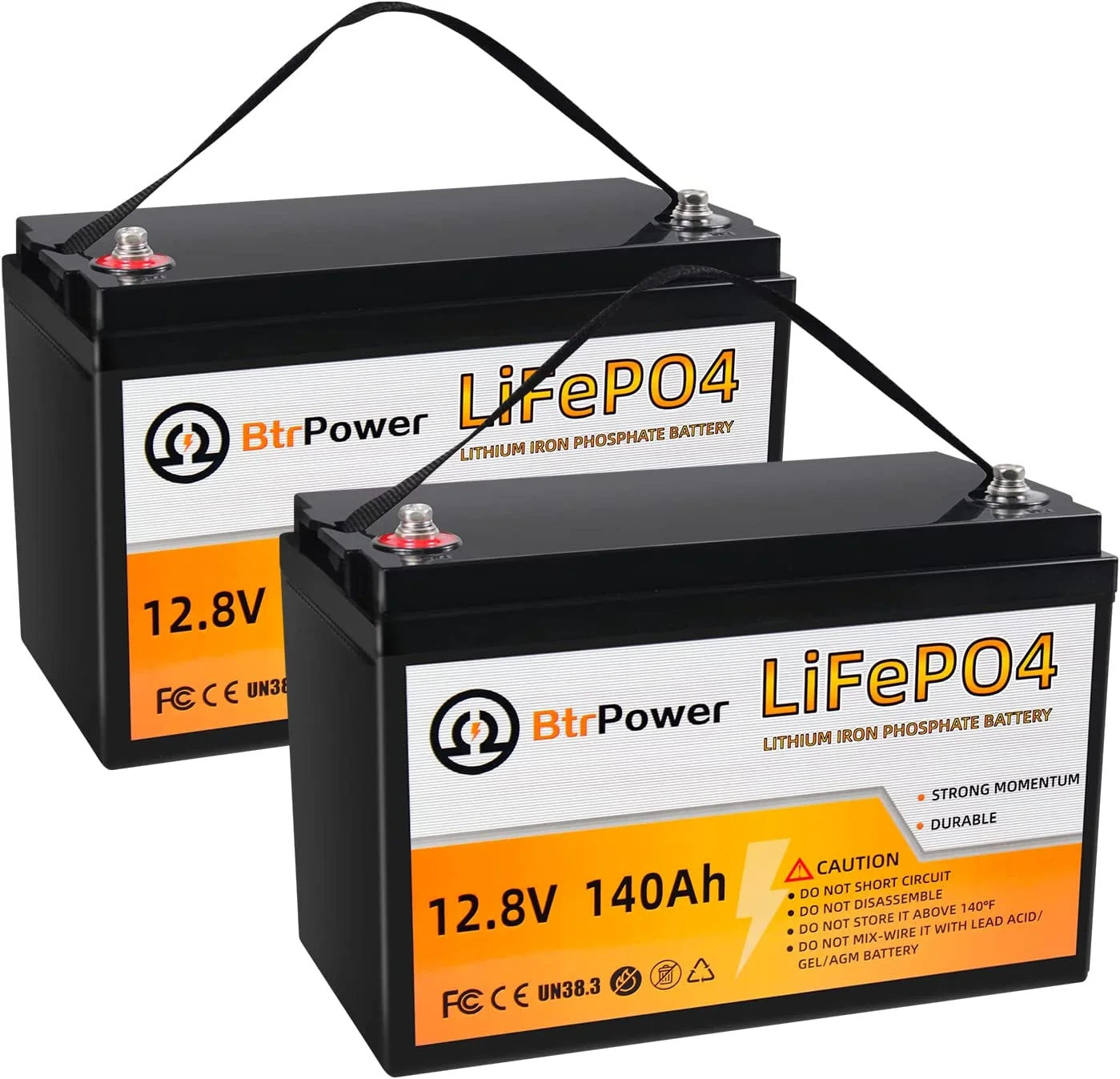
Q: Can I connect a 12V LiFePO4 battery with a 12V Lead Acid battery?
A: No, you should never mix different battery chemistries. They have different charging profiles, float voltages, and discharge curves, which will cause the BMS of the LiFePO4 battery to malfunction and could lead to a fire hazard.
📷 Photo by walmart.com
Q: Is it okay to use different brands if they are both LiFePO4?
A: It is still not recommended. Each manufacturer uses different cell grades and BMS configurations. Even if the labels say the same specs, the real-world internal resistance will differ, leading to uneven charging and potential system failure.
Q: Will my warranty be voided if I mix different brands?
A: In almost all cases, yes. Battery manufacturers explicitly state that their warranties are only valid when their products are used in compatible systems according to their specific guidelines. Mixing brands is a clear violation of these terms.
Ultimately, the goal of any battery storage system is longevity and safety. While the upfront cost of buying a completely new set of identical batteries may seem high, it is far cheaper than replacing a damaged inverter or dealing with the safety consequences of a battery bank that cannot maintain internal balance. Always prioritize matching your batteries to ensure your system remains stable, efficient, and safe for years to come.
Read also: How to Balance LiFePO4 Battery Cells Manually
📷 Photo by ayaatech.com