


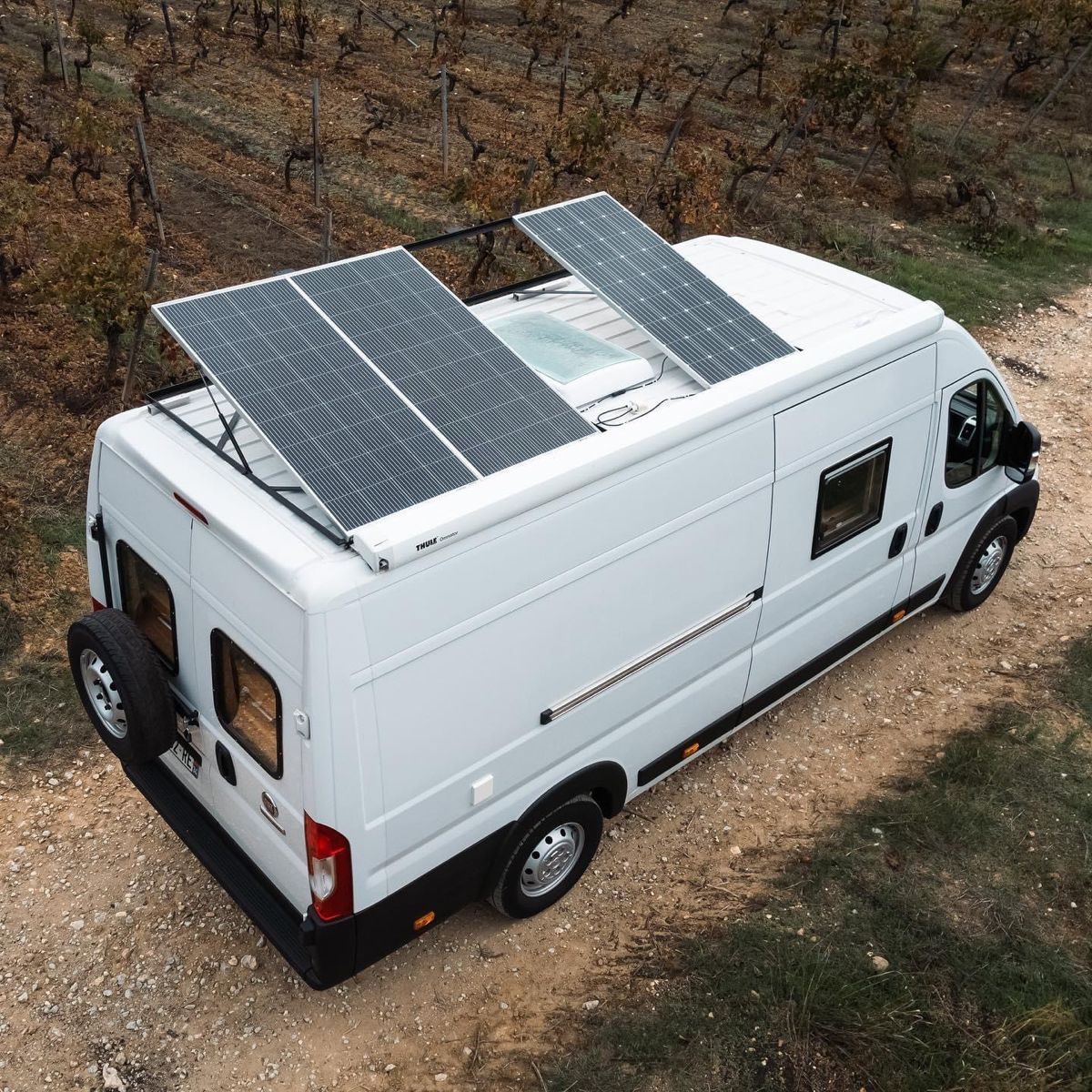
Vanonpower.com – Cleaning and maintaining roof-mounted van solar panels requires a gentle approach using mild soap, soft brushes, and regular inspections to prevent micro-cracks and debris buildup that can reduce energy efficiency by up to 30 percent. Consistent upkeep ensures your off-grid electrical system operates at peak capacity during your travels.
Why Solar Panel Maintenance Matters for Van Life
Solar panels mounted on a van roof are constantly exposed to harsh environmental conditions. Unlike residential panels, van panels face vibration, road dust, tree branches, and bird droppings. When dirt accumulates on the surface, it creates hotspots and blocks sunlight from hitting the photovoltaic cells. This not only lowers the wattage output but can also lead to long-term degradation of the panel components.
Furthermore, the mounting hardware is subject to constant stress from wind resistance and road vibrations. A panel that seems secure today might have loose bolts tomorrow. Regular maintenance is essentially an insurance policy for your power supply, ensuring your fridge, lights, and laptop remain powered when you are deep in the wilderness.
Essential Tools for Solar Cleaning
You do not need industrial equipment to keep your system running. Most van owners can maintain their setup with items already found in their vehicle. Avoid high-pressure washers, as the intense water force can penetrate the sealed edges of the panel, causing internal corrosion or delamination of the glass.
| Item | Purpose | Precaution |
|---|---|---|
| Soft Microfiber Mop | Gentle surface cleaning | Avoid abrasive bristles |
| Mild Dish Soap | Removing stubborn grime | Use non-abrasive, eco-friendly soap |
| Distilled Water | Rinsing without streaks | Avoid hard water mineral deposits |
| Soft Bristle Brush | Removing dried bird droppings | Do not scrub the glass hard |
Step-by-Step Cleaning Process
Cleaning your solar panels is best done during the early morning or late evening. Cleaning while the panels are hot from direct midday sun can cause thermal shock, where the cold water hits the hot glass and potentially causes it to crack. Follow these steps to ensure a safe and effective cleaning session.
- Park your van on a level surface and ensure the solar system is turned off at the charge controller to prevent any electrical surges during cleaning.
- Use a soft-bristled brush or a leaf blower to remove loose debris, such as leaves, pine needles, and dust, that may have settled on the roof.
- Mix a small amount of mild dish soap with water in a spray bottle or bucket.
- Gently wipe the surface of the solar panels using a microfiber cloth or a soft-headed mop, working in small sections to ensure full coverage.
- Rinse the panels thoroughly with clean, preferably distilled, water to remove all soap residue, which could otherwise attract more dust.
- Use a clean, dry microfiber towel to wipe the surface dry, preventing water spots that can interfere with light absorption.
Inspecting Mounts and Wiring
Cleaning is only half the battle. While you are on the roof, perform a visual inspection of the mounting hardware. Check that every bolt is tight and that there is no sign of oxidation or rust on the brackets. If you used VHB tape for your mounts, inspect the edges for any signs of lifting or peeling.
Check the wiring as well. Ensure that all cables are securely fastened to the roof with cable clamps. If cables are flapping in the wind, they can rub against the roof surface, eventually wearing through the protective insulation and causing a short circuit. Apply a small amount of UV-resistant sealant around cable entry points to prevent water leaks into your van interior.
Common Mistakes to Avoid
One of the most frequent errors is standing or kneeling on the solar panels. Even if the panels are rated for high loads, they are not designed to support the weight of a person, especially if the pressure is concentrated on one point. This can cause micro-cracks in the silicon cells that are invisible to the naked eye but significantly reduce power production.
Another mistake is using harsh chemicals like bleach or ammonia-based glass cleaners. These substances can strip the anti-reflective coating off the panels, making them less efficient over time. Always stick to water and mild, biodegradable soaps. If you are parked under trees, be extra vigilant about sap, which can be difficult to remove and acts as a magnet for dust and dirt.
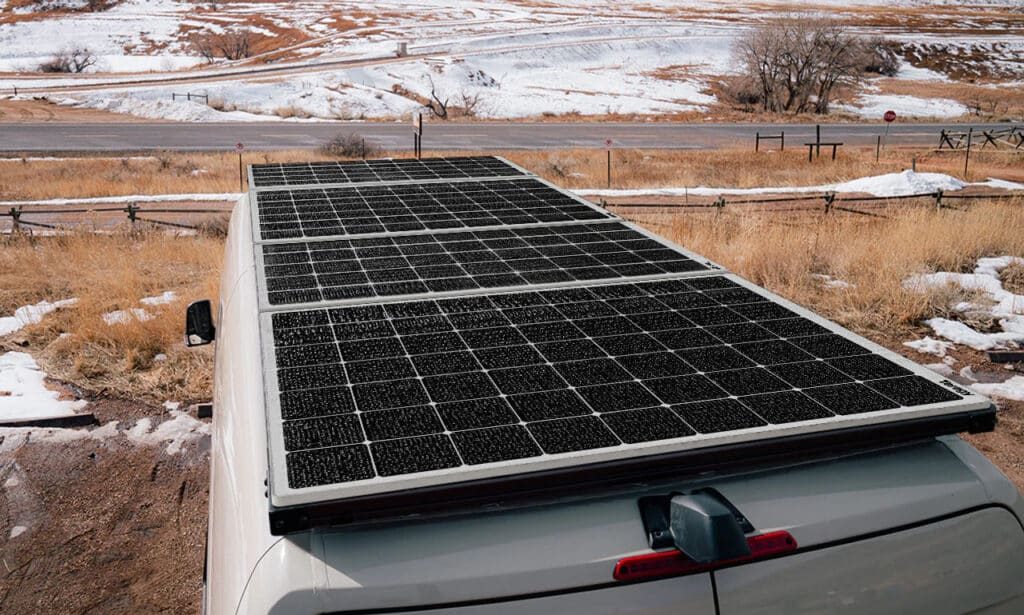
📷 Photo by thewaywardhome.com
Signs Your Panels Need Attention
How do you know when it is time to clean? If your charge controller displays a significantly lower voltage than usual on a clear, sunny day, it is a primary indicator of dirty panels. Other signs include uneven power distribution across multiple panels or the appearance of visible haziness or streaks on the glass surface.
If you notice that your batteries are not reaching full charge by the end of the day despite ample sunlight, check your monitoring app. If you see a downward trend in daily amp-hour production despite similar weather conditions to previous weeks, it is time to get your cleaning supplies out.
FAQ
Q: How often should I clean my van solar panels?
A: In dusty environments or regions with frequent bird activity, aim for once a month. For standard travel conditions, cleaning every three to six months is usually sufficient to maintain efficiency.
Q: Can I use car wax on my solar panels to keep them cleaner?
A: No. Applying wax or any other coating can block sunlight and interfere with the panel’s anti-reflective properties, resulting in lower energy yields.
Q: Is it safe to clean solar panels while they are connected?
A: While it is generally safe, it is best practice to turn off the solar input at your charge controller or disconnect the panels during cleaning to prevent accidental shorts if water enters a junction box.
Final Thoughts on Longevity
Maintaining your solar setup is about consistency rather than intensity. By integrating a quick roof inspection into your regular van maintenance schedule, you can catch loose connections or damaged wiring before they become major problems. A clean, well-maintained solar array will not only provide more power but will also extend the lifespan of your entire electrical system, giving you the freedom to explore off-grid for years to come.
📷 Photo by pinterest.com