



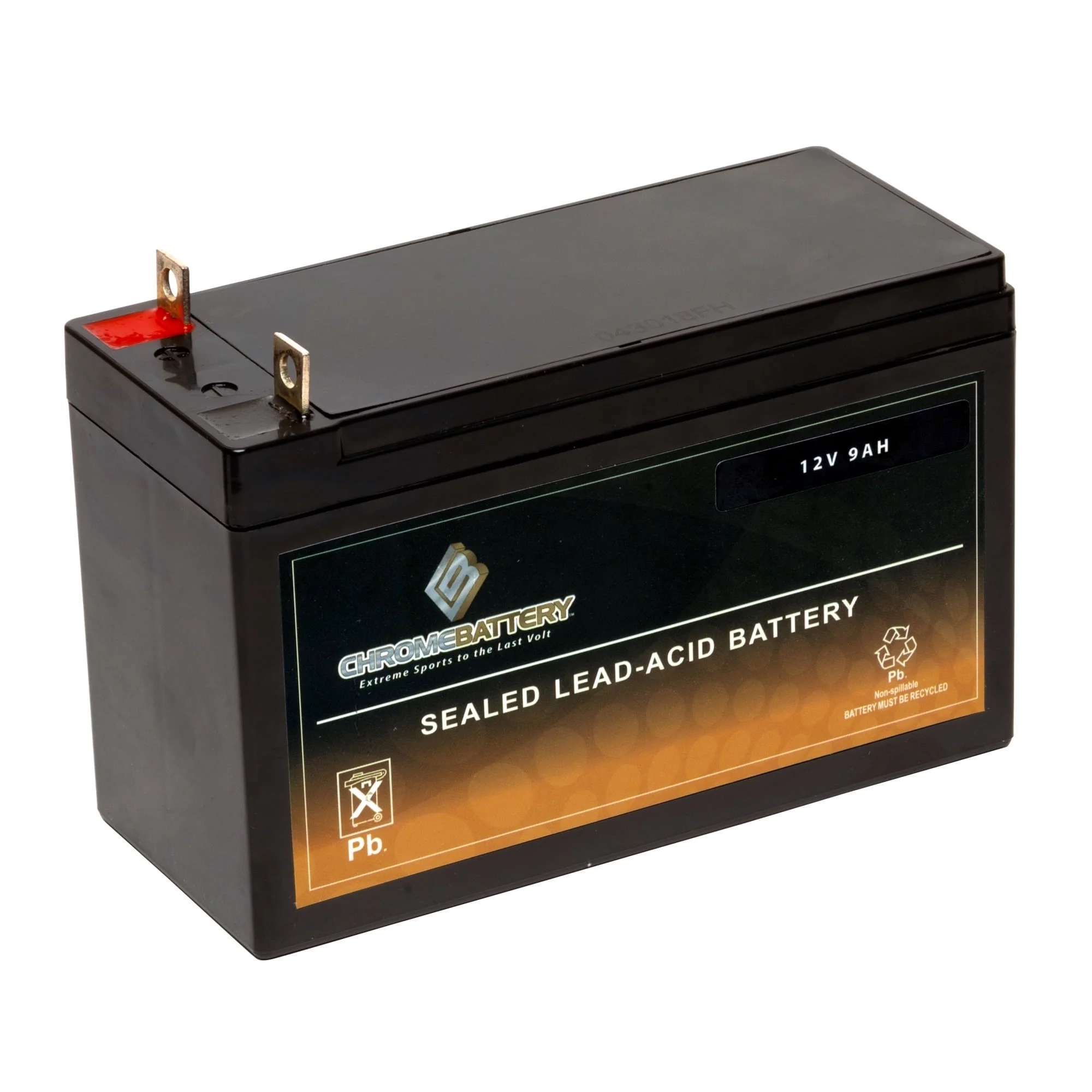
Vanonpower.com – Connecting four 12V batteries in a series-parallel configuration allows you to double both the voltage to 24V and the total amp-hour capacity of your battery bank, effectively balancing power output and runtime. This setup is ideal for heavy-duty off-grid solar systems, high-draw electric motors, and industrial equipment requiring sustained energy delivery.
The Fundamentals of Series-Parallel Configurations
Understanding the difference between series and parallel connections is critical for battery longevity and safety. A series connection links the positive terminal of one battery to the negative terminal of another, which adds the voltages together while keeping the capacity (Amp-hours) the same. Conversely, a parallel connection links positive to positive and negative to negative, which increases the capacity while maintaining the same voltage.
By combining these two methods into a series-parallel array, you create a 24V system using four 12V units. You essentially create two separate banks of 24V (by connecting two 12V batteries in series) and then wire those two banks together in parallel to double the available current storage. This configuration provides the efficiency of higher voltage systems—reducing heat and wiring gauge requirements—while ensuring the system lasts twice as long as a single series string.
Safety Precautions Before You Begin
Before touching a single cable, you must ensure all four batteries are identical. This means they should be the same brand, same capacity (Ah), same chemistry (e.g., all LiFePO4 or all AGM), and, ideally, from the same production batch. Mixing different battery types or ages can lead to imbalanced charging, where one battery works harder than the others, significantly reducing the lifespan of the entire bank.
Additionally, always wear protective eyewear and insulated gloves. Batteries store immense amounts of energy; a short circuit caused by a misplaced wrench can create dangerous sparks, melt tools, or cause battery explosions. Ensure your workspace is well-ventilated and that you have a multimeter ready to verify voltages throughout the process.
Comparison of Battery Bank Configurations
| Configuration | Total Voltage | Total Capacity | Best Use Case |
|---|---|---|---|
| 4 Batteries in Series | 48V | Same as 1 battery | High-efficiency, long-distance power |
| 4 Batteries in Parallel | 12V | 4x Capacity | Low-voltage high-drain appliances |
| Series-Parallel (4) | 24V | 2x Capacity | Balanced 24V solar and motor systems |
Step-by-Step Guide to Connecting Four 12V Batteries
Read also: Why Does Lithium Battery Voltage Drop Under Load?
Follow these steps carefully to ensure a correct and safe 24V series-parallel installation. Label your batteries as Battery 1, 2, 3, and 4 to avoid confusion during the wiring process.
- Create the first 24V pair: Connect the negative terminal of Battery 1 to the positive terminal of Battery 2 using a heavy-gauge jumper cable. This leaves the positive of Battery 1 and the negative of Battery 2 as your 24V output points for this pair.
- Create the second 24V pair: Repeat the process with Battery 3 and Battery 4. Connect the negative of Battery 3 to the positive of Battery 4. You now have two distinct 24V sets.
- Parallel the pairs: Connect the positive terminal of Battery 1 to the positive terminal of Battery 3. Connect the negative terminal of Battery 2 to the negative terminal of Battery 4.
- Final Output Connection: Your main system positive cable will connect to the positive terminal of Battery 1 (or Battery 3), and your main system negative cable will connect to the negative terminal of Battery 2 (or Battery 4).
- Verify with a Multimeter: Before connecting your inverter or load, use a multimeter to measure the voltage across the final output cables. It should read approximately 24V to 25.6V, depending on the charge state.
Common Mistakes and Best Practices
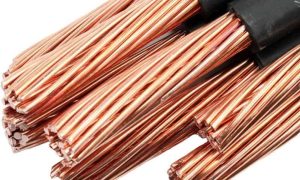
One of the most frequent errors is failing to use cables of equal length. When creating a parallel connection, internal resistance plays a massive role in how the batteries charge and discharge. If one cable is significantly longer than the others, it will have higher resistance, causing the batteries to charge unevenly. Always use identical cable lengths for all parallel links to ensure current flows equally through the bank.
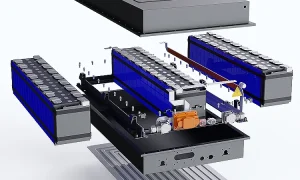
Another critical mistake is neglecting to use a Battery Management System (BMS) or a battery balancer. In series-parallel setups, batteries can drift out of sync over time. A balancer monitors the voltage of each battery and shunts current to ensure they stay at the same state of charge. Without this, one battery might reach full capacity before the others, leading to chronic undercharging or overcharging, which is particularly destructive for Lithium-ion batteries.
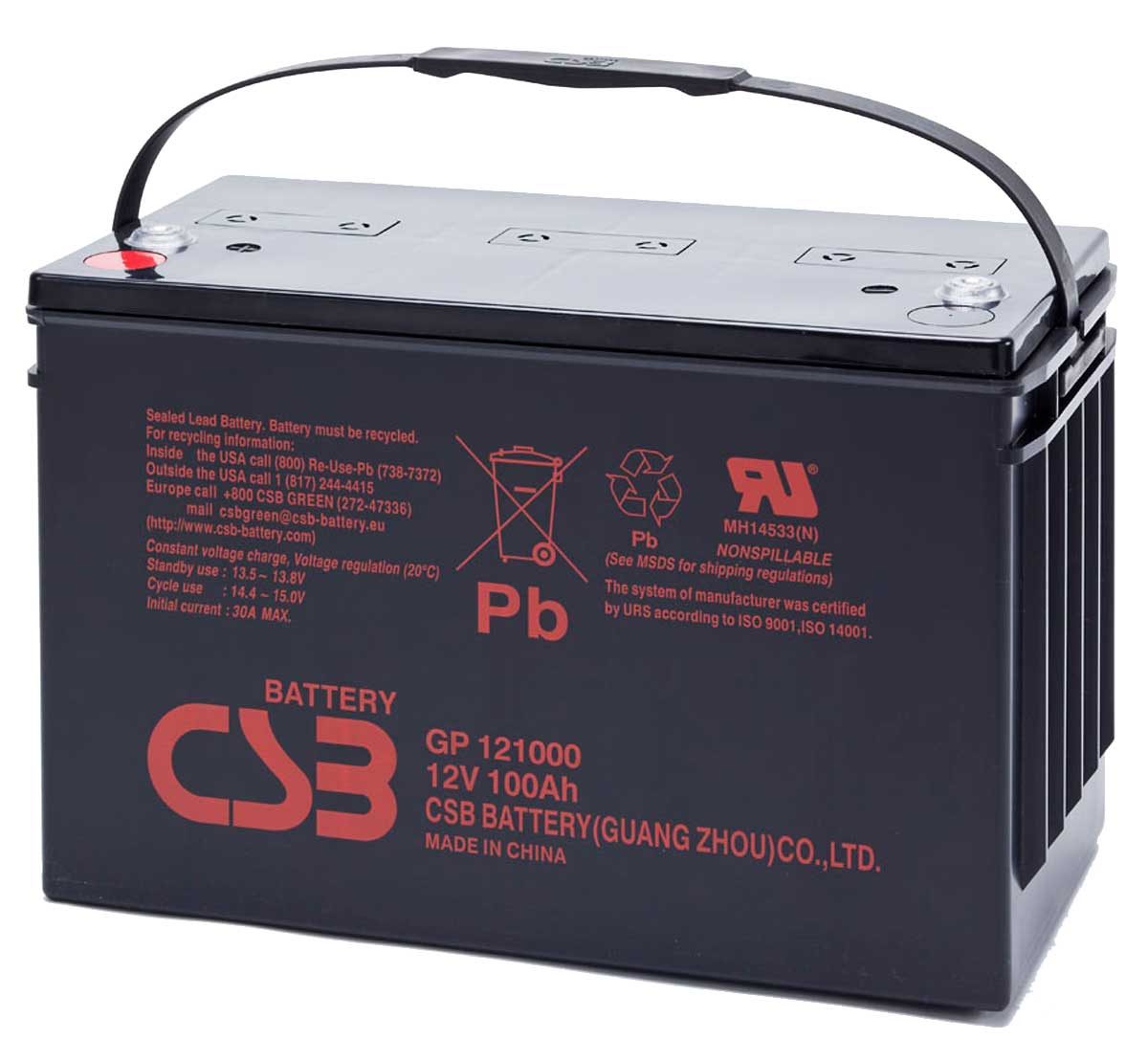
📷 Photo by mdsbattery.co.uk
Finally, consider the environmental impact. Batteries perform best in stable, moderate temperatures. If your 24V bank is installed in a space that experiences extreme heat or cold, you will notice a significant drop in efficiency and overall cycle life. Insulate your battery box and ensure it is kept away from direct sunlight or freezing conditions to maximize your investment.
Frequently Asked Questions
Q: Can I connect batteries of different capacities in this configuration?
A: No, you should never mix batteries of different capacities (Ah) or ages. The system will only perform as well as the weakest battery, and the mismatch will cause premature failure of the stronger units.
Q: Do I need a fuse for this setup?
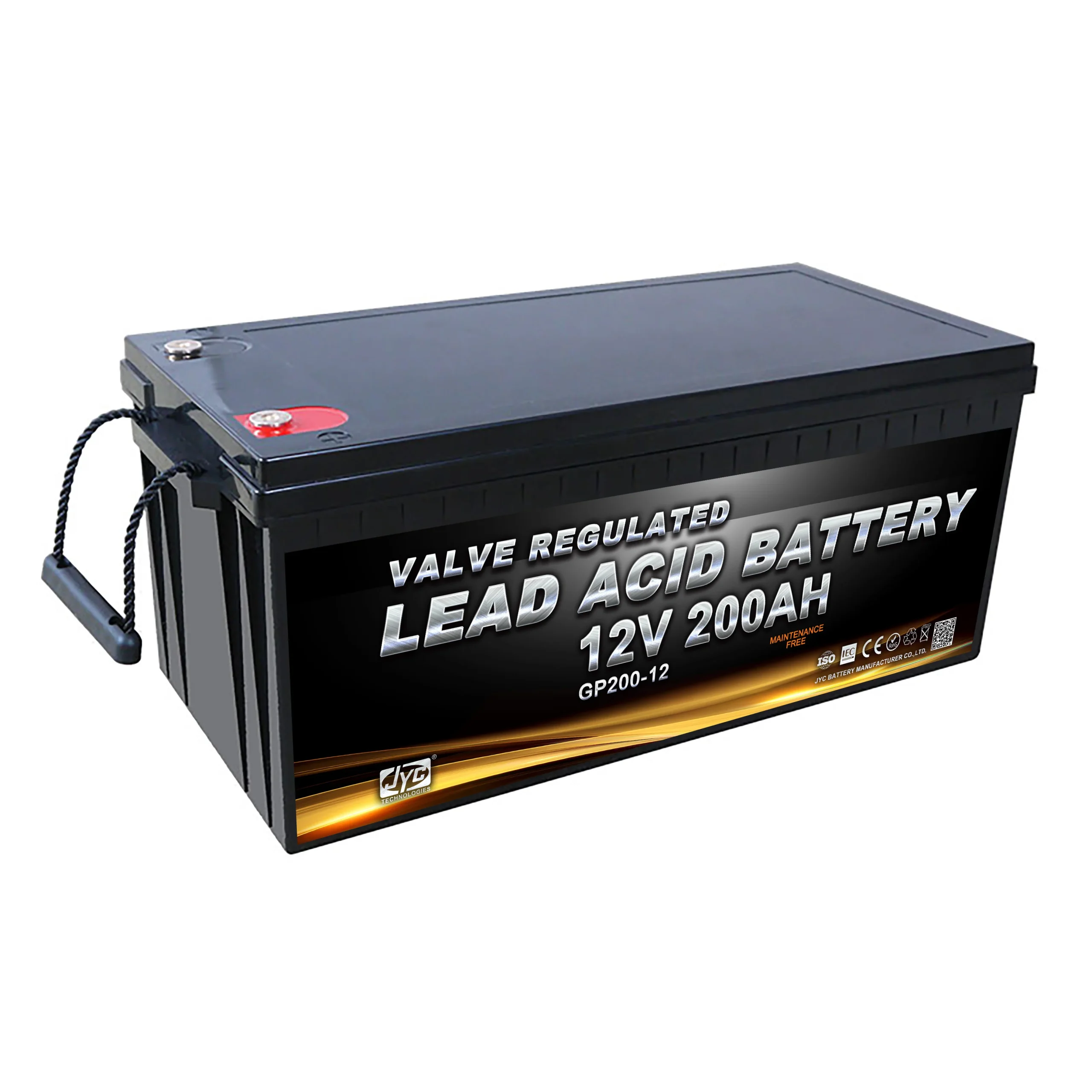
📷 Photo by meritsunpower.com
A: Yes, absolutely. You should place a fuse or circuit breaker on the positive cable leading from each battery bank to the main busbar. This protects your system from catastrophic failure in the event of a short circuit.
Q: How often should I check the connections?
A: Vibration and thermal expansion can loosen connections over time. Check your terminal bolts every six months to ensure they remain tight and free of corrosion. If you notice any heat or discoloration on the terminals, address it immediately as it indicates a loose or high-resistance connection.
📷 Photo by walmart.com