




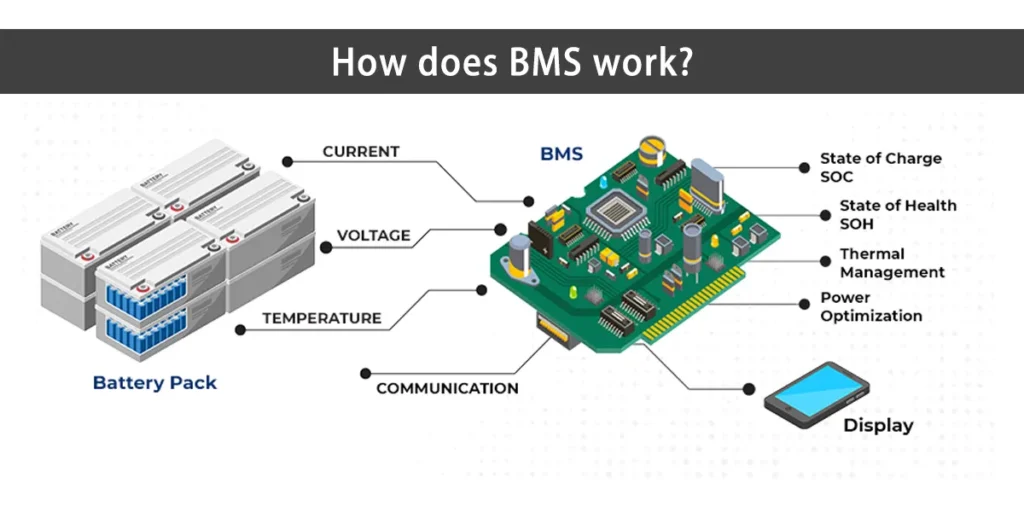
Vanonpower.com – BMS tripping during high inverter inrush current is primarily caused by a sudden, massive surge of current that exceeds the battery management system’s overcurrent protection threshold, which can be mitigated by using soft-start circuits, pre-charge resistors, or capacitors to dampen the initial power spike.
Understanding the Inrush Current Phenomenon
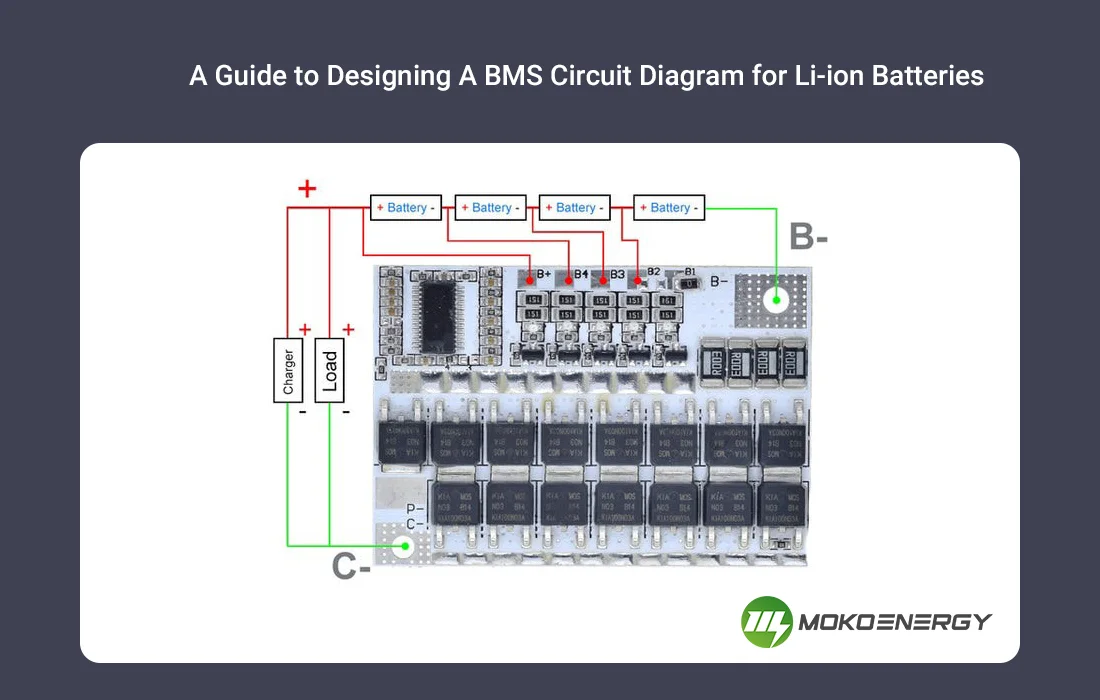
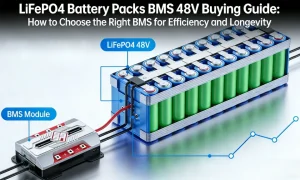
📷 Photo by mokoenergy.com
When you first switch on an inverter, the internal capacitors are completely discharged. For a fraction of a second, these capacitors act like a short circuit, drawing a current that can be five to ten times higher than the inverter’s rated operational current. If your battery’s BMS is set to a sensitive overcurrent protection limit, it interprets this surge as a short circuit or a dangerous fault and immediately disconnects the power to protect the cells.
This is a common frustration for off-grid enthusiasts and solar installers. While the BMS is doing its job by protecting the battery from a legitimate spike, it prevents the system from starting up. Understanding the physics behind this is the first step toward building a more resilient power system.
Common Causes and Risks of Frequent Tripping
The most frequent cause is a mismatch between the inverter’s peak surge rating and the BMS continuous or peak discharge current rating. Many lithium iron phosphate (LiFePO4) batteries come with a BMS designed specifically for a certain discharge rate. If you have a large inverter, such as a 3000W model, the initial draw can easily exceed 200–300 amps for a millisecond, which many standard 100Ah or 200Ah batteries cannot handle.
Repeatedly tripping the BMS is not just an inconvenience; it can lead to long-term damage. While most modern BMS units are designed to handle these events, constant “hard” disconnections under load can cause microscopic arcing at the internal MOSFET switches. Over time, this can degrade the internal components, eventually leading to a permanently stuck-open or stuck-closed relay.
Strategies for Prevention
Read also: Best Ambient Temperature Range for Storing LiFePO4 Batteries
To prevent these trips, you must control the rate at which the inverter’s capacitors charge. Instead of allowing a direct, instantaneous connection, you introduce a resistive path that limits the current to a manageable level for the first few seconds.
| Solution | Effectiveness | Complexity |
|---|---|---|
| Pre-charge Resistor | High | Low |
| Soft-start Inverter | Medium | Medium |
| Higher Capacity BMS | High | High |
| Parallel Battery Banks | High | Medium |
Practical Steps to Implement a Pre-charge Circuit
A pre-charge circuit is the most effective and cost-efficient way to solve inrush current issues. By using a resistor, you allow the capacitors to charge slowly before the main contactor or breaker is fully engaged.
- Select a pre-charge resistor with an appropriate resistance value (usually 50 to 100 ohms) and a sufficient wattage rating (10W to 25W) to handle the heat.
- Connect the resistor in series with a momentary push-button switch, bypassing your main battery disconnect switch.
- Hold the push-button switch for approximately 5 to 10 seconds. This allows the inverter capacitors to reach the battery voltage slowly without triggering the BMS.
- Once the capacitors are charged, flip your main battery disconnect switch to the “ON” position.
- Release the push-button switch. The main switch now carries the full load, and the BMS will remain stable.
Why Parallel Battery Banks Matter
Another often overlooked strategy is the use of parallel battery banks. If you have a single 100Ah battery, it has one BMS that must handle the entire inrush load. If you use four 100Ah batteries in parallel, you effectively have four BMS units sharing the load. This distributes the inrush current, significantly reducing the likelihood that any single BMS will sense an overcurrent fault.
When paralleling batteries, ensure that all interconnecting cables are of identical length and gauge. This ensures that the current is distributed equally across all modules, preventing one battery from taking more than its fair share of the surge.
Common Mistakes to Avoid
One major mistake is attempting to bypass the BMS entirely. Some users try to wire their inverter directly to the battery terminals, circumventing the BMS protection. This is extremely dangerous. Without the BMS, your battery is vulnerable to over-discharge, over-voltage, and short-circuit fires. Never sacrifice safety for convenience.
Another error is using undersized cables. While cables do not stop inrush current, high-resistance connections due to thin wires can cause voltage drops that confuse the inverter’s internal sensors, sometimes exacerbating the startup instability. Always use high-quality, heavy-gauge copper cabling for all inverter-to-battery connections.
Frequently Asked Questions
Q: Does a soft-start inverter eliminate the need for a pre-charge circuit?
A: Many high-end inverters have built-in soft-start features, but these are not always sufficient for very large capacitor banks. If your BMS still trips, a manual or automatic pre-charge circuit is still the most reliable solution.
Q: Can I use a regular light bulb as a pre-charge resistor?
A: While a high-wattage incandescent bulb can technically serve as a current limiter, it is not recommended for permanent installations. Use a proper wire-wound power resistor for durability and consistent performance.
Q: Will a larger battery capacity solve the problem?
A: Yes, increasing the total Amp-hour capacity of your system by adding more batteries in parallel usually increases the total discharge current capability, which helps the system absorb the inrush spike without triggering protection.
Final Considerations
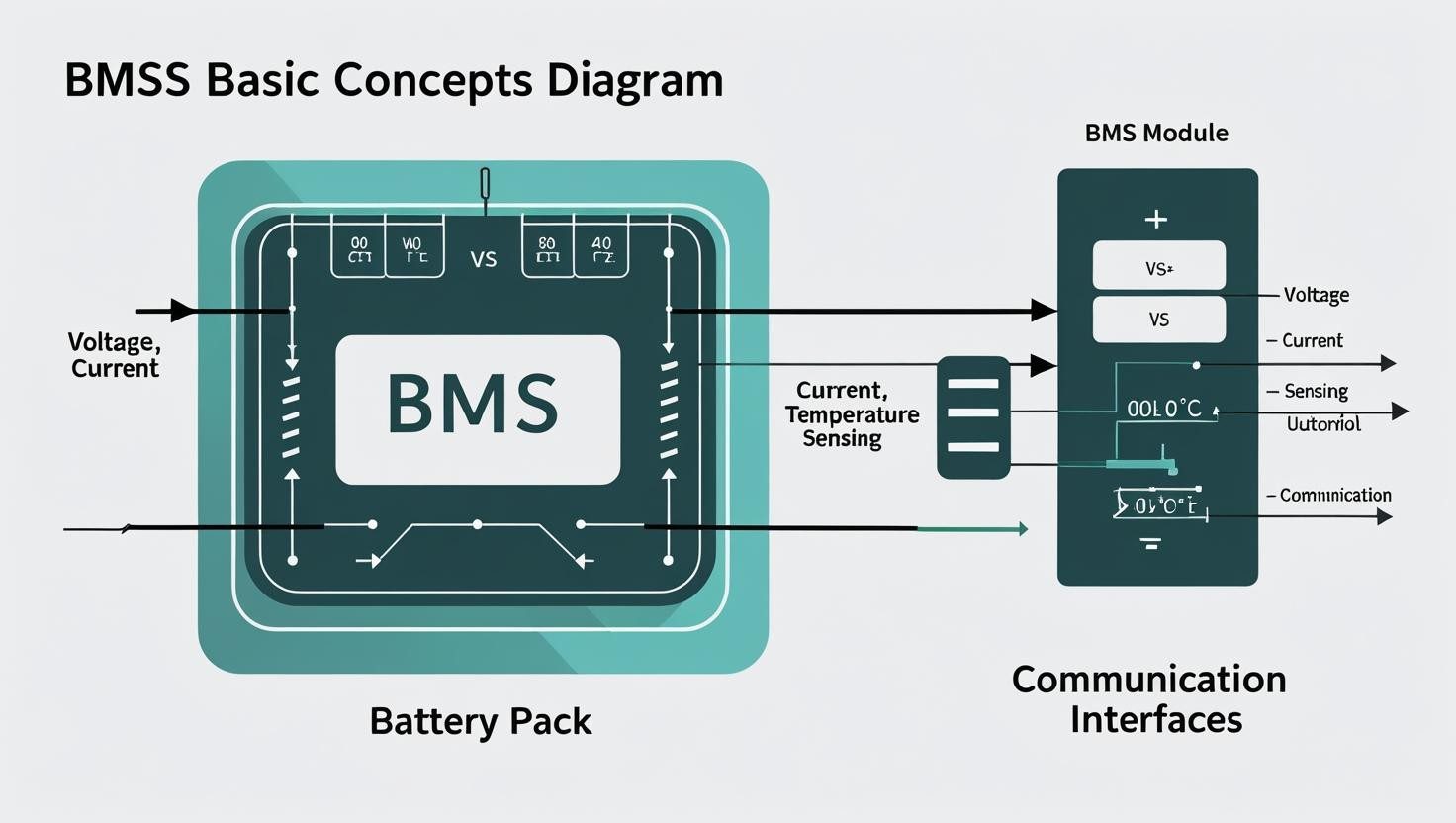
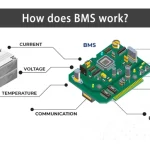
📷 Photo by leochlithium.us
Managing inrush current is an essential aspect of designing a robust electrical system. By implementing a pre-charge mechanism and ensuring your battery bank is sized appropriately for your inverter’s surge requirements, you can extend the lifespan of your BMS and ensure consistent, reliable power delivery. Always prioritize the safety protocols built into your BMS; they are there to prevent catastrophic failures, not just to act as an inconvenience.
📷 Photo by batteryswapstation.com