



Vanonpower.com – Calculating your daily energy budget in Amp hours requires multiplying the power consumption of each appliance by its duration of use, then dividing the total Watt-hours by your system voltage to determine the necessary battery capacity.
Managing off-grid power systems or mobile energy setups requires precision. Overestimating your needs leads to unnecessary costs and heavy, bulky battery banks, while underestimating results in premature battery failure and constant power outages. To build a reliable system, you must move beyond guesswork and quantify your actual energy consumption.
The Core Concept: Watt-Hours vs. Amp-Hours
Most appliances are rated in Watts (W). However, batteries are rated in Amp-hours (Ah). The bridge between these two units is voltage (V). To calculate the daily energy drain, you must first calculate the total Watt-hours (Wh) your devices consume in 24 hours, then convert that figure into Amp-hours based on your specific battery bank voltage, such as 12V, 24V, or 48V.
The formula for energy consumption is: Power (Watts) x Time (Hours) = Energy (Watt-hours). Once you have the total Watt-hours for all devices, divide that sum by your battery voltage to get the Amp-hours required per day.
Step-by-Step Calculation Guide
- List every electrical device you intend to power, including intermittent loads like water pumps or coffee makers.
- Identify the wattage for each device from its label or the manufacturer’s manual.
- Estimate the number of hours each device will run within a single 24-hour period.
- Multiply the wattage by the duration for each individual device to find the daily Watt-hours.
- Sum all the individual Watt-hour values to determine your total daily energy budget.
- Divide the total Watt-hours by your system voltage (e.g., 12V) to find the required Amp-hours.
- Apply a safety factor by multiplying the result by 1.2 to account for inverter efficiency losses and to ensure you do not discharge your battery completely.
Energy Consumption Reference Table
| Appliance | Average Watts | Hours Used/Day | Daily Watt-hours |
|---|---|---|---|
| LED Lighting | 10W | 5 | 50Wh |
| Laptop Charger | 60W | 4 | 240Wh |
| Mini Fridge | 50W | 12 | 600Wh |
| Water Pump | 150W | 0.5 | 75Wh |
| Total | – | – | 965Wh |
Common Mistakes in Energy Planning
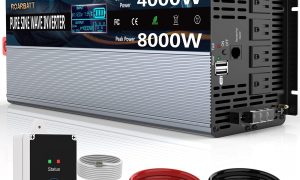
One of the most frequent errors is ignoring the “phantom load.” Many devices, such as televisions or satellite boxes, consume power even when in standby mode. Another significant oversight is neglecting inverter efficiency. Inverters are not 100% efficient; they typically lose 10% to 15% of energy as heat during the conversion process from DC to AC.
Additionally, users often confuse continuous power with peak power. If you have a device that requires a high surge current—such as a large motor or a microwave—you must ensure your inverter can handle the peak wattage, even if the average daily energy draw is low. Failing to account for this will result in the inverter shutting down during operation.
Read also: How to Recover a Sleeping LiFePO4 Battery Locked by BMS
Battery Depth of Discharge
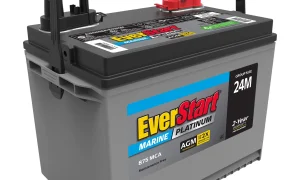
Calculating your daily Amp-hour budget is only half the battle. You must also consider the chemistry of your battery. If you use Lead-Acid or AGM batteries, you should generally not discharge them below 50% to maintain a long lifespan. If your calculation shows you need 100Ah per day, you actually need a 200Ah battery bank to avoid deep-cycling damage.
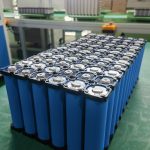
Lithium Iron Phosphate (LiFePO4) batteries are more forgiving and can often be discharged to 80% or even 90% capacity. This allows for a smaller physical footprint in your battery bank, though the initial investment cost is higher. Always align your capacity calculation with the recommended discharge limits of your specific battery type.
Practical Tips for Optimization
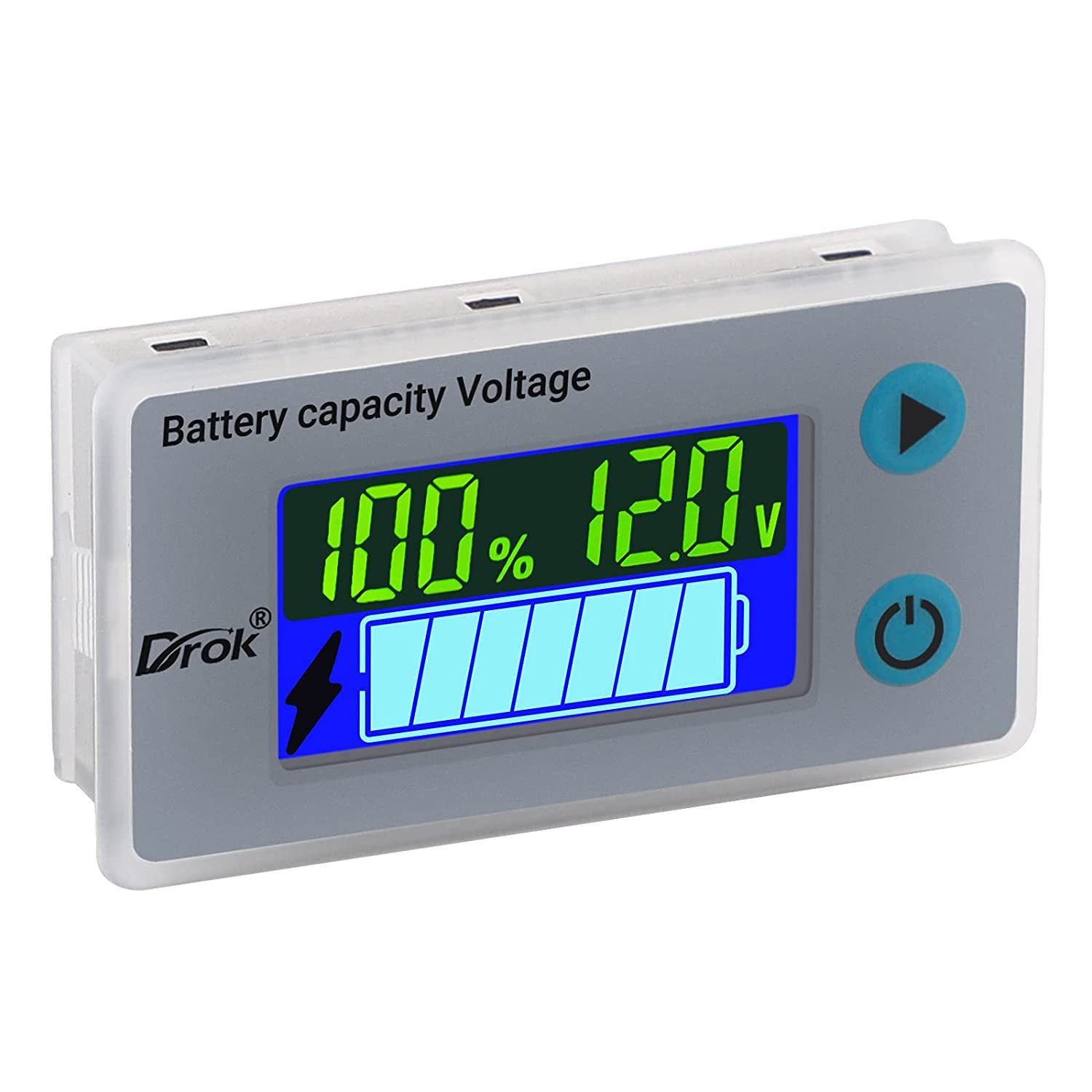
If your calculated daily energy budget is too high for your available space or budget, focus on efficiency first. Replace all incandescent bulbs with high-efficiency LEDs. Switch from AC-powered appliances to DC-powered versions where possible, as this eliminates the need for an inverter, thereby removing the efficiency loss associated with power conversion.
📷 Photo by droking.com
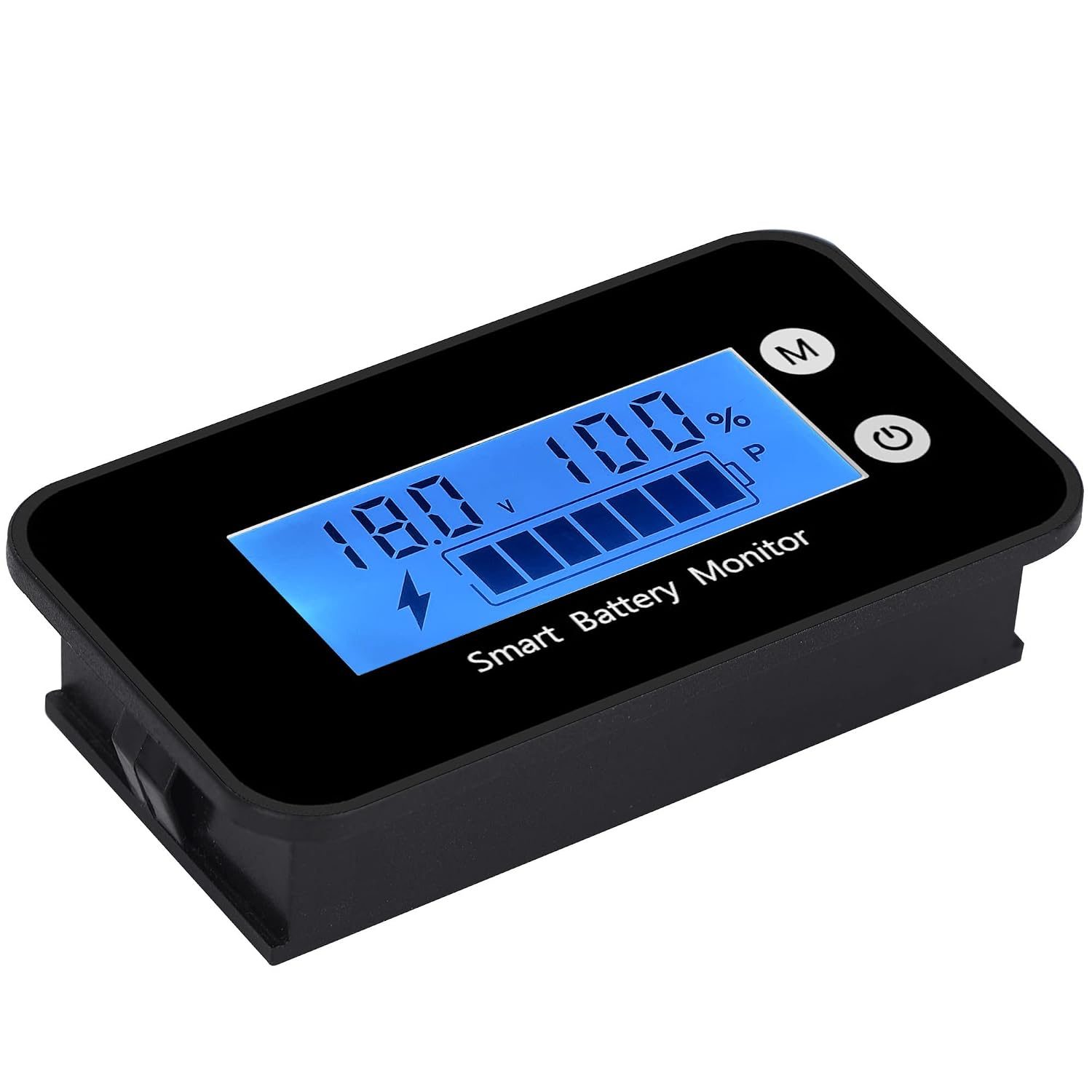
Regularly audit your consumption. Habits change, and you may find that you are using certain appliances less than originally anticipated. By performing a recalculation every few months, you can better manage your battery health and ensure you are not carrying unnecessary weight in your mobile setup.
Q: Why is my battery voltage important for the calculation?
A: Voltage determines how much current (Amps) is drawn from the battery to provide the same amount of power. A 12V system requires twice the current of a 24V system to run the same appliance, which significantly impacts cable sizing and battery bank configuration.
Q: Do I need to include inverter efficiency in my calculation?
A: Yes, absolutely. Inverters typically operate at 85% to 90% efficiency. Always multiply your final energy requirement by 1.15 to ensure you have enough battery capacity to cover the energy lost as heat during the conversion process.
Q: How do I calculate the capacity for a device that doesn’t run every day?
A: If a device runs only occasionally, calculate its usage over a week and divide by seven to find the daily average. This prevents over-sizing your system based on rare events while still ensuring you have enough capacity for the days the device is used.
📷 Photo by manuals.plus