



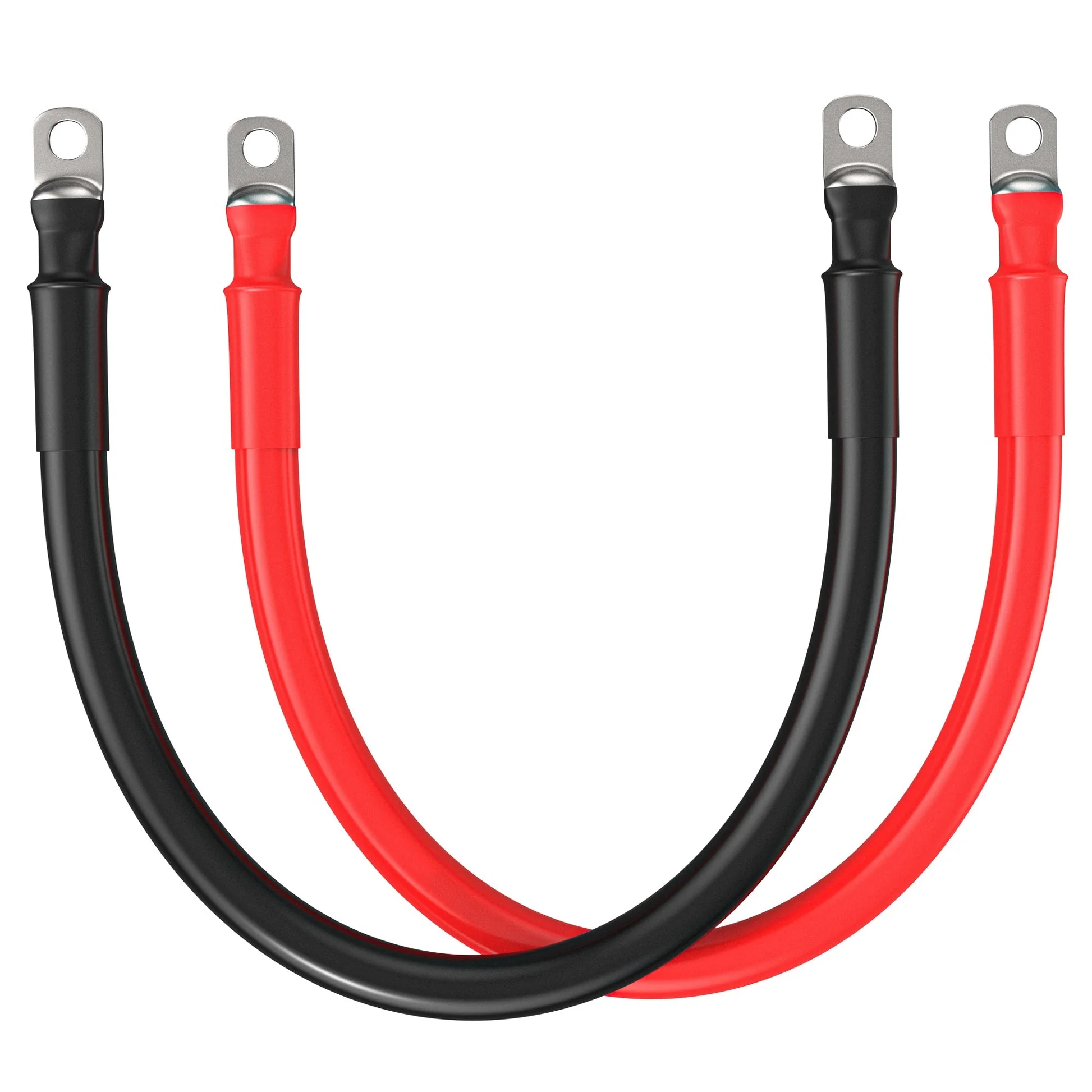
Vanonpower.com – Sizing ground cables for multi-battery lithium banks requires calculating the total system amperage based on your inverter’s peak load and maintaining a cable gauge that minimizes voltage drop to ensure safe, efficient power delivery. Using an undersized ground cable in a high-capacity lithium system creates a fire hazard and prevents the battery management system (BMS) from functioning correctly under load.
Understanding the Role of the Ground Cable
In a multi-battery lithium setup, the ground cable is not merely a path for return current; it is a critical safety component of the entire electrical architecture. Because lithium iron phosphate (LiFePO4) batteries are capable of discharging at very high rates compared to traditional lead-acid batteries, the potential for extreme heat generation is significantly higher. If your ground wire is too thin, the resistance causes the cable to heat up, leading to melted insulation and potential short circuits.
The primary goal when sizing these cables is to keep the voltage drop below 3% for critical circuits. When you connect multiple batteries in parallel, you effectively increase the total current capacity of the bank. You must size your cables based on the maximum current the system can draw, not just the capacity of a single battery.
Factors Influencing Cable Gauge Selection
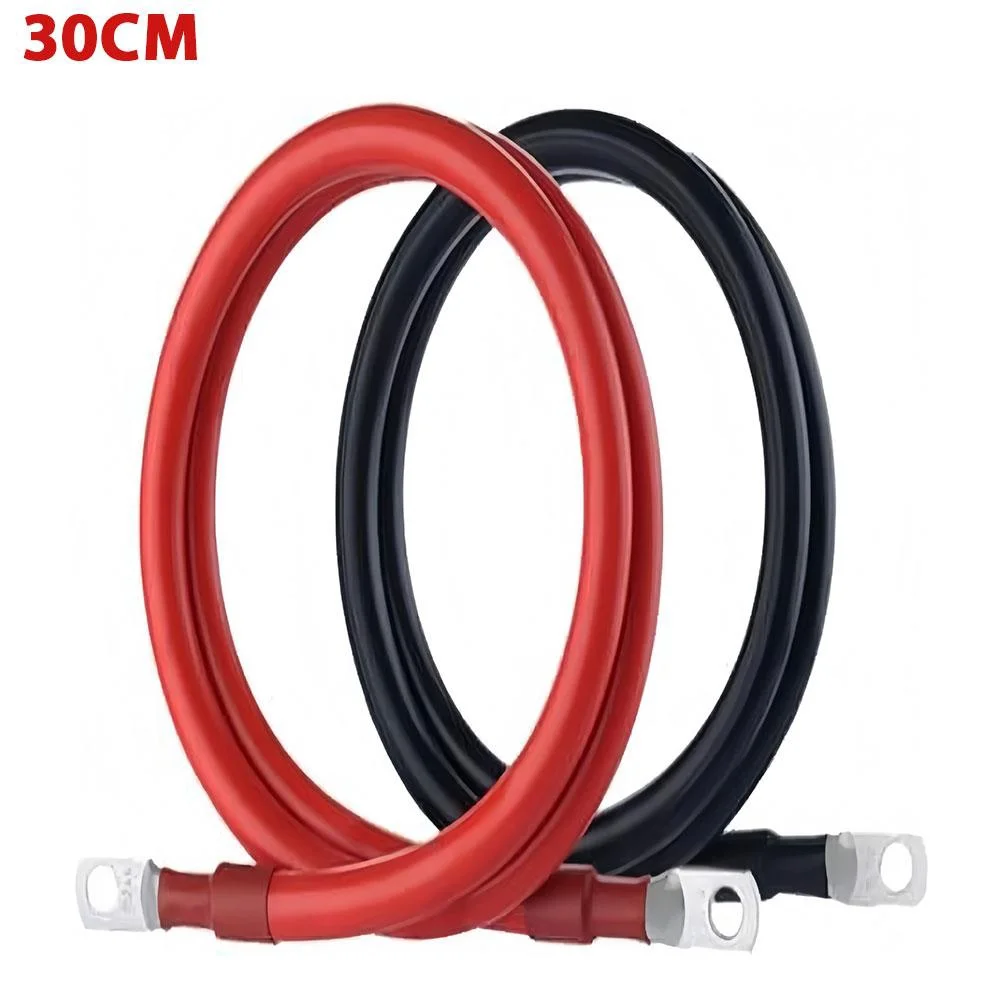
📷 Photo by walmart.com
Several technical factors dictate the thickness (gauge) of the wire you need. The most important is the amperage rating of your inverter. An inverter that draws 2000 watts at 12 volts requires significantly larger cables than a 500-watt system. Additionally, the physical distance between your battery bank and the main chassis ground or common negative busbar plays a major role.
Longer cable runs lead to higher resistance. If you must run a cable over a long distance, you are often required to “upsize” the gauge to compensate for the distance. Never use different gauges for the positive and negative sides of the battery bank; they should always match to ensure balanced current flow.
Recommended Cable Gauge Reference Table
| System Amperage (Max Load) | Cable Length 0-5 Feet (AWG) | Cable Length 5-10 Feet (AWG) |
|---|---|---|
| Up to 50 Amps | 8 AWG | 6 AWG |
| 50 – 100 Amps | 4 AWG | 2 AWG |
| 100 – 150 Amps | 2 AWG | 1/0 AWG |
| 150 – 250 Amps | 1/0 AWG | 2/0 AWG |
| 250 – 400 Amps | 2/0 AWG | 4/0 AWG |
Step-by-Step Guide to Installing Ground Cables
Proper installation is just as vital as choosing the correct wire size. Follow these steps to ensure a secure and safe connection for your lithium bank:
- Calculate your maximum system amperage by dividing your inverter’s peak wattage by your battery bank’s nominal voltage.
- Measure the total length of the cable run from the furthest battery terminal to the common negative busbar or chassis ground point.
- Select the appropriate gauge from a reliable American Wire Gauge (AWG) chart, ensuring you account for both amperage and length.
- Use high-quality, fine-stranded oxygen-free copper (OFC) cables, as they offer better conductivity and flexibility for vehicle or off-grid installations.
- Crimp the cable lugs using a professional-grade hydraulic crimper rather than a hammer-style crimper to ensure a gas-tight connection that won’t oxidize over time.
- Apply heat-shrink tubing with adhesive lining over the lug-to-cable transition to protect the connection from moisture and corrosion.
- Secure the ground cable to the busbar or chassis using a star washer to ensure a clean, metal-to-metal contact point, and torque the bolt to manufacturer specifications.
Common Mistakes to Avoid
One of the most frequent errors is relying on the chassis as the sole ground path in a vehicle. While the chassis is metal, it is not a perfect conductor, and relying on it for high-amperage returns often leads to “ground loops” or voltage flicker. Always run a dedicated negative cable back to a common busbar whenever possible.
Another mistake is failing to account for the temperature rating of the cable insulation. Lithium batteries can run hot during rapid charging or discharging. Ensure your cables are rated for at least 105 degrees Celsius (221 degrees Fahrenheit) to prevent the insulation from becoming brittle or melting under sustained high loads.
The Importance of Cable Flexibility
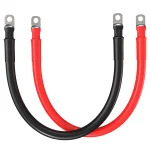
When working with large gauge cables like 2/0 or 4/0, stiffness becomes a major challenge. Use welding-grade cable, which is designed with thousands of tiny strands. This makes the cable extremely flexible, allowing you to route it through tight spaces in battery boxes or engine bays without putting mechanical stress on the battery terminals themselves.
Mechanical stress on a battery terminal is a silent killer for lithium banks. If a cable is too stiff and pulls on the terminal, it can eventually crack the internal busbars of the lithium battery. Always use cable support clamps to secure the weight of the wire so that the lug sits flat against the battery terminal.
Frequently Asked Questions
Q: Can I mix different wire gauges within the same battery bank ground loop?
A: No, you should never mix gauges in a single circuit. The current will be limited by the smallest wire in the loop, creating a bottleneck that generates heat and restricts performance.
Q: Is it necessary to use a fuse on the ground wire?
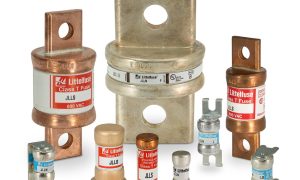
A: While the positive side must always be fused, adding a fuse to the ground side is generally not recommended unless you are using a specialized system. Focus on ensuring the ground cable is properly sized and protected from abrasion to prevent shorts.
Q: Does the material of the cable (copper vs. aluminum) matter for lithium banks?
A: Yes, copper is significantly more conductive and durable. Aluminum cables require special lugs and anti-oxidant paste to prevent galvanic corrosion and are generally not recommended for the vibration-heavy environments of RVs or marine setups.
Final Considerations for System Longevity
Maintaining your ground connections is a task that should be performed annually. Inspect the lugs for signs of discoloration, which indicates heat buildup, and check the tightness of all connections. Over time, vibrations can loosen hardware, leading to increased resistance. A small amount of dielectric grease can be applied to the contact point to prevent oxidation, ensuring that your lithium battery bank continues to operate at peak efficiency for years to come.
Read also: DIY LiFePO4 Battery Build vs Pre-Built Drop-In: Cost Analysis
📷 Photo by smartedgerobotics.com