

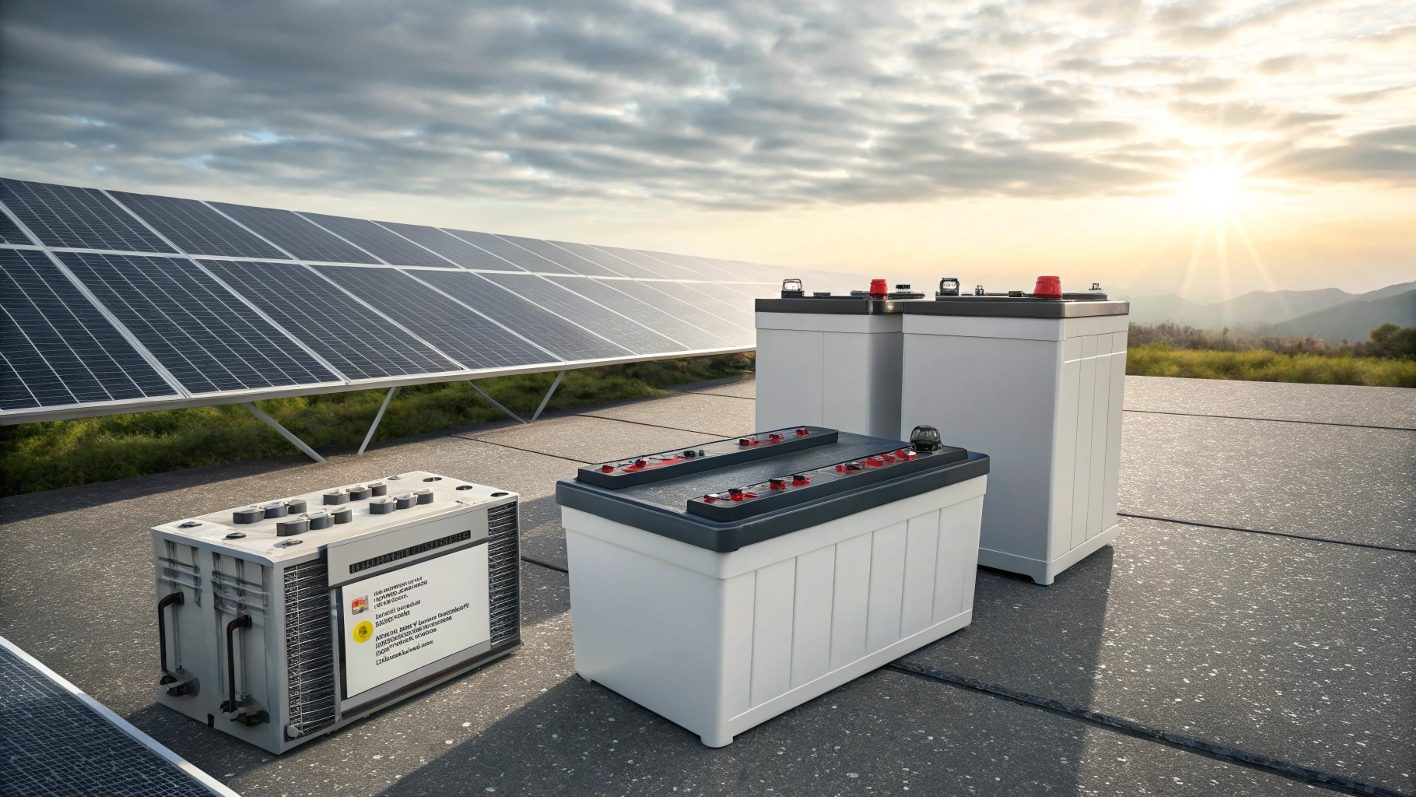
Vanonpower.com – To effectively maintain a 300Ah lithium battery bank, you typically need between 600W to 1,000W of solar panels, depending on your daily energy consumption, geographic location, and sunlight availability.
Understanding the Relationship Between Solar and Storage
Maintaining a 300Ah lithium storage system is not just about filling the battery capacity; it is about replacing the energy you consume daily while accounting for system inefficiencies. Lithium iron phosphate (LiFePO4) batteries are highly efficient, often exceeding 95% charge efficiency, which makes them easier to maintain than traditional lead-acid batteries. However, solar production is rarely consistent due to weather changes and seasonal shifts.
A 300Ah 12V battery bank holds approximately 3,600 watt-hours (Wh) of total energy. If you consume 1,500Wh per day, your solar setup must be capable of generating at least that amount plus a buffer for conversion losses and cloudy days. Relying on the absolute minimum solar wattage often leads to battery depletion during winter months or extended periods of poor weather.
Factors Influencing Solar Requirements
Geography is the most critical variable. A solar panel in Arizona will produce significantly more energy than the same panel in the Pacific Northwest during the same time frame. You must calculate your “Peak Sun Hours”—the number of hours per day where solar intensity reaches 1,000 watts per square meter. In many regions, this average is between 3 and 5 hours.
Another factor is the charge controller efficiency. Using a high-quality MPPT (Maximum Power Point Tracking) controller can improve your energy harvest by 20% to 30% compared to cheaper PWM controllers. If your solar array is undersized, the MPPT controller will at least ensure that every available watt is being funneled into the battery bank at the correct voltage.
Recommended Solar Array Sizing
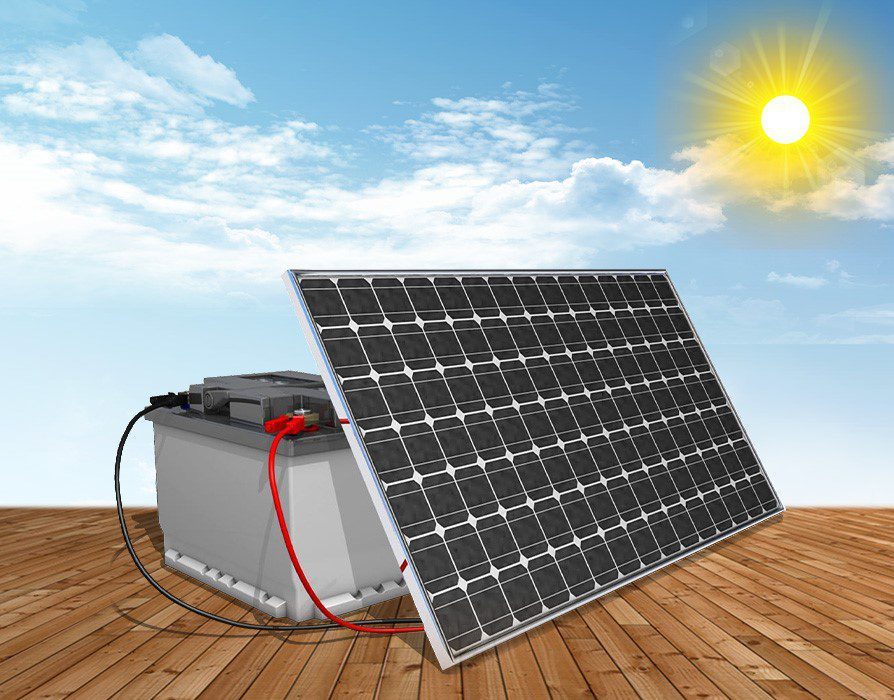
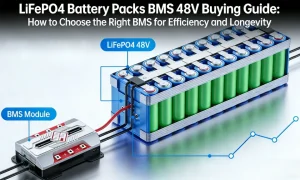
Read also: How to Prevent BMS Tripping During High Inverter Inrush Current
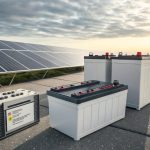
📷 Photo by solarsme.com
The following table provides a general guideline for sizing your solar array based on daily usage patterns for a 300Ah 12V system.
| Usage Level | Daily Energy Need | Recommended Solar Array | Goal |
|---|---|---|---|
| Light | 800Wh | 400W – 600W | Weekend/Occasional use |
| Moderate | 1,500Wh | 800W – 1,000W | Full-time RV/Off-grid living |
| Heavy | 2,500Wh+ | 1,200W – 1,500W | High-load appliances |
Practical Steps to Maintain Your Lithium Bank
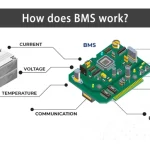
Maintaining a battery bank properly extends the lifespan of your investment. Lithium batteries do not require “equalization” charges like lead-acid, but they do require consistent voltage levels to keep the internal Battery Management System (BMS) balanced.
- Calculate your total daily watt-hour consumption by adding up the wattage of every device and multiplying by the number of hours they run.
- Divide your daily watt-hour requirement by your location’s average peak sun hours to find the minimum wattage needed.
- Multiply that result by 1.3 to account for system losses, such as wiring resistance and inverter inefficiency.
- Install an MPPT charge controller that matches the maximum output of your solar array to ensure safe and efficient charging.
- Monitor your battery state of charge (SoC) using a shunt-based battery monitor to ensure you are not consistently dropping below 20% capacity.
Common Mistakes and Risks
One of the most frequent errors is ignoring the “depth of discharge” (DoD). While lithium batteries can handle deep discharges, staying above 20% state of charge regularly is the golden rule for maximizing cycle life. If your solar array is too small, you will find yourself constantly draining the battery to a low state of charge, which triggers the BMS low-voltage disconnect frequently.
Another common mistake is mixing different solar panel wattages or voltages in series. This can limit the output of the entire array to the performance of the weakest panel. Always try to match your panels in terms of voltage and current ratings to maximize the efficiency of your MPPT controller.
Lastly, ensure your wiring is sized correctly for the distance between your solar panels and the battery bank. Voltage drop over long, thin wires can result in significant energy loss, effectively shrinking your solar array’s performance before the power even reaches your batteries.
Frequently Asked Questions
Q: Can I charge my 300Ah battery with a 100W solar panel?
A: Yes, but it will be highly insufficient. A 100W panel will only provide a trickle charge, likely failing to replace the energy used by even a small refrigerator or a few LED lights in a single day.
Q: Do I need to disconnect my solar panels when the battery is full?
A: No. A modern MPPT charge controller will automatically regulate the voltage and current, preventing overcharging and keeping the battery in a healthy state once it reaches 100% capacity.
Q: How does cold weather affect my solar charging?
A: Cold temperatures themselves do not hurt lithium batteries, but charging them below freezing (0 degrees Celsius) can cause permanent damage. Ensure your battery has a built-in heating element or is installed in an insulated space if you live in a cold climate.
Conclusion
Maintaining a 300Ah lithium system requires a balanced approach between energy harvest and storage capacity. By installing a solar array between 600W and 1,000W, you provide enough headroom to cover daily usage and account for variable weather conditions. Proper sizing, combined with an MPPT controller and smart energy management, ensures your power system remains reliable for years to come.
📷 Photo by gycxsolar.com