


Vanonpower.com – You cannot replace an AGM battery with a LiFePO4 battery using a direct plug-and-play approach without modifications, as the different charging profiles and voltage ranges require a compatible charger or a DC-DC converter to prevent damage to both the battery and your vehicle’s charging system.
The transition from Lead-Acid or Absorbent Glass Mat (AGM) batteries to Lithium Iron Phosphate (LiFePO4) technology is a popular upgrade due to the significant weight savings, longer lifespan, and superior discharge efficiency. However, treating a LiFePO4 battery exactly like an AGM battery is a common mistake that often leads to premature battery failure or safety risks. While they share similar nominal voltages, their internal chemistry and charging requirements are fundamentally different.
The Fundamental Differences in Charging Profiles
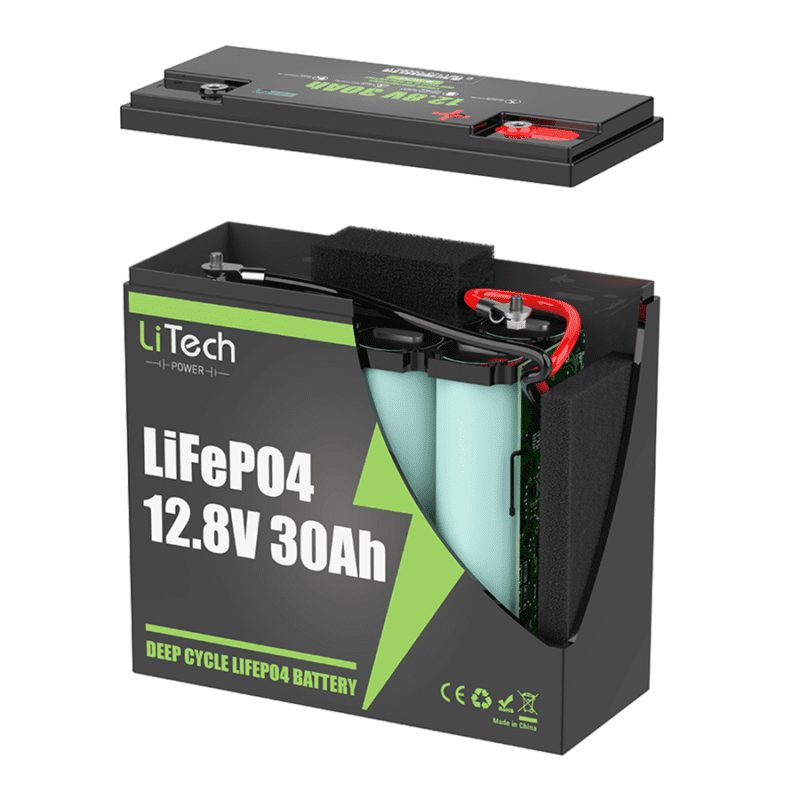
AGM batteries are designed to be charged using a multi-stage process that typically includes a high-voltage equalization phase. This phase can reach levels that might trigger the Battery Management System (BMS) inside a LiFePO4 battery to disconnect for protection. If your alternator or existing charger forces a high-voltage equalization cycle, the LiFePO4 battery may interpret this as an overvoltage fault, leading to a sudden power cutoff.
Conversely, LiFePO4 batteries have a very flat discharge curve, meaning they maintain a high voltage for almost the entire duration of their capacity. An AGM-specific charger may incorrectly assume the LiFePO4 battery is fully charged when it is not, or it might fail to reach the necessary absorption voltage to top off the lithium cells correctly. Utilizing a dedicated lithium-profile charger is essential to ensure the battery reaches its full state of charge without stressing the internal cells.
📷 Photo by litechpower.com
Compatibility Checklist and Technical Comparison
Before making the switch, it is critical to compare the operational requirements of your existing electrical system against the capabilities of your new lithium battery. The following table highlights the key differences that dictate why a direct swap is rarely successful without additional hardware.
| Feature | AGM Battery | LiFePO4 Battery |
|---|---|---|
| Charging Voltage | 14.4V – 14.8V | 14.2V – 14.6V |
| Float Voltage | 13.2V – 13.8V | 13.4V – 13.6V |
| Depth of Discharge | 50% (Recommended) | 80% – 95% (Safe) |
| Charging Method | Bulk, Absorption, Float | Constant Current/Constant Voltage |
Risks of Direct Replacement
One of the most significant risks involves the alternator in a vehicle or marine engine. Alternators are designed to charge lead-acid batteries, which possess higher internal resistance. LiFePO4 batteries have extremely low internal resistance, which allows them to draw as much current as the alternator can provide. This can cause the alternator to overheat and fail because it is constantly running at maximum output, an scenario it was not designed to handle for extended periods.
Furthermore, if your charging system does not have a temperature compensation sensor, it might push too much current into the lithium battery during cold weather. While LiFePO4 batteries are robust, charging them below freezing temperatures (0 degrees Celsius) can cause permanent damage to the anode. Unlike AGM batteries, which can handle cold charging better, lithium batteries require a system that monitors temperature to prevent charging when it is too cold.
📷 Photo by ayaatech.com
Steps to Properly Install a LiFePO4 System
If you have decided to move forward with the upgrade, follow these steps to ensure your system operates safely and efficiently:
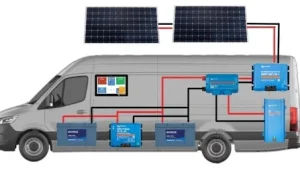
- Verify your current charger or inverter has a “Lithium” or “LiFePO4” setting. If it does not, you must replace the charger or install a DC-DC battery charger between your alternator and the lithium battery.
- Check the maximum continuous discharge current of your LiFePO4 battery. Ensure this rating exceeds the peak demand of your appliances, such as your inverter or motor, to prevent the BMS from tripping.
- Install a battery monitor that measures current in and out (a shunt-based monitor). Voltage-based monitoring is notoriously inaccurate for lithium batteries due to their flat discharge curve.
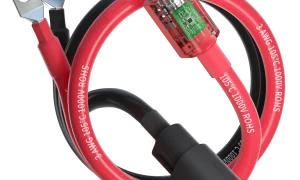
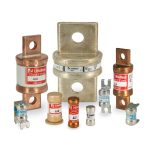
- Inspect your cables and fuses. Because LiFePO4 batteries can provide higher sustained power, ensure your existing wiring gauge is sufficient to handle the current without excessive voltage drop.
- Configure your solar charge controller or AC-to-DC charger to the specific voltage parameters recommended by the battery manufacturer.
Common Mistakes to Avoid
A frequent error is placing a LiFePO4 battery in parallel with an existing AGM battery. This is dangerous because the batteries have different internal resistances and charging voltages. The lithium battery will attempt to charge the AGM battery or vice versa, causing excessive current flow that can melt cables or damage the BMS. Always maintain a bank of batteries that are of the same chemistry, age, and capacity.
Read also: How to Size a Class T Fuse for LiFePO4 Short Circuit Protection
Another mistake is ignoring the weight difference. Because LiFePO4 is significantly lighter, ensure your battery mounting bracket is secure. An AGM battery is heavy enough to stay in place with simple hardware, but a lithium battery might shift during vehicle movement if not properly strapped down, leading to loose connections or damaged terminals.
Frequently Asked Questions
Q: Can I use my old AGM charger if it doesn’t have a lithium mode?

📷 Photo by litechpower.com
A: It is not recommended. If the charger does not have a dedicated lithium profile, it may enter an equalization or desulfation mode that applies high voltages, potentially triggering the battery’s BMS protection or damaging the cells.
Q: Do I need to upgrade my alternator to switch to LiFePO4?
A: You do not necessarily need a new alternator, but you should install a DC-DC charger. This device limits the current drawn from the alternator, protecting it from overheating while providing the correct charging profile to the lithium battery.
Q: Is it safe to leave a LiFePO4 battery in a freezing environment?
A: You can store the battery in freezing temperatures, but you must not charge it while it is below 0 degrees Celsius. Ensure your BMS includes low-temperature cutoff protection to prevent accidental charging in cold conditions.
In summary, while you cannot simply swap an AGM for a LiFePO4, the benefits of doing so are well worth the effort of upgrading your charging infrastructure. By ensuring your charging sources are compatible and your system is properly fused and monitored, you will gain a reliable, lightweight power source that lasts for thousands of cycles.
📷 Photo by ayaatech.com