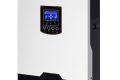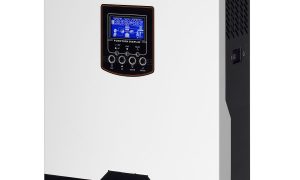
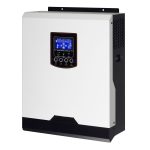


Vanonpower.com – You can run an inverter continuously 24/7 provided it is a high-quality pure sine wave model, sized correctly for the load, and installed in a well-ventilated environment with a stable power source.
Running an inverter around the clock is a common requirement for off-grid living, server rooms, or medical equipment backup. While modern power inverters are designed to handle continuous operation, their longevity depends heavily on thermal management and load consistency. Cheap or poorly ventilated units often fail prematurely when subjected to 24/7 duty cycles, whereas industrial-grade equipment is built specifically for this purpose.
Key Factors Influencing Continuous Operation
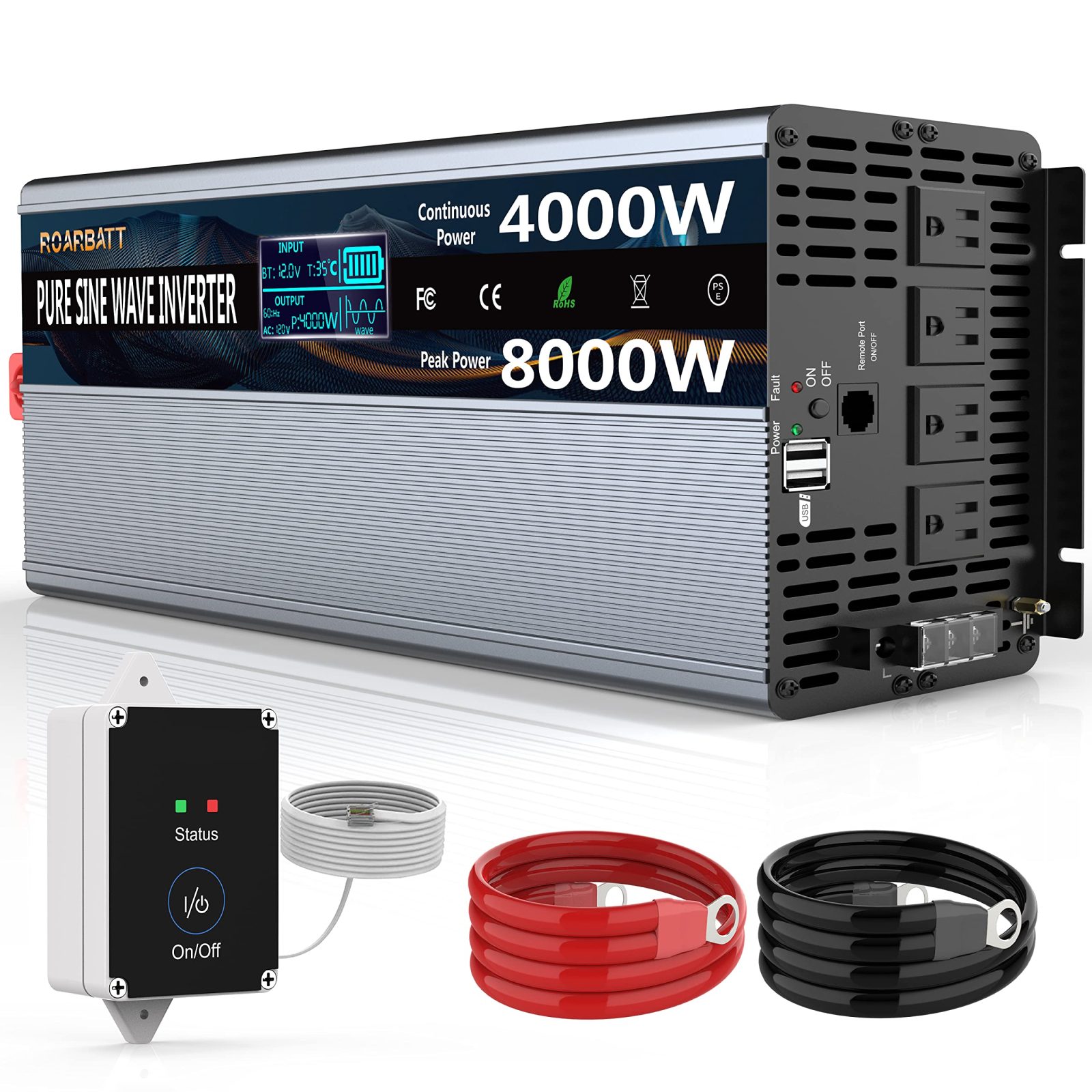
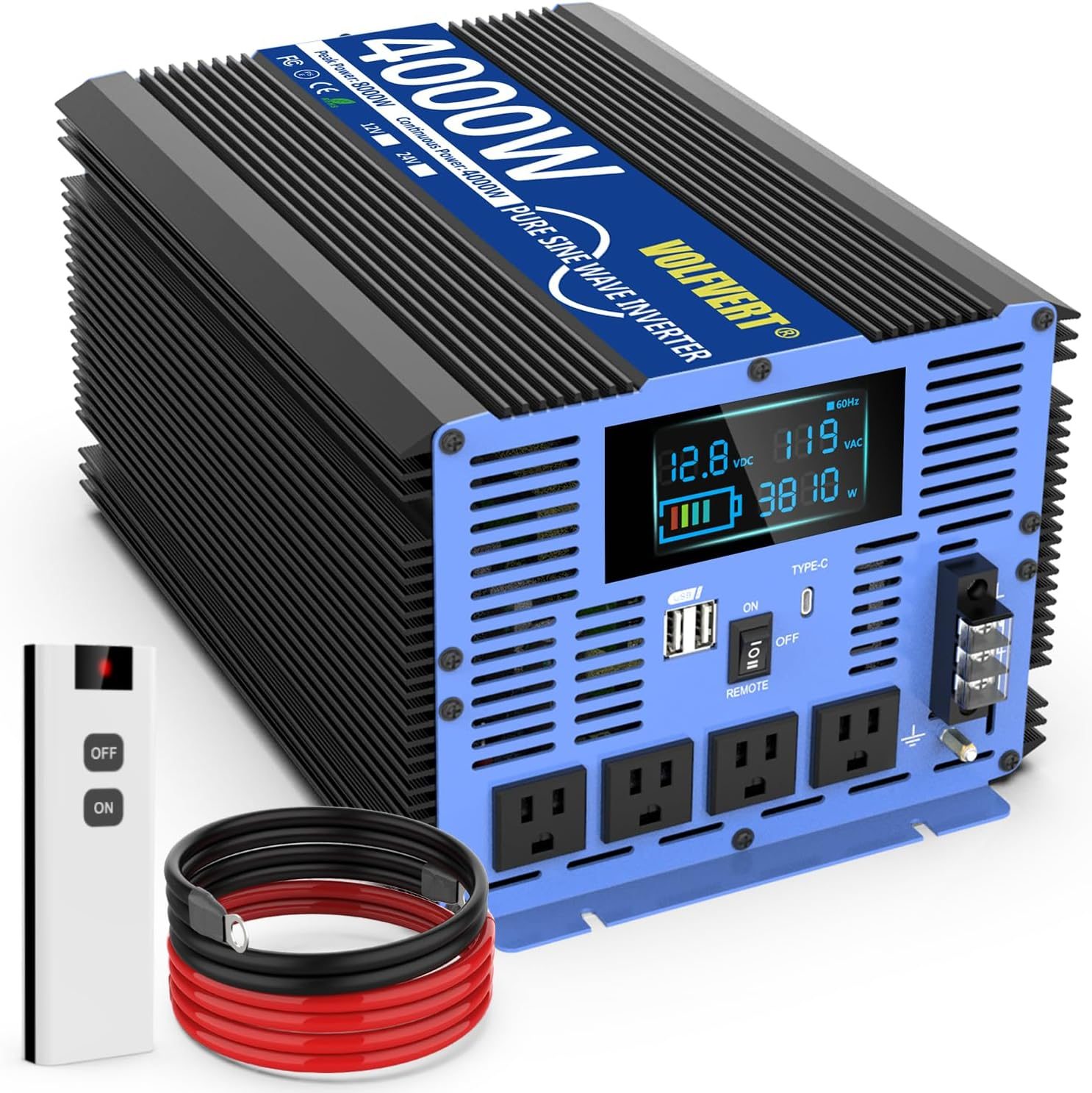
The most critical factor in continuous inverter usage is the difference between surge power and continuous power ratings. An inverter might be marketed as a 3000W unit, but that figure often represents the peak capacity it can handle for a few seconds. For 24/7 operation, you should never load an inverter to more than 80% of its continuous rated capacity. Running at 100% capacity generates significant internal heat, which accelerates the degradation of capacitors and power transistors.
Heat is the primary enemy of electronics. Inverters rely on internal fans and heat sinks to dissipate the energy lost as heat during the conversion from DC to AC. If the ambient temperature of the installation area is too high, or if the ventilation is obstructed, the unit will likely trigger a thermal shutdown or suffer catastrophic hardware failure over time.
Comparative Analysis of Inverter Types for Continuous Duty
| Feature | Modified Sine Wave | Pure Sine Wave |
|---|---|---|
| Continuous Duty Reliability | Low | High |
| Efficiency | Moderate | High |
| Compatibility with Sensitive Gear | Poor | Excellent |
| Thermal Stress | High | Low to Moderate |
Essential Steps for Setting Up a 24/7 Inverter System
To ensure your system remains stable and safe during long-term operation, follow these installation procedures to minimize the risk of fire or hardware burnout:
- Calculate your total constant load by adding up the wattage of all devices that will be plugged in simultaneously.
- Select an inverter with a continuous wattage rating at least 25% higher than your calculated load to ensure the unit runs cool.
- Install the inverter in a clean, dry, and well-ventilated space, ideally with at least six inches of clearance on all sides for airflow.
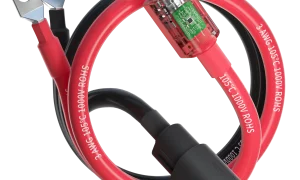
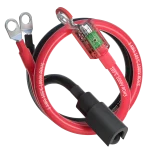
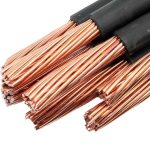
- Use heavy-gauge copper cabling to connect the inverter to your battery bank to prevent voltage drop and excessive heat at the terminals.
- Implement a proper grounding system to protect against electrical surges and ensure safety for all connected appliances.
- Monitor the system periodically, checking for unusual fan noise, hot spots, or fluctuations in output voltage.
Risks of Improper Continuous Use
The most common mistake users make is ignoring the quality of the power source. If you are running an inverter from a battery bank, the batteries themselves must be maintained. If the battery voltage drops too low, the inverter will draw higher current to compensate, which can lead to overheating. This cycle of low-voltage stress is a frequent cause of inverter failure in solar-powered homes.
📷 Photo by amazon.com
Another risk is the buildup of dust. Over months of 24/7 operation, cooling fans can pull dust and debris into the internal circuitry. This acts as an insulator, trapping heat inside the chassis. Regular maintenance, such as blowing out the dust with compressed air while the unit is powered down, is vital for maintaining the efficiency and lifespan of your hardware.
When Should You Not Run an Inverter 24/7?
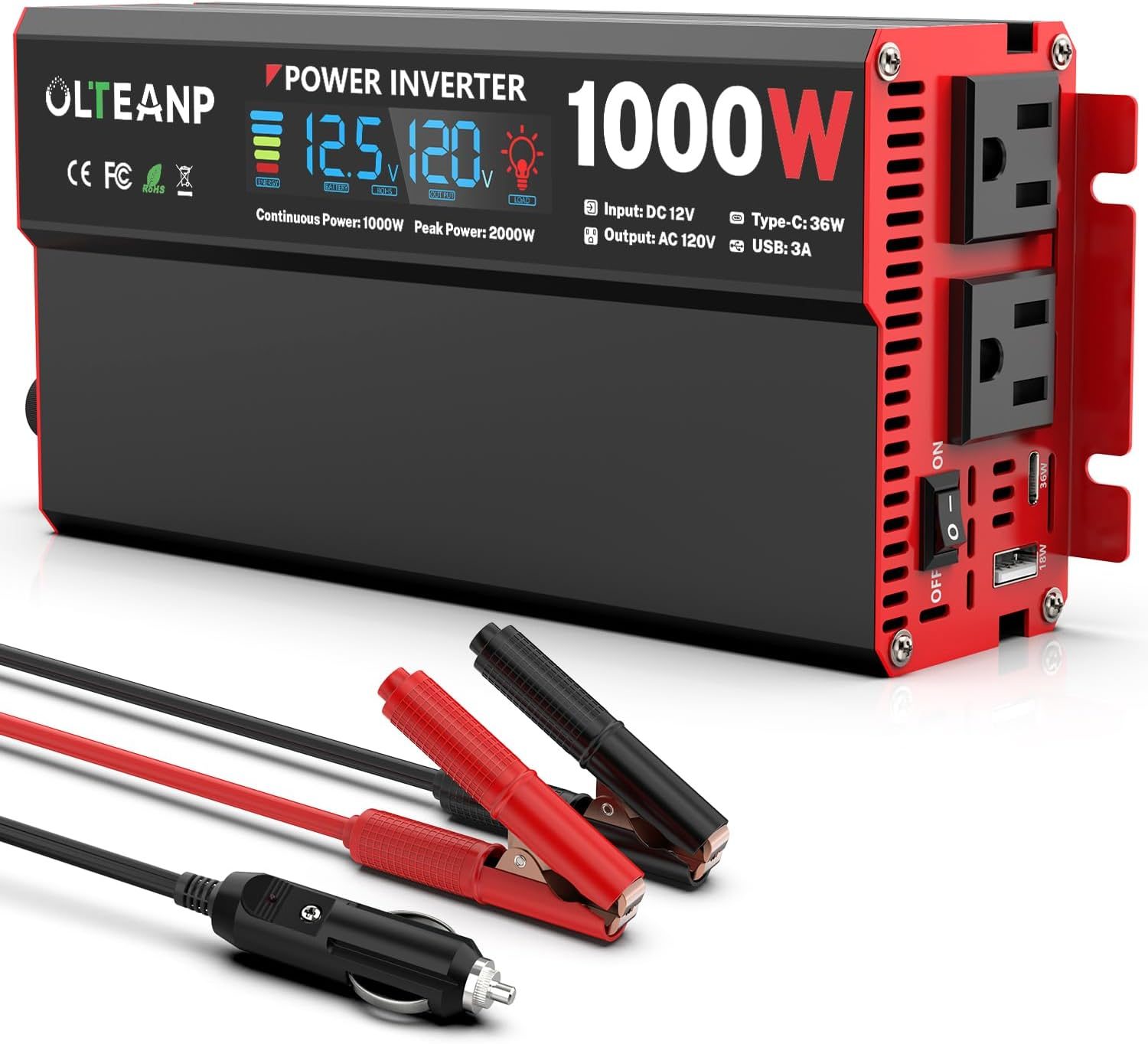
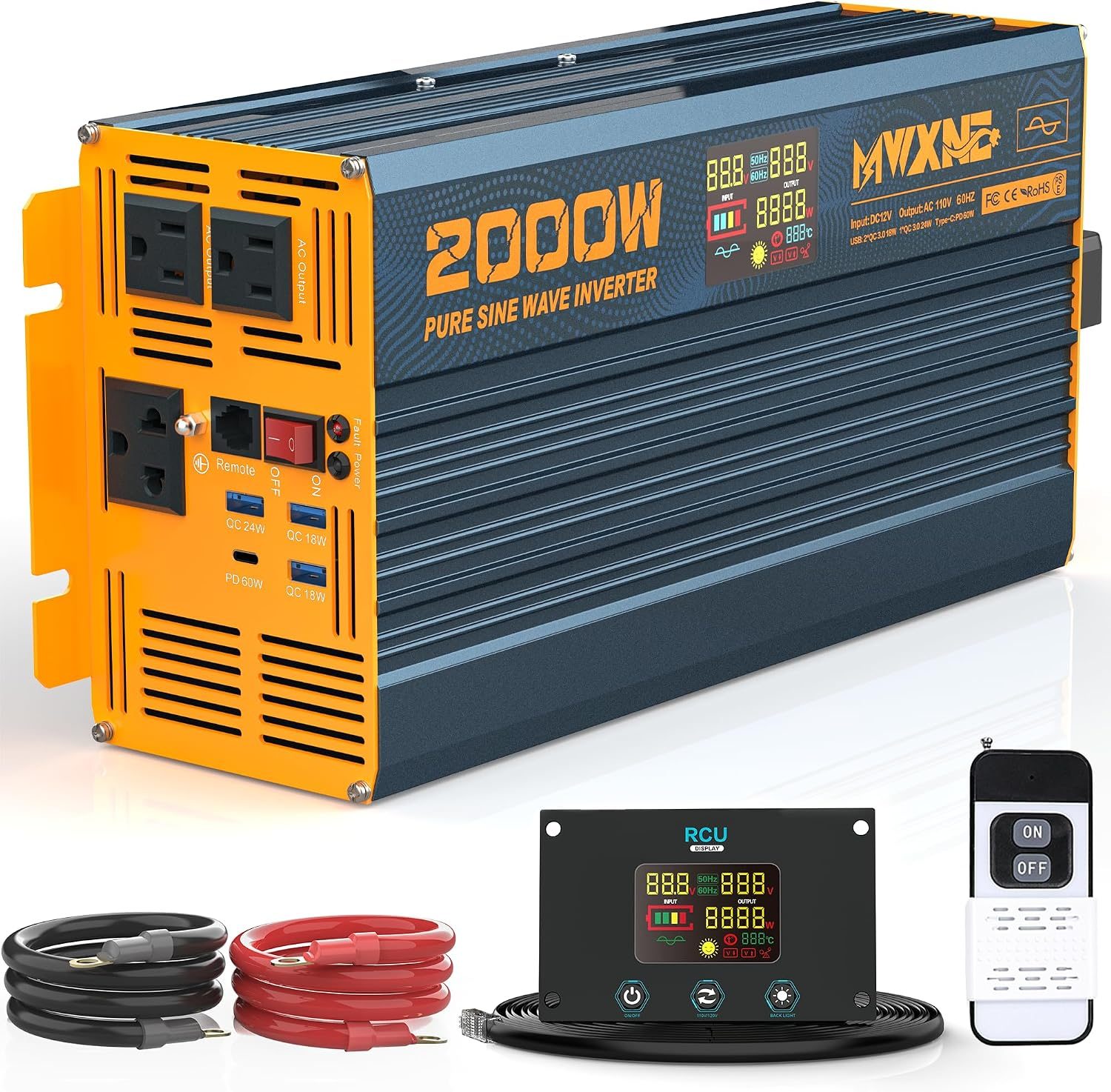
Not all inverters are created equal. If you are using a portable, budget-friendly inverter designed for occasional car camping or emergency use, you should avoid 24/7 operation. These units often lack the robust transformers and heat dissipation systems required for constant power delivery. Furthermore, if your load is highly inductive—such as large motors or compressors—the startup spikes can cause the inverter to cycle on and off, potentially damaging both the inverter and the appliances.
📷 Photo by nepal.ubuy.com
Frequently Asked Questions
Q: Will running my inverter 24/7 drain my batteries faster?
A: The inverter consumes a small amount of power just to remain “on,” known as the idle current draw. While this is negligible for large banks, it will slowly drain batteries if the charging source, such as solar panels or a generator, is not keeping up with the demand.
Q: How do I know if my inverter is overheating?
A: Most modern inverters have built-in thermal protection. If the unit feels extremely hot to the touch, the cooling fans are running at maximum speed constantly, or the inverter shuts off unexpectedly, it is likely reaching its thermal limit and requires better ventilation or a lower load.
Q: Can I leave a pure sine wave inverter on even if nothing is plugged in?
A: Yes, you can, but it is inefficient. Even with no load, the inverter draws power to keep its internal circuits active. If you are operating off-grid, it is best practice to switch the inverter off when no power is required to conserve your battery bank.
📷 Photo by amazon.ca
Ultimately, continuous operation is entirely feasible provided you prioritize high-quality, pure sine wave equipment and maintain a cool, clean environment. By respecting the load limits and performing regular maintenance, your inverter can provide reliable power for years of uninterrupted service.
📷 Photo by bidfta.com