

Vanonpower.com – An inverter sizing calculator determines the correct capacity by summing the continuous power consumption of all connected appliances while accounting for the high startup surge wattage required by inductive loads like motors and compressors.
Selecting the right inverter is the most critical step in designing an off-grid power system or a reliable backup setup. If your inverter is too small, it will trigger an overload protection shutdown the moment you turn on a refrigerator or a power tool. If it is too large, you waste money and suffer from higher idle power consumption, which drains your battery bank faster than necessary.
Understanding Continuous vs. Surge Wattage
To calculate the correct size, you must distinguish between two types of power requirements. Continuous wattage is the amount of power an appliance needs to run steadily once it is already turned on. This is what you see listed on most standard energy labels. Every device that stays plugged in and running, such as a laptop charger, a television, or LED lighting, operates on continuous power.
Surge wattage, also known as starting wattage, is the temporary burst of power required to overcome the initial inertia of devices with electric motors or compressors. Items like refrigerators, sump pumps, air conditioners, and circular saws can draw three to seven times their running wattage for a few seconds during startup. Your inverter must be capable of handling this spike without tripping its internal safety circuits.
Step-by-Step Calculation Guide
Follow these steps to determine the exact inverter capacity required for your specific needs:
📷 Photo by amazon.com
- List every appliance you intend to power simultaneously.
- Identify the continuous wattage for each device by checking the label on the back or the manufacturer’s manual.
- Identify the surge wattage for motor-driven devices. If the surge rating is not listed, multiply the continuous wattage by 3 as a safe conservative estimate.
- Sum all continuous wattage values to find your Total Continuous Load.
- Identify the single highest surge wattage value from your list.
- Add your Total Continuous Load to the single highest surge wattage (or use the highest surge rating as your peak requirement) to determine your minimum inverter capacity.
Comparative Analysis of Load Types
Not all devices are created equal when it comes to power draw. The table below highlights the difference in behavior between common household electronics and motorized equipment.
| Appliance Type | Continuous Wattage (Avg) | Surge Factor | Typical Surge Wattage |
|---|---|---|---|
| LED Light Bulb | 10W | 1x | 10W |
| Laptop Charger | 65W | 1x | 65W |
| Refrigerator (Small) | 150W | 5x | 750W |
| Microwave Oven | 1000W | 2x | 2000W |
| Circular Saw | 1200W | 3x | 3600W |
Common Pitfalls in Inverter Sizing
One of the most frequent mistakes users make is ignoring the “efficiency gap.” Inverters are not 100 percent efficient; they lose some energy as heat during the conversion process from DC to AC. It is standard practice to add a 20 percent buffer to your final calculated continuous wattage. If your total load is 1000W, you should aim for an inverter rated for at least 1200W of continuous output.
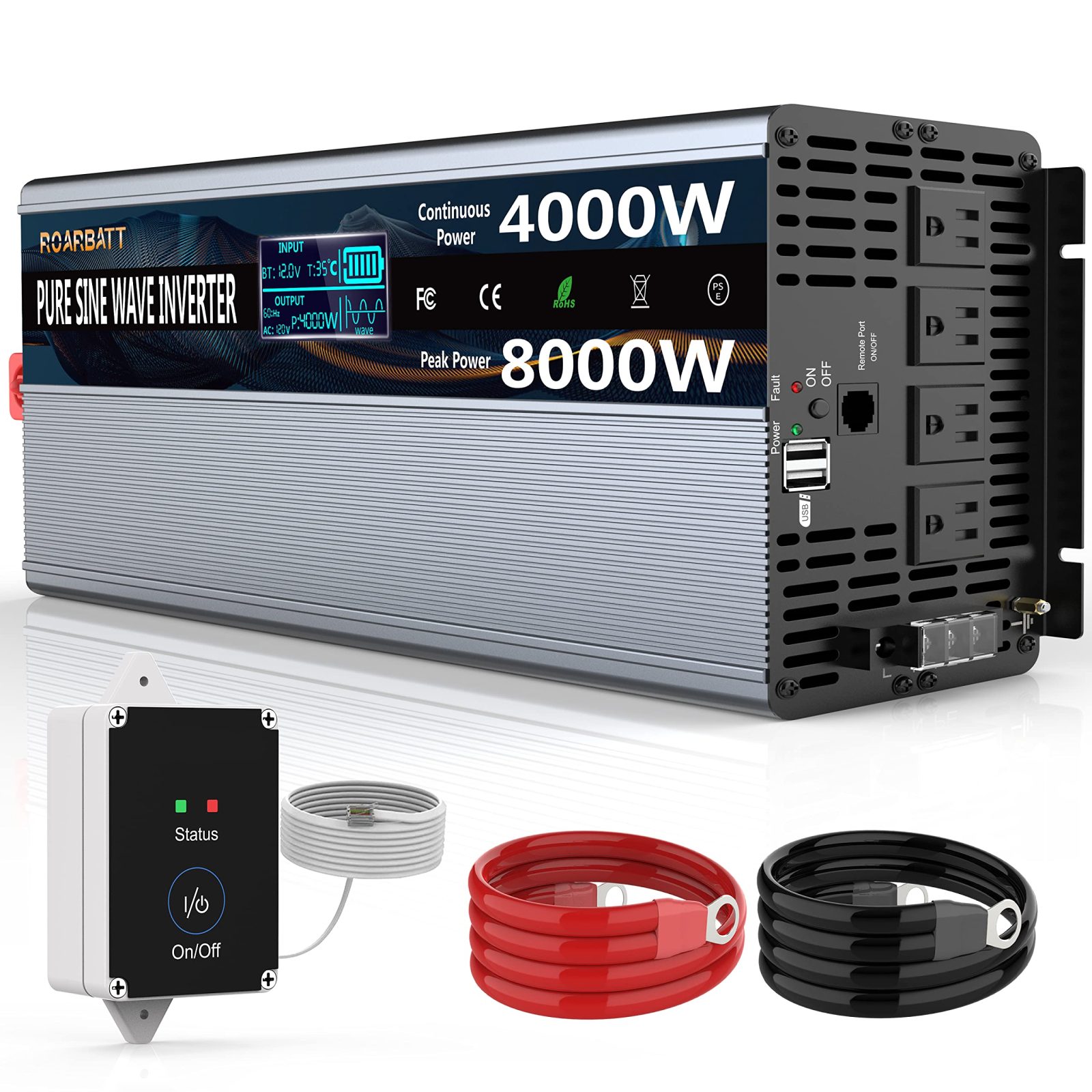
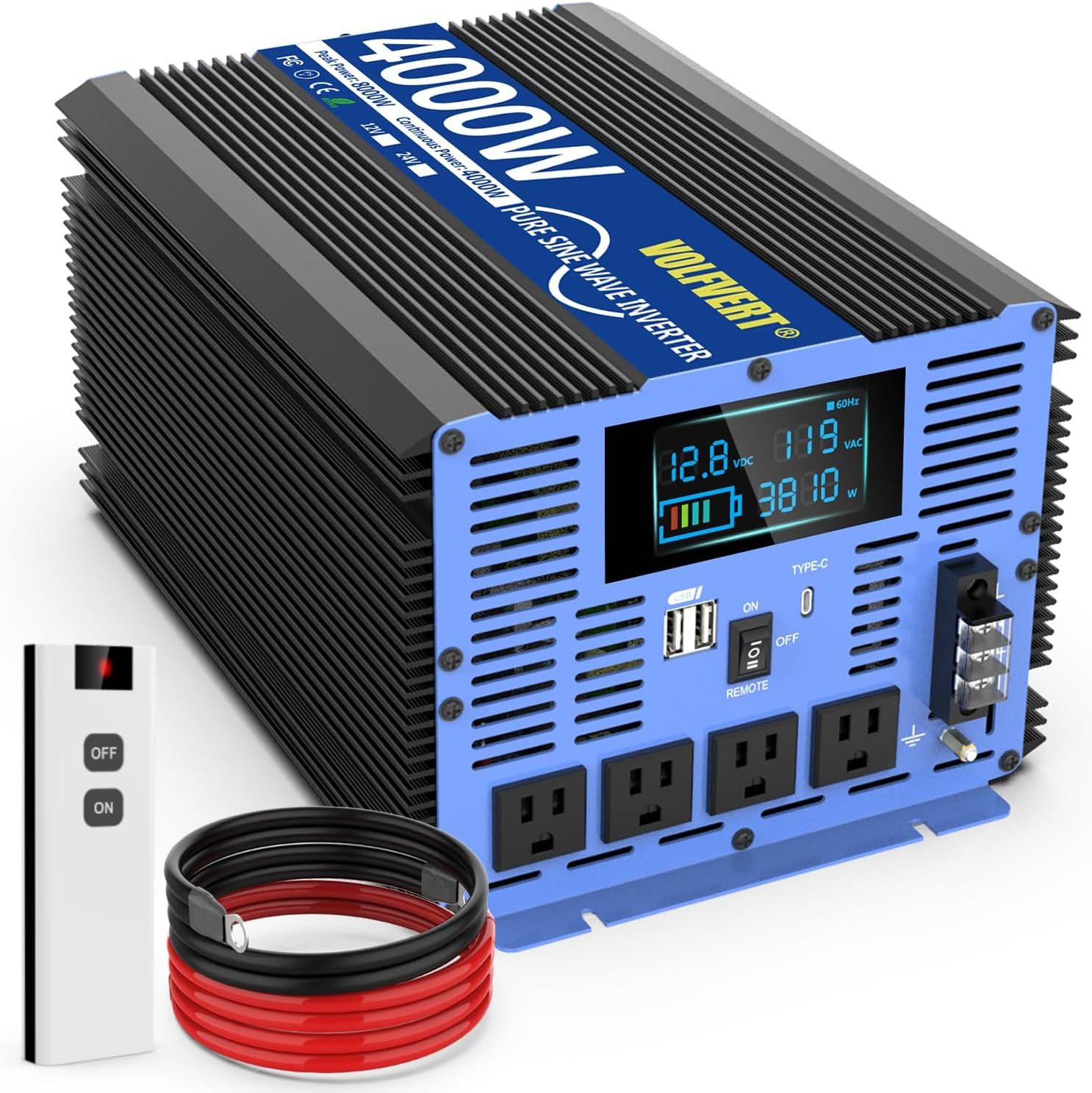
Another issue is the quality of the waveform. While sizing is primarily about wattage, the type of inverter matters. Modified sine wave inverters are cheaper but can damage sensitive electronics or cause motors to run hot and inefficiently. Always verify that your sizing calculation is paired with a Pure Sine Wave inverter if you plan to power medical equipment, high-end audio gear, or modern smart appliances.
Risks of Incorrect Sizing
Under-sizing an inverter leads to frequent system crashes. When the surge demand exceeds the inverter’s capability, the unit will enter a protective shutdown mode to prevent permanent damage to its internal transistors. In the worst-case scenario, if the internal protection fails, you risk burning out the inverter entirely.
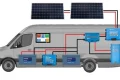
Over-sizing, while safer for your equipment, is inefficient. Larger inverters have a higher “idle current draw,” meaning they consume power just by being turned on, even if nothing is plugged into them. If you are operating from a limited battery bank, such as in a camper van or a small solar shed, an over-sized inverter will significantly reduce your total runtime by wasting precious amp-hours.
Frequently Asked Questions
Q: Can I run multiple high-surge appliances at the same time?
📷 Photo by amazon.com
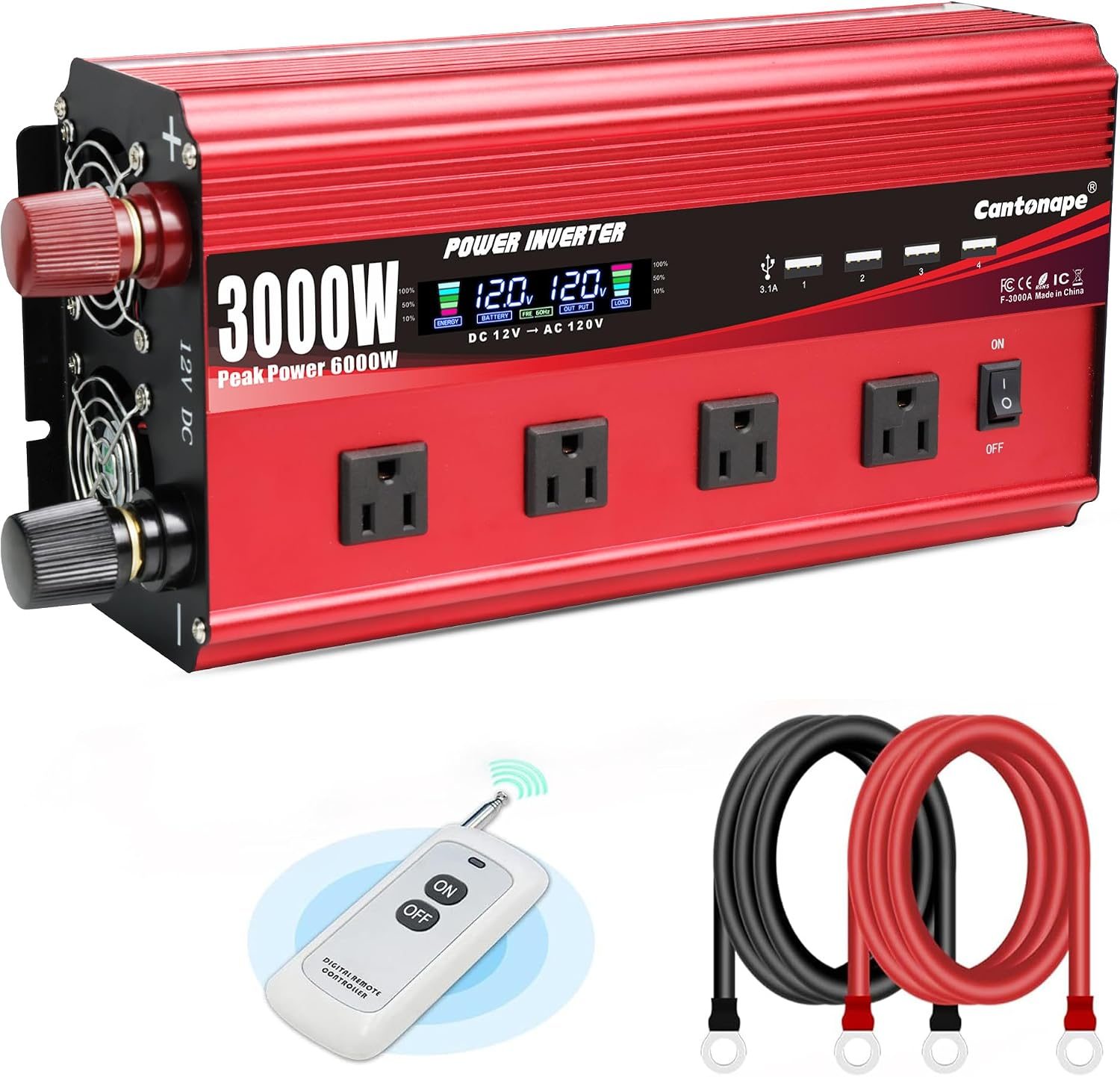
A: It is generally discouraged unless your inverter is specifically rated for such loads. Most systems are designed to handle one major surge at a time, so you should stagger the startup of devices like refrigerators and pumps.
Q: Does the battery bank size affect inverter performance?
A: Yes, if your battery bank cannot provide enough amperage to meet the inverter’s demand during a surge, the battery voltage will drop too low, causing the inverter to shut down due to low-voltage protection, regardless of the inverter’s own power rating.
Q: Is it better to buy one large inverter or two smaller ones?
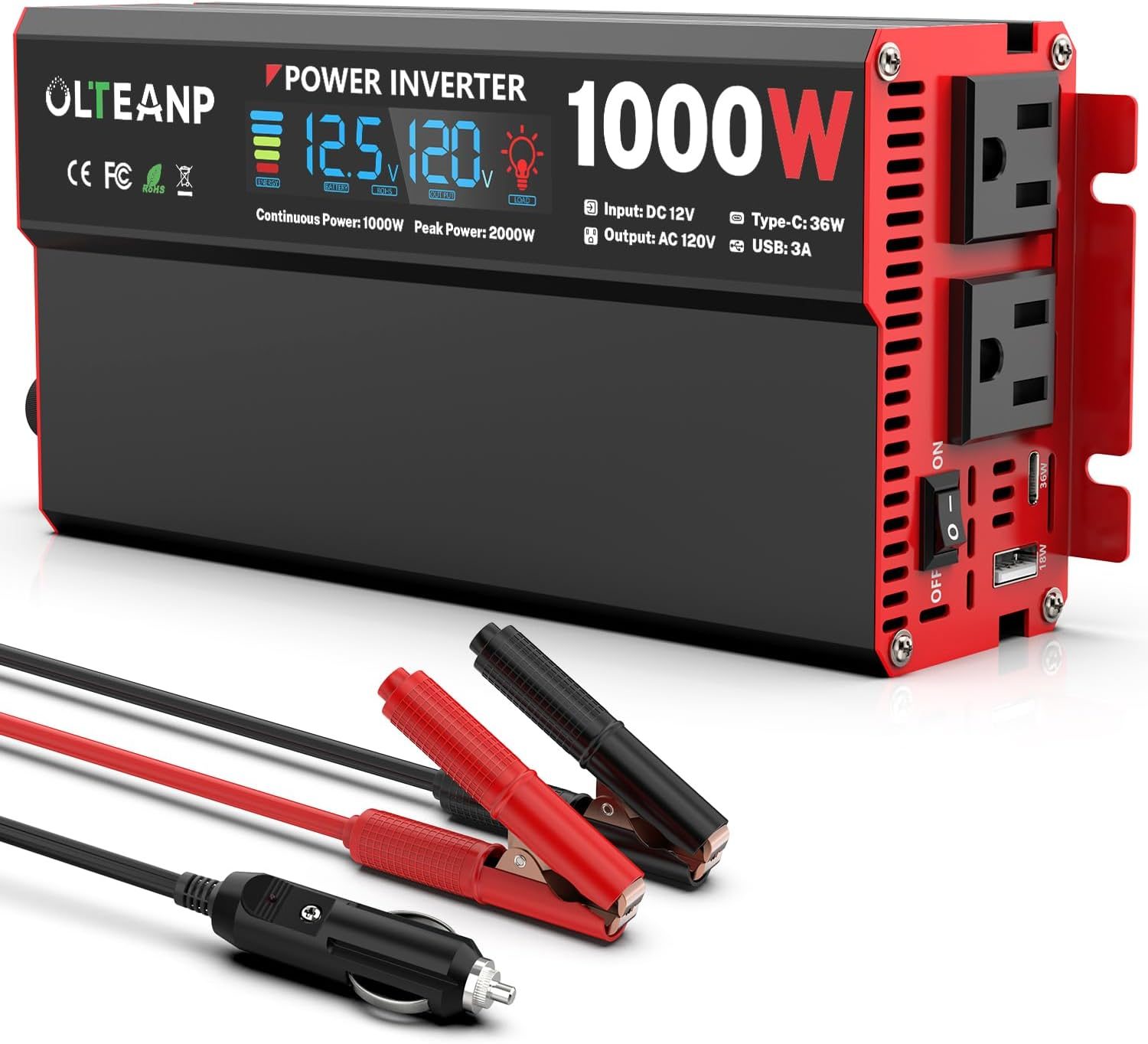
A: For most users, one large, high-quality pure sine wave inverter is more efficient and easier to manage. However, using two separate inverters can provide redundancy; if one fails, you still have a backup power source for essential items.
📷 Photo by amazon.com
By carefully auditing your load requirements and applying the surge factor to your motor-driven appliances, you ensure a stable power supply. Always prioritize high-quality components and remember that your inverter is only as reliable as the battery bank feeding it.
📷 Photo by bidfta.com