

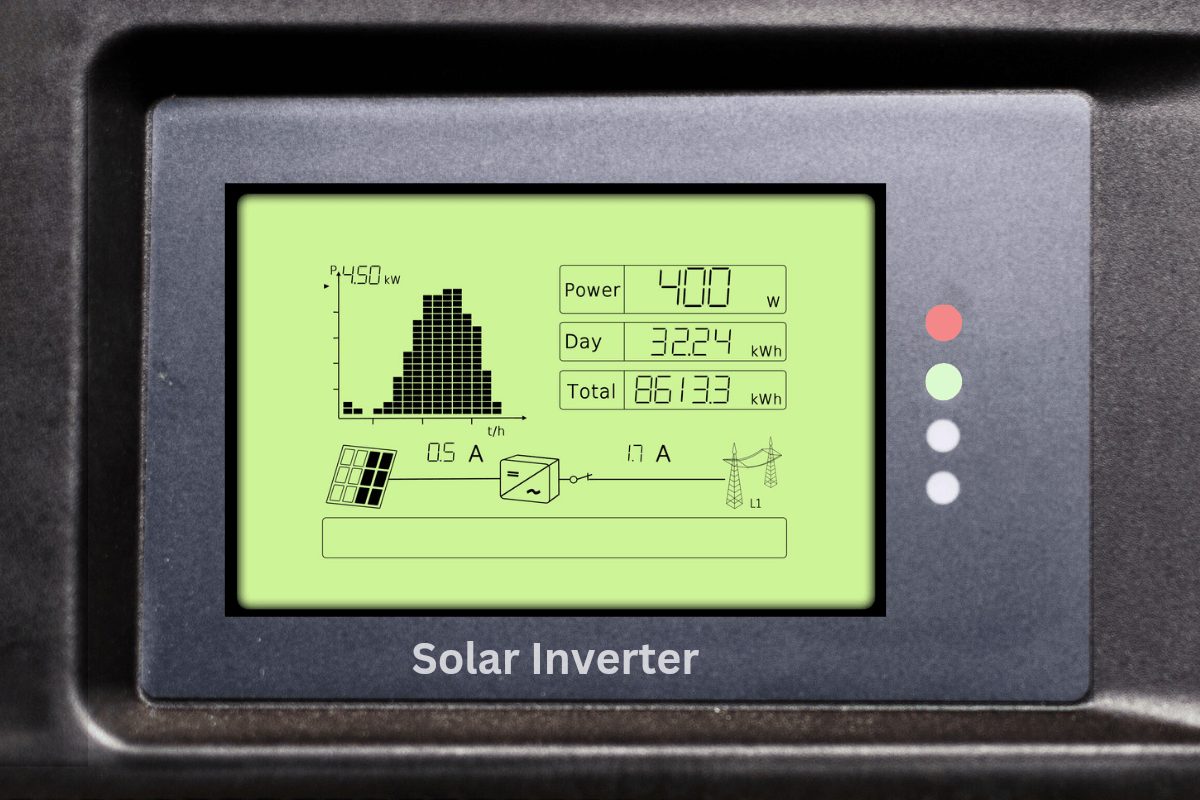
Vanonpower.com – Inverter error code E04 typically indicates an undervoltage fault, meaning the DC input voltage from your battery bank or power source has dropped below the inverter’s minimum operating threshold. This protection mechanism prevents the device from drawing excessive current and damaging internal components when the power supply is insufficient.
Understanding the Mechanics of E04
When an inverter displays the E04 code, it is essentially acting as a safety monitor. Every inverter is designed to operate within a specific voltage window. If you are using a 12V system, the inverter usually expects a stable voltage between 11V and 15V. If the voltage dips below the factory-set limit—often around 10.5V under load—the inverter shuts down output to protect both the battery from deep discharge and the inverter circuitry from heat-related failure.
The error is rarely a sign of a broken inverter, but rather a sign of an electrical system struggling to keep up with the demands placed upon it. Identifying the root cause requires looking at the entire power chain, from the battery terminals to the appliance being powered.
Common Causes of Undervoltage Faults
The most frequent culprit is a battery that has reached a low state of charge. However, even with a fully charged battery, the E04 code can trigger due to “voltage sag.” This occurs when high-current appliances, such as microwaves, induction cooktops, or power tools, draw a massive surge of power that the cables or battery cannot supply instantaneously. The resulting resistance in the wiring causes the voltage at the inverter’s input terminals to drop momentarily, triggering the protection mode.
Loose or corroded connections also play a significant role. If there is even a slight amount of oxidation on the battery terminals or if the lug nuts are not tightened to the manufacturer’s specifications, the resistance increases. This physical resistance creates a bottleneck that prevents the necessary current from reaching the inverter, causing the voltage to plummet the moment the inverter tries to start an AC load.
Troubleshooting and Clearing the E04 Error
Clearing the E04 error is generally a matter of restoring the input voltage to a safe operating range. The error is self-clearing, meaning that once the voltage rises above the threshold, the inverter should resume normal operation automatically. Follow these steps to resolve the issue systematically:
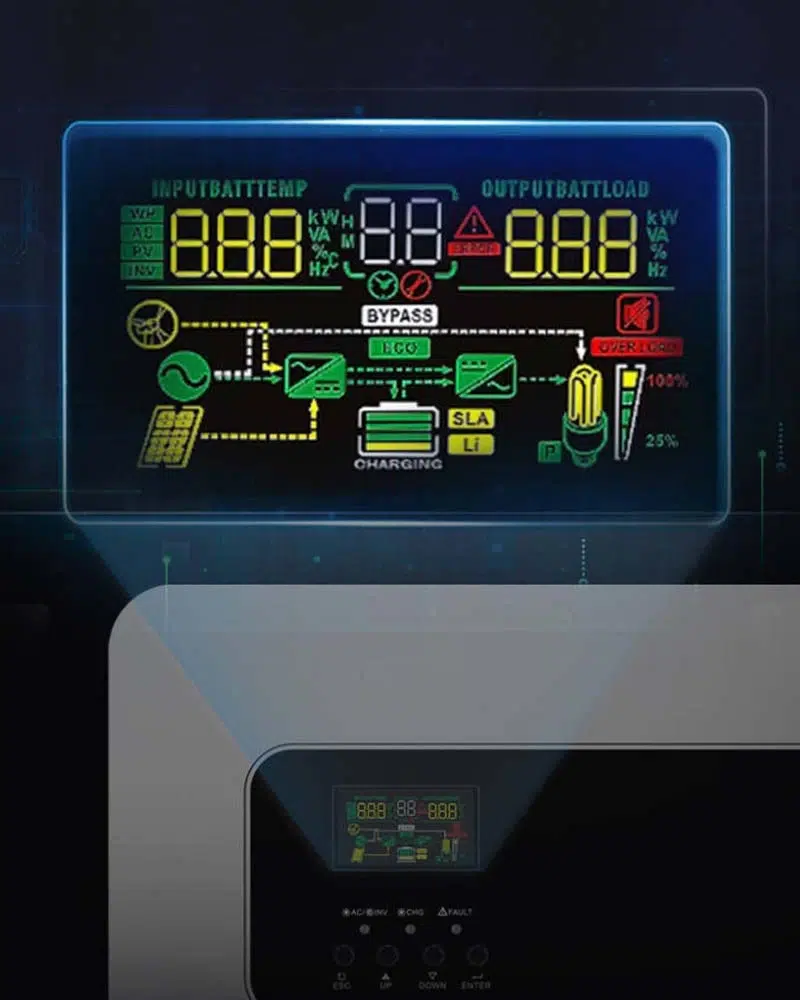
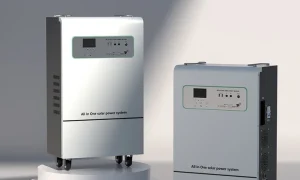
📷 Photo by techfinepv.com
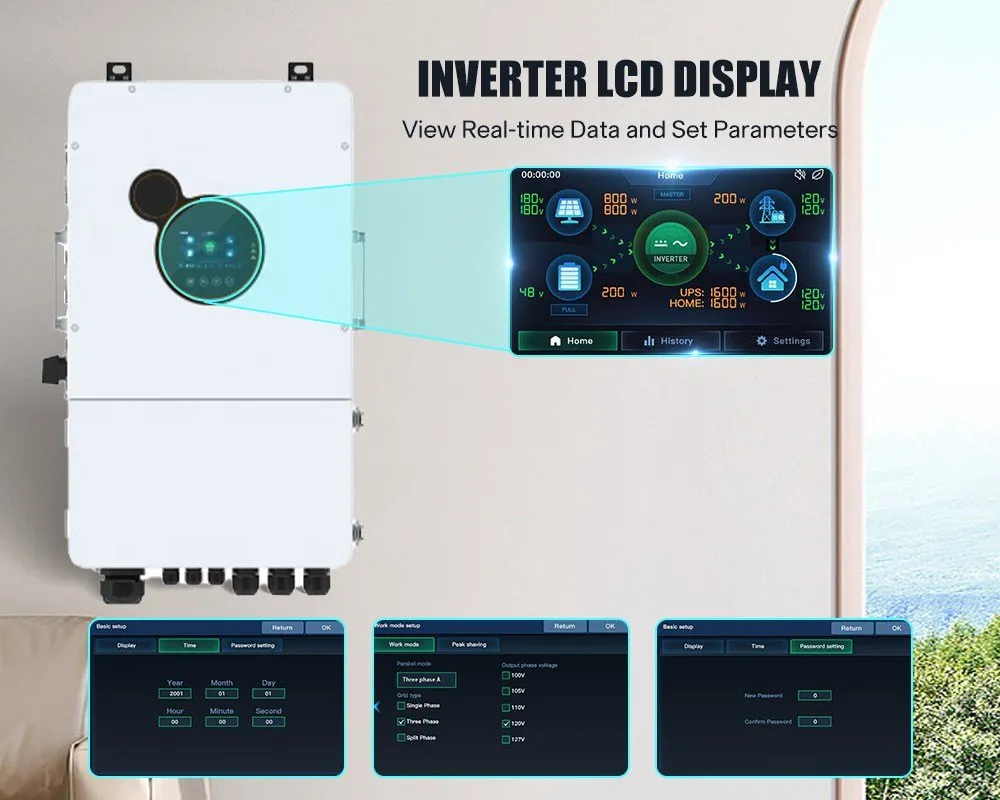
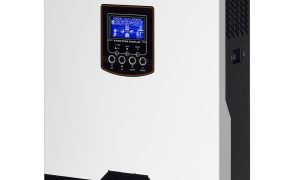
📷 Photo by pretapower.com
- Check the battery voltage using a digital multimeter at the battery terminals, not just the inverter display. If the voltage is below 12.0V for a 12V system, the battery requires a full recharge.
- Inspect all cable connections between the battery and the inverter. Ensure they are clean, free of corrosion, and tightened firmly. High-resistance connections are a common cause of phantom E04 errors.
- Verify that the cable gauge is appropriate for the inverter’s power rating. Cables that are too thin will create a voltage drop under load, causing the inverter to “see” a lower voltage than what the battery is actually providing.
- Reduce the load on the inverter. If you are running multiple high-power devices, turn them off and attempt to restart the inverter with a smaller load to see if the error persists.
- If the error persists with a fully charged battery and proper wiring, test the inverter with a different power source or a shorter, thicker cable to rule out internal component failure.
Technical Comparison of Voltage Thresholds
Understanding how different inverter systems react to voltage fluctuations is essential for system planning. The table below outlines typical thresholds for common inverter configurations.
| System Voltage | Undervoltage Warning | Shutdown Threshold (E04) | Restart Threshold |
|---|---|---|---|
| 12V System | 11.0V | 10.5V | 11.5V |
| 24V System | 22.0V | 21.0V | 23.0V |
| 48V System | 44.0V | 42.0V | 46.0V |
The Role of Cable Resistance
One of the most overlooked aspects of inverter performance is the physical installation. Users often focus on the battery capacity but ignore the path electricity takes to get to the inverter. If you use cables that are too long or too thin, you encounter a phenomenon known as voltage drop. For every foot of cable, there is a small amount of resistance. Under heavy load, this resistance turns electrical energy into heat, and the voltage drops significantly by the time it reaches the inverter input terminals.
To mitigate this, always keep your inverter as close to the battery bank as possible. If you must use long cables, you must compensate by increasing the wire gauge (using a thicker cable). A standard rule of thumb is to use 2/0 AWG or thicker for high-wattage inverters to ensure that the voltage available at the inverter is as close to the battery voltage as possible.
Preventing Future E04 Faults
Prevention is centered on maintenance and load management. Periodically check your battery health; lead-acid batteries, in particular, lose capacity over time, which makes them more prone to voltage sag under load. If you are using a lithium-ion (LiFePO4) battery, ensure that your Battery Management System (BMS) is not cutting off power prematurely due to a high-draw protection setting.
Additionally, avoid “daisy-chaining” power strips or using low-quality extension cords between your appliances and the inverter. These can introduce enough resistance to cause issues when running sensitive equipment. Always prioritize direct connections for high-draw items.
Frequently Asked Questions
Q: Does the E04 error mean my battery is permanently damaged?
A: Not necessarily. It usually means the battery is currently discharged or unable to provide the required current. However, if you frequently drain your batteries below their recommended depth of discharge, you will eventually cause permanent capacity loss.
Q: Can I bypass the E04 error by changing the settings?
A: Most inverters do not allow you to bypass the undervoltage protection because it is a critical safety feature. Attempting to disable it could lead to battery fires, cable overheating, or permanent inverter damage.
Q: Why does the E04 error happen only when I turn on my air conditioner?
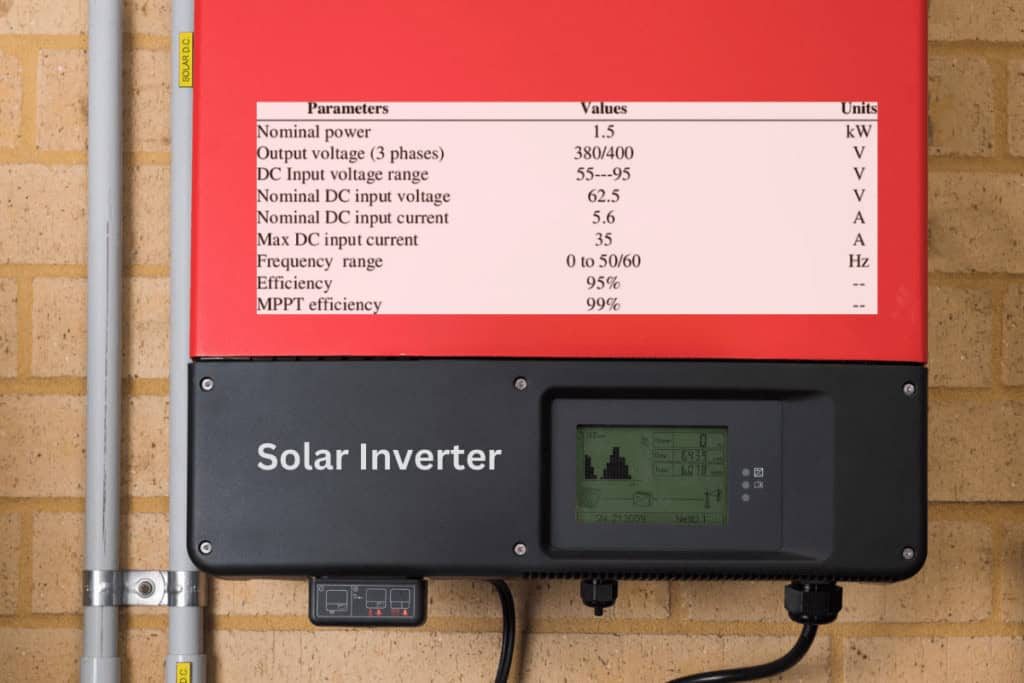
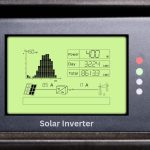
📷 Photo by solaxs.com.au
A: Air conditioners have high “inrush” current requirements when the compressor starts. This spike in demand causes a momentary voltage dip that the inverter interprets as an undervoltage fault. You may need a “soft start” kit for your appliance or a larger battery bank to handle the surge.
By following these diagnostic steps and ensuring your electrical infrastructure is robust, you can minimize downtime and keep your power system operating safely. Always prioritize safety when working with high-current DC systems, and disconnect power sources before performing any physical inspections on wiring.
Read also: How to Wire Inverter Direct to Alternator: Is It Safe?
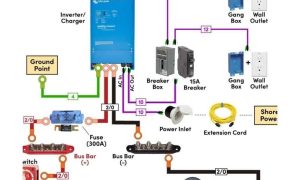
📷 Photo by energytheory.com