





Vanonpower.com – Depth of Discharge (DoD) in Lithium Iron Phosphate (LiFePO4) batteries represents the percentage of energy drained from a battery relative to its total capacity, directly influencing the cycle life and overall longevity of the energy storage system. Maintaining a moderate DoD is the single most effective strategy to maximize the operational lifespan of LiFePO4 chemistry.
Defining Depth of Discharge
Depth of Discharge is a metric that quantifies how much energy has been pulled from a battery. If a battery with a 100Ah capacity delivers 80Ah of energy, it has been discharged to 80% DoD. Unlike lead-acid batteries, which suffer severe degradation when discharged deeply, Lithium Iron Phosphate batteries are chemically robust. However, they are not immune to the laws of electrochemistry. Every time a battery completes a full charge-discharge cycle, internal stress occurs at the atomic level, specifically within the cathode and anode structures.
The relationship between DoD and cycle life is inverse. When you consistently use a battery at a shallow depth of discharge, you reduce the mechanical stress caused by the expansion and contraction of the lithium-ion lattice. Conversely, regular deep discharges—approaching 100% DoD—accelerate the formation of the Solid Electrolyte Interphase (SEI) layer, which eventually leads to capacity fade.
Why DoD Matters for LiFePO4 Longevity
LiFePO4 batteries are famous for their cycle life, often rated for 3,000 to 6,000 cycles. It is critical to understand that these ratings are contingent upon the DoD used during testing. A manufacturer might claim 5,000 cycles at 80% DoD, but if you limit your usage to 50% DoD, you might feasibly extend that battery’s life to 8,000 or 10,000 cycles. This is why off-grid solar systems and electric vehicles often size their battery banks larger than necessary; by having more capacity, the system naturally operates at a shallower DoD for the same energy load.
Comparison of DoD Impact on Cycle Life
| Depth of Discharge (DoD) | Estimated Cycle Life (LiFePO4) | Best Use Case |
|---|---|---|
| 20% | 10,000+ Cycles | Critical backup, high reliability |
| 50% | 6,000 – 8,000 Cycles | Daily solar storage, balanced |
| 80% | 3,000 – 5,000 Cycles | Standard residential use |
| 100% | 2,000 – 3,000 Cycles | Emergency peak power only |
Practical Steps to Manage Battery Health
Managing your battery’s DoD isn’t just about reading a monitor; it requires a systematic approach to energy consumption. By implementing the following steps, you can significantly prolong the life of your LiFePO4 bank.
- Assess your daily average energy consumption to ensure your battery bank is sized to handle your loads without exceeding 80% DoD.
- Configure your Battery Management System (BMS) or inverter settings to set a “Low Voltage Disconnect” (LVD) that prevents the battery from dropping below 20% state of charge.
- Implement a “top-up” charging strategy where you utilize solar power to keep the battery in the 40% to 80% range during daylight hours rather than draining it completely.
- Avoid leaving the battery in a fully discharged state (0% DoD) for extended periods, as this can lead to cell imbalance and permanent chemical degradation.
- Perform a periodic capacity test once a year to ensure your BMS is accurately reporting the state of charge, as drift can lead to incorrect DoD calculations.
Common Mistakes and Risks
One of the most frequent mistakes users make is treating LiFePO4 like a lead-acid battery by ignoring the BMS warnings. While LiFePO4 can handle deep discharges, doing so daily will drastically shorten its service life. Another common error is failing to account for temperature. Charging a battery when it is freezing (below 0 degrees Celsius) can cause lithium plating, which is irreversible. Even if the DoD is shallow, charging at extreme temperatures effectively kills the battery faster than any deep discharge ever could.
Furthermore, many users rely solely on voltage to judge DoD. This is a dangerous practice because the voltage curve of a LiFePO4 battery is extremely flat. The battery will stay at a very similar voltage for the majority of its discharge cycle, making it nearly impossible to guess the remaining capacity without a shunt-based battery monitor or an advanced BMS that tracks Coulomb counting.
Risks of Over-Discharging
If you consistently exceed 90% DoD, you risk triggering the BMS low-voltage protection frequently. While the BMS is designed to protect the battery, constant cut-offs are a sign that the system is undersized. Repeatedly hitting these limits can lead to “cell drift,” where individual cells within the pack fall out of balance. Once cells become unbalanced, the total usable capacity of the entire battery pack is limited by the weakest cell, leading to a frustrating cycle of reduced performance.
Frequently Asked Questions
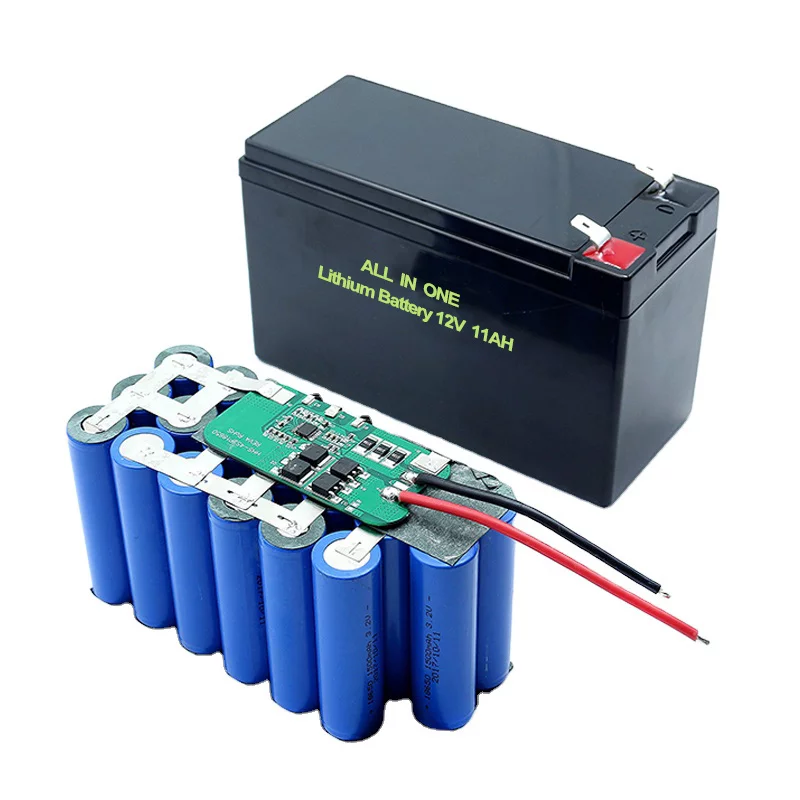
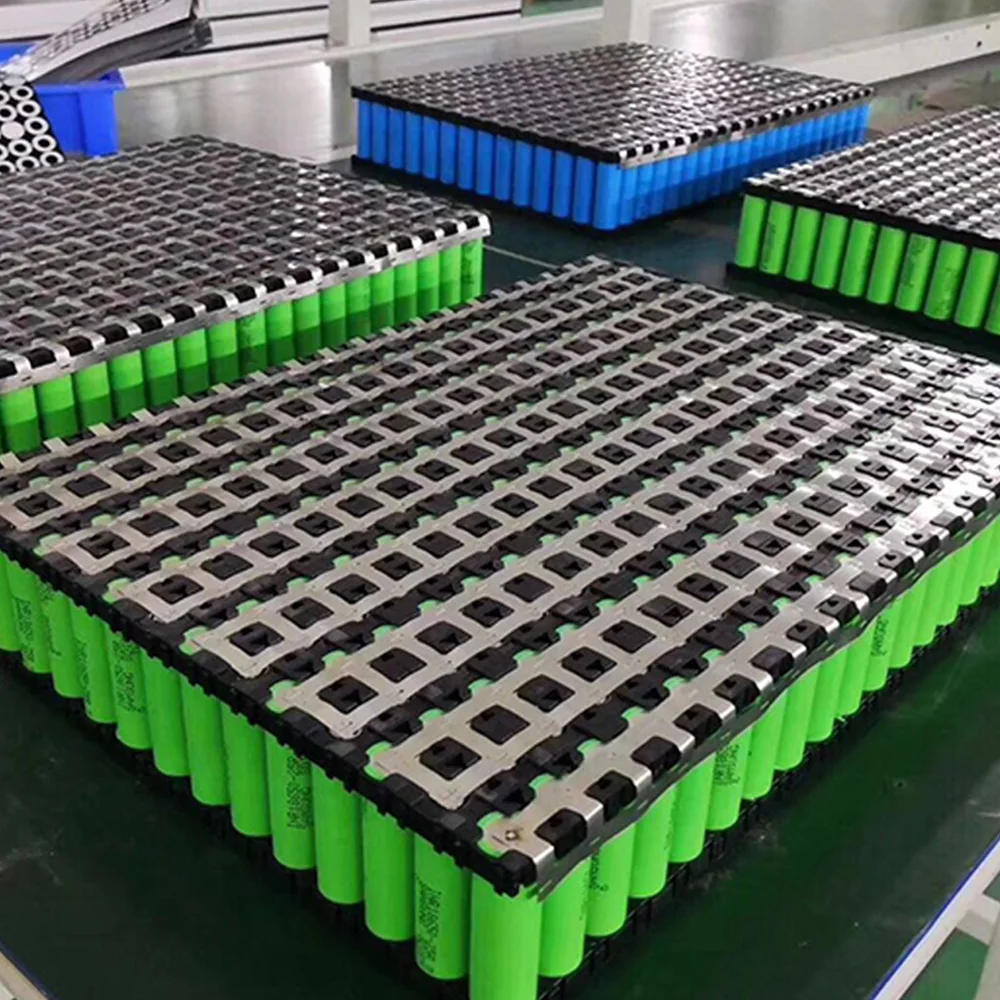
📷 Photo by ilmondodifutura.com
Q: Is it better to keep my LiFePO4 battery at 100% charge all the time?
A: No. Keeping a battery at 100% state of charge for long periods, especially in hot environments, places constant stress on the electrolyte. It is healthier to keep the battery between 40% and 80% if you do not plan on using the full capacity immediately.
Q: Does the discharge rate (Amperage) affect the DoD?
A: Yes, high-current discharges cause a “voltage sag.” This can make your BMS think the battery is at a lower state of charge than it actually is, potentially triggering a premature shutdown even if the actual DoD is not yet critical.
Q: Can I mix old and new batteries with different DoD histories?
A: It is strongly discouraged. Batteries with different cycle histories and DoD exposures will have different internal resistances and capacities, which will lead to severe imbalance and potential failure of the entire system.
In summary, while LiFePO4 technology is incredibly resilient, your management of Depth of Discharge will define whether your system lasts for five years or fifteen. By operating within the “sweet spot” of 20% to 80% DoD, you ensure that your energy storage remains efficient, reliable, and cost-effective for the long haul.
Read also: Can You Mix Different Brands or Capacities of LiFePO4 Batteries?
📷 Photo by batteryinc.in