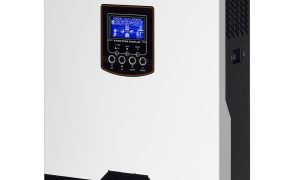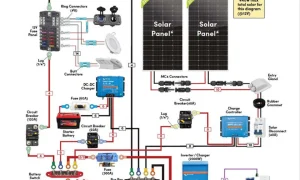


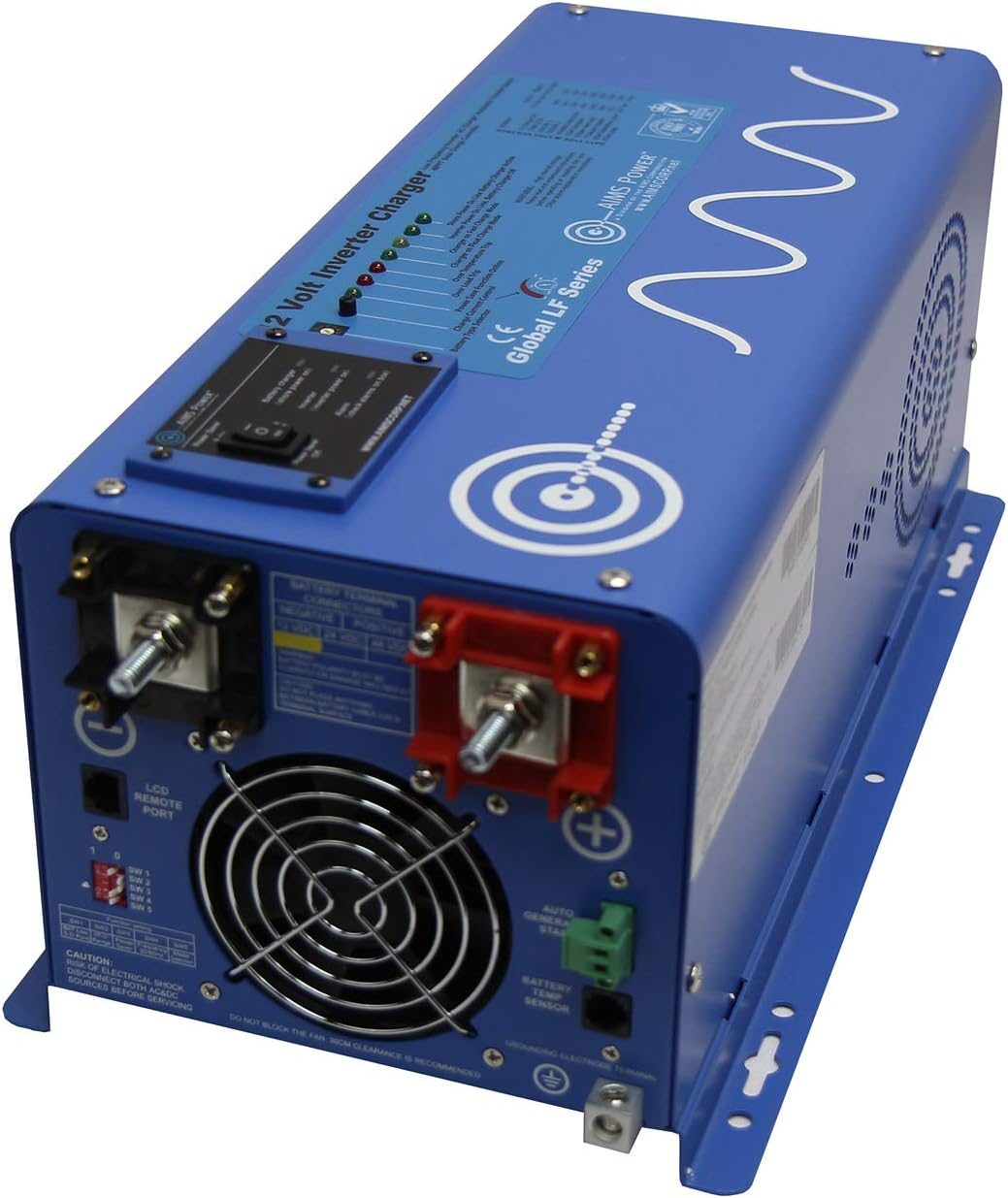
Vanonpower.com – An inverter converts DC battery power into AC electricity to run household appliances, whereas a converter changes AC shore power into DC electricity to charge your RV batteries and power 12V lights.
Understanding the distinction between these two components is essential for any RV owner looking to manage their electrical system effectively. While they are often mentioned in the same breath, they serve opposite functions and are critical for different aspects of your off-grid or campsite experience. Misunderstanding their roles can lead to dead batteries, damaged appliances, or an inability to use your equipment when you need it most.
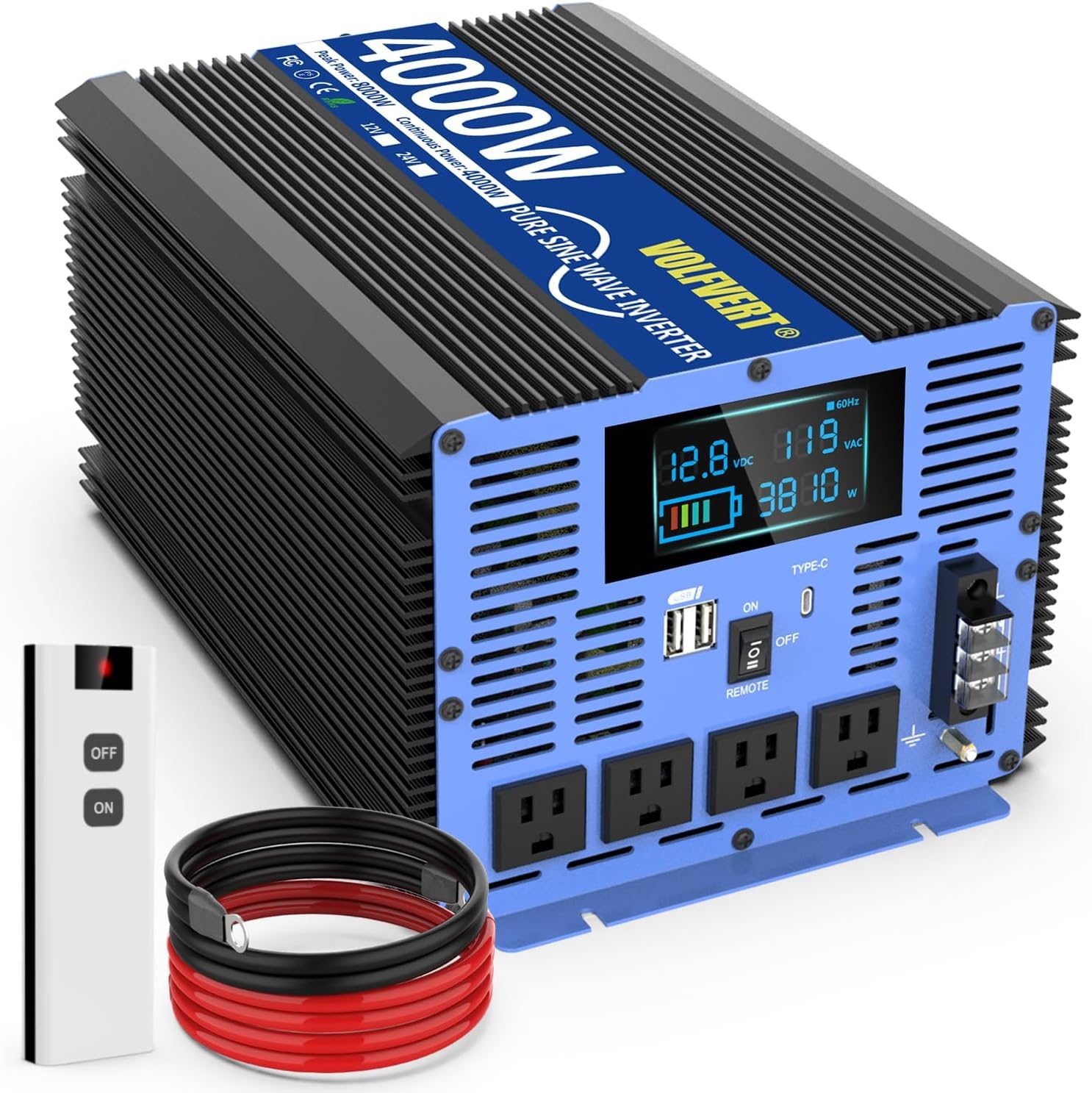
📷 Photo by amazon.com
The Core Function of an Inverter
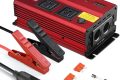
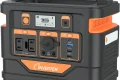
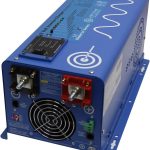
The primary purpose of an inverter is to take the 12-volt DC (Direct Current) power stored in your RV batteries and transform it into 120-volt AC (Alternating Current) power. This is the same type of electricity found in standard wall outlets at home. Without an inverter, you would be unable to use devices like laptops, coffee makers, hair dryers, or televisions while boondocking or camping away from electrical hookups.
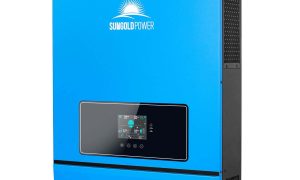
Inverters come in two main types: Modified Sine Wave and Pure Sine Wave. A modified sine wave inverter is cheaper but can cause sensitive electronics like smart TVs or medical equipment to buzz or malfunction. A pure sine wave inverter provides clean, stable power that mimics the electricity from your home grid, ensuring that all your sensitive gadgets run safely and efficiently.
The Essential Role of a Converter
A converter acts as the workhorse for your RV whenever you are plugged into “shore power” at a campground. Its job is to take the 120-volt AC power coming from the campsite pedestal and step it down to 12-volt DC power. This process is vital because it keeps your RV’s battery bank charged and powers the internal systems that run on DC, such as your ceiling lights, water pump, and furnace fan.
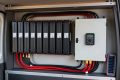
Most modern RVs come equipped with a converter-charger unit. When you connect to an external power source, the converter automatically senses the incoming voltage and begins the multi-stage charging process for your batteries. If your converter fails, you might notice your lights dimming even while plugged in, or your batteries failing to hold a charge after a long trip.
Key Technical Differences at a Glance
| Feature | Inverter | Converter |
|---|---|---|
| Input Power | 12V DC (Battery) | 120V AC (Shore Power) |
| Output Power | 120V AC (Appliances) | 12V DC (Systems/Charging) |
| Primary Use | Running home appliances | Charging batteries/DC power |
| System State | Off-grid (Boondocking) | On-grid (Campground) |
Common Mistakes and Practical Risks
One of the most frequent mistakes RV owners make is assuming their inverter is also charging their batteries. While some high-end units known as “inverter-chargers” do both, a standard standalone inverter does not charge your batteries. If you rely solely on an inverter without a proper charging source like solar panels or a converter, you will quickly deplete your battery bank.
Another risk involves the size or capacity of the inverter. If you attempt to run a high-wattage appliance, such as an electric kettle or microwave, on an inverter that is undersized, you risk tripping the internal breaker or overheating the unit. Always check the “continuous wattage” rating of your inverter against the power consumption of your appliances before attempting to power them up.
How to Maintain Your RV Electrical System
Proper maintenance ensures that both your converter and inverter provide reliable power for years. Follow these practical steps to keep your electrical system in peak condition:
- Inspect your battery terminals regularly for corrosion and ensure the connections are tight, as poor connections can cause both inverters and converters to work harder than necessary.
- Clear any dust or debris from the cooling fans of your units; these devices generate significant heat and require proper ventilation to prevent premature failure.
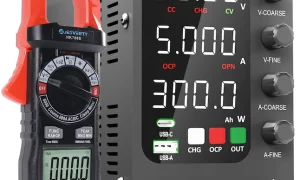
- Test your battery voltage periodically using a multimeter to ensure the converter is actually charging the batteries when connected to shore power.
- Check the grounding wires of your electrical system annually to prevent potential electrical shorts or interference.
- If you hear a loud humming or buzzing coming from your converter, inspect it immediately, as this is often a sign of a failing cooling fan or internal component stress.
Signs of Component Failure
Knowing when these components are failing can save you from a major headache mid-trip. For a converter, the most common sign is that your 12V lights appear dim or flicker while you are plugged into shore power. If your house batteries are not reaching a full charge despite being plugged in for 24 hours, the converter may be damaged or the fuse may be blown.
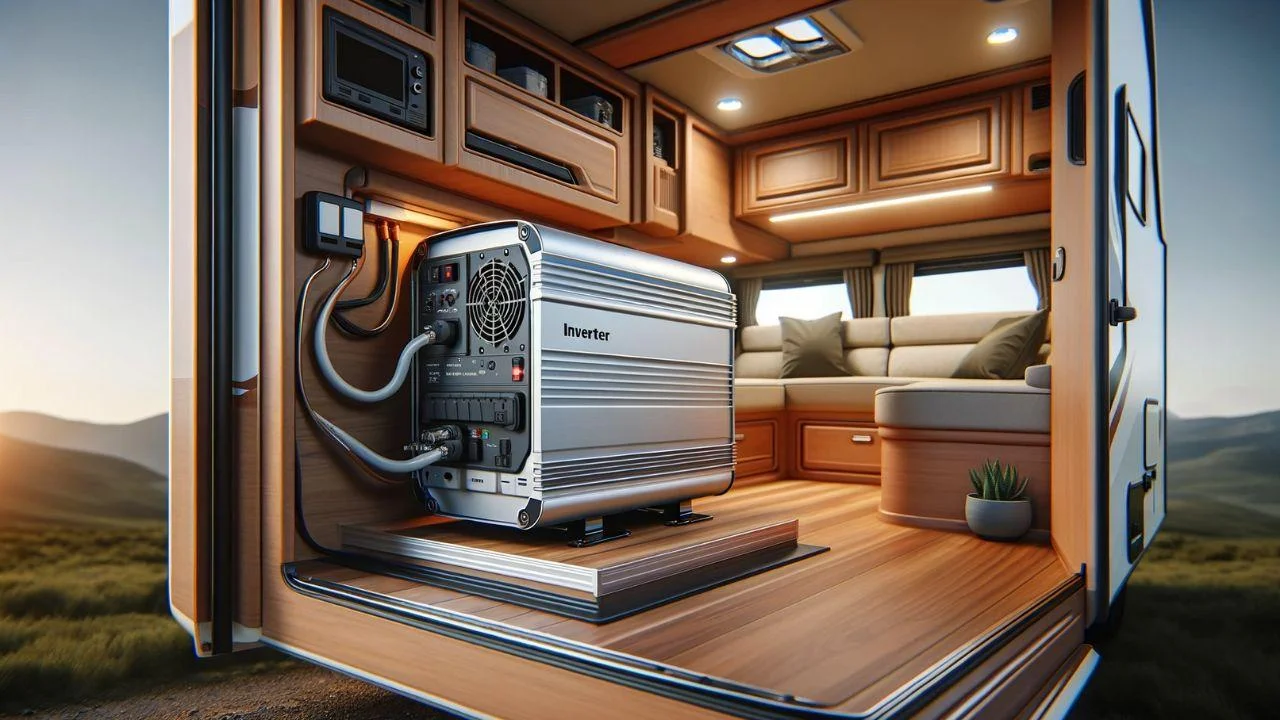
📷 Photo by storage.googleapis.com
For an inverter, the warning signs are more direct. If the unit shuts down immediately when you turn on a specific appliance, it may be overloaded. If the unit refuses to turn on at all, check the battery level first. If the battery is full but the inverter remains unresponsive, the internal fuse or the unit itself may have reached the end of its life cycle.
Frequently Asked Questions
Q: Can I run my air conditioner on an inverter?
A: Yes, but you need a very large inverter (usually 2000W to 3000W) and a substantial battery bank with lithium capacity. Running an air conditioner draws massive amounts of power and will drain standard lead-acid batteries in less than an hour.
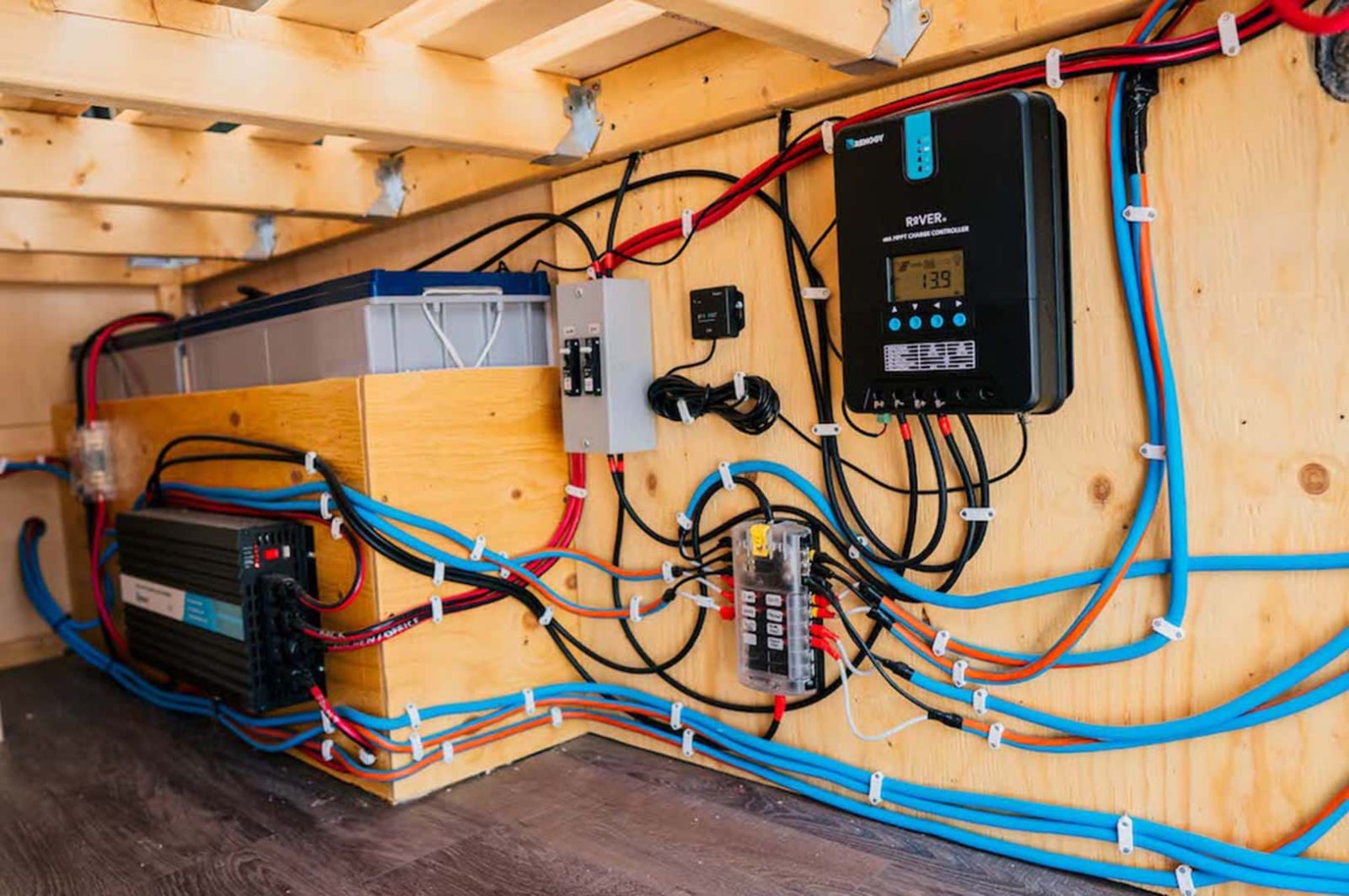
📷 Photo by rvtalk.net
Q: What happens if I leave my inverter on while driving?
A: It is generally safe to leave an inverter on while driving, provided your RV’s alternator is capable of charging the house batteries simultaneously. However, if you are not getting a charge from the engine, the inverter will drain your house batteries while you travel.
Q: Is an inverter-charger worth the investment?
A: If you boondock frequently, an inverter-charger is highly recommended. It combines both functions into one unit, often with smarter charging profiles that extend battery life and provide a seamless transition between shore power and battery power.
Ultimately, the choice between upgrading your converter or installing a high-quality inverter depends on your travel style. If you prefer the comfort of established campgrounds, your converter is the most important piece of gear. If you prefer the freedom of the open road and remote locations, investing in a robust, pure sine wave inverter will significantly enhance your quality of life.
Read also: How to Install a Dedicated Chassis Ground for Campervan Inverters
📷 Photo by rvtalk.net