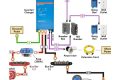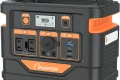
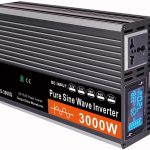


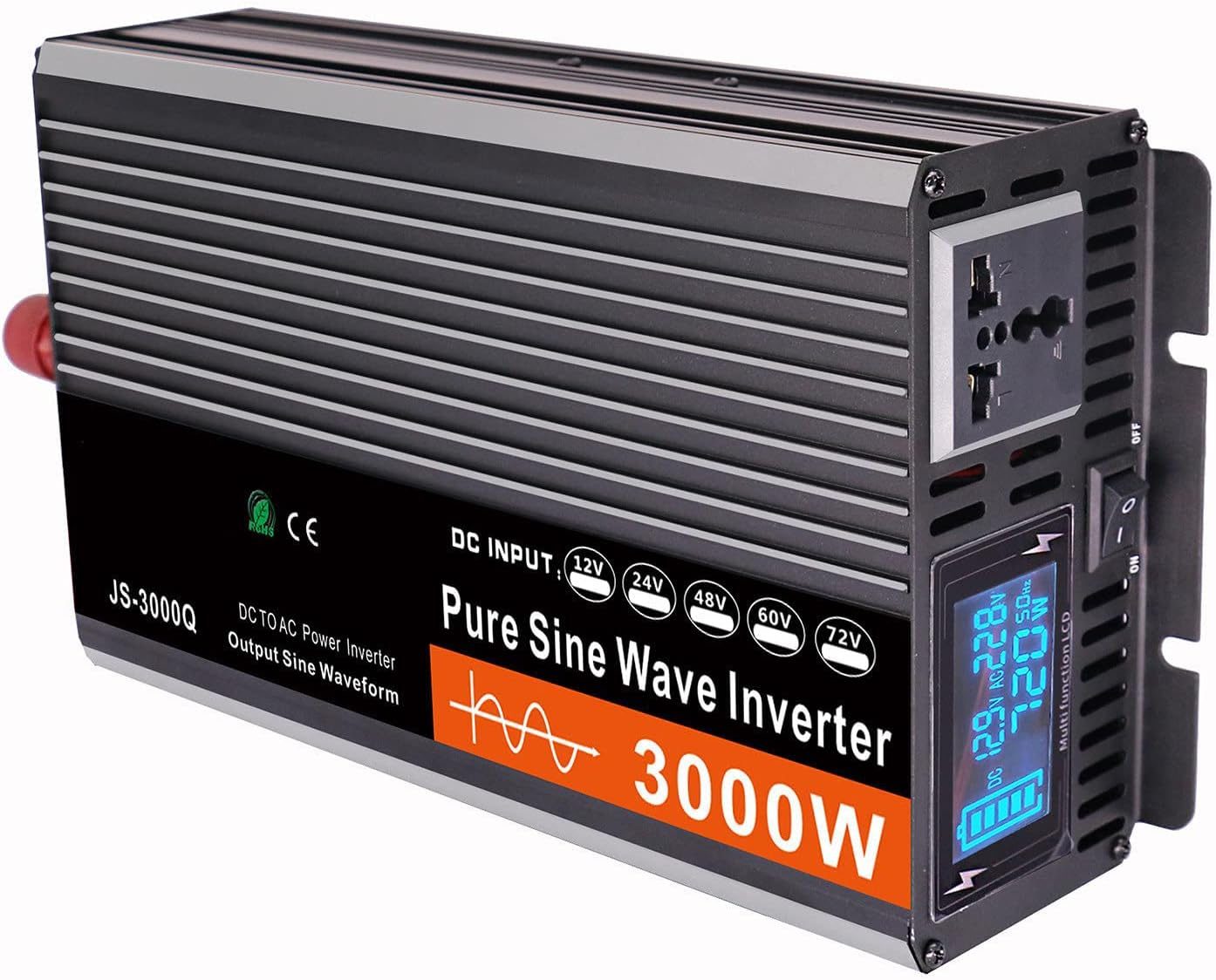
Vanonpower.com – A pure sine wave inverter is the essential heart of an off-grid van electrical system, converting DC battery power into clean, stable AC electricity that safely powers sensitive electronics like laptops, induction cooktops, and medical equipment without risk of damage.
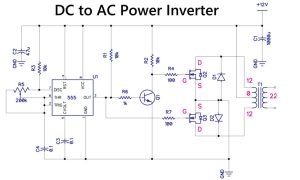
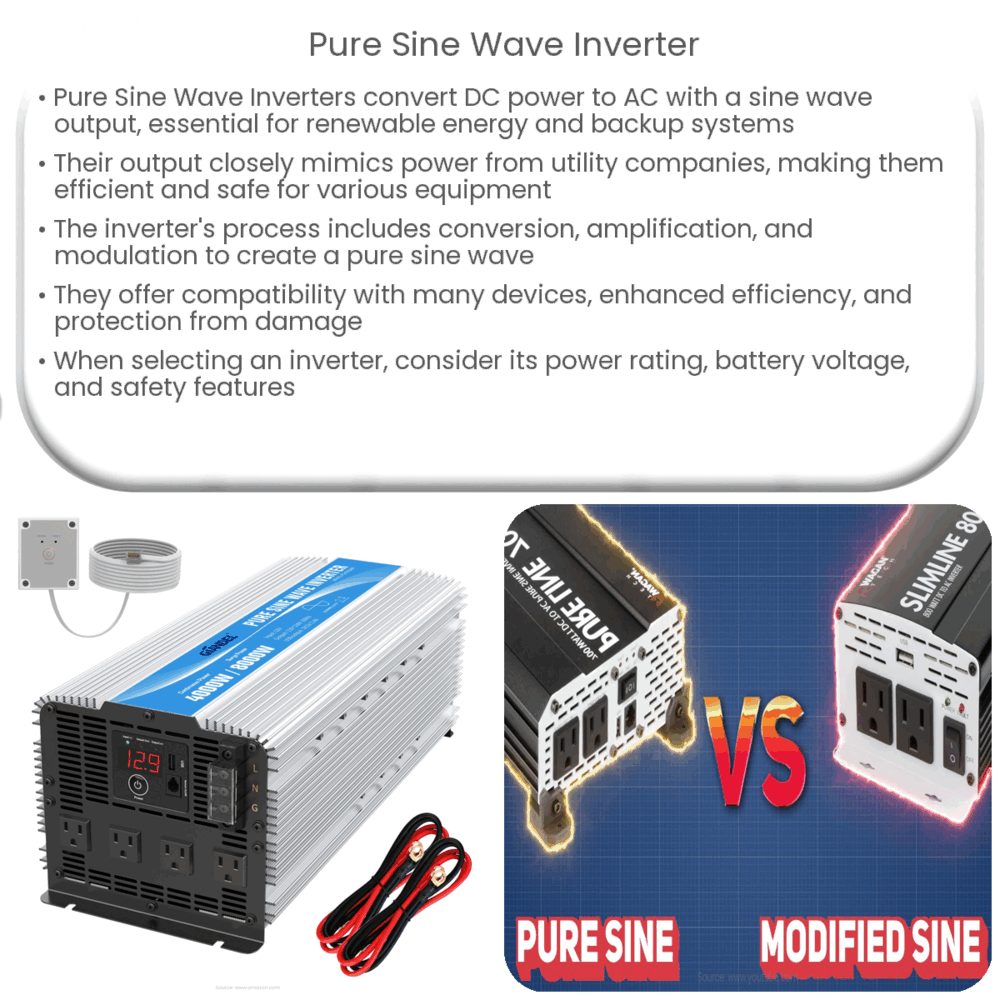
Choosing the right inverter is not merely about finding the highest wattage; it is about matching the device’s output quality to the needs of your appliances. Unlike modified sine wave inverters, which produce a jagged electrical signal that can cause humming, overheating, or failure in sensitive devices, pure sine wave inverters mimic the smooth, consistent electricity provided by a standard wall outlet. For van dwellers, this consistency is non-negotiable for long-term reliability.
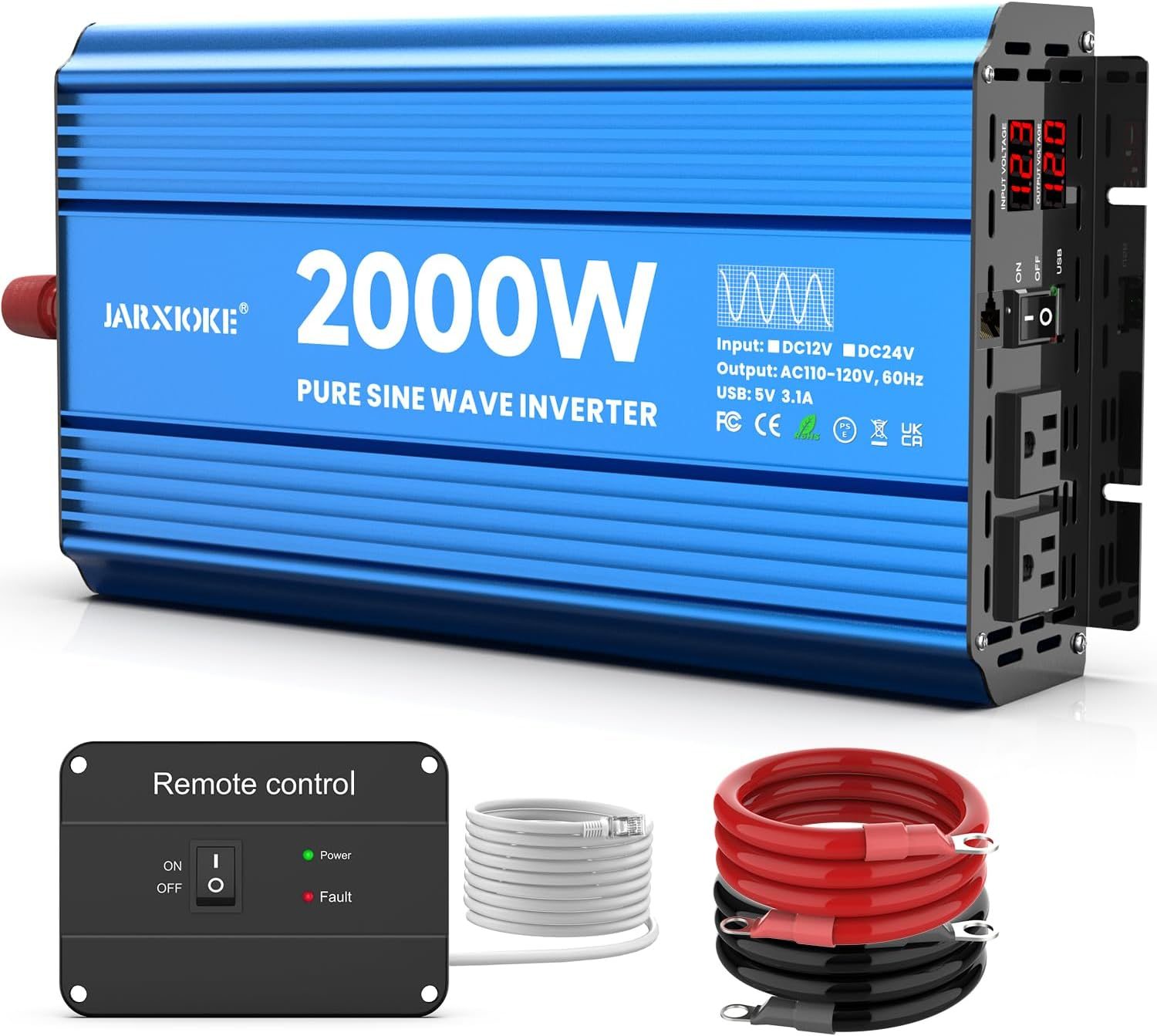
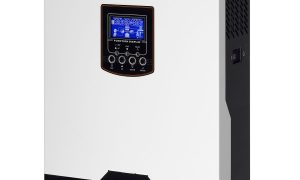
📷 Photo by inverterreview.com
Why Pure Sine Wave Matters for Van Life
Most modern electronics are designed to operate on a clean sine wave. When you feed a sophisticated piece of equipment—such as a modern refrigerator compressor, a high-end laptop charger, or a coffee machine with a digital display—a modified sine wave, you risk shortening its lifespan. The electrical “noise” produced by cheaper inverters often manifests as buzzing sounds or flickering lights.
Beyond hardware longevity, efficiency is a critical factor. Pure sine wave inverters are generally more efficient at converting energy from your deep-cycle batteries. In an off-grid setup where every amp-hour counts, reducing energy waste during the conversion process is a direct way to extend your time between charging stops.
Key Specifications to Consider
Before selecting a unit, you must calculate your total load. If you plan to run a microwave or an electric kettle, you need a high-wattage inverter, typically between 2000W and 3000W. If your needs are limited to charging laptops and running LED lights, a 500W to 1000W unit will suffice and consume significantly less standby power.
| Appliance Type | Estimated Wattage | Inverter Capacity Needed |
|---|---|---|
| Laptop/Phone Charger | 60W – 100W | 300W – 500W |
| Blender/Coffee Maker | 600W – 1200W | 1500W – 2000W |
| Induction Cooktop | 1500W – 2000W | 2500W – 3000W |
| Microwave | 800W – 1500W | 2000W |
Common Mistakes When Installing Inverters
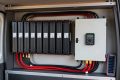
One of the most frequent errors in van builds is using undersized cables. An inverter pulling 2000W from a 12V battery bank draws massive amounts of current, often exceeding 150 amps. If the cables are too thin, they will heat up, create a voltage drop, and potentially trigger a fire. Always use the manufacturer-recommended gauge and include a properly sized fuse as close to the battery terminal as possible.
Another common mistake is poor ventilation. Inverters generate heat during operation, especially under heavy loads. Mounting an inverter in an enclosed, unventilated cabinet will force the device to throttle its power or shut down entirely to protect its internal circuitry. Ensure there is at least four to six inches of clear space around the cooling fans.
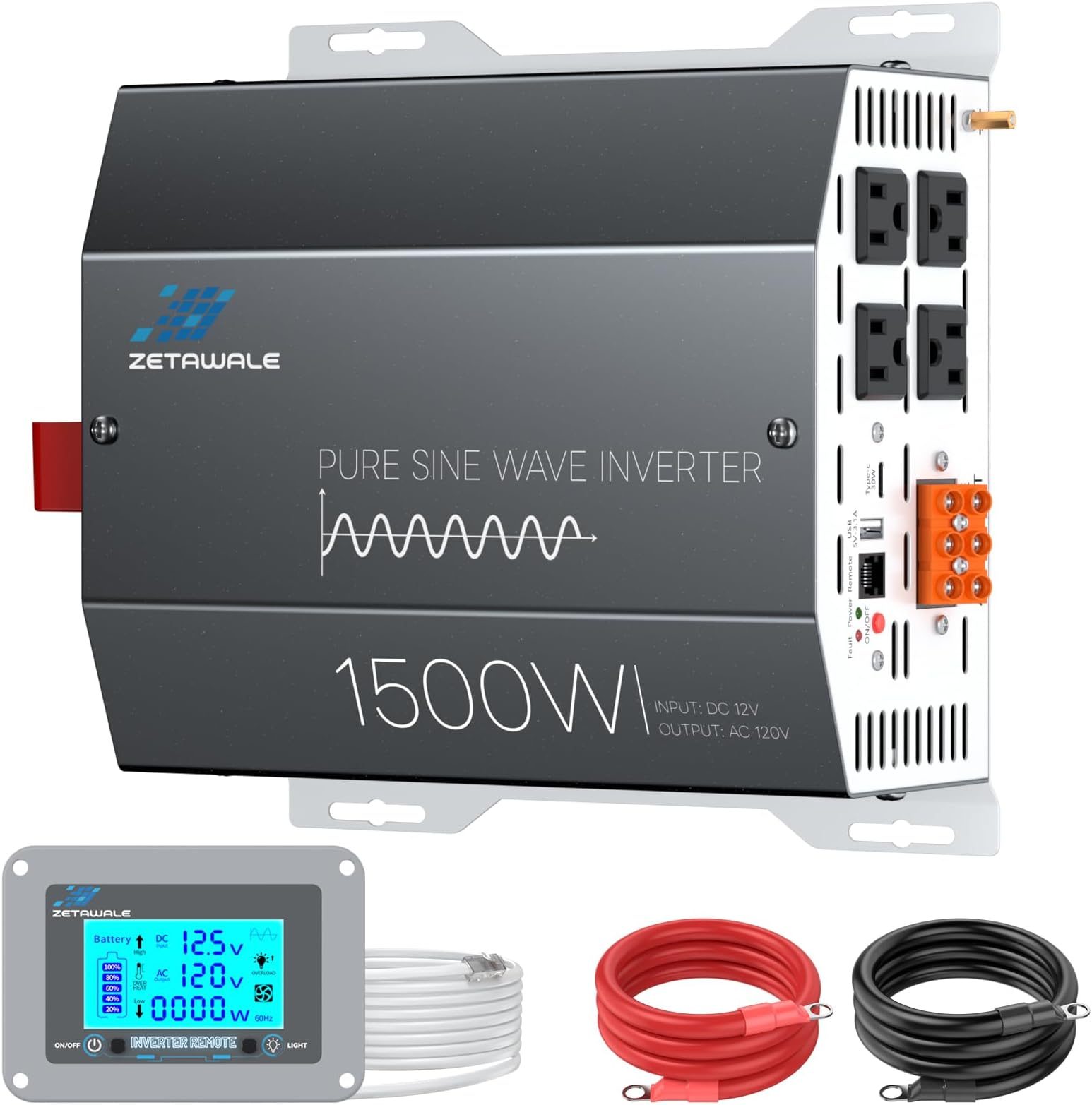
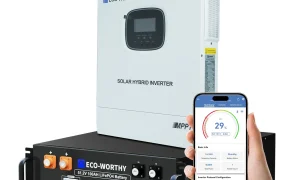
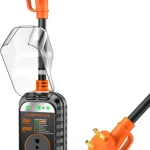
📷 Photo by amazon.com
Step-by-Step Guide: Installing Your Inverter Safely
- Determine the mounting location: Choose a cool, dry area as close to the battery bank as possible to minimize cable length and voltage loss.
- Install the main fuse: Connect a high-quality fuse or circuit breaker on the positive cable between the battery and the inverter to prevent short-circuit damage.
- Connect the DC cables: Attach the negative (black) cable first, followed by the positive (red) cable, ensuring all connections are tight and free of corrosion.
- Ground the inverter: Connect the chassis ground terminal on the inverter to the van’s metal frame or a dedicated grounding point to ensure safety.
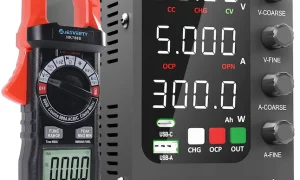
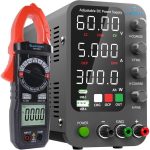
- Test the system: Turn on the inverter without any load initially, check the output voltage with a multimeter, and then gradually introduce small appliances.
Risks of Low-Quality Units
While the market is flooded with budget-friendly inverters, the risks of choosing a “no-name” brand are significant. Cheap units often lack robust surge protection, meaning a sudden power spike from a motor-driven appliance could fry the inverter’s internal components. Furthermore, many budget inverters have high idle consumption, meaning they drain your batteries even when you aren’t using your appliances. Always prioritize units with proven track records in the overlanding and van-life communities.
Maintenance and Longevity Tips
To ensure your inverter lasts for the duration of your travels, perform a visual inspection of the cables once a month. Vibrations from driving can loosen terminal connections over time, which creates resistance and heat. Additionally, keep the intake vents free of dust and pet hair, which can accumulate quickly in the confined space of a van. If the internal cooling fan becomes noisy, it is often a sign that dust has built up inside the unit and requires careful cleaning with compressed air.
Frequently Asked Questions
Q: Can I run my air conditioner on a 2000W inverter?
A: Generally, no. Air conditioners have high startup surge currents that often exceed 3000W. Unless you have a soft-start kit installed on your AC unit and a high-capacity inverter, you will likely trigger a low-voltage shutdown.
Q: Why does my inverter beep when I turn on my blender?
A: This is usually a sign of a voltage drop. When the blender draws a heavy surge of power, the battery voltage dips momentarily below the inverter’s threshold, causing it to alarm or shut down to protect the battery.
Q: Is it okay to leave the inverter on 24/7?
A: It is not recommended. Even when idle, most inverters draw a small amount of power. It is best practice to use a remote switch to turn the inverter off when you are not actively using AC-powered devices to conserve your battery bank.
📷 Photo by electricity-magnetism.org
Selecting the best pure sine wave inverter is the foundation of a reliable off-grid lifestyle. By focusing on your specific power needs, ensuring proper installation with thick cabling, and maintaining adequate ventilation, you can enjoy the comforts of home while exploring the most remote corners of the world.
Read also: Can You Plug an RV Surge Protector Directly Into an Inverter?
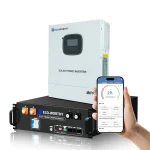
📷 Photo by amazon.com