




Vanonpower.com – Sizing a Class T fuse for a LiFePO4 battery system requires selecting a fuse with an amperage rating equal to or slightly higher than the maximum continuous discharge current of your inverter, while ensuring the fuse’s Interrupting Rating (AIC) exceeds the battery bank’s potential short-circuit current.
Understanding the Necessity of Class T Fuses
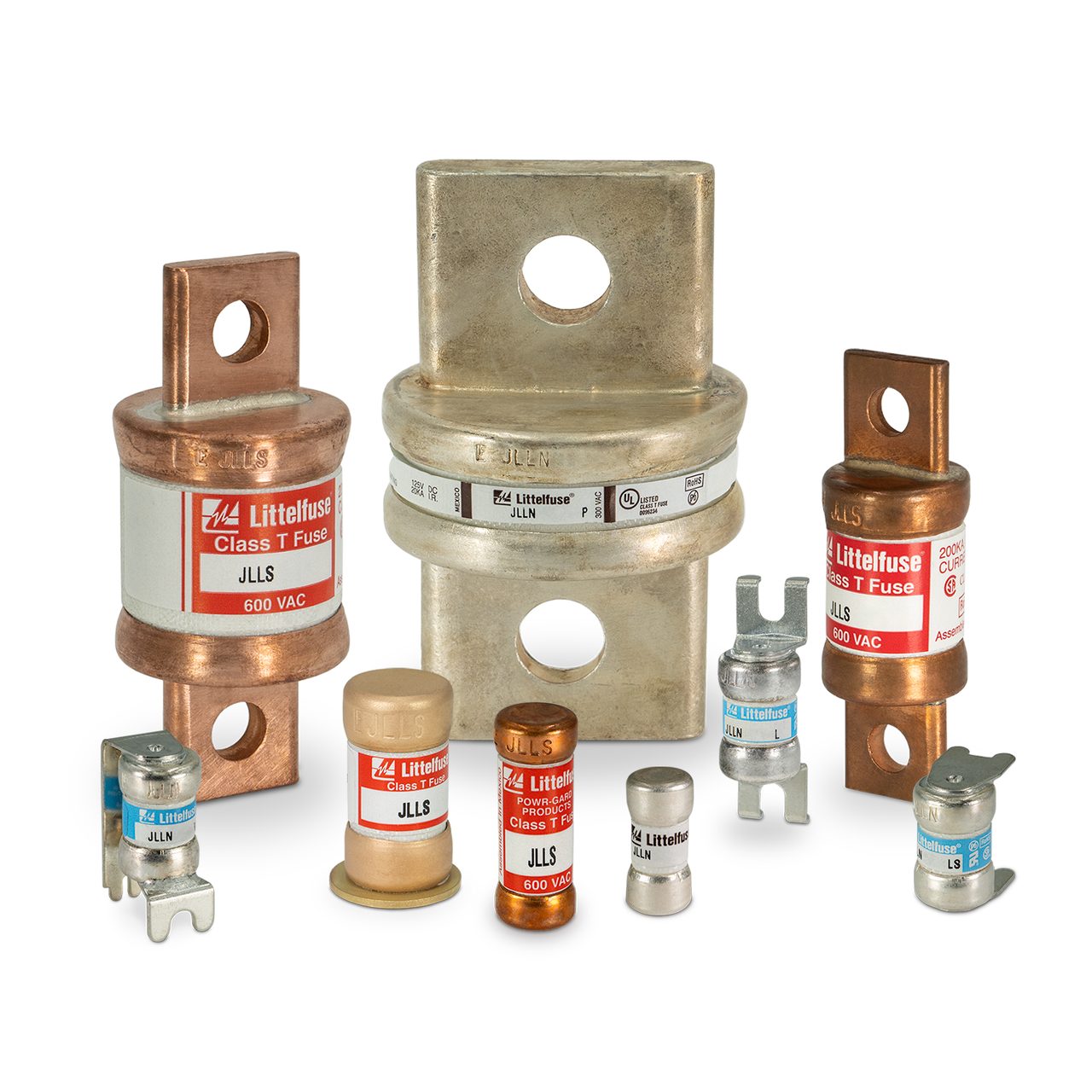
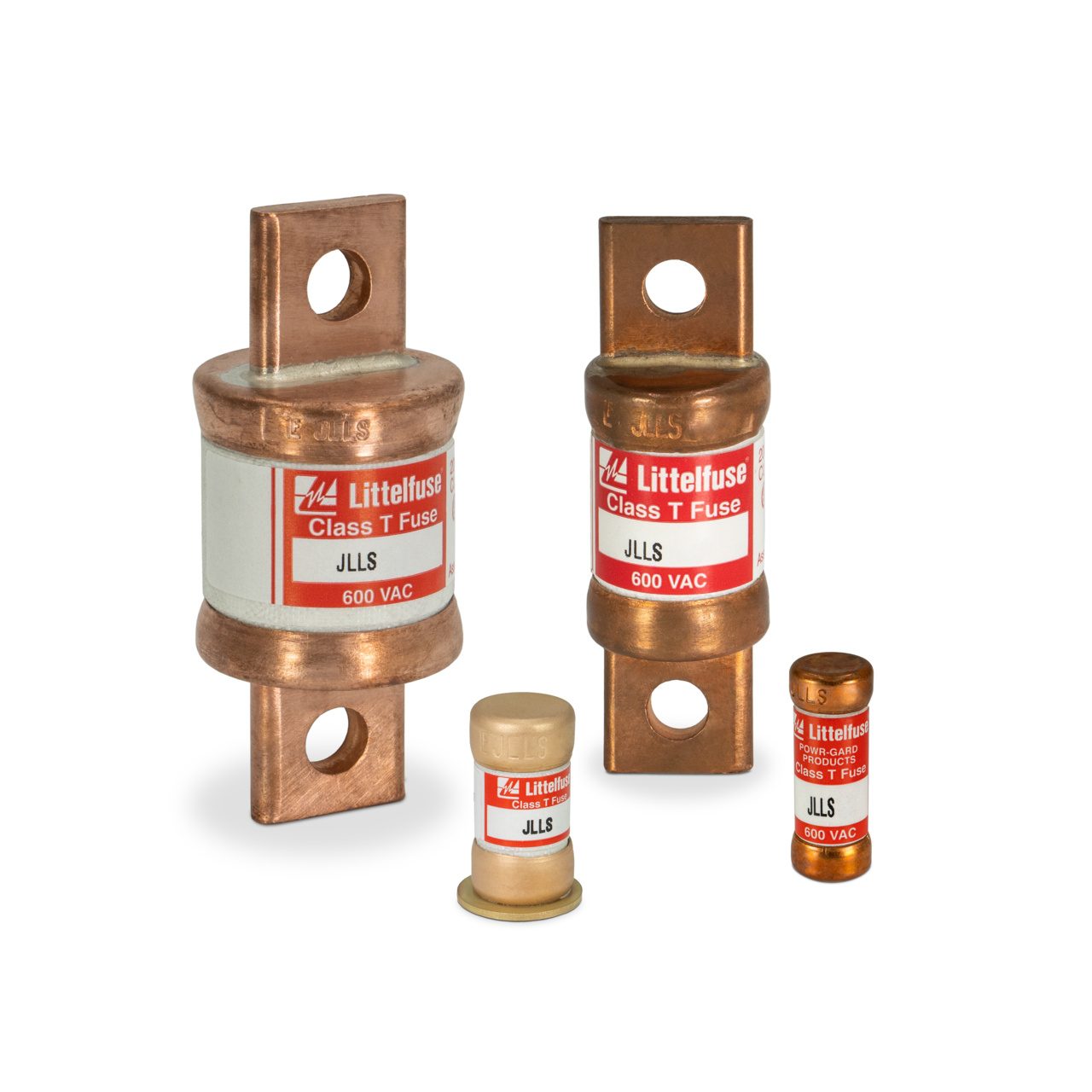
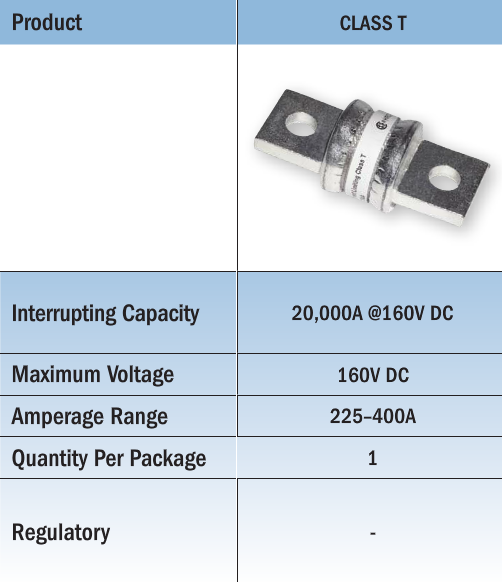
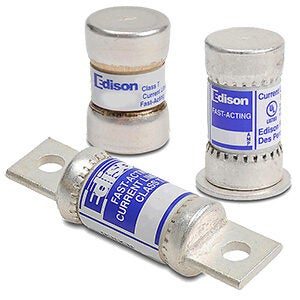
LiFePO4 batteries are capable of delivering extremely high discharge currents during a short circuit event, often exceeding the capabilities of standard automotive or glass fuses. A Class T fuse is essential because it features an incredibly high Interrupting Rating, typically up to 20,000 amperes. This allows the fuse to safely extinguish the intense electrical arc that occurs when a high-capacity lithium bank experiences a dead short, preventing catastrophic damage or fire.
Determining the Correct Amperage Rating
The primary rule for sizing your fuse is to protect the weakest link in your DC circuit, which is usually the cabling or the inverter’s maximum draw. You must never size a fuse based solely on the battery’s capacity. Instead, look at the manufacturer’s specification for your inverter’s maximum continuous current and add a safety margin of roughly 20 to 25 percent.
For example, if you have a 3000W inverter operating on a 12V system, the continuous current draw is approximately 250 amps (3000W / 12V). Applying a 20 percent buffer, a 300A Class T fuse would be the appropriate choice to prevent nuisance tripping while ensuring protection.
Comparison of Fuse Protection Levels
| Fuse Type | Interrupting Rating (AIC) | Best Application |
|---|---|---|
| ANL Fuse | Up to 6,000 Amps | General DC circuits, non-lithium banks |
| Class T Fuse | 20,000 Amps | High-capacity LiFePO4 battery banks |
| Automotive Blade | 1,000 Amps | Low voltage/current accessory circuits |
Risks of Incorrect Sizing
If you choose a fuse that is too small, you will experience nuisance trips during peak load events, such as starting a microwave or an air conditioner. Conversely, if the fuse is rated too high, it may not blow quickly enough during a fault, allowing the wires to melt or the battery’s internal BMS to be damaged. Always ensure your cable gauge is rated to handle more current than the fuse itself; the fuse must always be the first component to fail during an overload.
Step-by-Step Installation Guide
Read also: Best Busbars for Lithium Battery Banks: Amperage Sizing Rules
📷 Photo by littelfuse.com
Proper installation is just as critical as selecting the correct size. Follow these steps to integrate your Class T fuse into your LiFePO4 system:
- Disconnect the positive terminal from your battery bank to ensure the system is completely de-energized before beginning work.
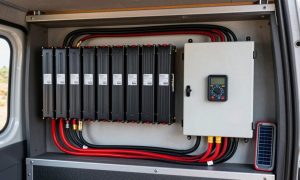
- Mount the Class T fuse block as close to the positive battery terminal as possible, ideally within 18 inches, to minimize the amount of unprotected cable.
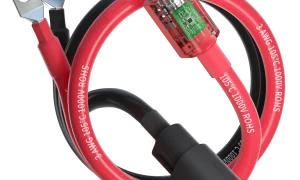
- Select the appropriate cable gauge that matches the ampacity of your fuse and the inverter input requirements.
- Use high-quality copper lugs and crimp them securely to your cables using a hydraulic crimper to prevent high-resistance connections.
- Attach the cable from the battery positive terminal to one side of the fuse block, and the cable leading to the inverter system to the other side.
- Torque the fuse block nuts to the manufacturer’s specified value to prevent heat buildup from loose connections.
- Re-connect the battery terminal last, ensuring there are no sparks or unexpected surges during the connection.
Common Mistakes to Avoid
One of the most frequent errors is mixing fuse types in a single system. Do not use an ANL fuse when a Class T is required for high-current lithium banks. While ANL fuses are cheaper, their slower response time and lower interrupting rating make them unsuitable for the rapid energy release of LiFePO4 cells. Additionally, never bypass a fuse or use a piece of metal to bridge the connection if you do not have a spare; this effectively removes the only safety barrier between your battery and a potential fire.
📷 Photo by tillescenter.org
The Importance of Cable Length
The distance between the battery and the fuse is known as the “unprotected” length. In the event of a short circuit, this specific section of wire is not shielded by the fuse. Therefore, you should strive to keep this distance as short as possible. If you must run a longer cable, consider using heavy-duty split loom or protective conduit to prevent accidental chafing against the chassis, which could cause a dead short before the current ever reaches the fuse.
Frequently Asked Questions
Q: Can I use an ANL fuse instead of a Class T fuse for my 200Ah LiFePO4 battery?
A: It is strongly discouraged. Class T fuses are specifically designed to handle the high short-circuit currents of lithium batteries, whereas ANL fuses may fail to interrupt the circuit correctly during a fault.
Q: Should I install the fuse on the positive or negative cable?
A: Always install the fuse on the positive cable. Placing it on the positive side ensures that the entire downstream circuit is disconnected from the energy source when the fuse blows.
📷 Photo by automationdirect.com
Q: How do I know if my fuse has blown?
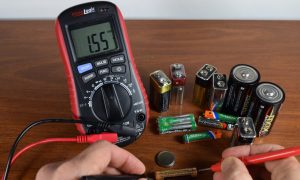
A: Most Class T fuse holders are opaque, so you cannot see the element. You must use a multimeter to check for continuity across the fuse terminals. If there is no continuity, the fuse is blown and must be replaced.
Maintenance and Inspection
Periodically inspect your fuse block for signs of discoloration or melting, which indicate loose connections or excessive heat. Because high-amperage systems are prone to vibration—especially in mobile applications like RVs or camper vans—check the tightness of the connections annually. A loose nut can create resistance, leading to localized heating that can damage the fuse holder housing even if the fuse itself remains intact.
📷 Photo by littelfuse.com