




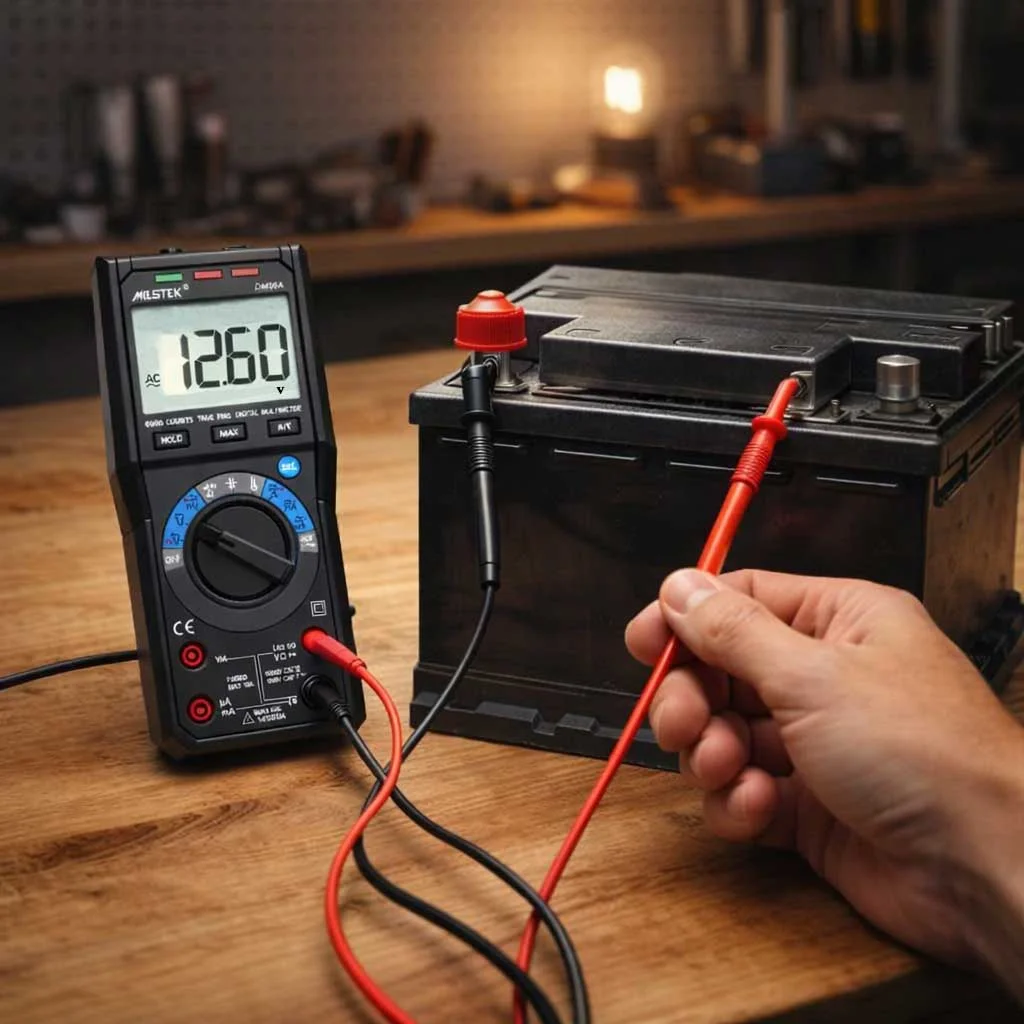
Vanonpower.com – LiFePO4 internal resistance is the most reliable metric for assessing battery health, as rising resistance values directly correlate with capacity degradation, chemical aging, and potential safety risks. By monitoring this value, users can proactively identify failing cells before they lead to premature pack failure or thermal instability.
Understanding Internal Resistance in LiFePO4 Cells
Internal resistance (IR) represents the opposition to the flow of current within a battery cell. In LiFePO4 chemistry, this resistance is composed of ohmic resistance (conductive paths, tabs, and electrolyte) and charge-transfer resistance (chemical reaction kinetics). As a battery cycles, the solid electrolyte interphase (SEI) layer thickens, and microscopic degradation occurs at the electrodes, causing the internal resistance to climb steadily over the cell’s lifespan.
A new, healthy LiFePO4 cell typically exhibits very low internal resistance, often measured in milliohms (mΩ). When this value begins to deviate significantly from the manufacturer’s initial specifications, it serves as an early warning sign that the cell is losing its ability to deliver high power and maintain capacity. Ignoring these signs often results in excessive heat generation during charge and discharge cycles, which further accelerates the aging process.
Why Measurement Matters
Monitoring IR is essential for battery pack longevity. In a series-connected battery array, a single cell with high internal resistance will cause a voltage sag during heavy loads. This creates an imbalance in the battery management system (BMS), forcing the system to terminate charging early or cut off power prematurely. Essentially, the weakest cell dictates the performance of the entire pack.
Factors Influencing Resistance Readings
Several variables can skew your measurements if not accounted for. Temperature is the most critical factor; internal resistance is inversely proportional to temperature. A cold battery will show significantly higher resistance than a warm one. Additionally, the state of charge (SOC) plays a role, as resistance is typically lowest when the cell is at 50% capacity. Always measure under consistent conditions to ensure data accuracy.
Common Causes of Increased Internal Resistance
Read also: How to Calculate Usable Watt Hours for Off-Grid Living
- Thermal Stress: Frequent exposure to high operating temperatures accelerates the breakdown of the electrolyte.
- Overcharging: Exceeding the maximum voltage limit forces chemical changes that increase the thickness of the SEI layer.
- Deep Discharging: Repeatedly draining the cell below its recommended cutoff voltage can lead to structural damage in the cathode material.
- Manufacturing Defects: Poor connection between the current collector and the electrode material can result in higher initial resistance.
How to Measure Internal Resistance Effectively
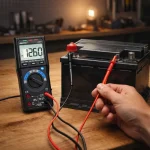
To obtain an accurate reading, you must use a dedicated AC impedance meter or a precision DC load tester. Standard multimeters are insufficient for this task because they only measure contact resistance and lack the high-frequency signal required to penetrate the chemical layers of the battery.
- Ensure the cell is at a stable ambient temperature, ideally between 20°C and 25°C.
- Clean the battery terminals thoroughly with a non-abrasive cloth to remove any oxidation or film that could interfere with contact.
- Set your battery tester to the milliohm range.
- Connect the Kelvin probes (four-wire measurement) directly to the cell terminals to eliminate the resistance of the testing leads themselves.
- Record the value once the reading stabilizes on the display.
- Compare this measurement against the factory datasheet provided by the manufacturer for the specific model.
Typical Resistance Ranges for LiFePO4 Cells
| Cell Capacity (Ah) | Healthy IR Range (mΩ) | Degraded/Caution (mΩ) |
|---|---|---|
| 50Ah | 0.50 – 0.80 | Above 1.20 |
| 100Ah | 0.20 – 0.40 | Above 0.70 |
| 280Ah | 0.10 – 0.25 | Above 0.45 |
Risks of Ignoring High Resistance
When resistance increases, the battery becomes less efficient. The energy that should be powering your devices is instead converted into heat inside the cell. This creates a dangerous feedback loop: heat increases the rate of chemical degradation, which further increases the internal resistance. If left unchecked, this can lead to swelling of the cell casing, electrolyte leakage, or in extreme cases, thermal runaway during high-current operations.
Tips for Maintaining Low Internal Resistance
Proper maintenance is the best defense against rising resistance. First, avoid pushing your battery to its absolute current limits consistently. If you need a high-power output, consider using a larger battery bank to spread the load across more cells. Second, keep the battery within the “sweet spot” of 20% to 80% state of charge whenever possible. Third, always use a high-quality BMS that provides cell-level balancing, as this prevents individual cells from being stressed by voltage imbalances.
Frequently Asked Questions
Q: Can I use a standard digital multimeter to check LiFePO4 resistance?
A: No. A standard multimeter measures resistance using a low-current DC signal that is not designed for the low impedance of a lithium battery and cannot account for the chemical resistance within the cell.
Q: Does a high internal resistance mean the battery is dangerous?
A: Not necessarily dangerous immediately, but it indicates a significant loss of performance and potential for overheating. If the resistance is more than double the original factory spec, the cell should be considered unreliable for high-current applications.
Q: How often should I check the internal resistance of my cells?
A: For stationary energy storage systems, checking once every six months is usually sufficient. If you are using the batteries for high-drain applications like electric vehicles or robotics, a quarterly check is recommended.
Conclusion
Measuring internal resistance is a vital skill for anyone working with LiFePO4 batteries. By establishing a baseline and monitoring changes over time, you can gain deep insights into the health of your power system. Remember that consistent measurement conditions are the key to reliable data. Treat your cells with care, monitor their vital signs, and you will significantly extend the operational life of your energy storage investment.
📷 Photo by mestekinstruments.com