


Vanonpower.com – Discharging a LiFePO4 battery to 0 percent triggers the internal Battery Management System (BMS) to disconnect the circuit to prevent permanent chemical degradation, though leaving it in this state for an extended period can lead to irreversible capacity loss or self-discharge damage.
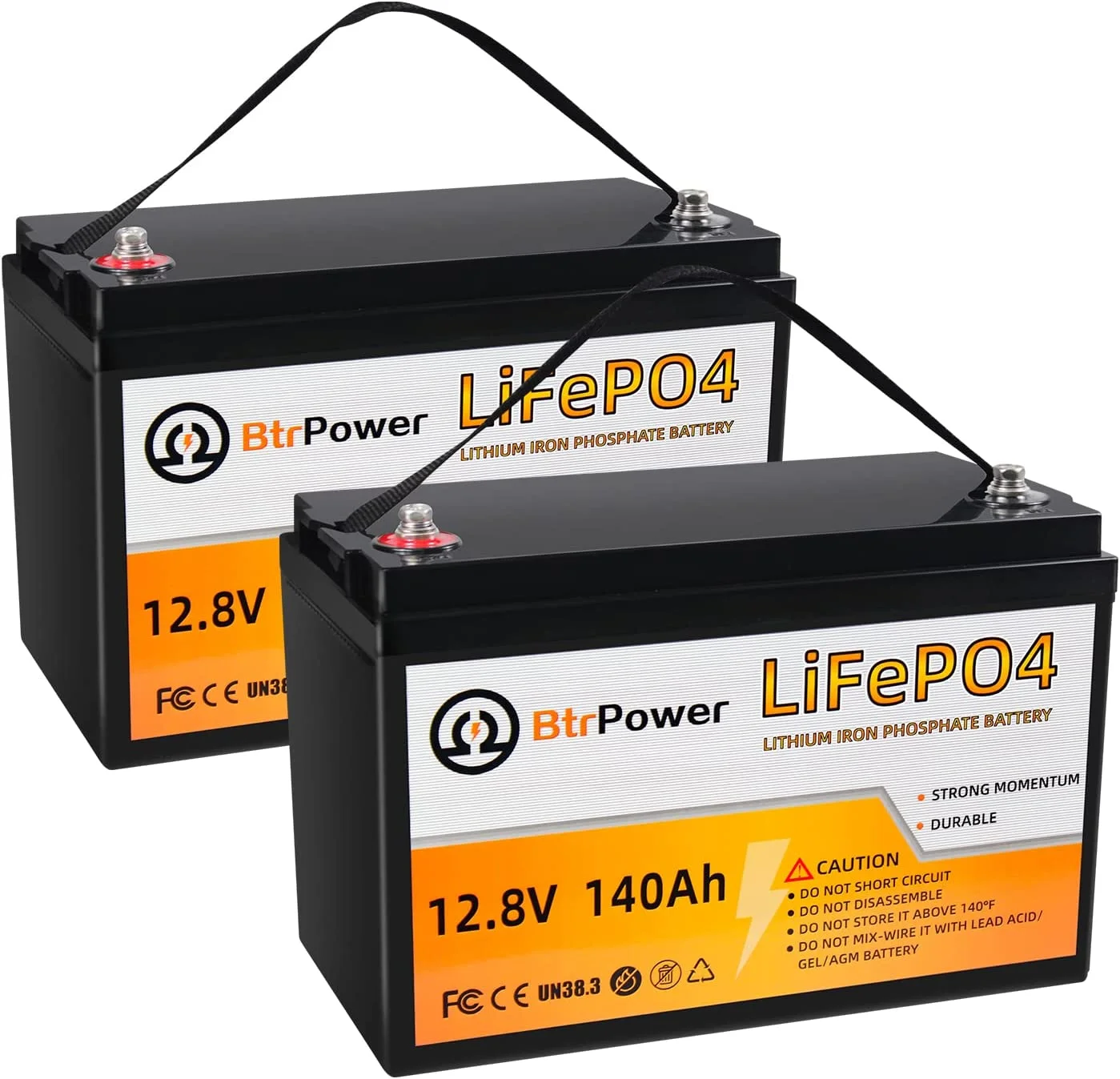
LiFePO4 (Lithium Iron Phosphate) batteries are renowned for their safety and longevity compared to traditional lead-acid or lithium-ion chemistries. However, they are not immune to the laws of electrochemistry. When you push a LiFePO4 battery to its absolute zero-percent state, you are essentially hitting the threshold where the voltage drops below the safe operating level of the internal cells.
The Role of the BMS
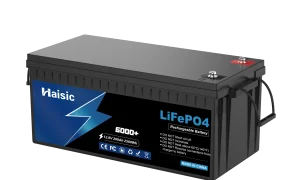
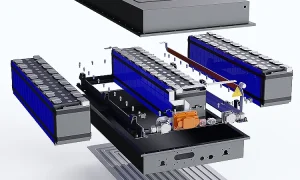
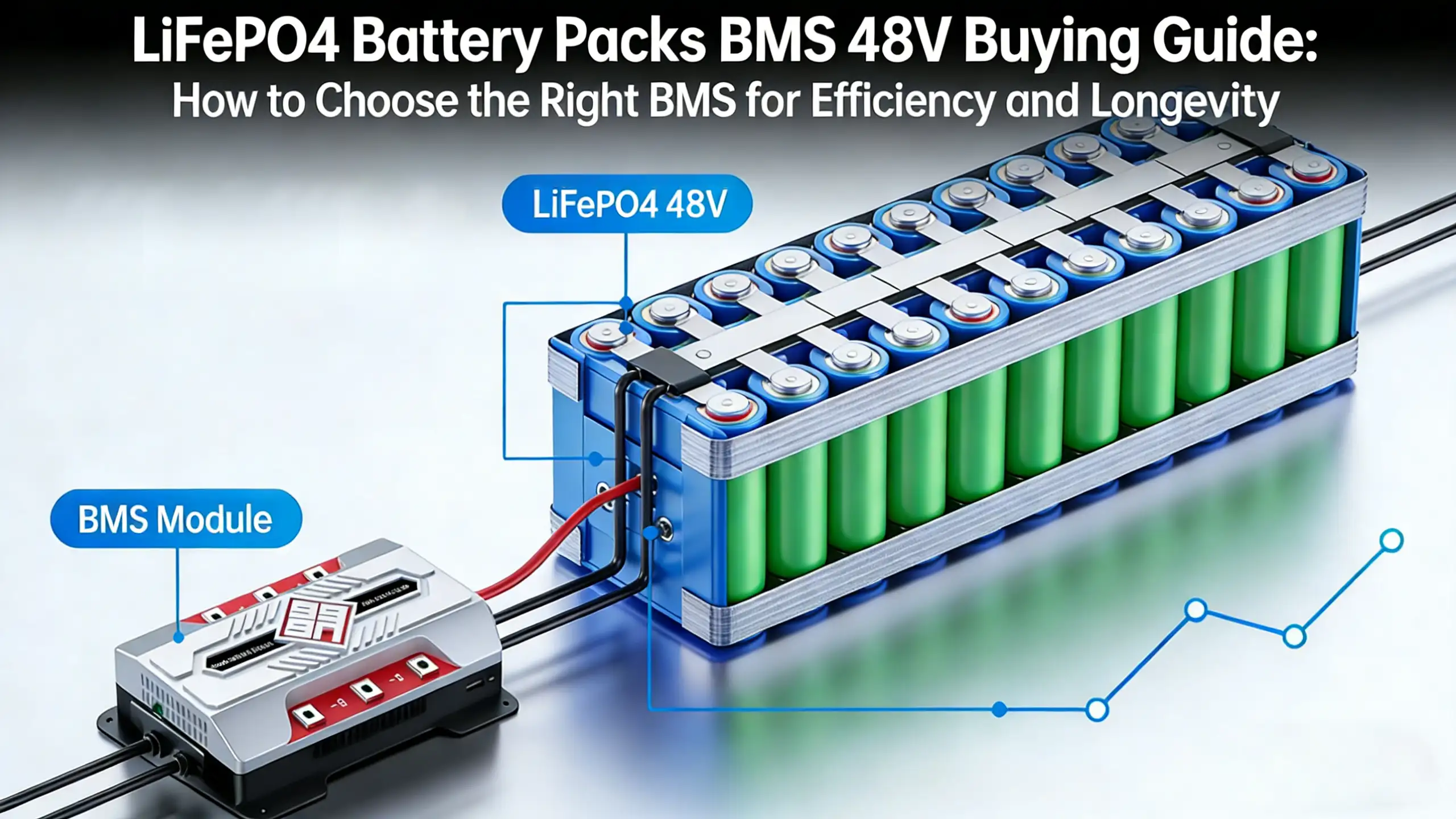
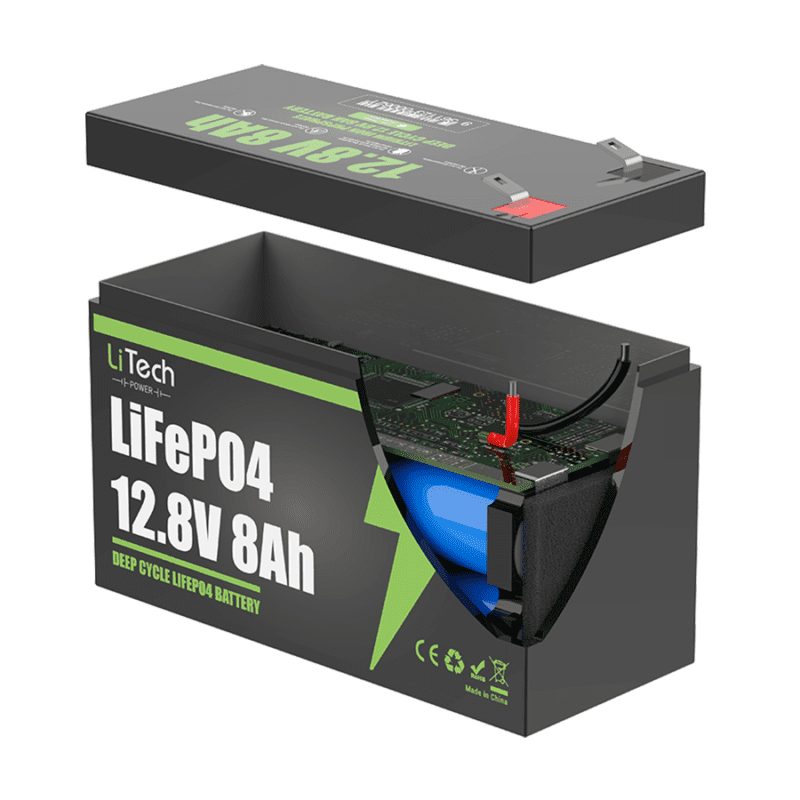
Most modern LiFePO4 battery packs are equipped with a Battery Management System. This is the brain of the battery. When the voltage reaches a critical minimum, usually around 2.5V per cell, the BMS performs a safety shutdown. This mechanism is designed to protect the cells from deep discharge, which is the primary enemy of lithium battery health. By cutting off the power, the BMS prevents the battery from entering a state of “over-discharge,” where the internal structure of the cathode could begin to break down.
Immediate Risks of Deep Discharge
While the BMS protects the battery from an immediate catastrophic failure, letting the battery sit at zero percent is dangerous. Even when the BMS has disconnected the load, the battery still has a very small, internal “parasitic” drain caused by the BMS electronics themselves. If you leave the battery in this state for weeks or months, the voltage can drift even lower than the BMS safety threshold. Once the voltage drops into this “dead zone,” the BMS may fail to “wake up” when you try to charge it, effectively bricking the battery.
Comparing Discharge Depths
Understanding how deep discharge affects your battery is crucial for maximizing its lifespan. The following table illustrates the relationship between depth of discharge (DoD) and the estimated cycle life of a typical high-quality LiFePO4 battery.
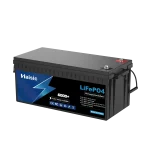
📷 Photo by walmart.com
Read also: Maximum Discharge Current: Understanding C-Ratings in LiFePO4
| Depth of Discharge (DoD) | Estimated Cycle Life | Health Impact |
|---|---|---|
| 20% | 8,000+ Cycles | Minimal stress, ideal for longevity |
| 50% | 5,000 Cycles | Balanced usage for daily needs |
| 80% | 3,000 Cycles | Heavy usage, standard for off-grid |
| 100% (0% Remaining) | Below 2,000 Cycles | High stress, risk of BMS lockout |
Signs Your Battery is Stressed
If you have accidentally discharged your battery to zero, there are specific signs to look for during the recovery process. First, the battery may refuse to accept a charge from a standard smart charger because the charger cannot detect any voltage. Second, if you are using a solar controller, it might show an error code indicating “low voltage disconnect.” Third, if the battery feels unusually warm during the initial stage of recharging, it could indicate internal resistance issues caused by electrolyte decomposition.
How to Safely Recover a Drained LiFePO4 Battery
If your battery has hit the zero-percent mark, follow these steps to attempt a recovery without damaging the internal cells. Do not attempt to force high-amperage charging immediately, as this can shock the sensitive internal chemistry.
- Disconnect all loads from the battery terminals to ensure no further current is being pulled.
- Use a dedicated LiFePO4 smart charger that features a “pre-charge” or “wake-up” mode, which uses low current to gently bring the voltage back up.
- Monitor the battery temperature closely; it should remain cool to the touch during the first hour of charging.
- Once the battery reaches approximately 10-15 percent capacity, you can resume normal charging currents as recommended by the manufacturer.
- Perform a full charge to 100 percent to allow the BMS to re-balance the cells, which is essential after a deep discharge event.
Common Mistakes to Avoid
One of the most frequent errors users make is attempting to “jump-start” a dead LiFePO4 battery using a lead-acid charger. Lead-acid chargers often have a desulfation mode that pushes high-voltage pulses into the battery. This can destroy the BMS electronics instantly and cause the LiFePO4 cells to vent or catch fire. Always use a charger specifically calibrated for LiFePO4 profiles.
Another mistake is assuming the “zero percent” reading on a monitor is 100% accurate. Voltage drop is non-linear in lithium batteries; it stays flat for a long time and then drops off a cliff. If your monitor says 5 percent, you effectively have almost no usable energy left. It is best practice to treat 10 or 15 percent as your true “empty” to provide a safety buffer for the BMS.
Long-Term Storage Considerations
If you are planning to store your battery for an extended period, never store it at zero percent. The ideal storage charge for LiFePO4 is between 40 and 60 percent. This level provides enough energy to offset self-discharge over several months while minimizing the chemical stress on the battery cells. If you store a battery at 0 percent, the natural self-discharge rate will eventually push the cells into a state of chemical imbalance that even the best BMS cannot correct.
Frequently Asked Questions
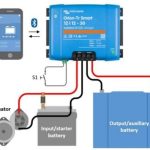
📷 Photo by litechpower.com
Q: Can I permanently damage my LiFePO4 battery by hitting 0 percent once?
A: Usually, no. The BMS is designed to protect the battery from a single deep discharge event. However, the damage occurs if you leave it in that discharged state for a long duration, which leads to permanent capacity loss.
Q: Why does my battery show 0 percent but still powers my lights?
A: This is usually a calibration error in your battery monitor or shunt. The monitor may be misaligned with the actual state of charge, or the BMS is reporting a very low voltage that is still within the operating range of your specific DC appliances.
Q: Is it better to keep the battery plugged in at 100 percent?
A: Keeping a LiFePO4 battery at 100 percent constantly for months can also accelerate aging. It is healthier to cycle the battery periodically or keep it at a partial state of charge if it is not being used daily.
By understanding the limits of your LiFePO4 battery and respecting the role of the BMS, you can ensure your power system lasts for many years. Treat the 0 percent mark as a “danger zone” rather than a usable capacity, and your battery will reward you with thousands of reliable cycles.
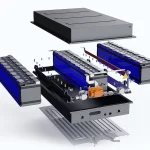
📷 Photo by ayaatech.com