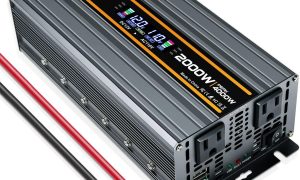



Vanonpower.com – The correct ANL fuse size for an inverter is determined by dividing the inverter’s maximum wattage by the battery voltage and multiplying by a 1.25 safety factor, ensuring the fuse protects the wiring from overheating during peak power draws.
Selecting the right fuse for your power inverter is not merely a suggestion; it is a critical safety requirement for any electrical system. An undersized fuse will blow prematurely during normal operation, while an oversized fuse fails to protect your expensive equipment and wiring from catastrophic electrical fires. Understanding the relationship between current, voltage, and power is the foundation of a safe off-grid or mobile power setup.
The Core Calculation Principle
To calculate the appropriate fuse size, you must first identify the maximum continuous current draw of your inverter. Most inverters specify their maximum current draw in their technical documentation. If that value is missing, you can estimate it by dividing the inverter’s maximum wattage by your system’s nominal battery voltage (12V, 24V, or 48V).
Once you have the amperage, apply a 25% safety margin. This is a standard industry practice to account for the inverter’s surge capacity and to prevent “nuisance blowing” caused by momentary spikes in current. If your calculation results in a non-standard fuse size, always round up to the nearest available standard ANL fuse rating.
Why ANL Fuses Are Preferred
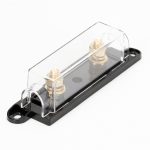
ANL fuses are the industry standard for high-amperage inverter installations because they are designed to handle high current flow reliably. Unlike smaller glass or blade fuses, ANL fuses are physically robust and provide a clean, secure connection that minimizes resistance. High resistance at the fuse block is a common cause of heat buildup, which can melt fuse holders and cause intermittent power failures.
These fuses also feature a high interrupt capacity, meaning they can safely stop the flow of electricity even during a dead short. This is vital when working with high-capacity lithium or lead-acid battery banks, which can discharge thousands of amps in a fraction of a second if a short circuit occurs.
| Inverter Wattage (12V System) | Calculated Amperage | Recommended ANL Fuse Size |
|---|---|---|
| 1000W | 83.3A | 100A |
| 2000W | 166.6A | 200A |
| 3000W | 250A | 300A |
| 4000W | 333.3A | 400A |
Step-by-Step Installation Guide
Proper installation is just as important as choosing the right fuse rating. Follow these steps to ensure your inverter fuse is installed safely and effectively:
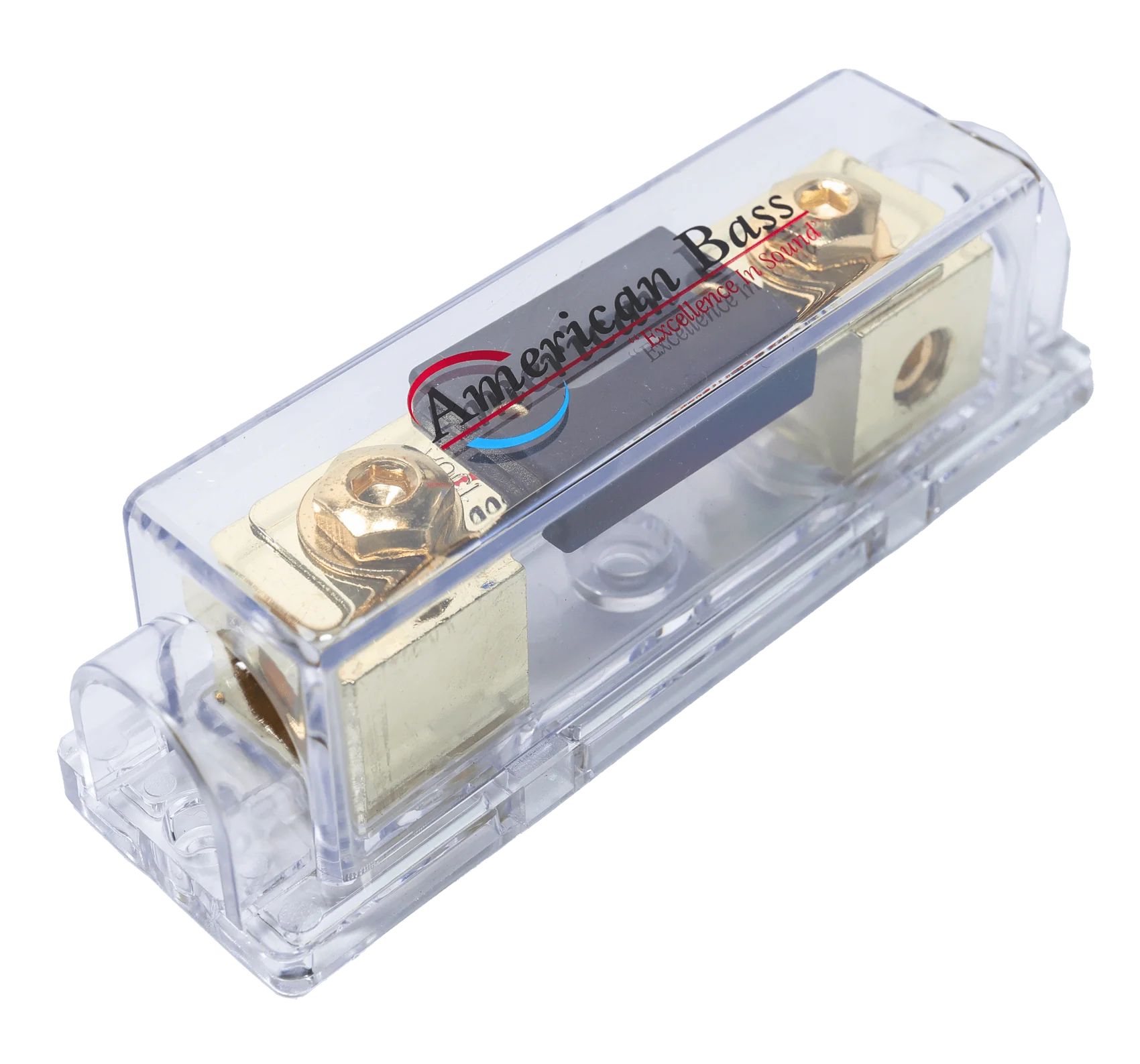
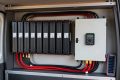
📷 Photo by americanbassusa.com
- Disconnect your battery bank entirely to ensure you are working on a de-energized system.
- Locate the positive battery cable as close to the battery terminal as possible; the fuse must be placed within 18 inches of the battery to protect the entire length of the cable.
- Mount the ANL fuse block securely to a non-conductive surface using heavy-duty screws.
- Cut the positive cable and strip the ends to fit into the fuse block terminals, ensuring a tight, corrosion-free connection.
- Install the ANL fuse into the block and tighten the nuts firmly with a wrench; loose connections are the number one cause of melted fuse holders.
- Re-check all connections for tightness before reconnecting the battery cables to the terminals.
Common Mistakes to Avoid
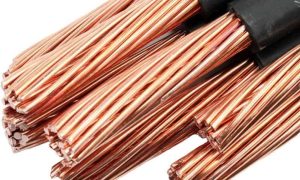
One of the most frequent errors installers make is choosing a fuse based on the inverter’s output capacity rather than its input draw. Remember that the fuse protects the wires between the battery and the inverter. If you use a 300A fuse on a wire gauge that can only handle 150A, the wire will melt and catch fire long before the fuse ever blows.
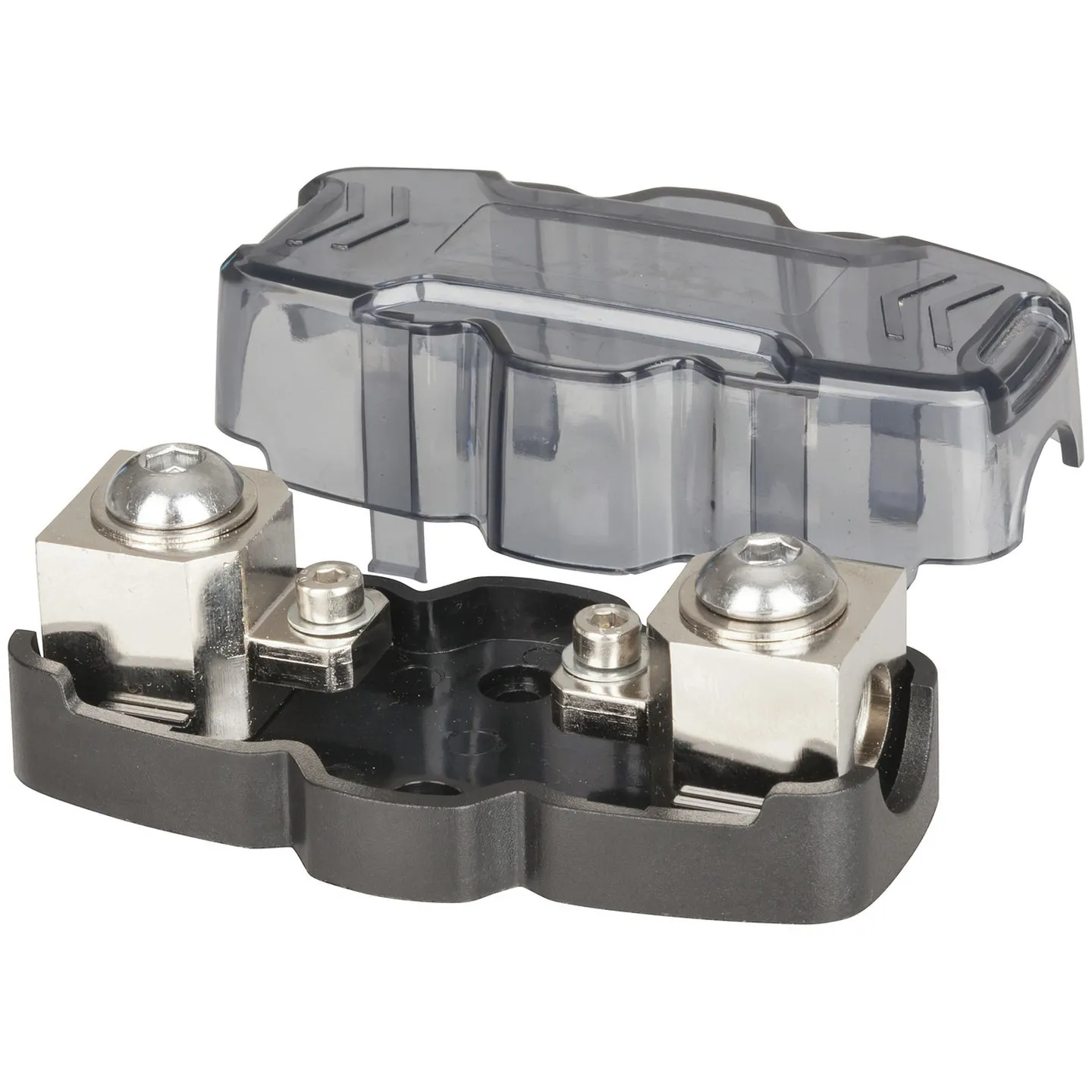
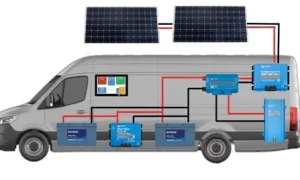
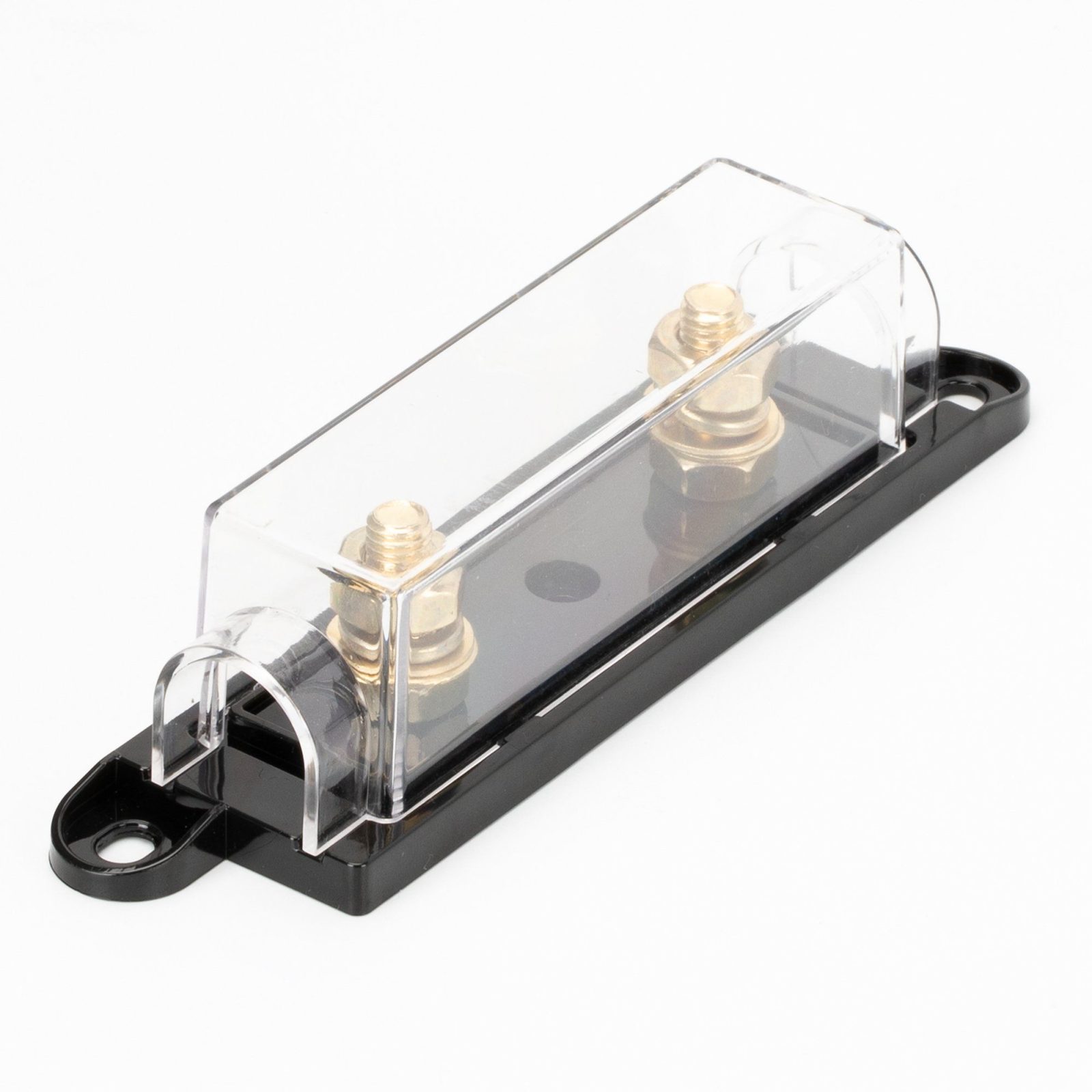
📷 Photo by jaycar.com.au
Another common mistake is placing the fuse too far from the battery. If a short occurs on the wire between the battery and the fuse, that segment of wire remains unprotected. Always prioritize “proximity to the source” when designing your circuit layout. Furthermore, avoid using cheap, generic fuse holders that lack proper heat dissipation, as these often fail under sustained heavy loads.
Signs of an Improper Fuse Setup
If you notice the fuse block becoming hot to the touch during normal inverter operation, this is a major red flag. Heat indicates high resistance, usually caused by loose terminals or an undersized fuse holder that cannot handle the current draw. If the fuse itself blows repeatedly without a clear cause, your inverter may be experiencing a surge that exceeds your current fuse rating, or you may have a short circuit somewhere in your DC wiring.
Regular maintenance is essential. Every six months, inspect the fuse and its holder for signs of discoloration, melting, or corrosion. If the fuse element looks dark or pitted, replace it immediately, even if it has not yet blown. Protecting your investment requires vigilance and adherence to electrical safety standards.
Frequently Asked Questions
Q: Can I use a circuit breaker instead of an ANL fuse?
A: Yes, high-quality DC circuit breakers can replace ANL fuses, but they must be rated for the specific voltage of your system and have a high enough interrupt capacity to handle potential short-circuit currents.
Q: What happens if I use a fuse that is too large?
A: If your fuse is significantly larger than the ampacity of your wiring, the wire itself will act as a fuse. This means the insulation will melt and potentially cause a fire before the fuse ever blows to stop the current.
Q: Does the fuse go on the positive or negative wire?
A: Always install the fuse on the positive (hot) wire. Installing it on the negative side leaves the entire positive cable, which is connected to the positive battery terminal, exposed to potential short circuits against the chassis of your vehicle or boat.
By following these guidelines and respecting the limitations of your electrical components, you ensure a long-lasting and safe power system. Always prioritize wire gauge, proximity, and correct fuse sizing to prevent the most common electrical hazards associated with power inverters.
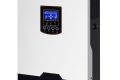
📷 Photo by chinadaier.en.made-in-china.com