

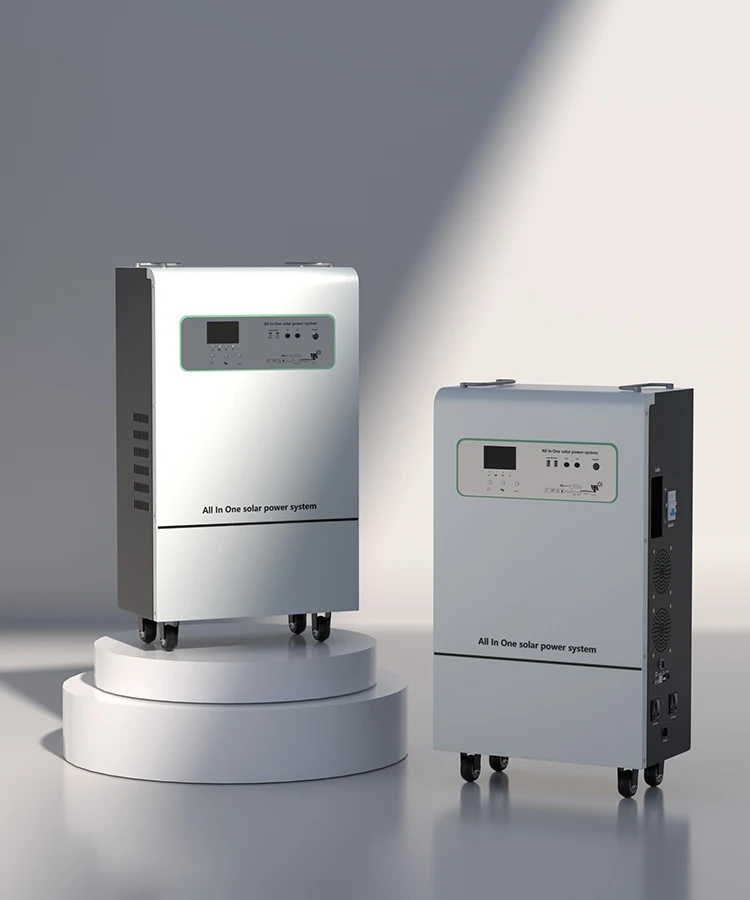
Vanonpower.com – To prevent inverter sparking when connecting to a lithium battery, you must use a pre-charge resistor or a soft-start circuit to limit the high inrush current caused by the rapid charging of the inverter’s internal input capacitors.
The spark you see when connecting a lithium battery to an inverter is not a sign of a faulty connection but a physical reaction known as inrush current. Lithium batteries have extremely low internal resistance and can deliver massive bursts of energy instantaneously. When you first touch the cable to the terminal, the inverter’s internal capacitors act like a short circuit, drawing a massive amount of current in a fraction of a second to charge themselves. This rapid flow of electrons creates an arc, which is the spark you observe.
Why Inverter Sparks Are Dangerous
While a small spark might seem like a minor annoyance, it presents several risks to your electrical system. First, the arc can cause pitting on the battery terminal and the cable lug. Over time, this oxidation and material degradation increase electrical resistance at the connection point, leading to heat buildup and potential fire hazards.
Second, the sudden voltage surge can stress the sensitive electronic components inside the inverter. In extreme cases, repeated arcing can fuse internal relays or damage the delicate control circuitry responsible for the inverter’s soft-start function. By mitigating this spark, you extend the lifespan of both your battery terminals and your power inverter.
Methods to Manage Inrush Current
The most effective way to eliminate the spark is to introduce a resistor into the circuit temporarily. This resistor limits the flow of current, allowing the capacitors to charge slowly over a few seconds before the full connection is established. Once the capacitors are charged, the full current can flow safely without the sudden surge that causes the arc.
Practical Steps to Safely Connect Your Inverter
- Ensure the inverter’s power switch is in the OFF position before beginning the connection process.
- Select a high-wattage resistor (typically 10 to 50 Ohms, 5 to 10 Watts is standard for most 12V or 24V systems).
- Connect one end of the resistor to the positive battery terminal.
- Touch the other end of the resistor to the positive inverter input cable lug. You may hear a faint clicking or see a very dim light if you are using a bulb as a resistor, but there will be no dangerous spark.
- Hold this connection for approximately 5 to 10 seconds to allow the internal capacitors to reach the battery’s voltage level.
- Quickly remove the resistor and firmly bolt the cable lug onto the battery terminal, followed by the negative cable connection.
Comparison of Mitigation Techniques
| Method | Efficiency | Complexity | Best For |
|---|---|---|---|
| Pre-charge Resistor | High | Low | Manual, occasional connections |
| Soft-start Module | Very High | Medium | Permanent, automated installations |
| Pre-charge Relay | High | High | Large-scale battery banks |
Common Mistakes to Avoid
One common mistake is assuming that a “spark-free” connection means the system is not working. In reality, the lack of a spark indicates that the electrical potential is balanced, which is exactly what you want. Another error is using a resistor with an incorrect wattage rating. If the resistor wattage is too low, it may overheat and burn out instantly when it tries to throttle the high current.
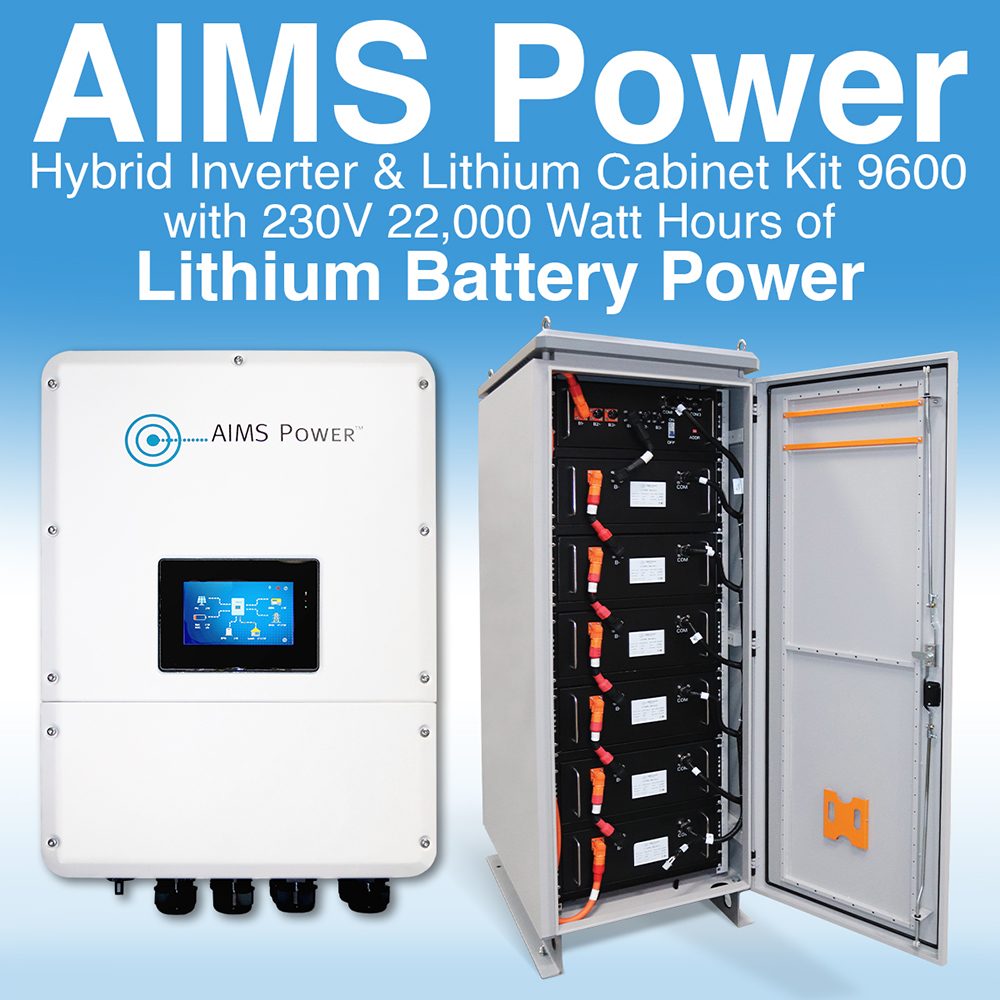
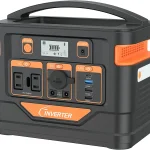
📷 Photo by theinverterstore.com
Always verify the voltage rating of your components. If you are running a 48V system, you need a resistor capable of handling the higher voltage and heat dissipation compared to a 12V system. Using thin, standard electronic resistors found in hobby kits is dangerous; always use ceramic-encased power resistors designed for high-current applications.
Safety Precautions
Before making any connections, always ensure the area is free from flammable materials. Lithium batteries are energy-dense, and accidental short circuits can result in intense heat or battery venting. Wear safety glasses to protect your eyes from any potential molten metal spray if a short circuit were to occur. Never attempt to “bypass” the spark by using thin wires that could melt, as this creates a secondary fire risk inside your battery compartment.
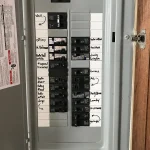
Read also: Connecting Inverter to Breaker Box: Sub-Panel Wiring Diagram
FAQ: Common Inverter Connection Concerns
Q: Is it normal for my lithium battery to spark even when the inverter is off?
A: Yes. The inverter’s internal capacitors are connected to the input terminals regardless of whether the inverter is switched on or off. The charging process happens the moment the circuit is closed.
Q: Does the size of the inverter affect the intensity of the spark?
A: Absolutely. Larger inverters have much larger capacitor banks to handle higher loads. Consequently, they draw significantly more current upon initial connection, leading to larger, more damaging sparks compared to smaller, low-wattage units.
Q: Can I use a light bulb instead of a resistor?
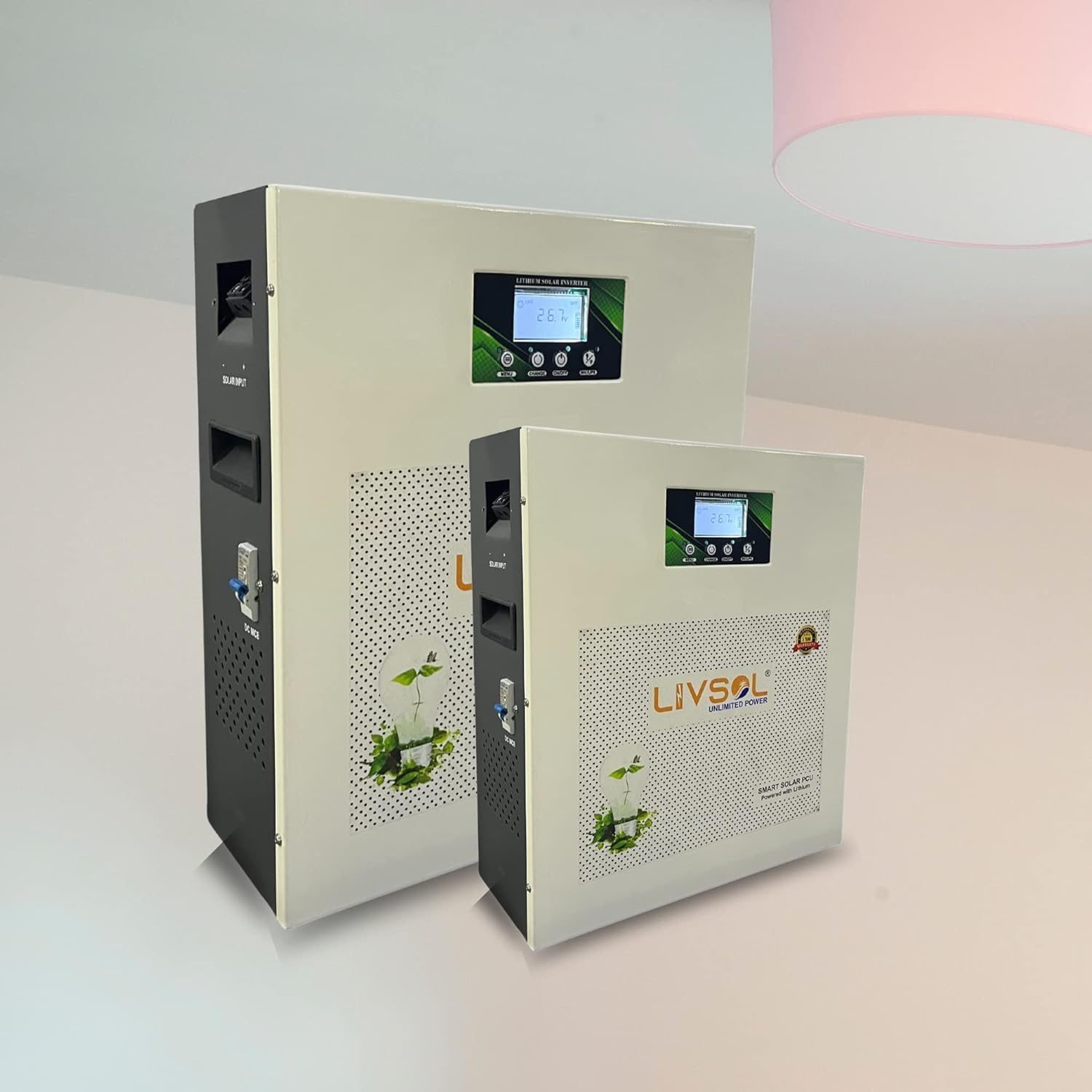
📷 Photo by amazon.in
A: Yes, an incandescent light bulb of the appropriate voltage can act as a primitive pre-charge tool. As the capacitor charges, the bulb will glow bright and then dim as the current flow decreases, providing a visual indicator that the connection is safe to finalize.
By implementing these simple pre-charge techniques, you protect your investment in high-quality lithium power. Taking these few extra seconds to bridge the connection safely prevents premature wear on your hardware and ensures a more reliable power system for years to come.
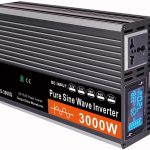
📷 Photo by alibaba.com