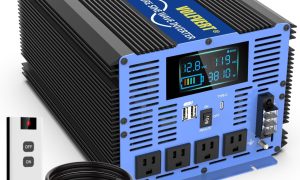




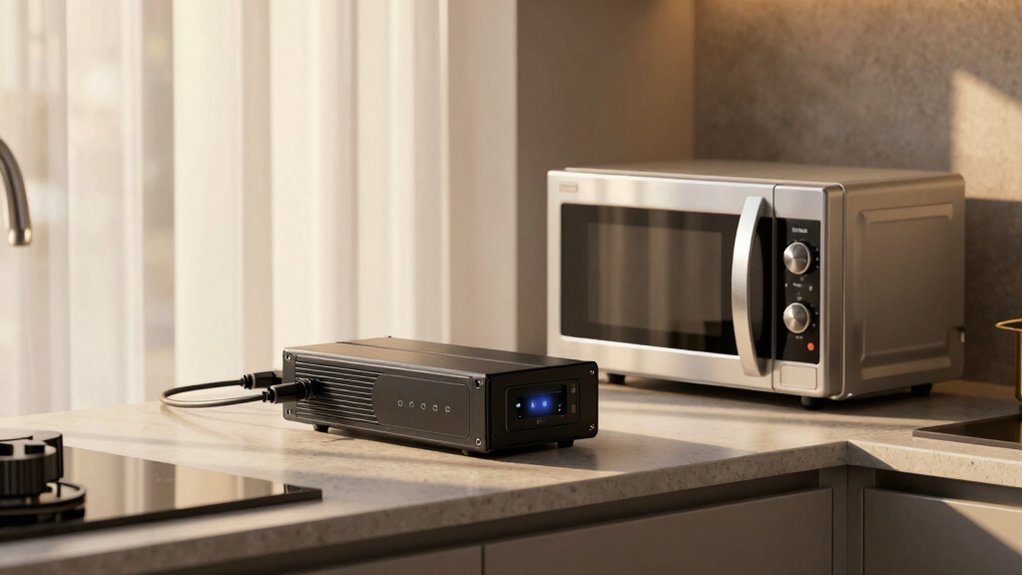
Vanonpower.com – A 2000-watt inverter can comfortably run most standard household microwaves because they typically consume between 600 and 1200 watts of continuous power, well within the capacity of a 2000-watt unit.
The ability to power a microwave using an inverter depends on two critical factors: the rated wattage of your microwave and the surge capacity of your inverter. While a microwave may be labeled as a 1000-watt model, this refers to the cooking power, not the actual power consumption from the electrical source. Most microwaves require significantly more power to operate their magnetrons, fans, and internal components.
Understanding Power Consumption and Surge Requirements
When you look at the back of your microwave, you will usually find a label indicating the “Input Power” or “Power Consumption.” A microwave that cooks at 1000 watts often consumes around 1500 to 1600 watts of electricity. Because of this, a 2000-watt inverter is generally the “sweet spot” for mobile kitchens, off-grid cabins, or RV setups. It provides enough overhead to handle the power spike that occurs the moment the microwave is turned on.
The most important consideration is the surge wattage. Many appliances, including microwaves, experience a momentary draw of power when they first start, which is often double or triple their running wattage. A high-quality 2000-watt inverter usually comes with a surge rating—often up to 4000 watts—which is vital for preventing the inverter from shutting down due to an overload protection trigger.
Comparison of Microwave Power Requirements
| Microwave Type | Cooking Power | Estimated Input Draw | Inverter Suitability |
|---|---|---|---|
| Compact/Travel | 600W – 700W | 900W – 1100W | Excellent |
| Standard Countertop | 900W – 1100W | 1400W – 1600W | Good |
| Convection/Large | 1200W+ | 1700W – 2000W+ | Borderline |
Common Risks and Mistakes to Avoid
One of the most frequent mistakes users make is underestimating the battery bank required to support a 2000-watt inverter. Even if the inverter can handle the load, if your battery bank is too small or the wires are too thin, you will encounter significant voltage drops. This leads to the inverter beeping incessantly or shutting down entirely before your popcorn is finished popping.
Another issue is the use of “modified sine wave” inverters versus “pure sine wave” inverters. Older, cheaper modified sine wave units can cause microwave components to overheat, hum loudly, or even damage the microwave’s sensitive digital control board. Always ensure your inverter produces a pure sine wave to protect your appliances and ensure efficient operation.
Steps to Safely Power Your Microwave
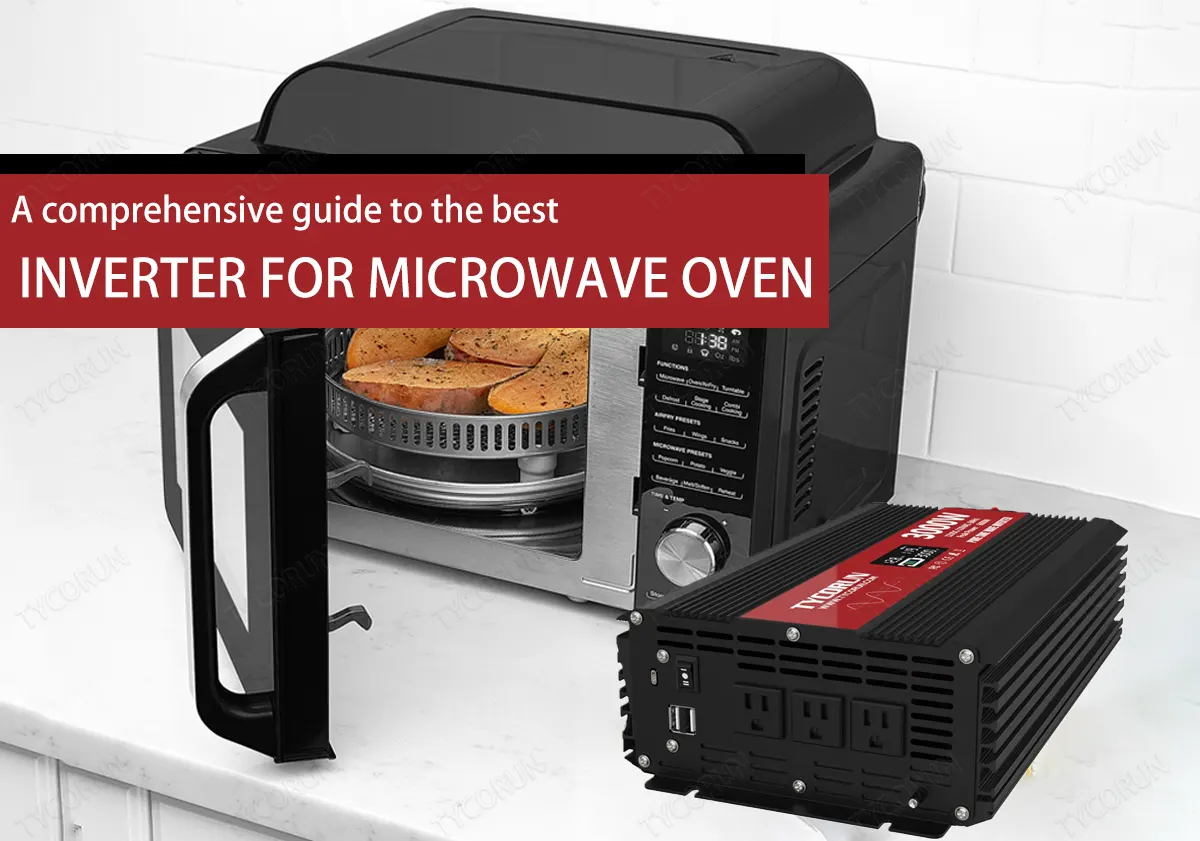
📷 Photo by tycorun.com
- Verify your microwave’s actual input wattage by checking the sticker on the back or the user manual.
- Ensure your inverter is rated for at least 2000 watts of continuous power and has a sufficient surge capacity.
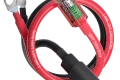
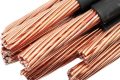
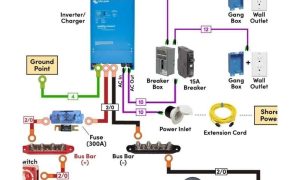
- Use heavy-gauge battery cables (at least 2/0 AWG) to connect the inverter to your batteries to minimize resistance and heat.
- Connect the inverter as close to the battery bank as possible to ensure stable voltage delivery.
- Ensure your battery bank has a high discharge rate, such as a Lithium Iron Phosphate (LiFePO4) battery, which can handle the heavy current draw of a microwave.
- Turn on the inverter and allow it to stabilize before starting the microwave.
- Monitor the inverter’s temperature and voltage display during the first few uses to ensure the system is not straining.
The Role of Battery Capacity
Running a microwave is a “heavy” task for any battery system. Because microwaves pull a high amount of current, they can drain lead-acid batteries very quickly. If you plan on using your microwave frequently while camping or living off-grid, you should prioritize a lithium battery setup. Lithium batteries maintain a higher voltage under heavy loads, which prevents the inverter from triggering a low-voltage shutdown prematurely.
Temperature also plays a role in how well your equipment performs. If you are operating in extreme cold, batteries lose efficiency, and the internal resistance increases. This makes it much harder for your 2000-watt inverter to pull the necessary current from your batteries. Always keep your battery bank in an insulated or climate-controlled environment if possible.
Troubleshooting Common Issues
If your inverter shuts down the moment you start the microwave, it is likely one of three things: the inverter is sensing a surge that exceeds its peak limit, the battery voltage is dropping too low, or the cable connections are loose. Always check for tight connections before assuming the equipment is faulty. Corrosion on terminals can create enough resistance to mimic a power shortage, causing the inverter to cut power to protect itself.
FAQ
Q: Will my microwave cook slower if I use an inverter?
A: No, as long as the inverter can provide the necessary wattage, the microwave will cook at its standard speed. If the inverter is struggling, the microwave may turn on, but it will likely shut the system down or produce insufficient heat.
Q: Can I run other appliances while the microwave is on?
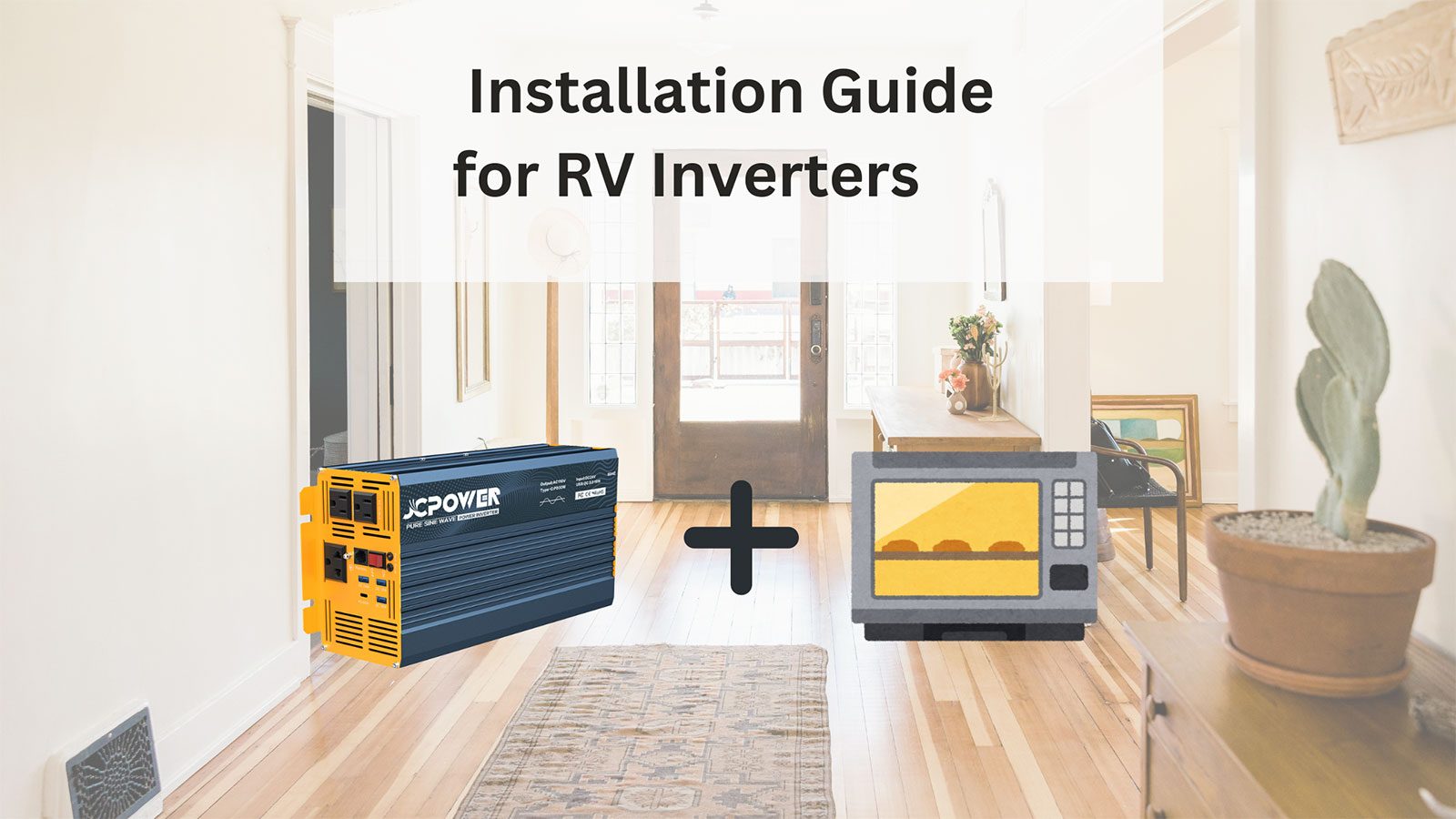
📷 Photo by junchipower.com
A: It is generally advised against. A 2000-watt inverter is usually dedicated to the load of the microwave. Running a coffee maker, toaster, or hair dryer simultaneously will almost certainly exceed the 2000-watt limit and trigger an overload shutdown.
Q: Is it safe to leave the inverter on all the time?
A: While you can leave it on, inverters consume “idle power” even when nothing is plugged in. To conserve your battery life, it is best practice to turn the inverter off when you are not actively using your appliances.
In summary, while a 2000-watt inverter is perfectly capable of powering most microwaves, the success of your setup relies heavily on the quality of your battery bank and the gauge of your wiring. By respecting the surge limitations and ensuring your power source is robust, you can enjoy the convenience of modern cooking wherever your travels take you.
📷 Photo by powergetup.com