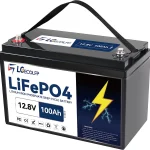


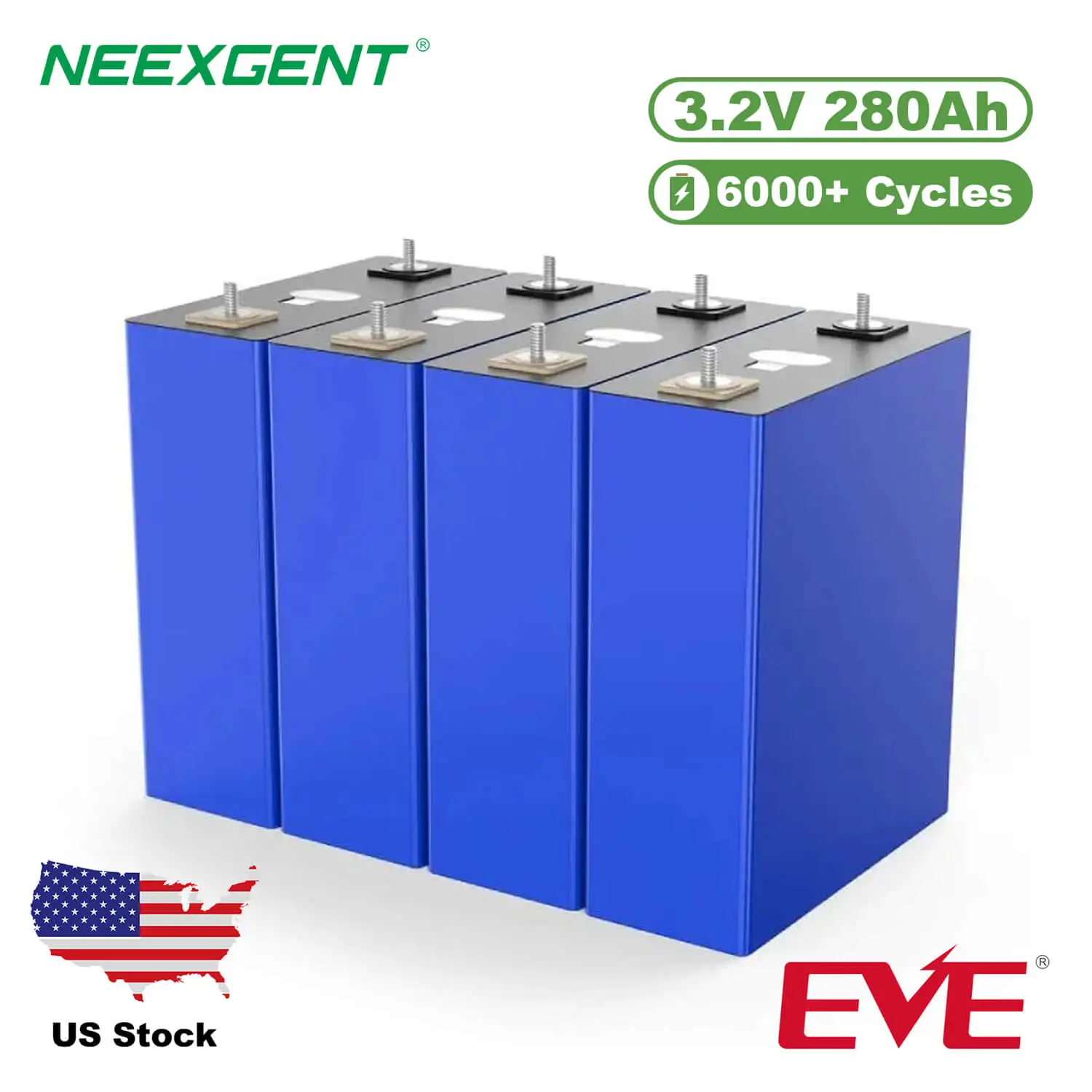
Vanonpower.com – Building a DIY LiFePO4 battery pack typically saves 30% to 50% in upfront costs compared to premium pre-built drop-in batteries, though it sacrifices the plug-and-play convenience, warranty support, and safety certifications of manufactured units.
Understanding the Financial Gap
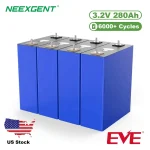
The primary driver behind the DIY versus pre-built debate is the difference in value proposition. When you purchase a pre-built LiFePO4 battery, you are paying for more than just the raw lithium cells. The price includes the manufacturer’s R&D, structural assembly, rigorous quality control, a pre-configured Battery Management System (BMS), a protective casing, and a comprehensive warranty. In contrast, a DIY build requires you to source cells, a BMS, busbars, and a housing separately, effectively bypassing the retail markup associated with finished goods.
However, cost analysis must extend beyond the initial purchase price. DIY builders often underestimate the “hidden” costs of assembly, such as specialized tools, connectors, wiring, and the potential risk of human error. If a DIY pack fails due to a faulty connection, the replacement cost of cells can quickly negate any initial savings.
Cost Comparison Table: DIY vs. Pre-Built (12V 100Ah System)
| Component/Factor | DIY Build (Estimated) | Pre-Built Drop-In |
|---|---|---|
| LiFePO4 Cells (Grade A) | $160 – $200 | Included in total |
| BMS (External) | $40 – $80 | Integrated |
| Casing & Hardware | $30 – $60 | Included |
| Assembly Tools/Consumables | $50 – $100 | N/A |
| Warranty Protection | None (Self-insured) | 3 – 10 Years |
| Total Estimated Cost | $280 – $440 | $400 – $700+ |
The Risks of DIY Lithium Assemblies
The most significant risk in a DIY build is the quality of the cells. The market is flooded with “Grade B” or recycled cells that do not meet the capacity or cycle-life standards of new Grade A cells. If you purchase cheaper, lower-grade cells to save money, your DIY battery may fail within a year, whereas a reputable pre-built manufacturer guarantees consistent performance through factory-matched cells.
Another major factor is safety. A pre-built battery undergoes vibration testing, thermal runaway protection validation, and short-circuit testing. DIY builders often lack the equipment to verify if their BMS settings are perfectly calibrated to the specific cells. An improperly configured BMS can lead to cell overcharging or deep discharging, both of which can permanently damage the battery or, in rare cases, create a fire hazard.
Step-by-Step Considerations for a DIY Build
If you decide that the cost savings and the educational value of a DIY build are worth the effort, follow this disciplined approach to ensure safety and longevity:
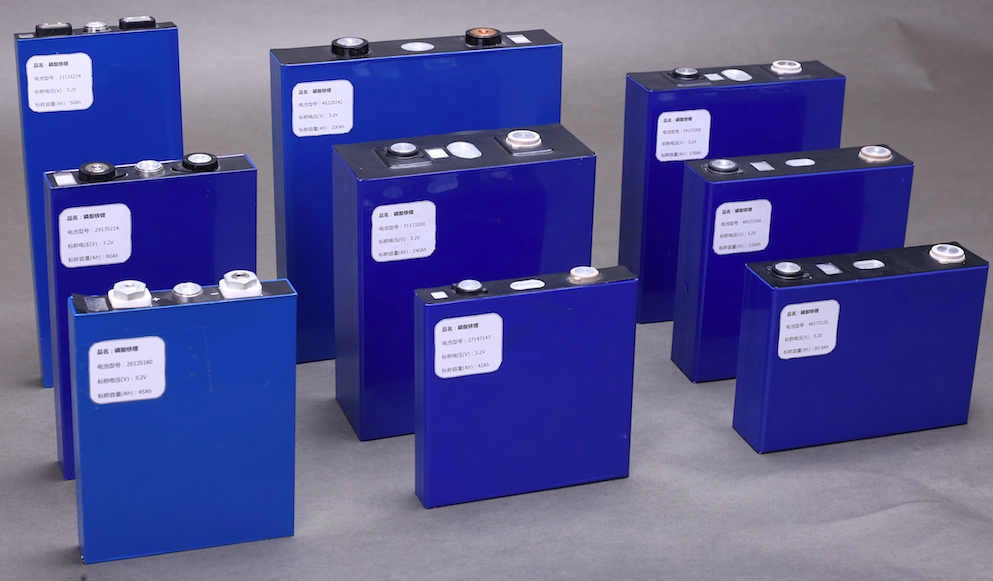
- Source matched, Grade A prismatic cells from a reputable supplier, ensuring they are from the same batch to maintain internal resistance consistency.
- Perform a “top balance” on the cells before assembly by connecting them in parallel and charging them to a consistent voltage, which ensures the BMS can manage them effectively from the start.
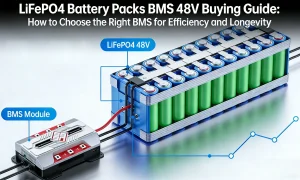
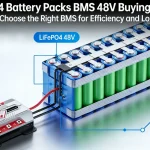
- Select a high-quality BMS that supports your specific discharge requirements and has built-in low-temperature charging protection, as charging LiFePO4 below freezing causes permanent damage.
- Construct a rigid, non-conductive enclosure to house the cells, ensuring there is enough compression to prevent the cells from swelling during charge/discharge cycles.
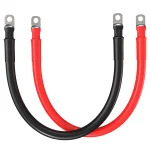
- Use proper busbars and torque wrenches to secure connections; loose connections create high resistance, leading to heat buildup and potential system failure.
When Should You Choose Pre-Built?
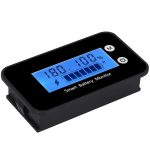
The “drop-in” convenience of pre-built batteries is not just a luxury; it is a functional requirement for many users. If you are installing a battery in a mission-critical system, such as an off-grid cabin or a medical backup supply, the reliability of a factory-tested unit is invaluable. Furthermore, pre-built batteries often come with Bluetooth monitoring, which allows you to check the health of each cell in real-time through a smartphone app. While you can add Bluetooth to a DIY build, integrating it cleanly is another layer of complexity and cost.
📷 Photo by rj-lithium.com
Common Mistakes to Avoid
Many DIY enthusiasts fall into the trap of “penny-pinching” on the BMS. The BMS is the brain of your battery; buying a cheap, generic BMS is the fastest way to ruin a perfectly good set of cells. Additionally, ignoring the importance of compression in prismatic cells is a frequent error. Without proper compression, the internal layers of the cells can delaminate over time, significantly reducing the lifespan of the battery.
FAQ: DIY vs. Pre-Built Batteries
Q: Is a DIY battery always cheaper than a pre-built one?
A: Not always. If you factor in the cost of high-quality tools, shipping for individual components, and the potential for mistakes, the price difference for entry-level 12V batteries is often negligible. The savings become more apparent in larger capacity systems (e.g., 24V or 48V setups).
Q: Can I get a warranty on a DIY battery?
A: Generally, no. While individual components like the BMS may have a limited manufacturer warranty, the assembled battery system does not. If a cell fails, you are responsible for the troubleshooting and replacement costs.
Q: What is the biggest advantage of the DIY route?
A: The biggest advantage is modularity and repairability. When you build a battery yourself, you understand exactly how it works. If a single component fails, you can replace just that part, whereas a pre-built unit is often sealed or glued shut, making it essentially disposable if one component dies after the warranty expires.
Final Verdict
Choosing between a DIY build and a pre-built battery comes down to your technical skill, time availability, and risk tolerance. If you view battery building as a hobby and want to learn the intricacies of energy storage, DIY is a rewarding and potentially cheaper path. If you need a reliable power source for a vehicle or home system and value your time, the premium paid for a pre-built drop-in battery is an investment in peace of mind and long-term reliability.
Read also: Best Battery Monitor Settings for Accurate State of Charge Tracking
📷 Photo by neexgent.com