



Vanonpower.com – Lithium Iron Phosphate (LiFePO4) batteries do not require traditional equalization charging used for lead-acid batteries, as applying high-voltage equalization can permanently damage the internal chemistry and protection circuitry of lithium cells.
The concept of equalization is a legacy term stemming from the maintenance of flooded lead-acid batteries. In those systems, equalization involves a deliberate overcharge at a higher voltage to stir the electrolyte and remove sulfate crystals from the plates. When users transition to LiFePO4 technology, they often mistakenly apply these same maintenance habits, leading to catastrophic failure of their battery management systems (BMS).
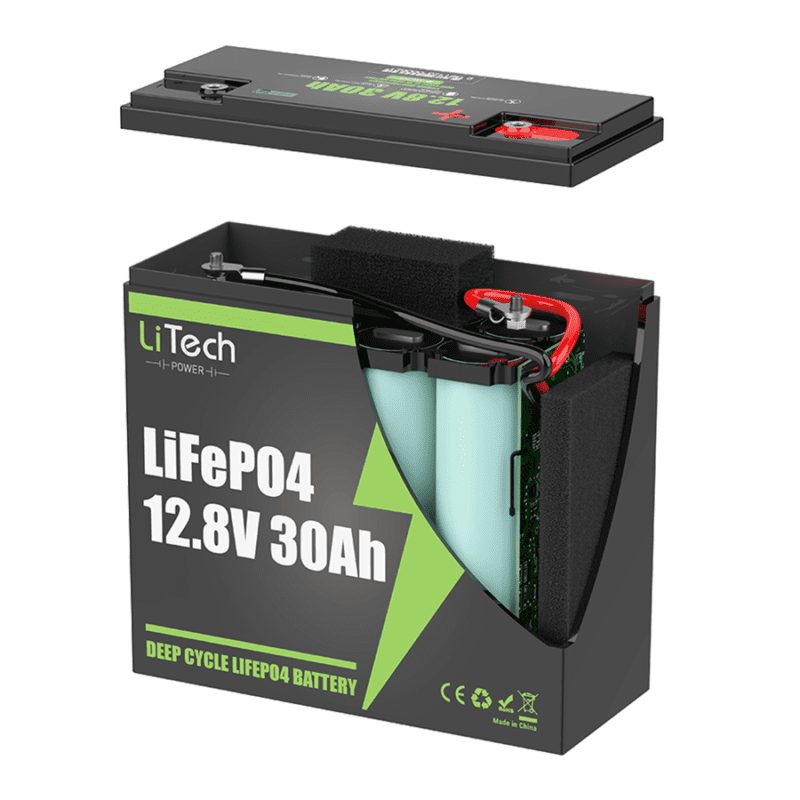
📷 Photo by litechpower.com
Why Equalization is Dangerous for LiFePO4
LiFePO4 batteries are inherently different. They do not suffer from sulfation, and they do not have a liquid electrolyte that needs mixing. When you subject a LiFePO4 cell to the high voltages required for equalization (typically above 3.65V per cell), you risk triggering the over-voltage protection of the BMS or, worse, causing thermal runaway.
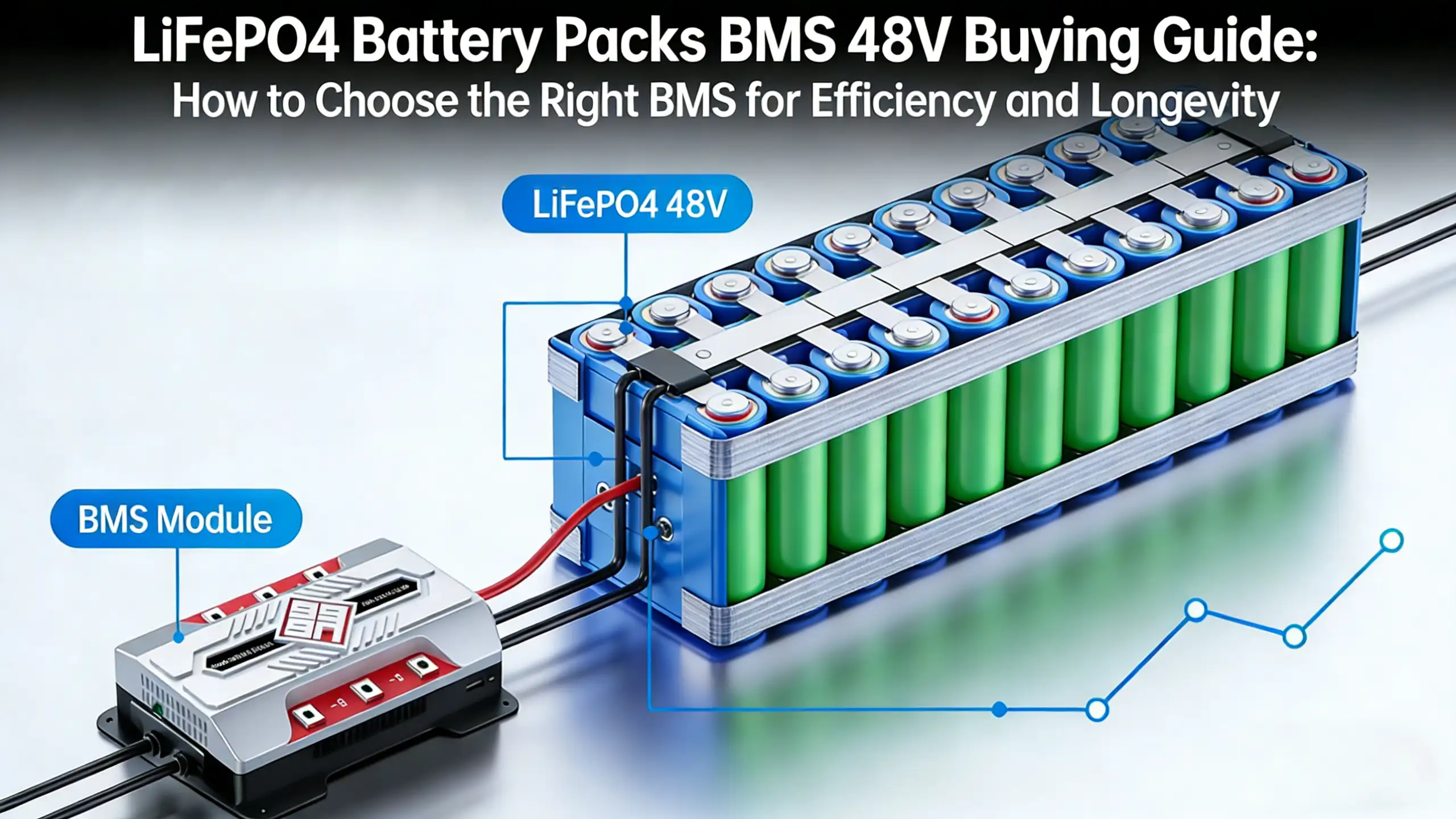
The BMS in a LiFePO4 pack is designed to protect the cells from overcharging and over-discharging. If you force an external equalization charge, the BMS will likely disconnect the battery to protect it. Repeatedly forcing these conditions can lead to the degradation of the electrolyte and the internal separator, significantly shortening the lifespan of the battery pack.
The Role of Cell Balancing
While LiFePO4 does not need equalization, it does require “balancing.” This is a common point of confusion. Balancing is a process where the BMS ensures that every cell in a series string reaches the same state of charge. This is essential because if one cell is at 100 percent while another is at 90 percent, the battery’s total capacity is limited by the weakest cell.
Balancing usually occurs automatically at the top of the charge cycle. When the cells reach a certain voltage threshold, the BMS shunts a small amount of current away from the higher-voltage cells, allowing the lower-voltage cells to “catch up.” This is a passive, internal process handled by the electronics, not an external high-voltage maintenance task.
Comparison: Lead-Acid Equalization vs. LiFePO4 Balancing
| Feature | Lead-Acid Equalization | LiFePO4 Balancing |
|---|---|---|
| Purpose | Remove sulfate and mix electrolyte | Ensure uniform cell voltage |
| Voltage Level | Higher than normal bulk charge | Within normal operating range |
| System Control | Manual or charger-driven | Automatic via internal BMS |
| Frequency | Periodic (e.g., monthly) | Continuous or at top-of-charge |
Common Myths Regarding LiFePO4 Maintenance
One prevalent myth is that LiFePO4 batteries need a “conditioning” or “forming” charge cycle similar to old nickel-cadmium batteries. This is entirely false. LiFePO4 chemistry is stable and does not have a “memory effect.” You can charge it at any state of charge, and it will not degrade the capacity.
Another myth is that you must charge LiFePO4 to 100 percent every time to “exercise” the cells. In reality, LiFePO4 batteries actually prefer to operate in the 20 percent to 80 percent range for long-term storage or daily use. Keeping them at 100 percent for extended periods can actually accelerate chemical aging due to the high voltage stress on the cathode.
How to Properly Maintain Your LiFePO4 System
Instead of manual equalization, focus on maintaining the health of your BMS and ensuring your charger settings are correct. Follow these steps to ensure your battery stays balanced and healthy:
- Use a charger specifically designed for LiFePO4 chemistry with a constant current/constant voltage (CC/CV) profile.
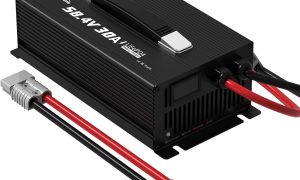
- Set the bulk/absorption voltage to the manufacturer’s recommended level, usually 14.4V to 14.6V for a 12V system.
- Periodically allow the battery to reach full charge (100 percent) to allow the BMS balancing circuitry to function effectively.
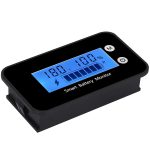
- Check the BMS software or monitor periodically to ensure that individual cell voltages are within 0.05V of each other.
- If you notice a significant voltage divergence between cells, contact the manufacturer, as this may indicate a faulty cell rather than a need for external maintenance.
Risks of Ignoring BMS Warnings
If you ignore the warnings of your BMS and continue to try to force power into a battery that has disconnected itself, you are bypassing the only safety layer preventing fire or explosion. Many users make the mistake of using a “smart” charger that has a built-in desulfation mode. Never use a charger with a desulfation or repair mode on a LiFePO4 battery; the high-voltage pulses can destroy the BMS MOSFETs instantly.
If your battery appears to be “dying” or not holding a charge, it is rarely due to a lack of equalization. It is usually caused by a loose connection, a failed BMS, or a damaged cell. Attempting to “equalize” a damaged cell will not fix the underlying chemistry; it will only exacerbate the imbalance.
Q: Can I use a lead-acid charger on my LiFePO4 battery?
A: Only if the lead-acid charger does not have an automatic desulfation or equalization mode. It is highly recommended to use a dedicated LiFePO4 charger to ensure safety and longevity.
Q: Why does my BMS keep shutting down during charging?
A: This is likely because the charger voltage is set too high, triggering the BMS over-voltage protection. Verify your charger settings against the battery manufacturer’s datasheet.
Q: Is it okay to leave my LiFePO4 battery on a charger indefinitely?
A: While LiFePO4 is more tolerant than other chemistries, it is best to disconnect the charger or use a smart charger that enters a low-voltage float or storage mode to prevent unnecessary stress on the cells.
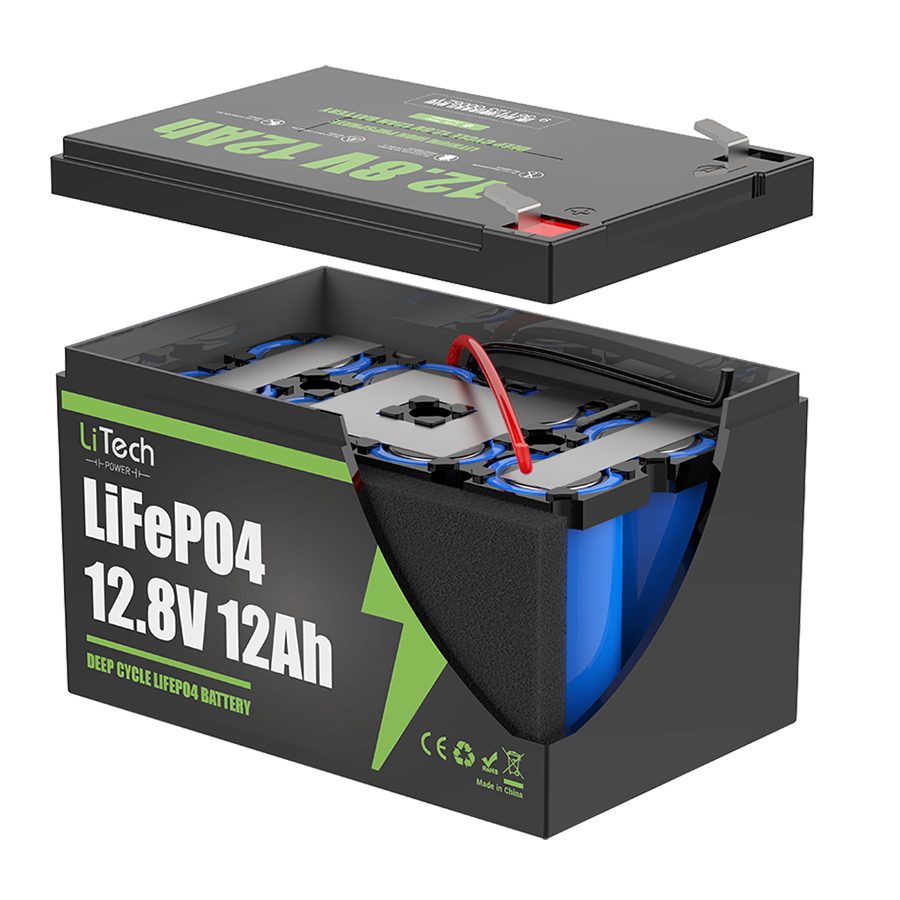
📷 Photo by litechpower.com
Ultimately, the best maintenance for LiFePO4 is “set it and forget it.” By choosing high-quality components and respecting the voltage limits defined by the manufacturer, you eliminate the need for archaic maintenance practices. Trust your BMS to handle the balancing, and keep your charger settings strictly within the recommended lithium-specific parameters.
Read also: Calculating Daily Energy Budget in Amp Hours: Step-by-Step Sheet
📷 Photo by ayaatech.com