


Vanonpower.com – Voc represents the Open Circuit Voltage, which is the maximum voltage a solar panel provides when no load is connected, while Vmp is the Voltage at Maximum Power, representing the actual operating voltage when the panel is connected to a load and generating power.
Understanding these two metrics is essential for anyone designing or maintaining a solar power system. Many beginners confuse these figures, leading to mismatched components or, in worst-case scenarios, damaged charge controllers and inverters. By grasping the relationship between Voc and Vmp, you ensure your solar array operates within safe and efficient parameters.
What is Voc (Open Circuit Voltage)?
Voc is the absolute highest voltage a solar panel can reach under standard test conditions when it is not connected to any circuit. Think of it as the electrical “pressure” waiting at the terminals of the panel. Because there is no current flowing, the internal resistance does not drop the voltage. It is the value that solar installers use to calculate the maximum number of panels that can be connected in a series string without exceeding the input voltage limit of a charge controller or grid-tie inverter.
What is Vmp (Voltage at Maximum Power)?
Vmp is the voltage at which the solar panel performs most efficiently under peak sunlight. When you connect your solar panel to a charge controller or a load, the voltage naturally drops from the Voc level to the Vmp level. This is the “sweet spot” where the panel produces its highest wattage. A Maximum Power Point Tracking (MPPT) charge controller is specifically designed to adjust the electrical load to force the panel to operate as close to the Vmp as possible.
The Critical Relationship Between Voc and Vmp
The difference between Voc and Vmp is dictated by the physical characteristics of the photovoltaic cells. Generally, Vmp is roughly 75% to 85% of the Voc value. If your panel has a Voc of 22V, you can reasonably expect the Vmp to be somewhere around 18V. This gap is necessary for the system to function; if a controller tried to pull power at the Voc level, the current would drop to zero, effectively stopping power production.
Comparison Table: Voc vs Vmp
| Feature | Voc (Open Circuit Voltage) | Vmp (Voltage at Maximum Power) |
|---|---|---|
| Current Status | No load connected (Zero current) | Under load (Maximum current) |
| Primary Use | Safety, sizing, and string limits | Efficiency and power output calculation |
| Value Magnitude | Always higher than Vmp | Usually 80% of Voc |
| Temperature Effect | Increases in extreme cold | Decreases in extreme heat |
Why Temperature Matters
One of the most common mistakes in solar design is ignoring temperature coefficients. Solar panels are sensitive to ambient air temperature. As the temperature drops, the voltage of a solar panel increases. If you live in a region that experiences freezing temperatures, you must calculate the “Temperature Corrected Voc.” If you ignore this, a particularly cold morning could cause the Voc to spike above your charge controller’s maximum input voltage, resulting in a blown fuse or fried internal electronics.
How to Calculate String Sizing Safely
- Check the specification label on the back of your solar panel to identify the Voc rating.
- Find the historical record of the lowest ambient temperature in your specific geographic location.
- Apply the temperature coefficient (found in the panel datasheet) to determine the absolute maximum voltage the panel can produce in the coldest possible conditions.
- Check the maximum input voltage rating of your charge controller or inverter.
- Divide the controller’s maximum voltage by your temperature-corrected Voc to determine the maximum number of panels that can be safely wired in a series string.
- Always round down to the nearest whole number to maintain a safety buffer.
Common Mistakes to Avoid
The most frequent error is assuming that the wattage of a panel is the only thing that matters. People often buy a high-voltage panel and assume it will work with any controller. However, if the Voc exceeds the controller’s limit, the equipment will fail immediately upon connection. Another mistake is ignoring the impact of shading; while Vmp is the target, shading can cause the voltage to fluctuate unpredictably, making the role of a high-quality MPPT controller even more vital.
Practical Tips for Solar Enthusiasts
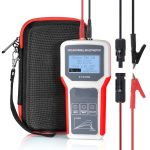
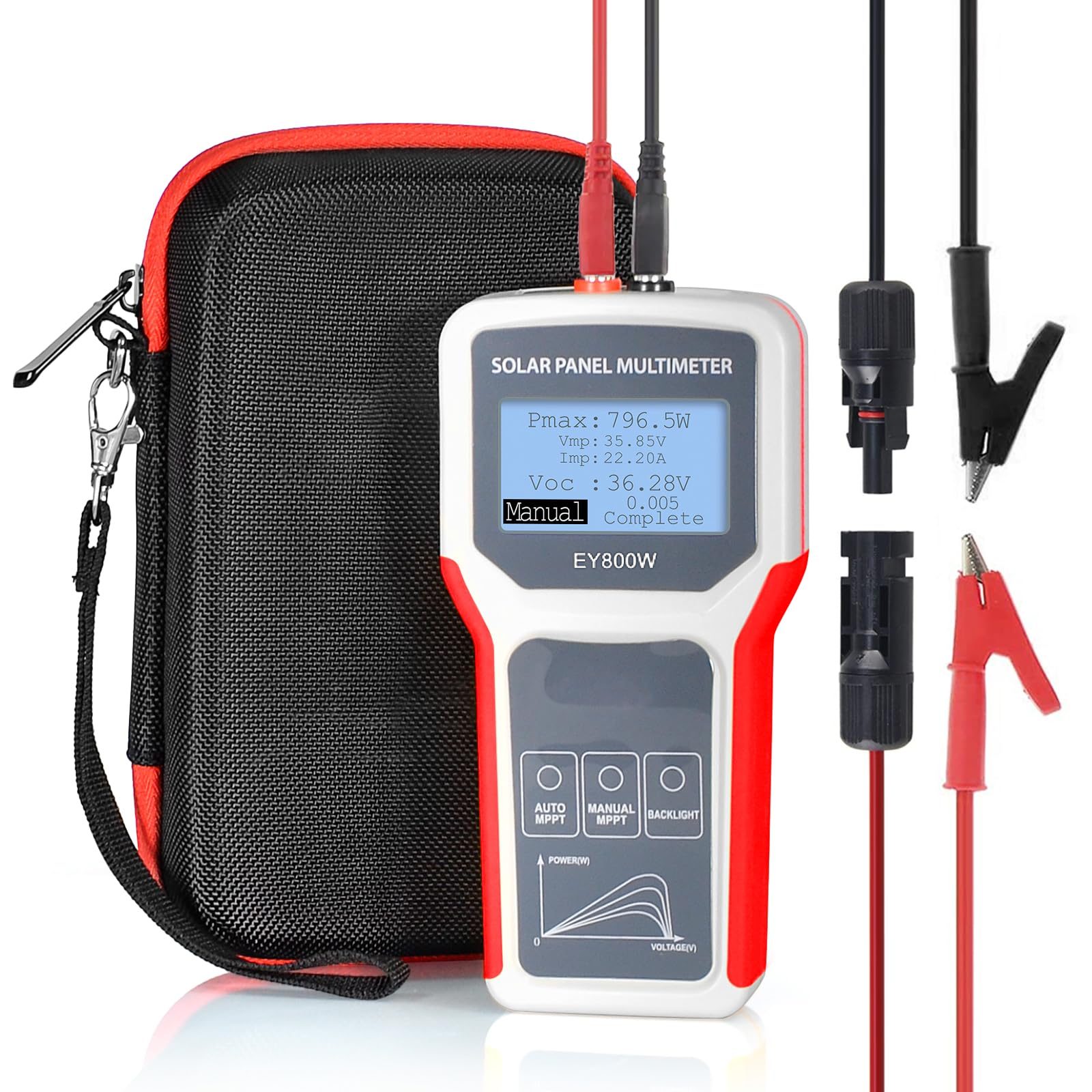
Always use a digital multimeter to check the Voc of your panels before connecting them to your system. This confirms that the panels are functioning correctly out of the box. Additionally, keep your connections tight and protected from moisture. Corrosion on the terminals can increase resistance, which leads to unexpected voltage drops and lower efficiency during operation. If you are designing an off-grid system, prioritize high-quality MPPT controllers over cheaper PWM controllers, as they are significantly better at managing the gap between Voc and Vmp to maximize your harvest.
FAQ: Common Questions
Q: Can I exceed the Voc limit of my charge controller?
A: Absolutely not. Exceeding the maximum Voc rating will almost certainly damage the charge controller’s internal circuitry, often voiding the warranty immediately.
Q: Does Vmp change depending on the sunlight intensity?
A: Vmp remains relatively stable even as sunlight intensity (irradiance) changes, whereas the current (Imp) is what fluctuates significantly with the amount of available sunlight.
Q: Why is my measured voltage lower than the Voc on the label?
A: If you are measuring while the panel is connected to a load, you are seeing the operating voltage, which is closer to the Vmp. If you are measuring open-circuit and it is still low, the panel may be shaded, dirty, or damaged.
📷 Photo by snapklik.com