


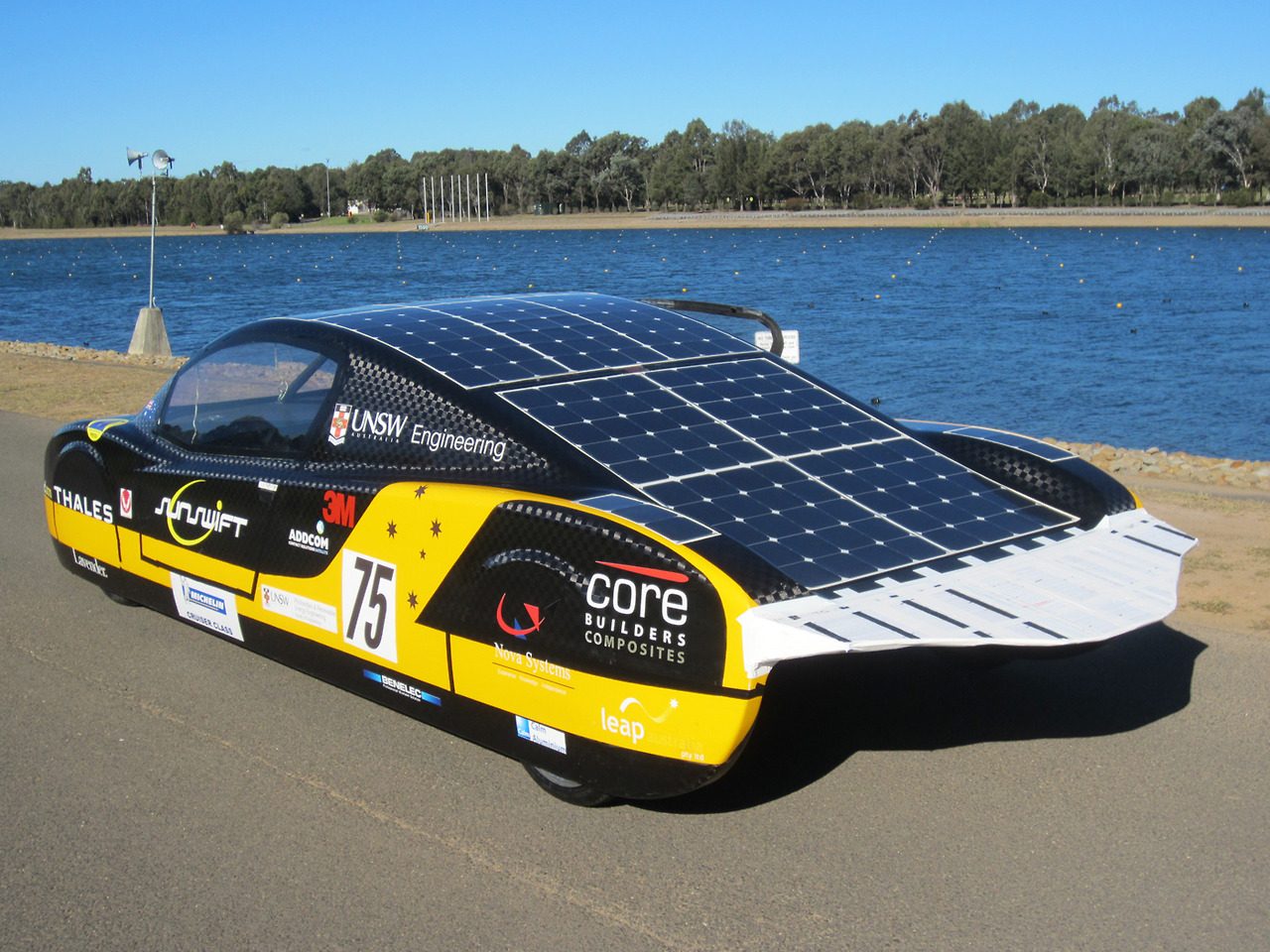
Vanonpower.com – Grounding solar panels on a vehicle is not an electrical necessity for circuit functionality, but it is a critical safety measure to protect your equipment and passengers from chassis-related electrical faults. While solar systems on campers or vans are technically “floating” systems, bonding the metal frame of the panels to the vehicle chassis ensures that any stray current from a short circuit finds a path to ground rather than energizing the vehicle’s body.
Understanding the Floating System Concept
Most vehicle-based solar installations operate as an isolated electrical system, meaning the positive and negative conductors are not connected to the metal chassis of the vehicle. This is intentional to prevent electrolysis and ground loops that can cause corrosion or battery drain. However, the metal racking or the aluminum frames of the solar panels themselves act as conductive surfaces that sit atop your vehicle roof.
If a wire inside your solar panel insulation wears down due to vibration or UV exposure and touches the panel frame, the entire exterior of your solar array could become energized. If you touch the panel while standing on the ground outside the vehicle, you could receive a dangerous electric shock. This is where grounding becomes a vital safety protocol rather than a performance requirement.
The Difference Between Earth Ground and Chassis Ground
In a stationary home, an earth ground involves driving a copper rod deep into the soil. In a mobile environment, you cannot drive a rod into the ground every time you park. Therefore, a vehicle uses the metal chassis as the common reference point. Grounding your solar panels to the vehicle chassis effectively turns the vehicle’s metal frame into the grounding path for any potential fault current.
Risks of Skipping the Grounding Process
Failing to ground your solar array introduces several risks that may not be immediately apparent but can be catastrophic over time. The most significant danger is the potential for a “hot skin” condition. If a high-voltage solar wire shorts against the aluminum frame, the frame becomes live. Because your vehicle is resting on rubber tires—which are excellent insulators—the electricity has no way to dissipate into the earth. The vehicle body sits at a high potential, waiting for a human to touch it and complete the circuit to the ground.
Additionally, improper grounding can lead to static electricity buildup. As air rushes over solar panels at highway speeds, friction can create a static charge. While usually minor, this buildup can interfere with sensitive MPPT charge controller electronics or cause small, annoying shocks when you touch your vehicle after a long drive.
Comparison of Grounding Requirements
| Component | Grounding Requirement | Reasoning |
|---|---|---|
| Solar Panel Frames | Recommended | Prevents chassis energization during a fault. |
| Battery Negative | Mandatory | Completes the DC circuit and prevents floating voltage. |
| Inverter Chassis | Mandatory | Essential for dissipating high-voltage leakage. |
| Mounting Hardware | Optional | Provides secondary path if frames are bonded. |
How to Properly Ground Solar Panels on a Vehicle
Grounding is a straightforward process that requires minimal materials, primarily heavy-gauge wire and ring terminals. Always ensure that you are creating a reliable connection to bare metal on the vehicle chassis, as paint acts as an insulator and will defeat the purpose of the ground.
- Locate a clean, unpainted spot on your vehicle chassis or a designated grounding stud near the solar array mounting point.
- Use a stainless steel star washer or sand away the paint to ensure a metal-to-metal contact point for your ground wire.
- Attach a grounding lug to the aluminum frame of each solar panel. Most panels have pre-drilled holes specifically for this purpose.
- Run a green or bare copper wire (minimum 10 AWG is recommended) from the panel frame grounding lug to your identified chassis ground point.
- Use a dielectric grease on the connection point to prevent oxidation and rust, which can increase electrical resistance over time.
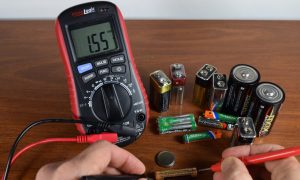
- Test the connection with a multimeter by measuring the resistance between the panel frame and the vehicle chassis; it should read near zero ohms.
Common Mistakes to Avoid
One of the most frequent errors is assuming that the mounting brackets alone provide a sufficient ground. Often, mounting brackets are coated in powder-coat or anodized finishes that are non-conductive. You cannot rely on these brackets to serve as a path for fault current. Always use dedicated grounding wires to bypass the mechanical mounting hardware.
Another mistake is connecting the ground wire to a thin piece of sheet metal. Your ground point must be connected to the structural frame of the vehicle. If you connect to a thin exterior skin, the metal may tear or fail during an electrical surge, leaving your system ungrounded without you knowing.
FAQ: Grounding Solar Panels
Q: Do I need to ground my panels if I have a plastic roof or fiberglass camper top?
A: Yes. Even if the panels are mounted on a non-conductive surface, the frames can still become energized. You should run a grounding wire from the panels to the vehicle’s main metal frame to ensure safety.
Q: Will grounding my panels drain my batteries?
A: No. Grounding the frames to the chassis only provides a path for fault current. It does not create a closed circuit for your solar power, so it will not cause a parasitic drain on your battery bank.
Q: Is it necessary to use a surge protector if the system is grounded?
A: Grounding protects against electrical faults, but it does not protect against lightning strikes or massive power surges. A DC-rated surge protector is a separate, highly recommended safety device for high-voltage solar arrays.
Final Considerations for Safety
While the risk of a high-voltage short is statistically low, the consequences of a “hot chassis” are severe. By taking the time to bond your solar frames to the vehicle’s structural metal, you are essentially creating an insurance policy for your electrical system. Treat your solar grounding with the same level of importance as your battery fusing; it is an invisible but vital component of a professional and safe mobile energy setup.
📷 Photo by design.canisterstudio.co.uk