


Vanonpower.com – Bypass diodes function as automatic electrical safety switches that allow current to flow around a shaded solar cell, preventing the cell from becoming a power-consuming resistor that causes overheating and system-wide voltage drops.
Solar panels are typically constructed with multiple photovoltaic cells connected in a series circuit. In this configuration, the current produced by the panel is limited by the weakest link in the chain. When a portion of a solar panel is shaded by leaves, debris, or architectural structures, that specific cell stops producing electricity and starts acting as an obstacle to the flow of current. Without protection, this shaded cell would force the energy generated by the healthy cells to dissipate as heat, potentially damaging the panel through localized hotspots.
The Mechanics of Bypass Diodes
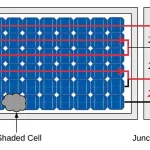
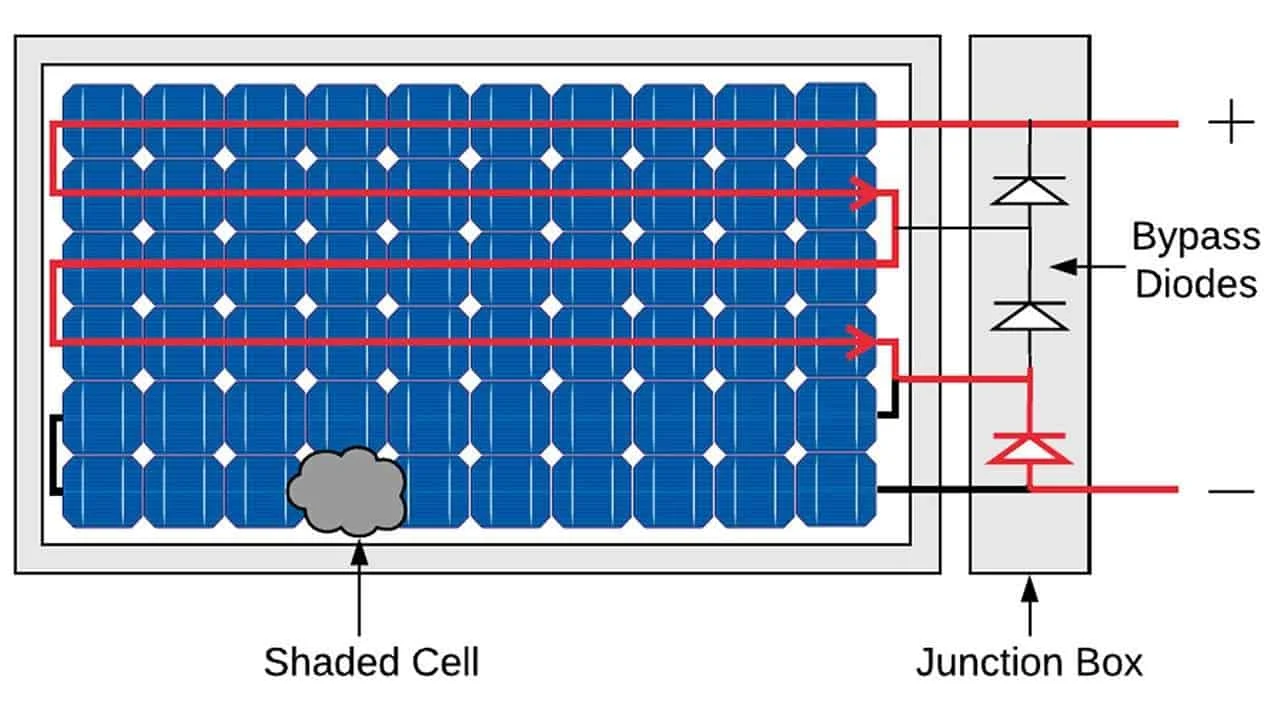
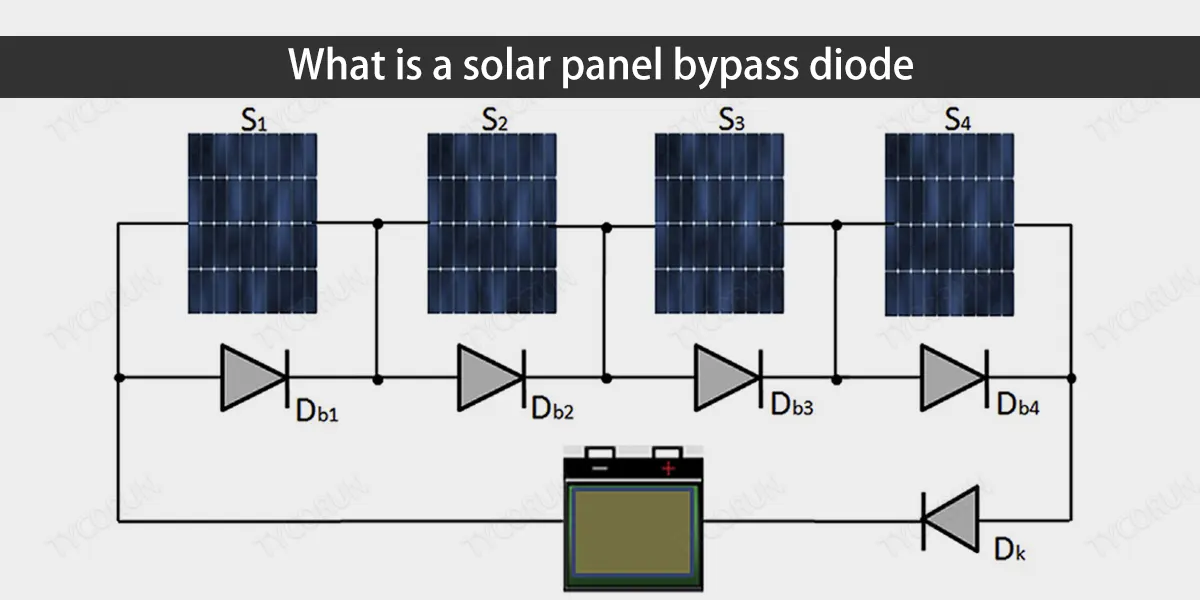
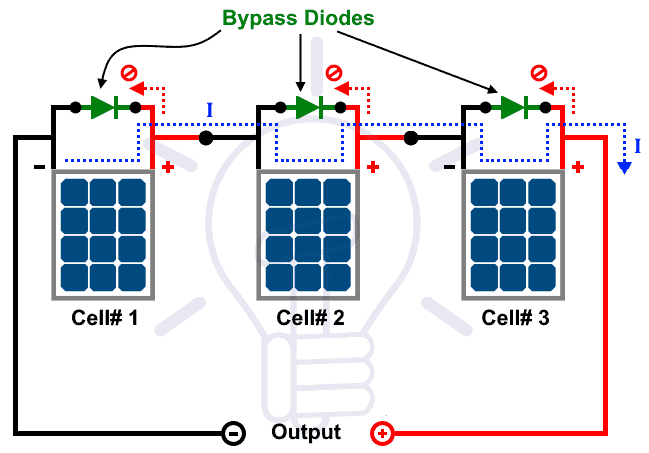
A bypass diode is an electronic component that permits current to flow in only one direction. In a standard solar module, these diodes are connected in parallel with a specific group of cells, usually referred to as a sub-string. Under normal operating conditions where all cells receive full sunlight, the diode remains in a state of reverse bias, meaning it acts as an insulator and does not interfere with the electrical current.
When shading occurs, the voltage across the shaded sub-string drops significantly. Once this voltage falls below a certain threshold, the bypass diode enters a forward-bias state. It effectively opens a low-resistance path for the current to bypass the shaded, non-productive cells. By diverting the current, the diode ensures that the remaining unshaded cells continue to operate at their maximum potential, maintaining the overall power output of the string as best as possible.
Understanding the Impact of Hotspots
The primary reason for installing bypass diodes is the prevention of hotspots. When a single cell is shaded, the current from the rest of the string is forced through it. Because the shaded cell has high internal resistance, this energy is converted into thermal energy. If left unchecked, these temperatures can exceed 150 degrees Celsius, leading to permanent damage to the solar glass, the encapsulant, and the backsheet of the module.
📷 Photo by tycorun.com
Bypass diodes act as a thermal circuit breaker. By routing the current away from the shaded area, they keep the temperature of the panel within safe operational limits. While the panel will experience a drop in voltage corresponding to the number of cells bypassed, it avoids the catastrophic physical degradation that would otherwise result from continuous operation under partial shade.
Comparison of Shading Scenarios
| Scenario | Diode Status | System Performance |
|---|---|---|
| Uniform Sunlight | Reverse Bias (Off) | Maximum Output |
| Partial Shading (Small Area) | Forward Bias (On) | Partial Voltage Loss |
| Total Shading | Forward Bias (On) | Significant Voltage Loss |
| Diode Failure (Open) | None | Total String Power Loss |
How to Troubleshoot Potential Diode Issues
Sometimes, a bypass diode can fail due to power surges, lightning strikes, or long-term thermal fatigue. If you notice a sudden, inexplicable drop in your solar array’s voltage that does not correlate with weather patterns, a faulty diode might be the culprit. Follow these steps to identify potential issues:
📷 Photo by electricaltechnology.org
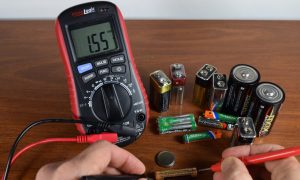
- Use a digital multimeter to measure the open-circuit voltage (Voc) of the individual panel in question.
- Compare the measured Voc against the manufacturer’s datasheet specifications for that specific model.
- If the measured voltage is lower than the expected value by a multiple of approximately 1/3 (since most panels have three bypass diodes), this indicates that one of the internal diode strings may be permanently bypassed or open.
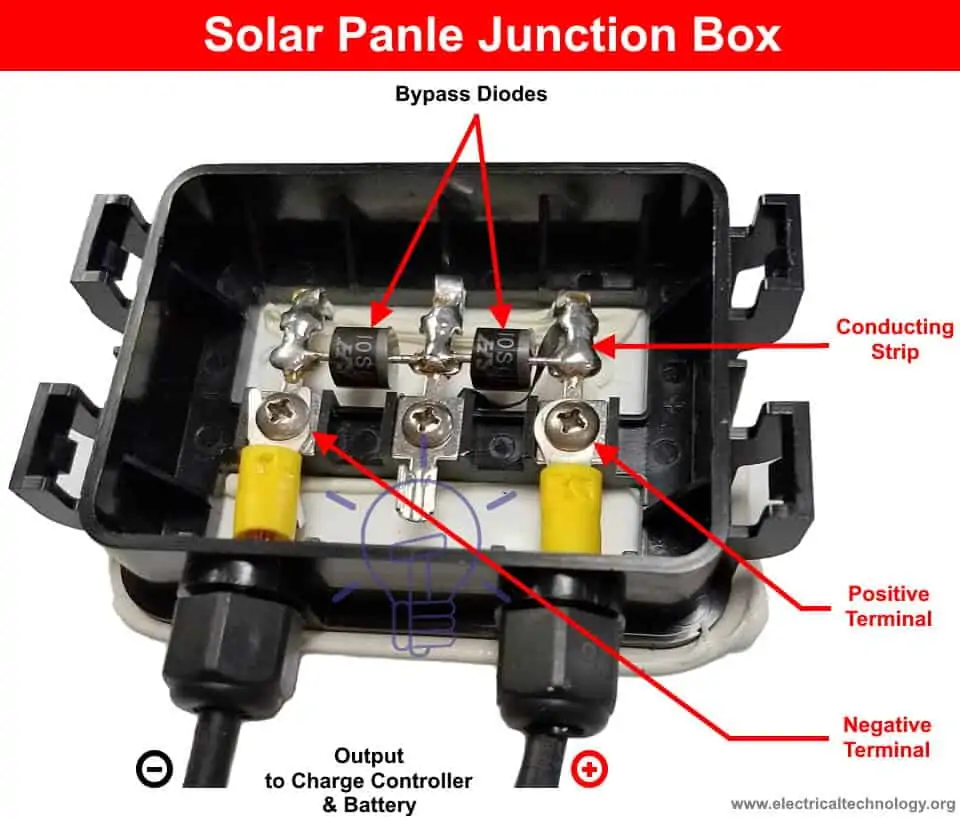
- Perform a visual inspection of the junction box located on the back of the solar panel to check for signs of discoloration or burnt plastic, which are common indicators of diode failure.
- If a diode is confirmed failed, consult a professional technician to replace the diode or the entire junction box, as this involves intricate soldering and weatherproofing.
Common Mistakes and Best Practices
One common misconception is that bypass diodes eliminate the negative effects of shading entirely. While they prevent hardware damage, they do not restore the lost power. If a portion of your panel is shaded, that portion is effectively removed from the circuit. To maximize efficiency, homeowners should focus on shade mitigation rather than relying solely on the diodes.
Avoid installing panels in areas where intermittent shadows are unavoidable, such as near chimneys or growing trees. Regularly cleaning your panels also helps, as a buildup of bird droppings or heavy dust can sometimes trigger a bypass diode if the blockage is thick enough to mimic partial shading. Always ensure that your solar array has proper ventilation, as bypass diodes themselves generate heat when active; restricted airflow can lead to premature diode failure.
Frequently Asked Questions
Q: Do all solar panels have bypass diodes?
A: Most modern residential and commercial solar panels are equipped with bypass diodes as a standard safety feature, usually integrated into the junction box on the back of the panel.
📷 Photo by electricaltechnology.org
Q: Can a bypass diode be replaced if it fails?
A: Yes, in many cases, the junction box can be opened and the diode replaced, but this is a technical task that requires specific knowledge of electronics and weatherproofing to maintain the panel’s IP rating.
Q: Will my solar system stop working if a diode fails?
A: It will not stop working entirely, but you will experience a permanent reduction in output power because the sub-string protected by that diode will no longer contribute to the total energy production of the panel.
📷 Photo by couleenergy.com