

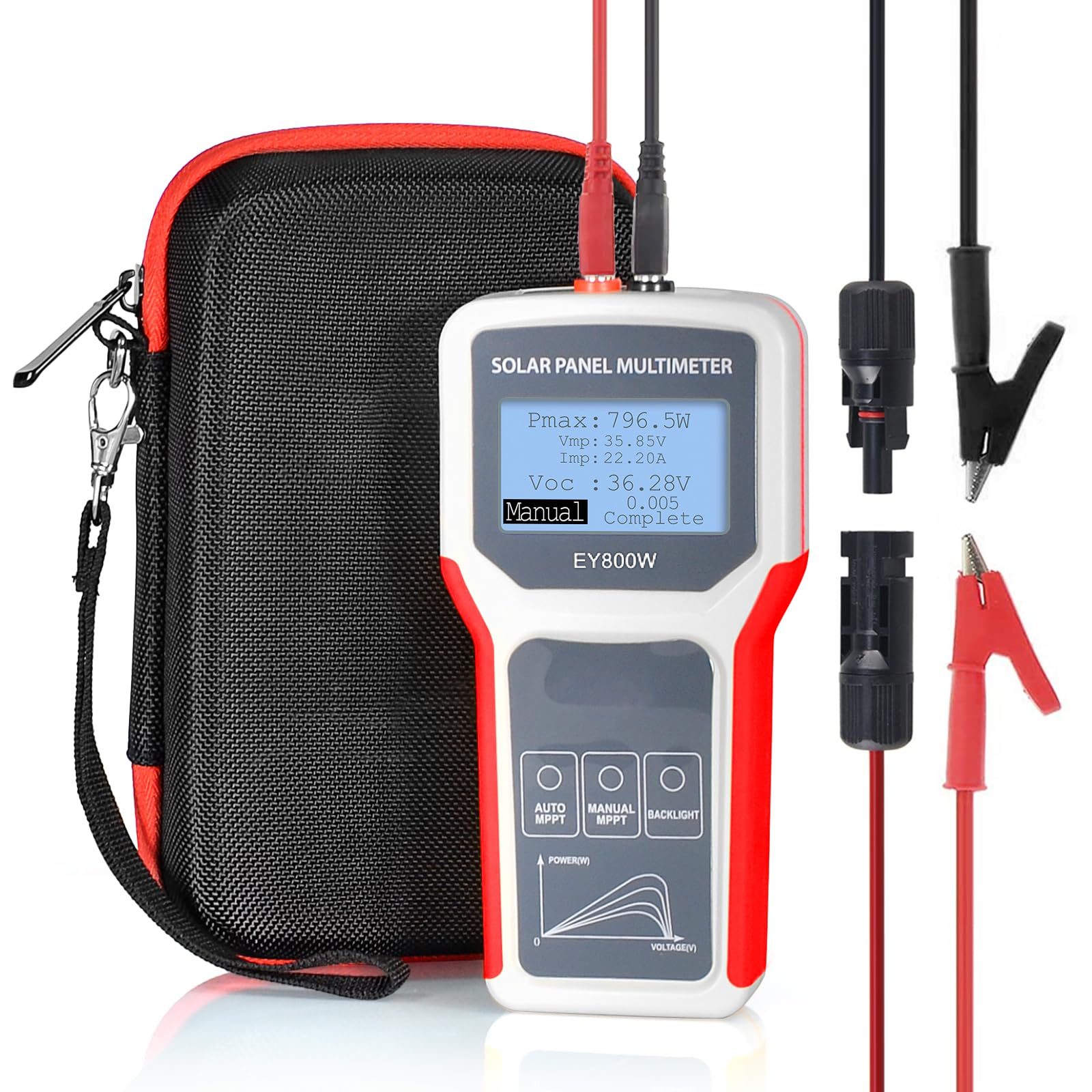
Vanonpower.com – To calculate the Open Circuit Voltage (Voc) of a solar panel in cold temperatures, you must apply a temperature correction factor by multiplying the module’s temperature coefficient of voltage by the difference between the actual cold temperature and the standard test condition temperature of 25 degrees Celsius.
Solar panels are rated at Standard Test Conditions (STC), which assumes a cell temperature of 25 degrees Celsius (77 degrees Fahrenheit). However, semiconductor physics dictates that as temperatures drop, the voltage potential within a solar cell increases. This phenomenon is critical for electrical engineers and installers because failing to account for increased voltage in freezing conditions can lead to catastrophic failure of your charge controller or inverter due to over-voltage.
Understanding the Physics of Temperature Coefficients
Every solar module comes with a datasheet specifying its Temperature Coefficient of Voc, usually expressed as a negative percentage per degree Celsius (%/°C). For example, a typical crystalline silicon panel might have a coefficient of -0.30% per degree Celsius. This means for every degree the temperature rises above 25°C, the voltage drops by 0.30%. Conversely, for every degree the temperature falls below 25°C, the voltage increases by that same percentage.
Ignoring this increase is a common mistake that leads to “blown” equipment. When you connect panels in series, the voltages add up. If your string voltage is already close to the maximum input voltage of your inverter, a cold morning could push that voltage beyond the safety threshold, potentially frying the internal electronics of your power system.
The Calculation Formula
To calculate the Voc at a specific low temperature, you utilize the following variables: Voc at STC, the Temperature Coefficient (beta), and the temperature difference. The formula is: Voc(cold) = Voc(STC) [1 + (Beta (T(cold) – 25))].
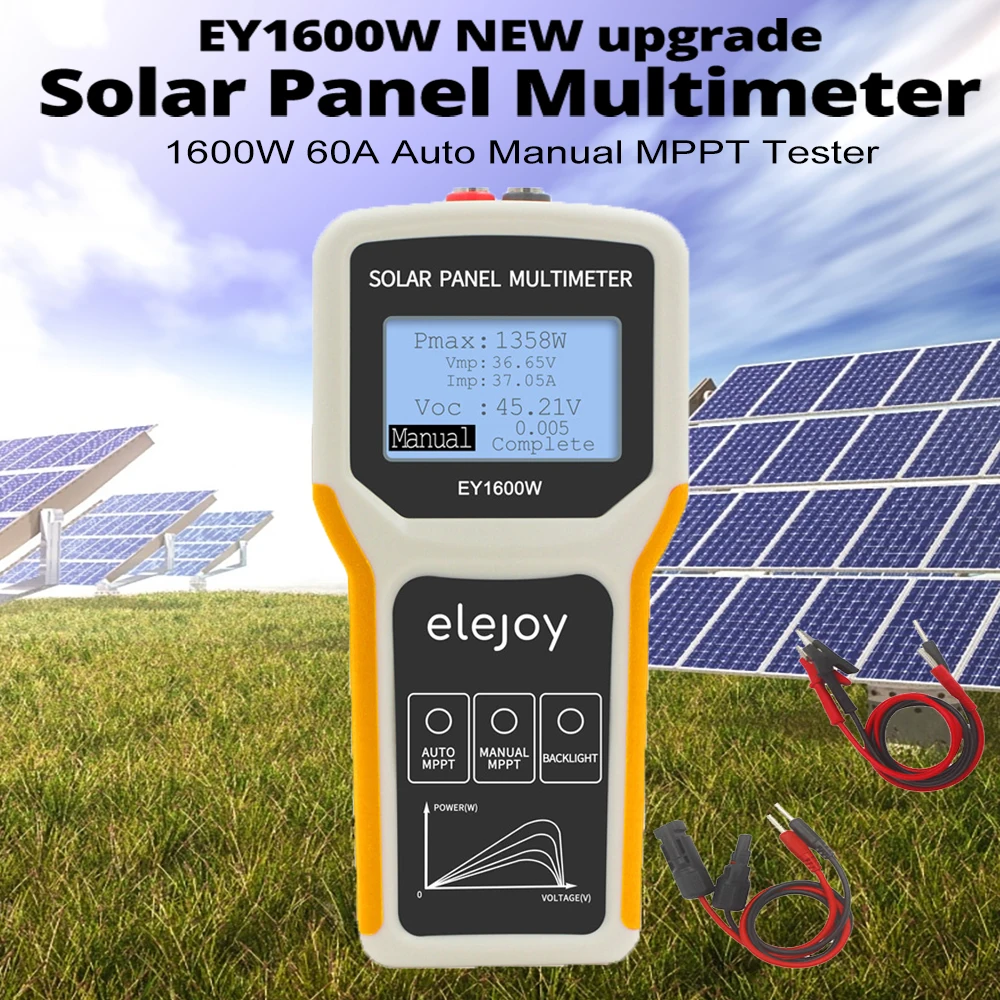
📷 Photo by aliexpress.com
Note that because the temperature coefficient is negative, when you subtract a temperature lower than 25 from 25, the resulting number is negative. Multiplying a negative coefficient by a negative temperature difference results in a positive value, which effectively increases the total voltage.
| Parameter | Description | Example Value |
|---|---|---|
| Voc (STC) | Rated voltage at 25°C | 40.0 Volts |
| Temperature Coeff | Voltage change per °C | -0.30% (-0.003) |
| Lowest Temp | Expected site minimum | -10°C |
| Calculated Voc | Voltage at -10°C | 44.2 Volts |
Step-by-Step Calculation Guide
Follow these steps to ensure your solar array configuration remains safe during the coldest months of the year:
- Identify the Voc of your solar panel from the manufacturer’s datasheet under STC.
- Locate the “Temperature Coefficient of Voc” on the same datasheet, expressed as a percentage. Convert this to a decimal (e.g., -0.30% becomes -0.003).
- Determine the record low temperature for your specific geographic location. It is safer to use the lowest historical temperature recorded in your area rather than an average.
- Subtract 25 from your low temperature to find the temperature delta (e.g., -10 – 25 = -35).
- Multiply the temperature delta by your decimal coefficient (e.g., -35 -0.003 = 0.105).
- Add 1 to the result (1 + 0.105 = 1.105).
- Multiply this number by the rated Voc (40.0 1.105 = 44.2 Volts).
Risks of Incorrect Calculations
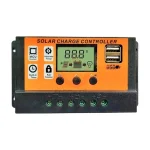
The primary risk is exceeding the Maximum Input Voltage (Max PV Input) of your MPPT charge controller or grid-tie inverter. Most modern electronics have a safety buffer, but it is not infinite. If the calculated cold-temperature voltage exceeds the inverter’s limit, the device may trigger a hardware fault or, in worst-case scenarios, experience permanent internal component damage.
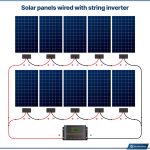
Furthermore, cold temperature calculations are vital when determining how many panels can be placed in a single series string. Installers often calculate the number of panels by dividing the inverter’s maximum voltage by the panel’s Voc. If you use the STC voltage instead of the cold-adjusted voltage, you will likely overestimate how many panels you can safely string together, leading to an over-voltage condition during winter mornings.
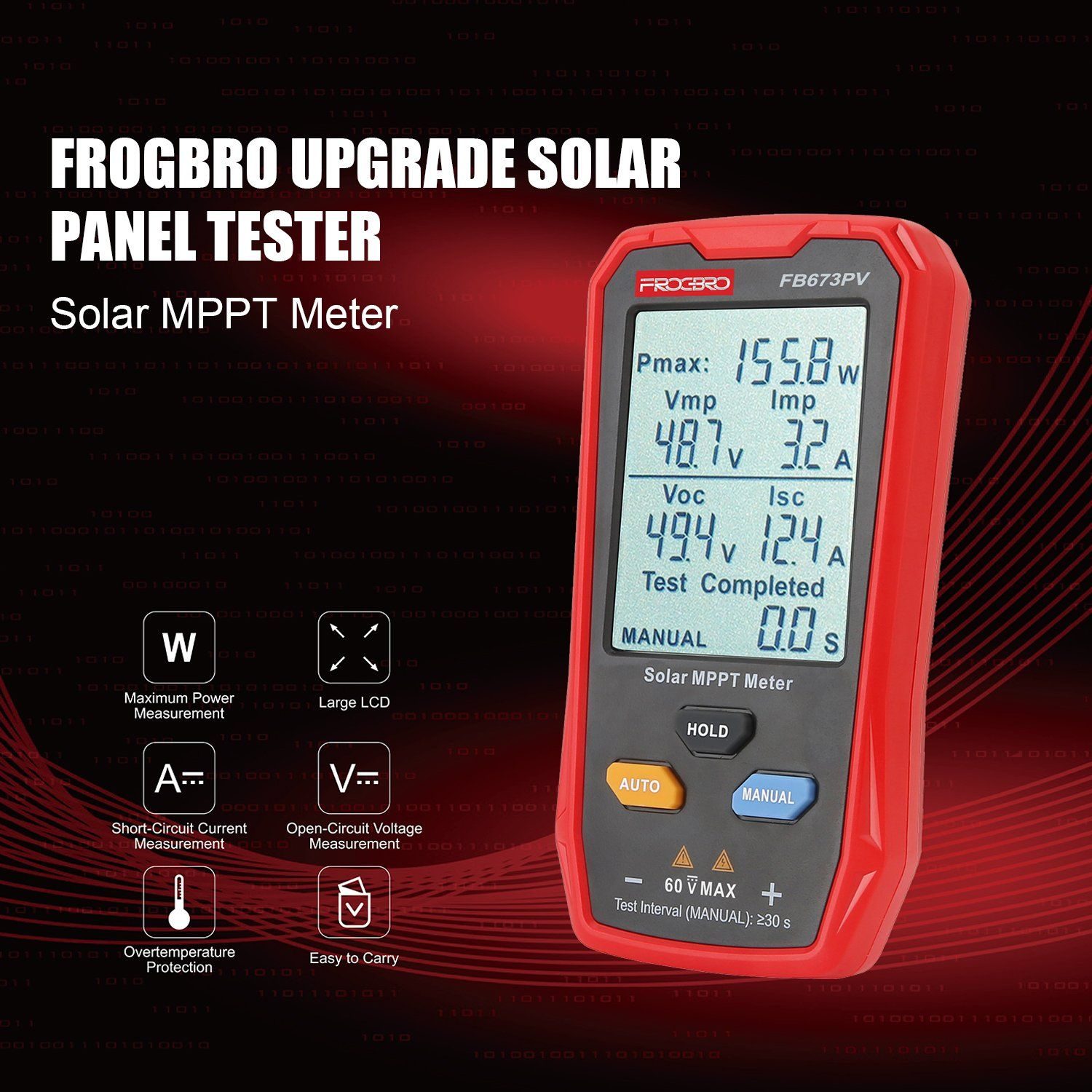
📷 Photo by hzfrankever.en.made-in-china.com
Common Mistakes to Avoid
One frequent error is using the ambient air temperature instead of the cell temperature. While ambient air temperature is a useful proxy, solar cells often sit in direct sunlight. However, in the context of calculating the maximum possible voltage, using the lowest expected ambient air temperature provides a conservative and safe margin. Never use average temperatures; always design for the extreme, as the highest voltage spikes occur on clear, cold mornings when the sun first hits the panels.
Another mistake is neglecting to account for the voltage increase when using microinverters. While microinverters have their own input limits, the principle remains the same. Always cross-reference the panel’s output at your region’s extreme low temperature against the microinverter’s DC input range.
Q: Why does solar panel voltage increase in the cold?
A: Solar cells are semiconductor devices; as temperature decreases, the bandgap energy of the semiconductor material increases, which raises the potential difference (voltage) the cell can produce.
Q: Should I use the average winter temperature for this calculation?
A: No, you should always use the lowest historical temperature recorded for your specific location to ensure the equipment never exceeds its voltage limit during extreme weather events.
Q: Does this calculation apply to all types of solar panels?
A: Yes, the principle of temperature coefficients applies to all photovoltaic technologies, including monocrystalline, polycrystalline, and thin-film, though the specific coefficient values will vary significantly between technologies.
By strictly following the temperature correction calculation, you ensure the longevity of your power electronics. Always prioritize safety margins; if your calculation results in a voltage very close to the inverter’s maximum, consider reducing the number of panels in your series string to provide a buffer for unexpected temperature drops.
📷 Photo by snapklik.com