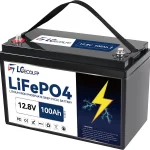
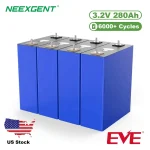



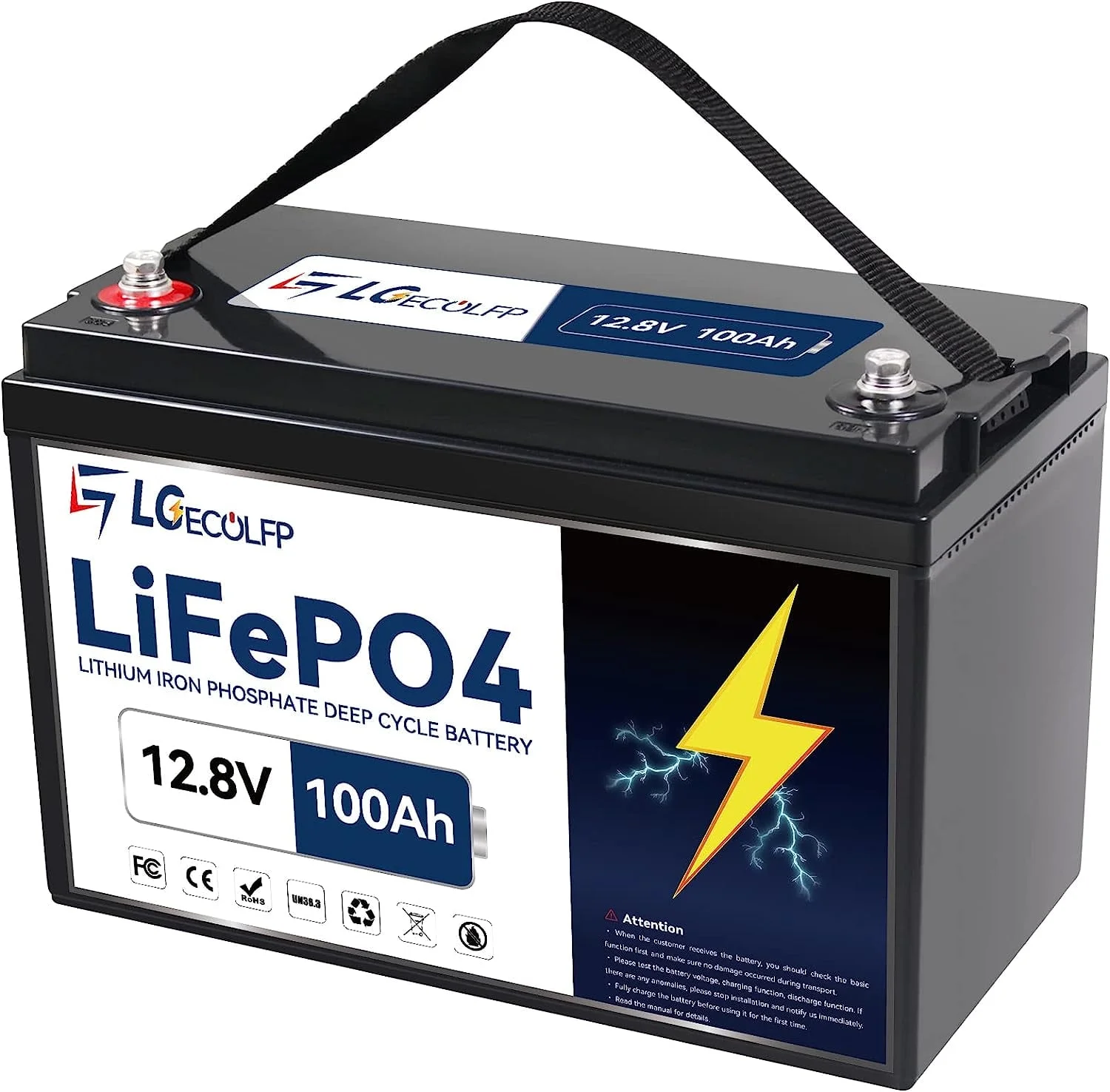
Vanonpower.com – Lithium Iron Phosphate (LiFePO4) batteries are the safest chemistry for camper vans because they feature a highly stable molecular structure that is chemically resistant to thermal runaway, fire, and explosion, even when punctured or subjected to high heat.
For van lifers, electrical systems are the heartbeat of the vehicle. Whether you are powering a laptop, a refrigerator, or an induction cooktop, your battery bank is the most critical piece of infrastructure. Among the various technologies available, Lithium Iron Phosphate (LiFePO4) has emerged as the gold standard for mobile living. Unlike traditional lead-acid or even other lithium-ion chemistries like NMC (Nickel Manganese Cobalt) found in laptops and electric vehicles, LiFePO4 offers a distinct safety profile that makes it ideal for confined living spaces.
The Chemistry of Safety
The primary reason LiFePO4 is safer than other lithium chemistries lies in its crystalline structure. The phosphate-based cathode material is extremely strong and does not release oxygen when stressed. In many other battery types, if the battery is damaged or overheated, the cathode breaks down and releases oxygen, which acts as a fuel for fire. Because LiFePO4 does not release oxygen, it is nearly impossible for the battery to spontaneously ignite or contribute to a fire even if it suffers a catastrophic failure.
Furthermore, LiFePO4 batteries have a much higher thermal threshold. While other lithium chemistries might begin to degrade or become unstable at relatively low temperatures, LiFePO4 can withstand significant heat without succumbing to thermal runaway. For a van that might be parked in direct sunlight or stored in a hot garage, this temperature tolerance provides peace of mind that standard lithium batteries cannot match.
Comparing Battery Chemistries for Van Life
When selecting a power source, it is essential to understand how LiFePO4 stacks up against the alternatives. The following table highlights why LiFePO4 is the superior choice for safety and longevity in mobile applications.
| Feature | LiFePO4 | Lead-Acid (AGM) | NMC Lithium |
|---|---|---|---|
| Thermal Stability | Very High | Moderate | Low |
| Risk of Fire | Negligible | Low (Explosive Gas) | High |
| Cycle Life | 3000-5000+ | 300-500 | 500-1000 |
| Weight | Lightweight | Very Heavy | Lightweight |
Common Risks and Mitigation
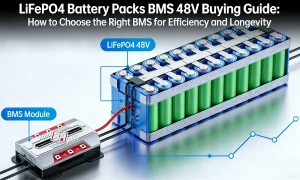
Despite their inherent safety, no battery is immune to user error. The most common risk factor for LiFePO4 batteries in a van is not the chemistry itself, but the charging environment. Charging a lithium battery in freezing temperatures (below 0°C or 32°F) can cause permanent damage to the cells, leading to internal short circuits. Modern, high-quality LiFePO4 batteries include a Battery Management System (BMS) that detects these conditions and cuts off the charge to prevent damage.
Another common mistake is improper installation. Loose connections, undersized wiring, or the lack of proper overcurrent protection (fuses and circuit breakers) can cause heating in the wiring, which may lead to an electrical fire. Safety is a holistic system; even the safest battery chemistry requires a professional-grade installation to ensure the entire electrical circuit remains stable.
How to Safely Install Your LiFePO4 System
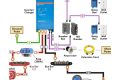
Proper installation is the final layer of safety for your van power system. Follow these steps to ensure your setup is secure and reliable:
- Mount the battery in a secure, ventilated location. While LiFePO4 does not off-gas like lead-acid batteries, mounting them firmly prevents damage from road vibrations.
- Install a high-quality Battery Management System (BMS). If your battery does not have one built-in, you must add one to monitor cell voltage, temperature, and current.
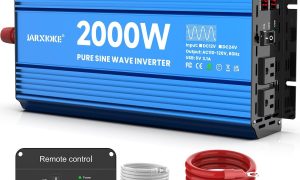
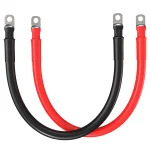
- Use the correct wire gauge. Ensure all cables are sized according to the maximum current draw of your inverter to prevent overheating.
- Install a main fuse or circuit breaker as close to the positive battery terminal as possible to protect against short circuits.
- Verify your charging profile. Ensure your solar charge controller, DC-DC charger, and shore power charger are set specifically to the LiFePO4 charging algorithm.
The Longevity Advantage
Read also: How to Size Ground Cables for Multi-Battery Lithium Banks
Safety and longevity go hand in hand. Because LiFePO4 batteries are so stable, they do not suffer from the same degradation patterns as other chemistries. They can be discharged to 80% or even 90% of their capacity regularly without losing significant life, whereas lead-acid batteries fail quickly if discharged below 50%. This stability means you are less likely to need to “tinker” with your electrical system, reducing the chances of human-induced faults or maintenance-related accidents.
Frequently Asked Questions
Q: Can a LiFePO4 battery explode if it is punctured?
A: While any battery can be dangerous if physically damaged, LiFePO4 is significantly less likely to explode or catch fire compared to other lithium chemistries because it does not release oxygen during a thermal event.
Q: Do I need a special charger for my LiFePO4 battery?
A: Yes, you should use a charger that has a specific LiFePO4 profile. Using a charger designed for lead-acid batteries can result in an incomplete charge or, worse, improper voltage levels that may trigger the BMS to shut down the system.
Q: Why is the BMS so important for safety?
A: The BMS acts as the brain of the battery, monitoring voltage and temperature. It prevents the battery from being overcharged, over-discharged, or charged at unsafe temperatures, protecting the internal cells from damage that could otherwise lead to hazardous conditions.
Conclusion
For those living in a van, peace of mind is invaluable. By choosing Lithium Iron Phosphate, you are opting for the most stable and chemically inert battery technology currently available for mobile power. When paired with a proper installation, high-quality wiring, and the correct charging infrastructure, LiFePO4 provides a reliable and worry-free power solution that allows you to focus on the road ahead rather than the components under your bed.
📷 Photo by walmart.com