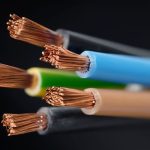


Vanonpower.com – Undersized wires cause voltage drop by increasing resistance, which forces the conductor to heat up excessively as it struggles to deliver power, ultimately melting insulation and creating a significant risk of electrical fires.
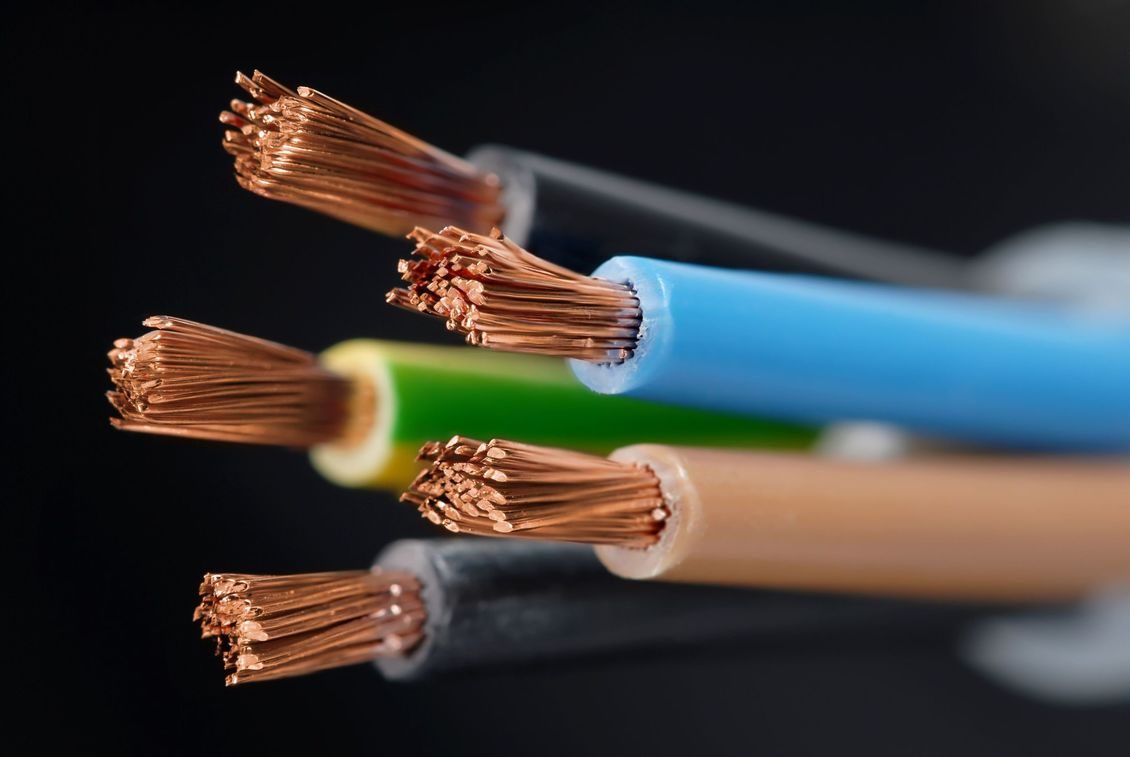
When an electrical wire is too thin for the amount of current it is required to carry, it acts like a bottleneck in a plumbing system. The resistance inherent in the metal—typically copper or aluminum—generates heat as electricity passes through it. If the wire gauge is insufficient, this heat builds up faster than it can dissipate, leading to a phenomenon known as voltage drop. This is not merely an efficiency issue; it is a fundamental safety hazard that threatens the integrity of your entire electrical system.
The Physics of Resistance and Heat
Every electrical conductor has a specific level of resistance based on its material, length, and diameter. According to Ohm’s Law and the principles of power dissipation, the heat generated in a wire is proportional to the square of the current multiplied by the resistance. When you use a wire that is too small (an undersized wire), you are intentionally increasing the resistance of the circuit. This resistance consumes a portion of the voltage intended for your appliances, resulting in a lower voltage at the point of use.
This “lost” energy does not simply vanish; it is converted into thermal energy. In many cases, the wire becomes hot to the touch. When wires remain chronically hot, the insulation surrounding them begins to degrade, become brittle, and eventually crack. Once the protective insulation is compromised, the risk of a short circuit—where live wires touch neutral or ground wires—skyrockets, creating the perfect conditions for an electrical arc and a subsequent fire.
Key Indicators of Undersized Wiring
Identifying undersized wiring early can prevent catastrophic failure. You do not always need an advanced multimeter to spot the signs of a struggling circuit. Common indicators include flickering lights, appliances that take longer than usual to heat up or run, and persistent “nuisance” tripping of circuit breakers. If you notice a faint burning smell near outlets or switch plates, this is a critical warning sign that the wire insulation is already melting.
Voltage drop is particularly problematic in long-run circuits, such as those powering detached garages, outdoor landscape lighting, or sub-panels located far from the main service entrance. As the distance increases, the cumulative resistance of the wire increases, meaning that even a wire size that is “code compliant” for short distances may be inadequate for longer runs.
📷 Photo by punchlistzero.com
Comparison of Wire Gauges and Capacity
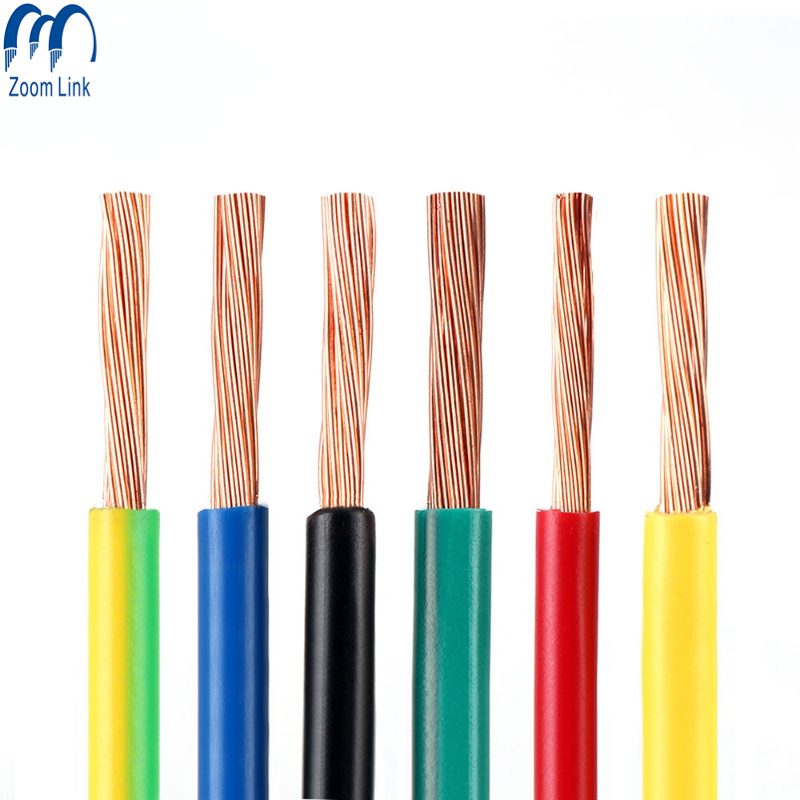
Understanding the relationship between American Wire Gauge (AWG) and current-carrying capacity (ampacity) is vital for any electrical installation. The following table illustrates how selecting the wrong gauge significantly impacts safety and performance.
📷 Photo by zmlcable.en.made-in-china.com
| Wire Gauge (AWG) | Max Amperage (General) | Risk of Undersizing |
|---|---|---|
| 14 AWG | 15 Amps | High heat generation if used on 20A circuit |
| 12 AWG | 20 Amps | Voltage sag over long distances (>100ft) |
| 10 AWG | 30 Amps | Overheating if connected to heavy appliances |
| 8 AWG | 40-50 Amps | Fire hazard if insulation melts under load |
Steps to Mitigate Voltage Drop and Fire Hazards
If you suspect that your existing wiring is undersized, or if you are planning a new installation, follow these practical steps to ensure safety and compliance with the National Electrical Code (NEC).
📷 Photo by dreamstime.com
- Calculate the total load of the circuit by adding the wattage of all appliances that will operate simultaneously.
- Measure the distance from the circuit breaker panel to the furthest outlet or device.
- Consult an ampacity chart to select a wire gauge that accounts for both the amperage load and the distance to prevent voltage drop from exceeding 3 percent.
- Inspect all connection points, such as wire nuts and terminal screws, to ensure they are tight; loose connections on undersized wires accelerate heat buildup.
- Hire a licensed electrician to perform a voltage drop test using a dedicated load-testing tool to verify that the system remains stable under full operation.
Common Mistakes in Electrical Planning
One of the most frequent errors is assuming that “if the breaker doesn’t trip, the wire is safe.” This is a dangerous misconception. A circuit breaker is designed to protect the wire from overcurrent, but it cannot detect if a wire is simply too thin for the distance it covers. You might have a 20-amp breaker protecting a wire that is technically “safe” for 20 amps, but if the wire is too thin for the length of the run, the voltage drop will cause the appliance to draw more current to compensate, potentially causing the wire to overheat without ever triggering the breaker.
Another common mistake is mixing wire types or using improper splicing techniques. When you join wires of different materials (like copper and aluminum) or different gauges, you create high-resistance points. These junctions become “hot spots” that can ignite nearby structural wood framing or insulation long before a breaker detects a fault.
Frequently Asked Questions
Q: Can I just install a smaller circuit breaker to make an undersized wire safe?
A: While a smaller breaker provides better protection, it does not fix the underlying issue of voltage drop. The wire will still struggle to deliver power efficiently, and you will likely experience performance issues with your connected equipment.
Q: Does voltage drop happen in all electrical circuits?
A: Yes, voltage drop occurs in every electrical circuit because no conductor has zero resistance. However, in properly sized systems, this drop is negligible (usually under 3 percent) and does not cause heat or performance issues.
Q: Is it safe to use extension cords for heavy-duty appliances?
A: Generally, no. Most consumer-grade extension cords are not rated for the high amperage of large appliances. Using an undersized extension cord is one of the most common causes of residential electrical fires because they are often coiled or covered, which traps the heat generated by resistance.
Conclusion
The relationship between wire size, voltage drop, and fire risk is linear and unforgiving. By prioritizing the correct wire gauge during the planning phase and monitoring for signs of heat or performance degradation, homeowners can protect their property from the silent threat of electrical overheating. When in doubt, always err on the side of using a thicker wire gauge, as the cost difference is negligible compared to the cost of repairing fire damage or replacing damaged electrical infrastructure.
📷 Photo by gupk.discovrmusic.com