

Vanonpower.com – Wiring a 12V fuse block in a campervan involves connecting the positive and negative terminals from your house battery bank to the fuse block, then distributing power to individual accessories through fused circuits to ensure electrical safety and system organization.
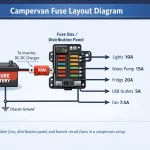
Building a campervan electrical system is a rite of passage for every DIY builder. While the concept of a fuse block—often called a fuse box or distribution block—seems simple, the execution determines whether your van remains a safe home on wheels or becomes a fire hazard. A fuse block acts as the central nervous system for your 12V appliances, such as lights, water pumps, and USB chargers, preventing short circuits from causing catastrophic damage to your wiring.
Why You Need a Dedicated Fuse Block
Attempting to connect multiple accessories directly to your battery terminals is a recipe for disaster. If a device malfunctions, the lack of a fuse means the wire could melt or catch fire before the battery itself suffers damage. A fuse block centralizes these connections, allowing you to easily identify which circuit has failed and replace only the blown fuse rather than troubleshooting a tangled mess of wires.
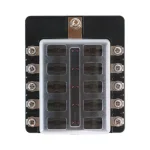
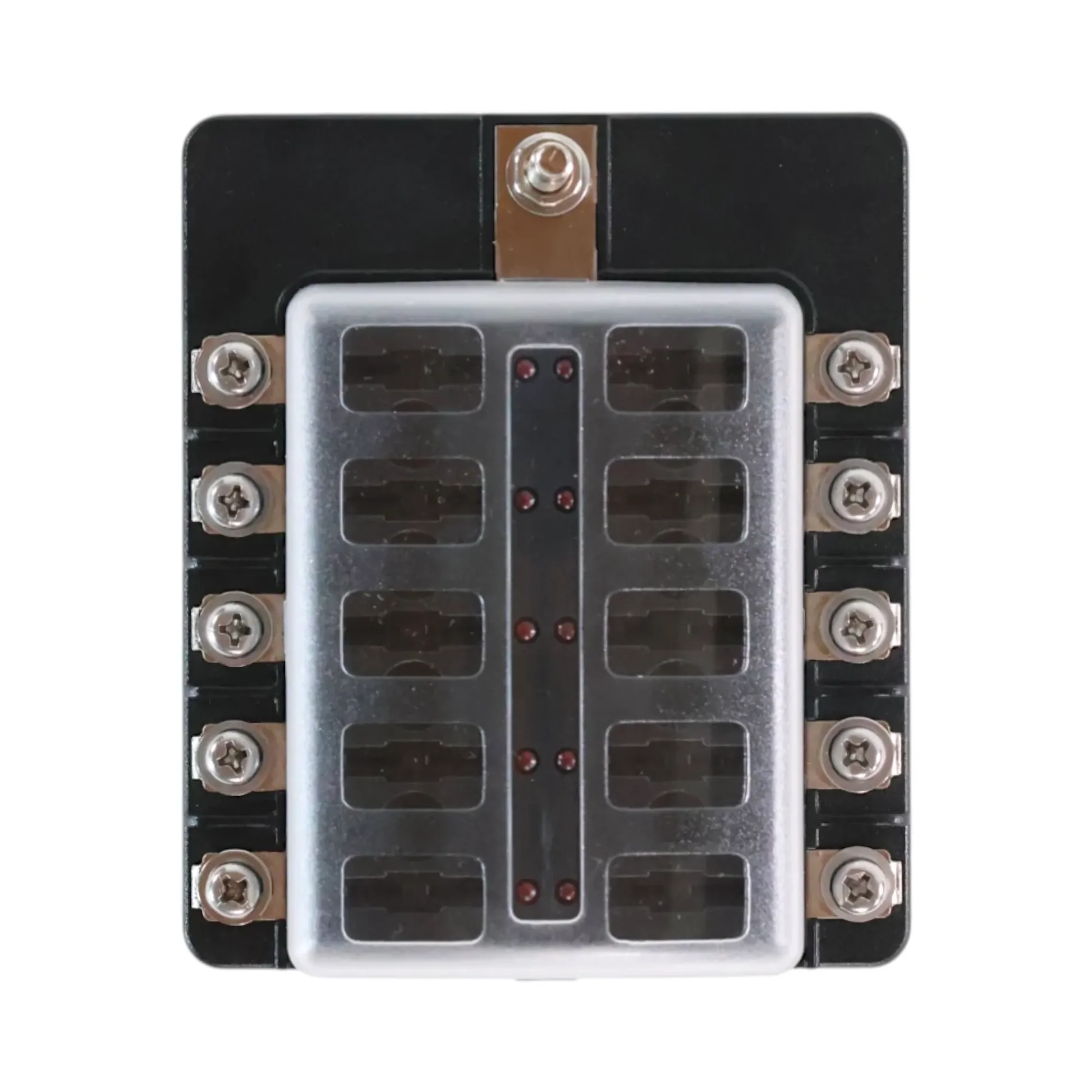
Choosing the right fuse block is the first step. Look for models that feature a negative bus bar, which allows you to ground your devices directly at the fuse block rather than running individual ground wires all the way back to the battery. This reduces voltage drop and keeps your wiring harness clean.
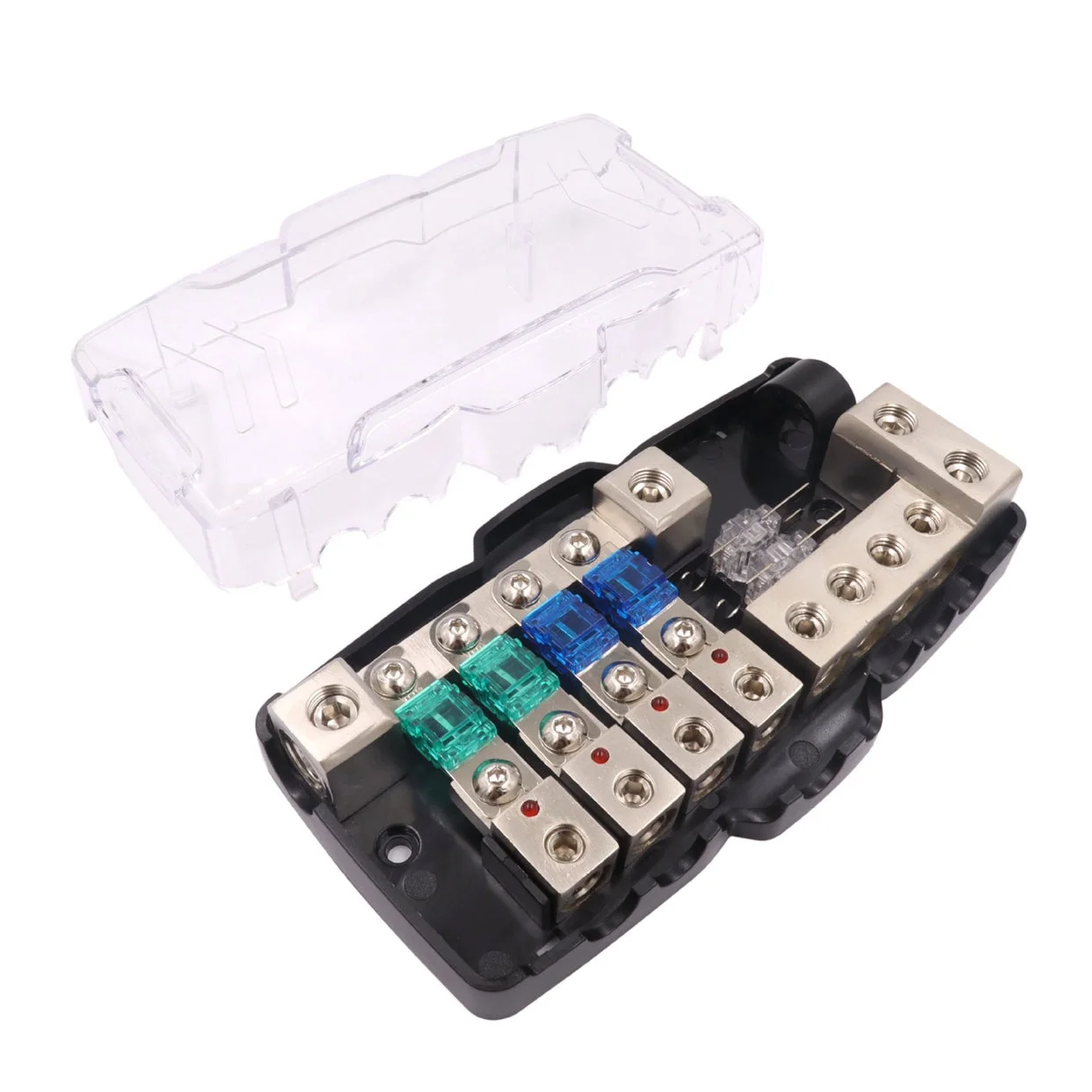
📷 Photo by campervanbuilders.com.au
Essential Safety Guidelines
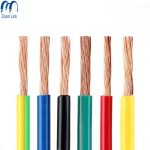
Before you begin, you must understand the relationship between wire gauge and fuse amperage. A fuse is designed to protect the wire, not the device. If your wire is too thin for the current passing through it, it will heat up regardless of the fuse rating. Always consult an American Wire Gauge (AWG) chart to ensure your wire thickness matches the amperage of the fuse you intend to use.
Another common mistake is mixing up positive and negative connections. Always mark your wires clearly. Use red wire for positive connections and black or yellow for negative. Even in a 12V system, polarity matters; reversing it can destroy sensitive electronics like LED controllers or digital displays.
Steps to Install Your 12V Fuse Block
- Mount the fuse block in a central, accessible location within your van, preferably near your house battery bank to minimize the length of the main power cables.
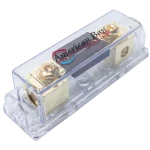
- Install a master fuse or circuit breaker between the house battery positive terminal and the fuse block input to protect the main cable from the battery.
- Connect the main positive cable from your master fuse/breaker to the input terminal of the fuse block.
- Connect the main negative cable from the battery negative bus bar to the negative input terminal on the fuse block.
- Connect your individual accessories by inserting the positive wire into the fused slot and the negative wire into the corresponding ground terminal on the block.
- Insert the appropriate fuse size into each slot based on the specific power draw of the connected accessory.
- Test each circuit with a multimeter to ensure there is 12V power and that the device operates correctly.
Comparison of Fuse Block Features
| Feature | Standard Fuse Block | Fuse Block with LED Indicators |
|---|---|---|
| Cost | Lower | Higher |
| Troubleshooting | Manual inspection | Instant visual feedback |
| Complexity | Simple | Moderate |
| Best For | Budget builds | User-friendly maintenance |
Common Pitfalls to Avoid
One of the most frequent errors is “daisy-chaining” ground wires. While it might seem convenient to connect multiple devices to one ground point, this can lead to ground loops or overloaded terminals. Whenever possible, give each device its own terminal on the fuse block. If you run out of terminals, use a dedicated negative bus bar rather than piggybacking connections.
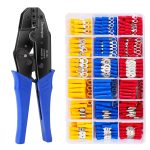
Another oversight involves ignoring the vibration inherent in a moving vehicle. Van vibrations can loosen screw terminals over time. Always use ferrules on the ends of stranded wires before inserting them into screw terminals to ensure a solid, vibration-resistant connection. Periodically checking these connections during routine maintenance is a good habit to prevent high-resistance points that can generate heat.
Managing Power Consumption
When calculating your fuse sizes, consider the “start-up” or “inrush” current of your devices. Some accessories, like water pumps or fans, draw a higher spike of current for a split second when they first turn on. If your fuse is rated exactly at the continuous running amperage, it might blow during the startup phase. Aim for a fuse rating that is approximately 125% of the device’s maximum continuous current draw to account for these spikes.
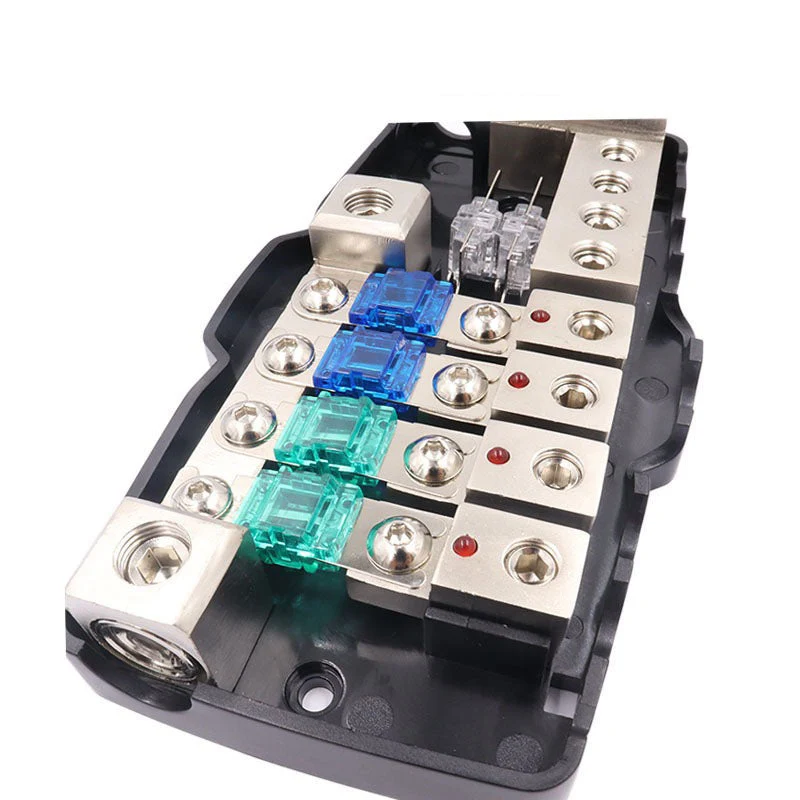
📷 Photo by campervanbuilders.com.au
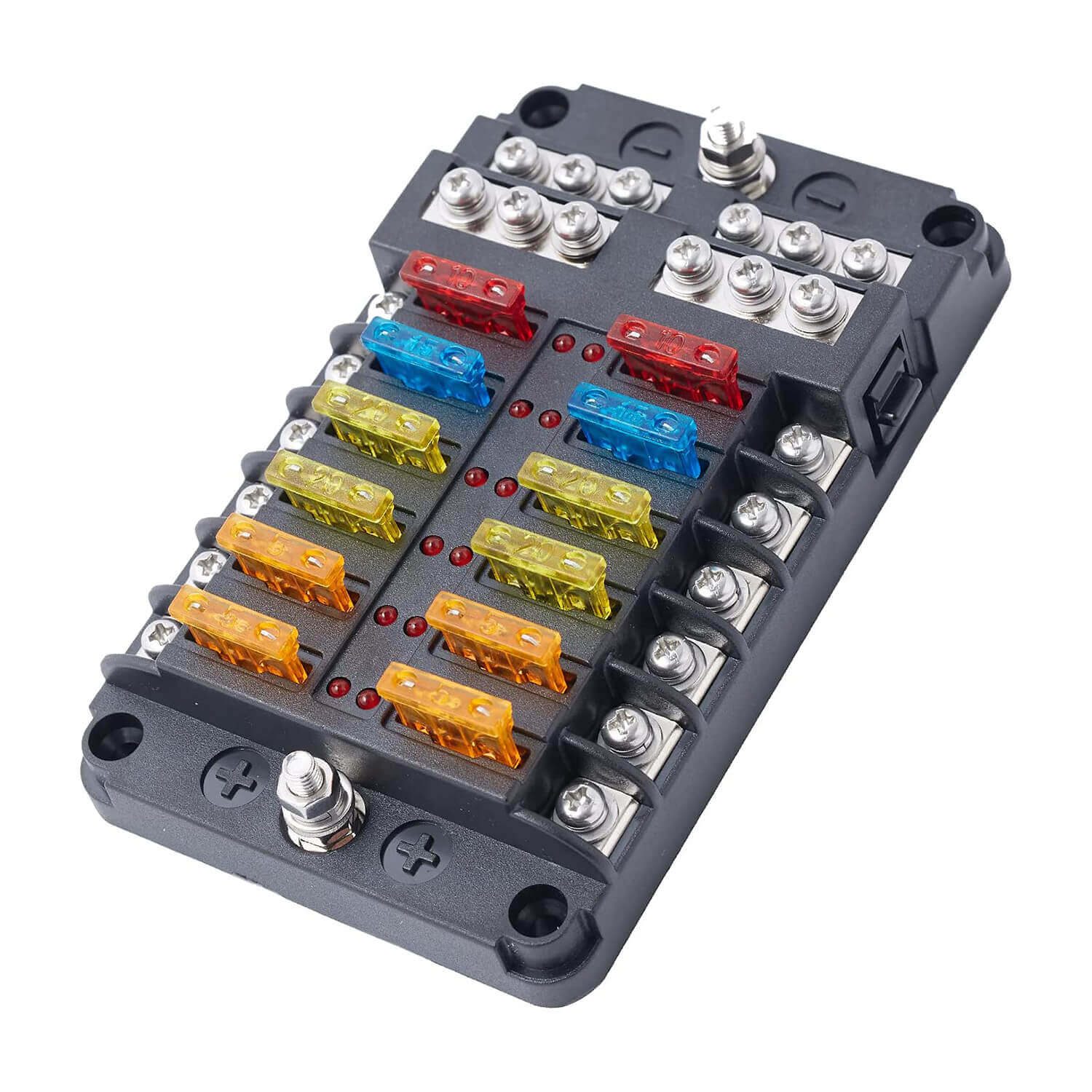
📷 Photo by vanlifer.co.nz
Frequently Asked Questions
Q: Can I use a single fuse for multiple accessories?
A: It is technically possible, but not recommended. If one device fails, it will blow the shared fuse and disable all other accessories on that circuit, making troubleshooting difficult.
Q: What happens if I use a fuse with an amperage that is too high?
A: The fuse will fail to protect your wiring. If a short circuit occurs, the wire will melt and potentially start a fire before the fuse blows, which is a major safety risk.
Q: Should I disconnect the battery while wiring the block?
A: Absolutely. Always disconnect the negative terminal from your house battery before performing any electrical work to prevent accidental short circuits or electrical shocks.
Properly wiring your 12V fuse block is the foundation of a reliable campervan electrical system. By taking the time to route your wires cleanly, use the correct gauges, and label your circuits, you create a system that is not only safe but also easy to repair when you are miles away from civilization. Invest in quality components, double-check your connections, and always prioritize safety over convenience.
📷 Photo by campervanbuilders.com.au