


Vanonpower.com – You can technically mix different wattage solar panels on a single charge controller, provided the total voltage and current do not exceed the controller’s rated input limits. However, doing so requires careful configuration—ideally using a Maximum Power Point Tracking (MPPT) controller—to prevent significant power loss and potential system damage.
Understanding the Compatibility Challenge
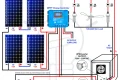
Solar energy systems are governed by the laws of electrical circuits, specifically how voltage and current behave in series and parallel connections. When you mix solar panels of different wattages, you are essentially combining modules with different electrical characteristics. If you connect these panels incorrectly, the weakest panel in the chain often dictates the output of the entire system, leading to a phenomenon known as the “bottleneck effect.”
Most solar enthusiasts assume that adding a higher-wattage panel will boost their system’s overall output proportionally. In reality, if the panels have mismatched voltages or current ratings, the controller may struggle to find an efficient operating point. This results in wasted potential and, in some cases, excessive heat generation within the wiring or the controller itself.
The Role of the Charge Controller
The type of charge controller you use is the most critical factor when mixing panels. A Pulse Width Modulation (PWM) controller acts like a switch that connects the solar array directly to the battery. Because it cannot convert excess voltage into current, it forces all panels to operate at the battery’s voltage. This makes mixing panels with different voltages highly inefficient and generally discouraged.
An MPPT controller, by contrast, acts as a DC-to-DC converter. It can take a higher input voltage and convert it into the optimal charging voltage for your battery bank. Because MPPT controllers perform this conversion, they are much more forgiving when it comes to mixing panels, though they are not immune to the limitations of mismatched current.
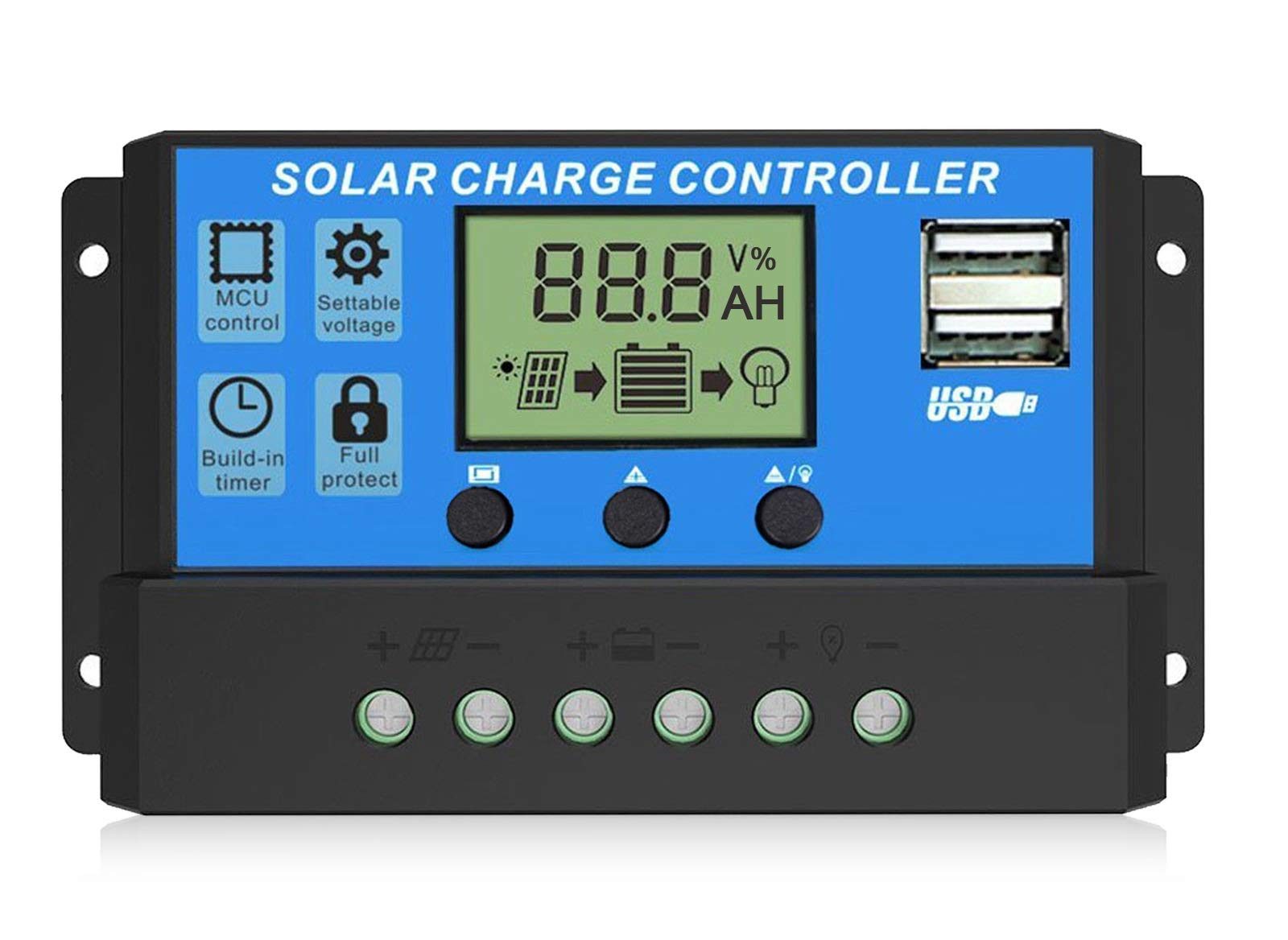
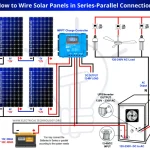
📷 Photo by desertcart.co.za
Comparison of Connection Methods
| Connection Type | Effect of Mixing Wattage | Best Practice |
|---|---|---|
| Series Connection | Current is limited to the lowest panel in the string. | Only mix panels with identical current (Amps). |
| Parallel Connection | Voltage is limited to the lowest panel in the string. | Only mix panels with identical voltage (Volts). |
| Separate Controllers | No interaction between panels. | Recommended for vastly different panel types. |
Step-by-Step Guide to Safely Mixing Panels
If you have already purchased different panels and need to integrate them, follow these steps to minimize performance degradation and ensure safety:
- Check the technical specifications label on the back of every panel to identify the Open Circuit Voltage (Voc) and Short Circuit Current (Isc).
- Determine your connection strategy: If the Voc values are similar, you can connect them in parallel. If the Isc values are identical, you can connect them in series.
- Ensure the total Voc of your array never exceeds the maximum input voltage rating of your charge controller, even on the coldest days when voltage output spikes.
- Install blocking diodes or fuses if you are wiring panels in parallel to prevent current from flowing backward into a shaded or weaker panel.
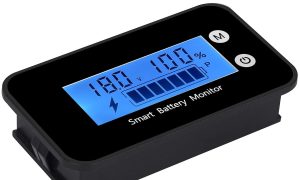
- Monitor the system performance using a shunt-based battery monitor to ensure that the mismatched panels are not causing excessive heat or voltage drops.
Common Mistakes and Risks
One of the most frequent errors is ignoring the temperature coefficient of solar panels. As panels get hotter, their voltage drops. If you mix panels from different manufacturers, they may have different temperature coefficients, meaning one panel might drop its voltage faster than the other as the sun hits them. This leads to an unstable power supply that can confuse the MPPT algorithm.
Another risk is the “reverse current” issue. If one panel is significantly shaded while another is in full sun, the energized panel may push power into the shaded one. This acts as a load rather than a source, which can damage the cells of the shaded panel over time. Always use high-quality fuses or circuit breakers to isolate branches if you are combining multiple strings of mismatched panels.
When Should You Avoid Mixing?
You should absolutely avoid mixing panels if the difference in their voltage or current ratings is greater than 10-15%. In such cases, the system becomes highly inefficient. If you find yourself in this situation, it is far more cost-effective in the long run to purchase a second, smaller charge controller. Dedicated controllers for each array allow every panel to operate at its own Maximum Power Point, ensuring you get every watt of energy you paid for.
Frequently Asked Questions
Q: Can I connect a 100W panel and a 200W panel in series if they have the same voltage?
A: Yes, if the voltage is the same, the current will be limited to the capacity of the smaller panel. You will lose potential power from the 200W panel, but the system will function safely.
Q: Will mixing panels void the warranty on my charge controller?
A: It depends on the manufacturer. However, if your mixed configuration causes an over-voltage or over-current event that damages the controller, most warranties will not cover the repair as it is considered user error.
Q: Is it better to mix panels or buy a new matching panel?
A: It is always better to match panels. Using identical panels ensures the array operates at peak efficiency and simplifies the math required to size your wiring and protection devices correctly.
Ultimately, while you can mix different wattage solar panels, you must prioritize matching the electrical characteristics of the modules. If you cannot match the current or voltage, adding a separate controller is the most professional and efficient approach to protect your investment and maximize your solar harvest.
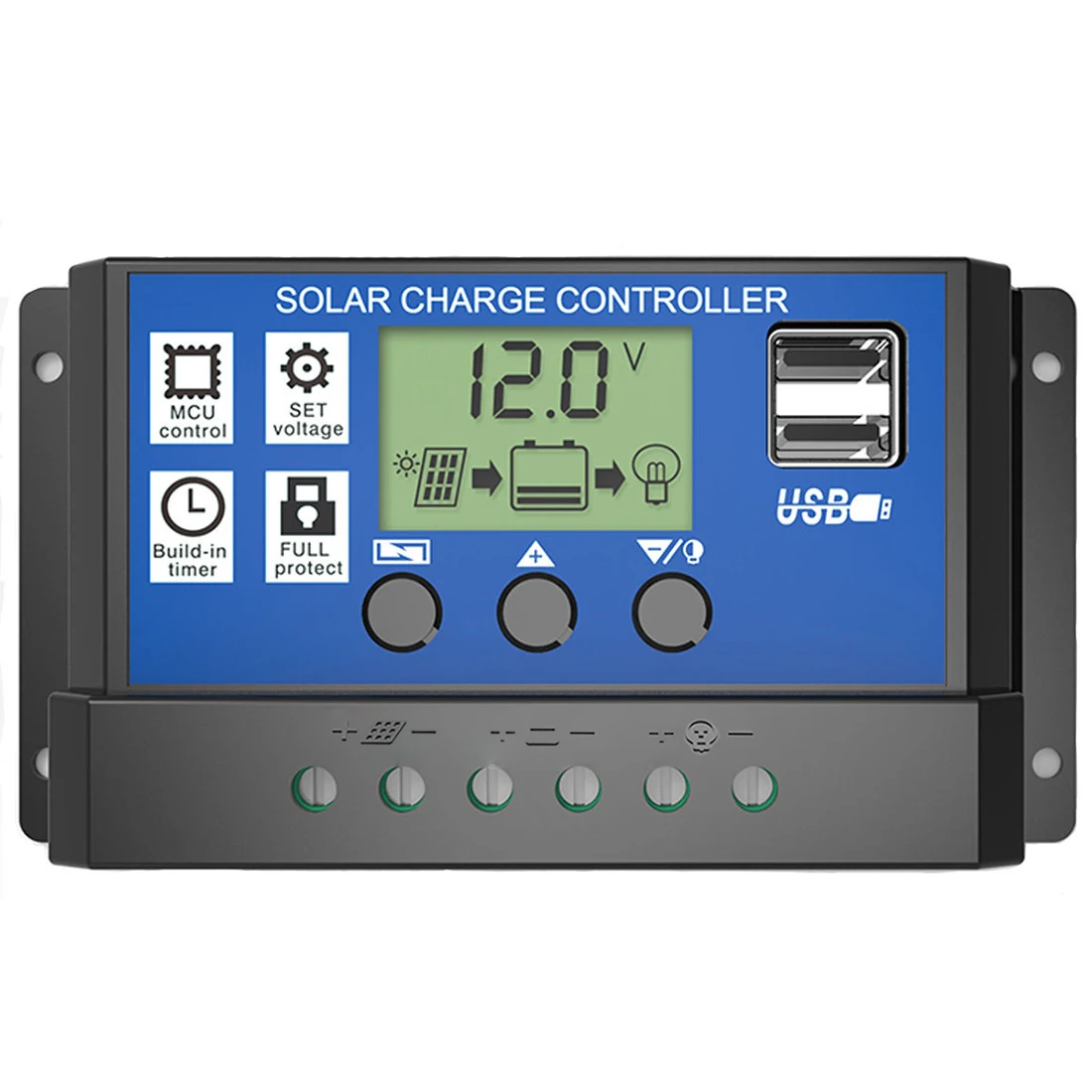
📷 Photo by aliexpress.com