

Vanonpower.com – Monocrystalline solar panels are generally superior for off-grid use due to their higher efficiency and space-saving design, whereas polycrystalline panels offer a more budget-friendly alternative for systems where installation space is not a limiting factor.
Choosing the right solar panel technology is the foundation of any reliable off-grid power system. When you are disconnected from the utility grid, your energy harvest must be consistent, efficient, and durable. The two primary technologies available—monocrystalline and polycrystalline—each behave differently under varied environmental conditions, impacting how your battery bank charges and how much energy your system generates during peak sunlight hours.
📷 Photo by energyefficiency.ie
Understanding Monocrystalline Solar Panels
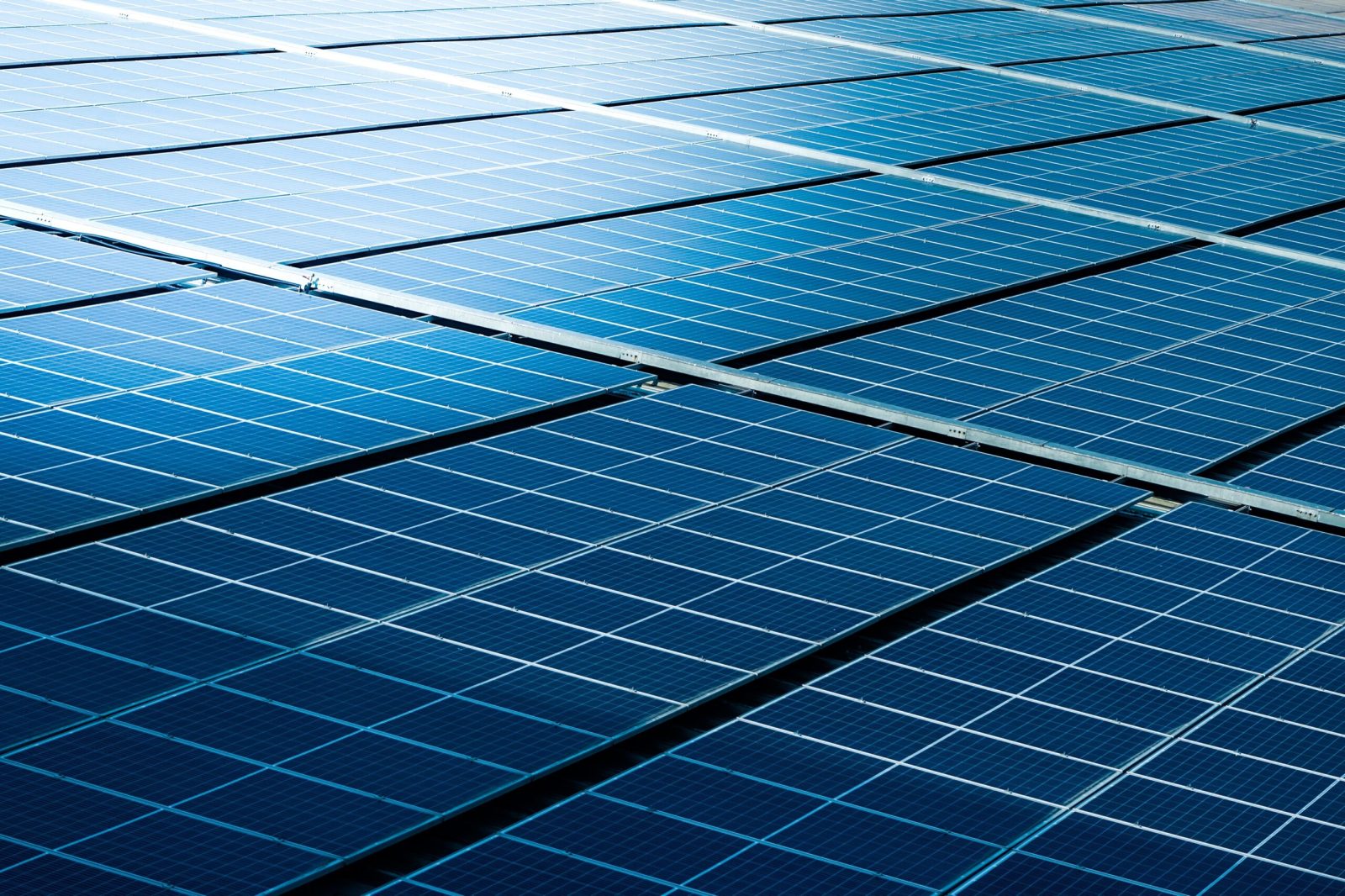
Monocrystalline panels are crafted from a single, high-purity silicon crystal structure. During the manufacturing process, the Czochralski method is used to create a single-crystal silicon ingot, which is then sliced into wafers. This process results in a uniform appearance, typically black or dark blue, and a high-purity composition that allows electrons more room to move, leading to higher efficiency rates, usually between 17% and 22%.
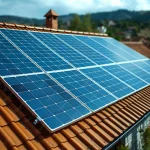
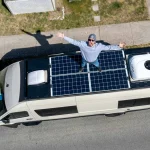
For off-grid enthusiasts, the primary advantage is space efficiency. If you are mounting panels on the roof of a van, a small cabin, or a limited ground space, monocrystalline panels provide the most power per square foot. They also tend to perform slightly better in low-light and high-temperature conditions compared to their polycrystalline counterparts, making them the preferred choice for reliable, all-weather energy production.
📷 Photo by britannica.com
Understanding Polycrystalline Solar Panels
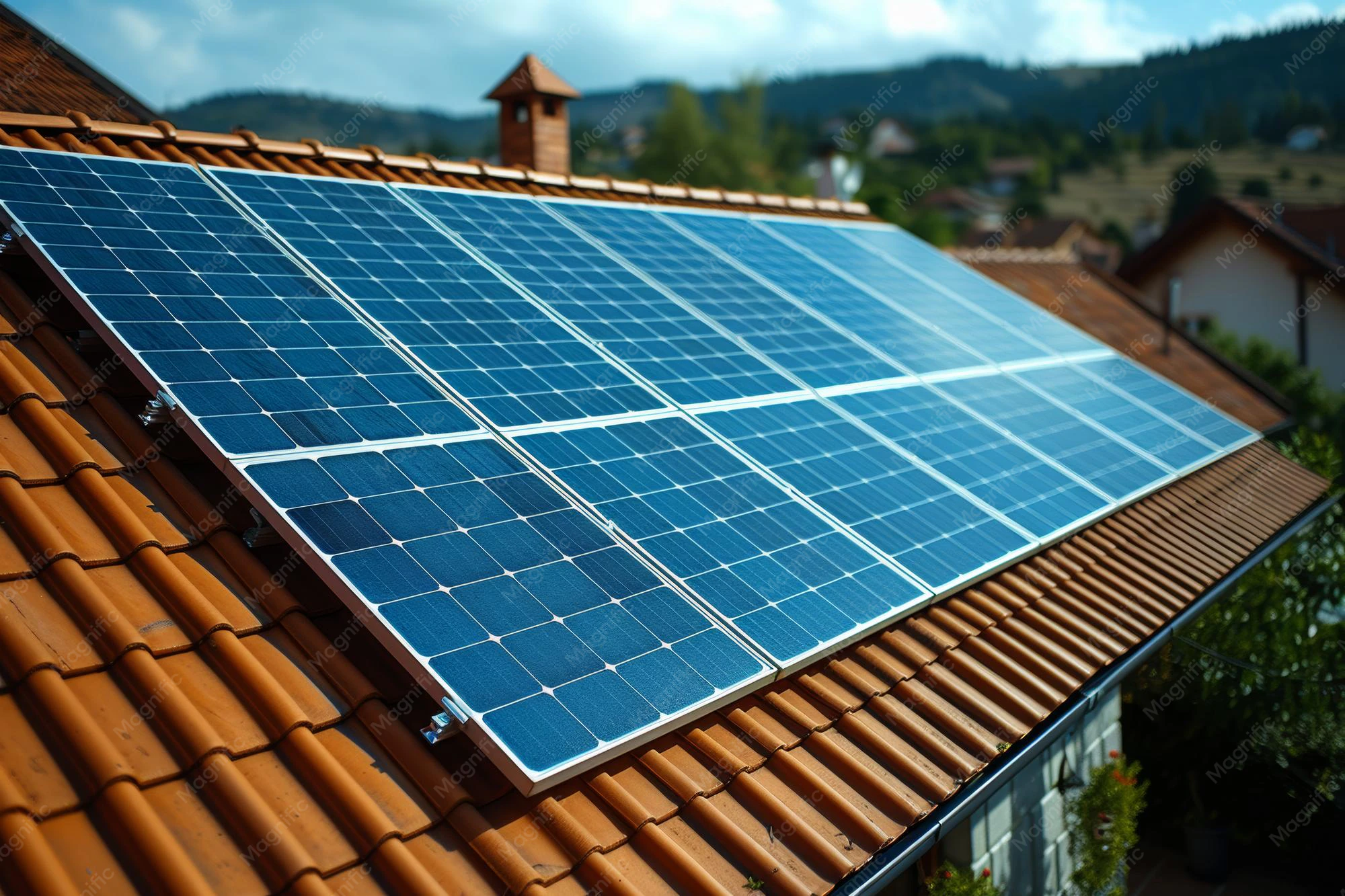
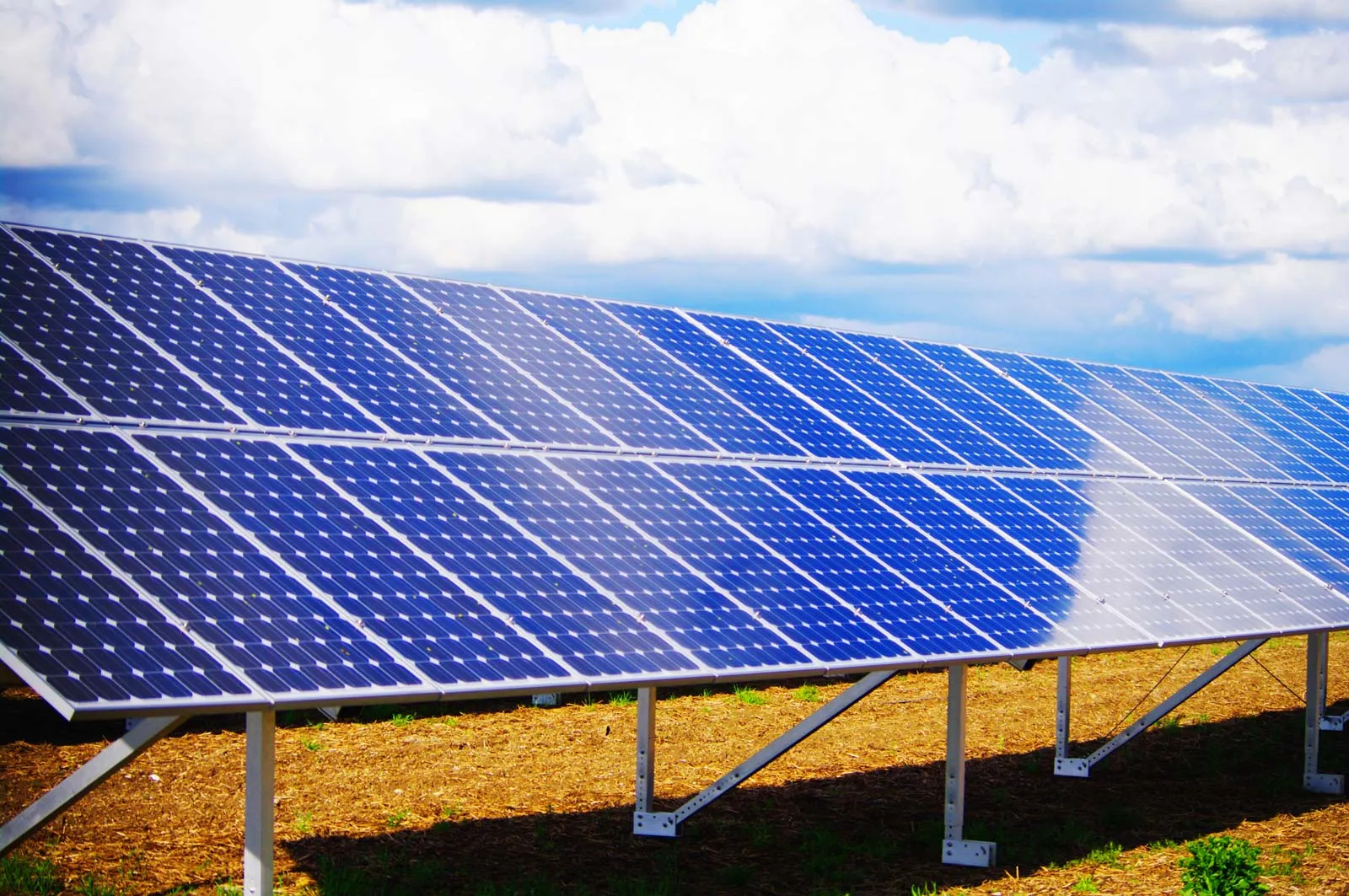
Polycrystalline panels, also known as multicrystalline, are made by melting together many fragments of silicon. Instead of a single crystal, the cell contains many different crystals, which creates a visible grain or “mosaic” look, usually in a bright blue hue. Because the manufacturing process is simpler and less wasteful than that of monocrystalline panels, they are significantly cheaper to produce.
However, the grain boundaries between the silicon crystals can hinder the flow of electrons. This results in a lower overall efficiency, typically ranging between 13% and 17%. For off-grid setups, this means you will need more physical panel surface area to generate the same amount of power as a monocrystalline system. If you have an abundance of land for a ground-mount array, the lower cost of polycrystalline panels can lead to significant savings for your total project budget.
Key Comparison Table
| Feature | Monocrystalline | Polycrystalline |
|---|---|---|
| Efficiency | High (17-22%) | Moderate (13-17%) |
| Cost | Higher | Lower |
| Space Requirements | Low (Space-efficient) | High (Requires more area) |
| Temperature Coefficient | Better performance in heat | Slightly worse in heat |
| Appearance | Uniform Black/Dark | Speckled Blue |
Factors Influencing Your Choice
When designing your off-grid system, you must consider the trade-off between upfront investment and long-term performance. In remote off-grid locations, maintenance is difficult. Monocrystalline panels are often perceived as more durable over their lifespan, though both types are built to last 25 years or more. If your project is located in a region with frequent cloud cover or high ambient temperatures, the superior temperature coefficient of monocrystalline silicon becomes a critical asset, as it loses less voltage as the panel heats up.
📷 Photo by wallpapers.com
Conversely, if you are building a large ground-mounted array on a farm or a remote homestead where space is essentially free, the cost-per-watt savings of polycrystalline panels can be substantial. You can simply add two or three extra panels to your array to compensate for the lower efficiency, and you may still end up spending less money than you would on a monocrystalline setup of the same total wattage.
Step-by-Step Selection Guide
To determine the best panel for your specific off-grid needs, follow this systematic approach:
- Calculate your daily energy consumption in watt-hours (Wh) based on all your appliances.
- Assess your available installation space; measure the exact dimensions of your roof or ground area.
- Determine your budget limit; decide if you are prioritizing lower initial costs or higher long-term efficiency.
- If space is limited (e.g., RVs, tiny homes), select monocrystalline panels to maximize yield from the available footprint.
- If space is abundant (e.g., large off-grid land plots), calculate the cost-per-watt of both options; choose the system that provides the cheapest total wattage.
- Verify the temperature and weather conditions of your installation site to ensure the chosen panel type can handle the local climate.
Common Mistakes to Avoid
One of the most frequent errors in off-grid solar planning is ignoring the “temperature coefficient.” Many users assume that all panels perform the same in hot weather, but solar efficiency actually drops as panels heat up. If you are installing in a hot desert environment, failing to account for this can lead to system underperformance. Always check the data sheet for the temperature coefficient value; a lower number is better.
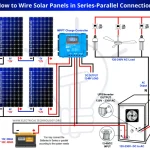
Another mistake is mixing panel types in the same string or MPPT charge controller input. While it is technically possible to mix panels, it is generally discouraged because the entire string will be limited to the performance of the weakest panel. Stick to one type and, if possible, one specific model to ensure your charge controller operates at its peak efficiency point.
Frequently Asked Questions
Q: Can I mix monocrystalline and polycrystalline panels in the same system?
A: It is not recommended. If you connect different types of panels in series, the system’s output will be throttled to match the lowest-performing panel, negating the efficiency benefits of your monocrystalline units.
Q: Which panel type lasts longer in harsh environments?
A: Both types are designed to withstand decades of outdoor exposure. However, monocrystalline panels often feature higher-quality glass and frame construction, which may provide slightly better resilience against heavy snow loads or high winds.
Q: Do polycrystalline panels work at all on cloudy days?
A: Yes, both types will generate power in low-light conditions, but they will produce significantly less than their rated capacity. In these scenarios, monocrystalline panels generally maintain a slight edge in capturing diffuse light.
In conclusion, the decision between monocrystalline and polycrystalline technology depends on your specific constraints. Prioritize monocrystalline for space-constrained or high-heat environments where every watt counts. Opt for polycrystalline when your budget is the primary driver and you have the physical space to accommodate a larger array. Regardless of your choice, ensure your battery bank and charge controller are sized correctly to handle the output, as the panels are only one piece of the larger off-grid puzzle.
📷 Photo by freepik.com