


Vanonpower.com – Calculating usable watt-hours for off-grid living requires multiplying your battery bank’s total capacity by its depth of discharge (DoD) and system efficiency factor to ensure you never drain your power source to zero.
Transitioning to an off-grid lifestyle demands a precise understanding of your energy budget. Many beginners make the fatal mistake of assuming that a 100Ah battery provides 100Ah of usable power, leading to premature battery degradation or total system failure. By mastering the calculation of usable watt-hours, you protect your investment and ensure your lights, appliances, and tools remain powered when the sun goes down or the wind stops blowing.
The Core Formula for Usable Power
To determine how much energy you can actually draw from your battery bank, you must account for the specific battery chemistry and the limitations of your inverter. The basic formula is: Total Capacity (Ah) x Voltage (V) x Depth of Discharge (DoD) x Efficiency Factor = Usable Watt-Hours.
For instance, a 12V 200Ah AGM battery has a total energy capacity of 2,400 watt-hours. However, because lead-acid batteries should not be discharged below 50% to maintain longevity, your usable power is effectively halved. Lithium (LiFePO4) batteries offer a higher DoD, often reaching 80-90% without significant damage, which changes the math entirely.
Comparison of Battery Technologies
| Battery Type | Typical Depth of Discharge (DoD) | Efficiency Factor | Usable Capacity (from 200Ah/12V Bank) |
|---|---|---|---|
| Flooded Lead-Acid | 50% | 80% | 960 Wh |
| AGM / Gel | 50% | 85% | 1,020 Wh |
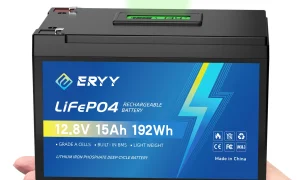
| Lithium (LiFePO4) | 90% | 95% | 2,052 Wh |
Step-by-Step Calculation Guide
Follow these steps to audit your energy needs and ensure your off-grid system is properly sized for your daily consumption.
- List every appliance you plan to use, noting the wattage of each device found on the manufacturer label.
- Estimate the daily runtime for each device in hours. Multiply the wattage by the hours to get the daily watt-hours (Wh) per appliance.
- Sum all daily watt-hour figures to establish your Total Daily Load.
- Add a 20% safety margin to your total to account for inverter heat loss, wiring resistance, and unexpected usage spikes.
- Divide your final daily requirement by your battery bank’s voltage to determine the necessary Amp-hour capacity, keeping in mind the specific Depth of Discharge for your battery type.
Understanding System Efficiency and Inverter Loss
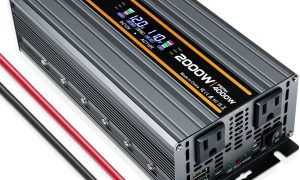
The efficiency factor is often overlooked but plays a critical role in off-grid reliability. No energy system is 100% efficient. When you pull power from a battery through an inverter to run an AC appliance, energy is lost as heat. This is why even a high-end inverter typically operates at 85% to 95% efficiency. If your system is poorly ventilated or uses thin wiring, these losses can increase significantly, effectively shrinking your usable energy further.
Common Mistakes to Avoid
The most frequent error is ignoring the “Peukert effect” in lead-acid batteries. This phenomenon describes how the available capacity of a lead-acid battery decreases as the discharge rate increases. If you try to run a high-draw appliance like a toaster or a space heater on a small battery bank, you will get significantly less usable energy than the label suggests. Always size your battery bank not just for the total energy needed, but also for the peak discharge current required by your heaviest loads.
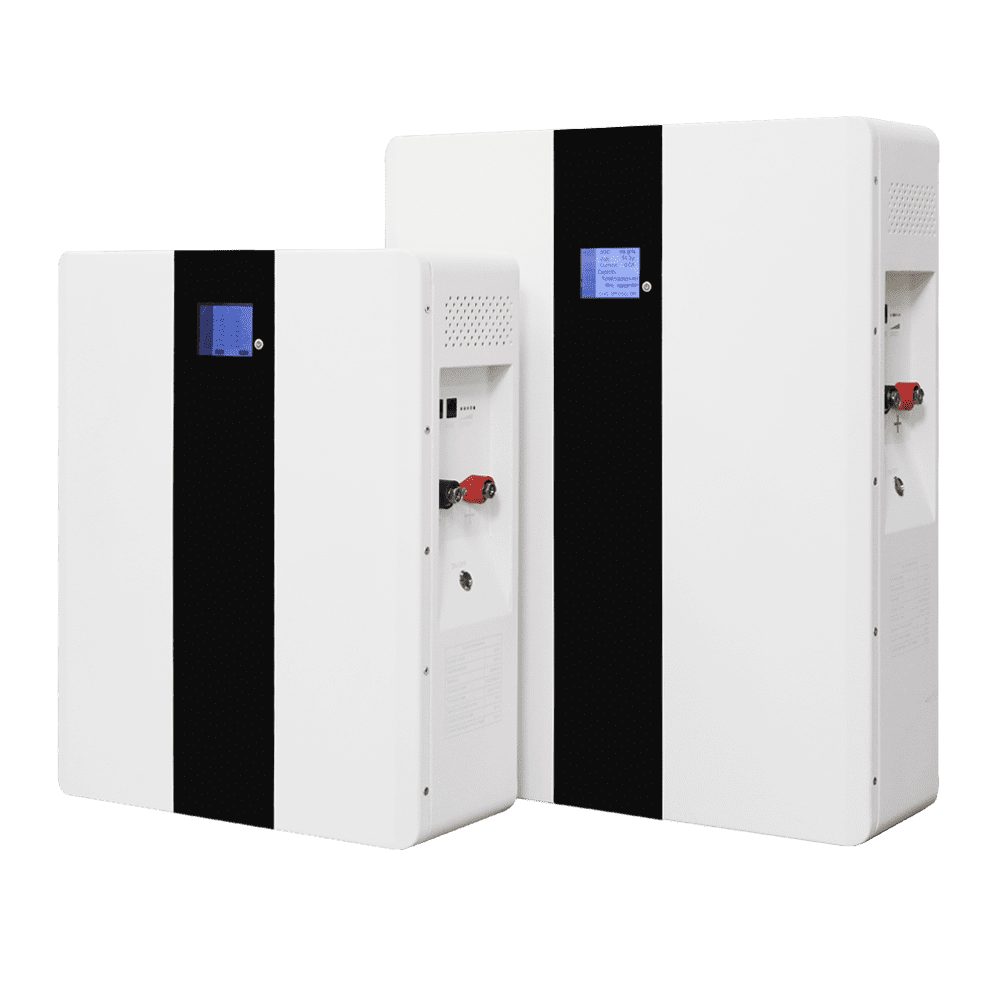
📷 Photo by snadisolar.com
Read also: What Size DC-DC Charger Do I Need for a 200Ah Lithium Battery?
Risks of Over-Discharging
Consistently pushing your batteries past their recommended DoD is the fastest way to ruin a system. With lead-acid chemistry, going below 50% frequently can lead to sulfation, where lead sulfate crystals harden on the plates, permanently reducing capacity. With lithium batteries, while they are more resilient, discharging to 0% can trip the internal Battery Management System (BMS), potentially locking the battery and requiring a specialized charger to wake it up. Always monitor your State of Charge (SoC) using a dedicated battery monitor rather than relying on voltage alone.
Practical Tips for Off-Grid Success
To maximize your usable watt-hours, consider converting as many appliances as possible to DC power. Every time you convert DC battery power to AC inverter power, you lose energy. By using 12V LED lighting, 12V charging ports, and DC-powered refrigerators, you eliminate the need for the inverter for basic tasks, effectively increasing your system’s total efficiency by 10% to 15%.
Frequently Asked Questions
Q: Why does my battery voltage drop so quickly under a heavy load?
A: This is known as voltage sag. It occurs because the internal resistance of the battery prevents it from delivering high current instantly, which is common in lead-acid batteries when they are not fully charged or are nearing their capacity limit.
Q: Can I mix different battery types to increase my usable capacity?
A: It is strongly discouraged. Mixing battery types, ages, or even brands with different internal resistances will lead to imbalanced charging and discharging, which will cause the weakest battery to fail prematurely and potentially damage the entire bank.
Q: How do I know if my system is too small for my needs?
A: If your battery voltage consistently drops below the safe threshold (typically 12.0V-12.2V for lead-acid or 12.8V for LiFePO4) before the next solar charging cycle begins, your system is undersized for your current consumption habits.
📷 Photo by ecodessa.com