

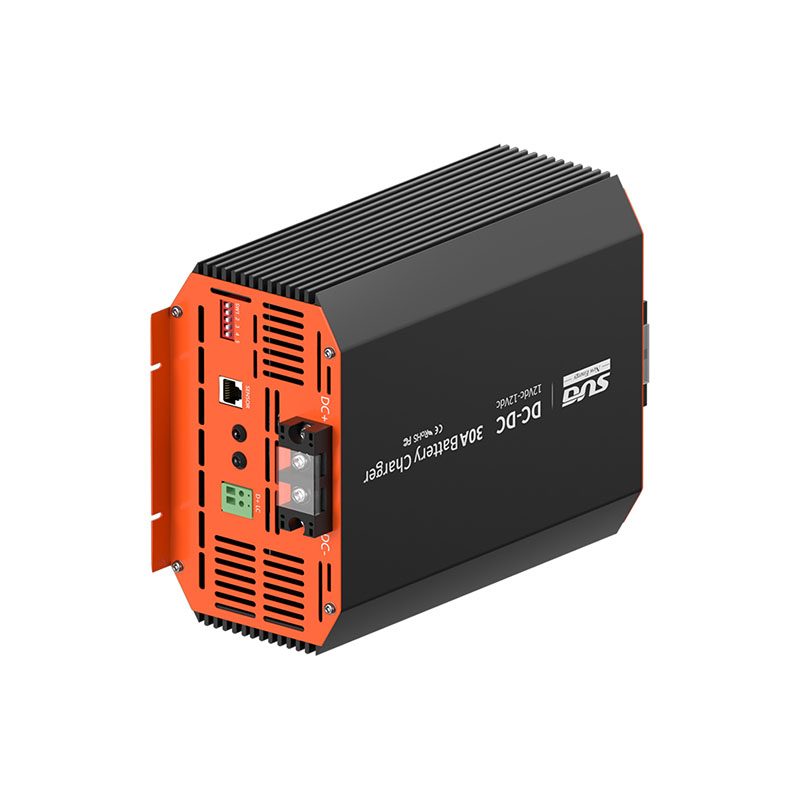
Vanonpower.com – For a 200Ah lithium battery, you generally need a 40A to 50A DC-DC charger to maintain a healthy balance between efficient charging times and the safety limits of your vehicle’s alternator and wiring system.
Understanding the Charging Capacity
Determining the correct DC-DC charger size is not just about raw power; it is about matching your battery’s intake capacity with your vehicle’s electrical output. Lithium iron phosphate (LiFePO4) batteries are capable of accepting high charge currents, often up to 0.5C or even 1C. For a 200Ah battery, a 0.5C rate would theoretically allow for 100A of charging current. However, pulling 100A from a standard vehicle alternator can lead to overheating and catastrophic failure of the alternator or the vehicle’s wiring harness.
Most automotive alternators are not designed to provide high current for extended periods. By selecting a 40A or 50A charger, you provide a consistent, regulated charge that safely replenishes your battery while ensuring your vehicle’s charging system remains within its thermal limits. This approach balances speed with longevity, protecting both your expensive lithium investment and your vehicle’s electrical infrastructure.
Factors Influencing Your Choice
Before purchasing a charger, you must consider the limitations of your vehicle. The most critical factor is the maximum output of your alternator. If your vehicle has a small alternator (common in older sedans or compact cars), installing a 50A charger could tax the system significantly. Always ensure that the combined load of your vehicle’s electronics and the DC-DC charger does not exceed 70% to 80% of your alternator’s rated capacity.
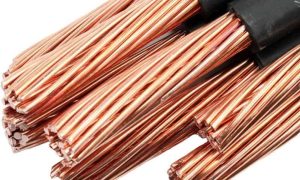
Another factor is the thickness of your cables. Charging at 50A requires significantly thicker copper wiring than charging at 20A. Using thin wires for a high-amperage charger creates resistance, leading to voltage drop and excessive heat. Furthermore, consider your daily driving habits. If you only drive for 30 minutes a day, a 20A charger will barely make a dent in a 200Ah battery, whereas a 50A unit will provide a meaningful top-up.
Comparison of Charger Sizes for 200Ah Batteries
| Charger Size | Estimated Charge Time (0-100%) | Best Use Case | Wiring Gauge Requirement |
|---|---|---|---|
| 20A | 10 Hours | Small vehicles, limited space | 8-10 AWG |
| 40A | 5 Hours | Standard campervans, dual-battery | 6 AWG |
| 50A | 4 Hours | Large systems, frequent driving | 4-6 AWG |
| 60A+ | Under 3.5 Hours | Heavy duty, large alternator | 2-4 AWG |
Step-by-Step Installation Guide
Proper installation is vital for safety and efficiency. Follow these steps to ensure your DC-DC charger setup is reliable:
- Mount the DC-DC charger in a well-ventilated area, preferably near the auxiliary battery, to minimize voltage drop on the output side.
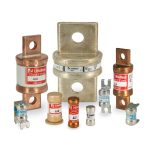
- Connect the input side of the charger to the vehicle’s starter battery using a high-quality fuse or circuit breaker rated for your specific charger’s amperage.
- Install the ignition trigger wire if your charger requires it (common in modern vehicles with smart alternators) to ensure the unit only draws power when the engine is running.
- Connect the output side of the charger to your 200Ah lithium battery, ensuring the polarity is correct and the connections are tight.
- Configure the charger’s DIP switches or settings menu to the “Lithium” or “LiFePO4” profile to ensure correct charging voltages (usually 14.4V to 14.6V).
- Perform a final test by starting the engine and monitoring the charger’s LED indicators to confirm it is entering the “Bulk” charging stage.
Common Mistakes to Avoid
One of the most frequent errors is failing to account for voltage drop. As current travels through long cables, the voltage decreases. If the voltage drops too low before reaching the charger, the unit may enter an error state or fail to reach a full charge. Always use the shortest cable run possible and size your cables based on the total length of the circuit, not just the distance between the two batteries.
Another oversight is ignoring the battery’s Battery Management System (BMS) limit. Even if your charger is capable of 50A, check your 200Ah battery’s datasheet. Some budget lithium batteries have a maximum charge current limit of 50A. If you pair a 60A charger with a battery limited to 50A, you risk triggering the BMS protection, which will cut off charging abruptly and potentially damage the battery over time.
Risks of Incorrect Sizing
Read also: Can You Replace AGM Batteries with LiFePO4 Directly?
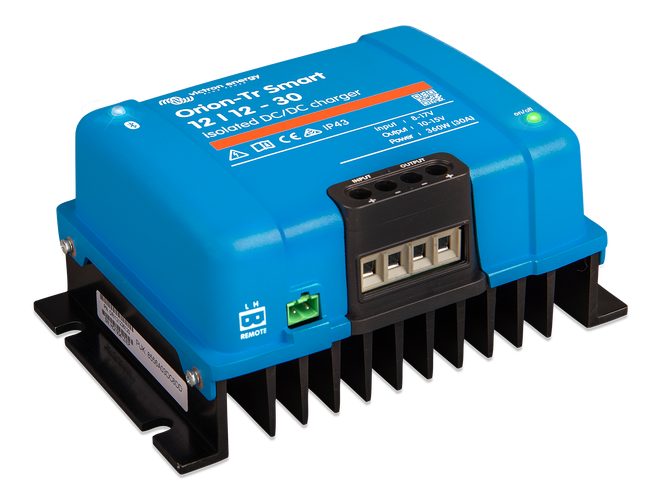
📷 Photo by lithiumion-batteries.com
Choosing a charger that is too small results in frustration. You may find that your battery is never fully charged by the time you arrive at your campsite, leading to “under-charging” and potential capacity loss over the life of the battery. Conversely, choosing a charger that is too large for your vehicle’s alternator can result in a blown fuse, fried alternator diodes, or melted insulation on your wiring. Always prioritize safety margins when calculating the electrical load.
FAQ
Q: Can I use two 20A DC-DC chargers in parallel for a 200Ah battery?
A: Yes, many modern DC-DC chargers are designed to be connected in parallel, allowing you to effectively create a 40A charging system from two smaller units.
Q: Does a 200Ah lithium battery need a specific DC-DC charger?
A: Yes, you must use a charger with a dedicated lithium (LiFePO4) profile. Standard lead-acid chargers use different voltage stages that can be inefficient or potentially cause the lithium battery’s BMS to trigger prematurely.
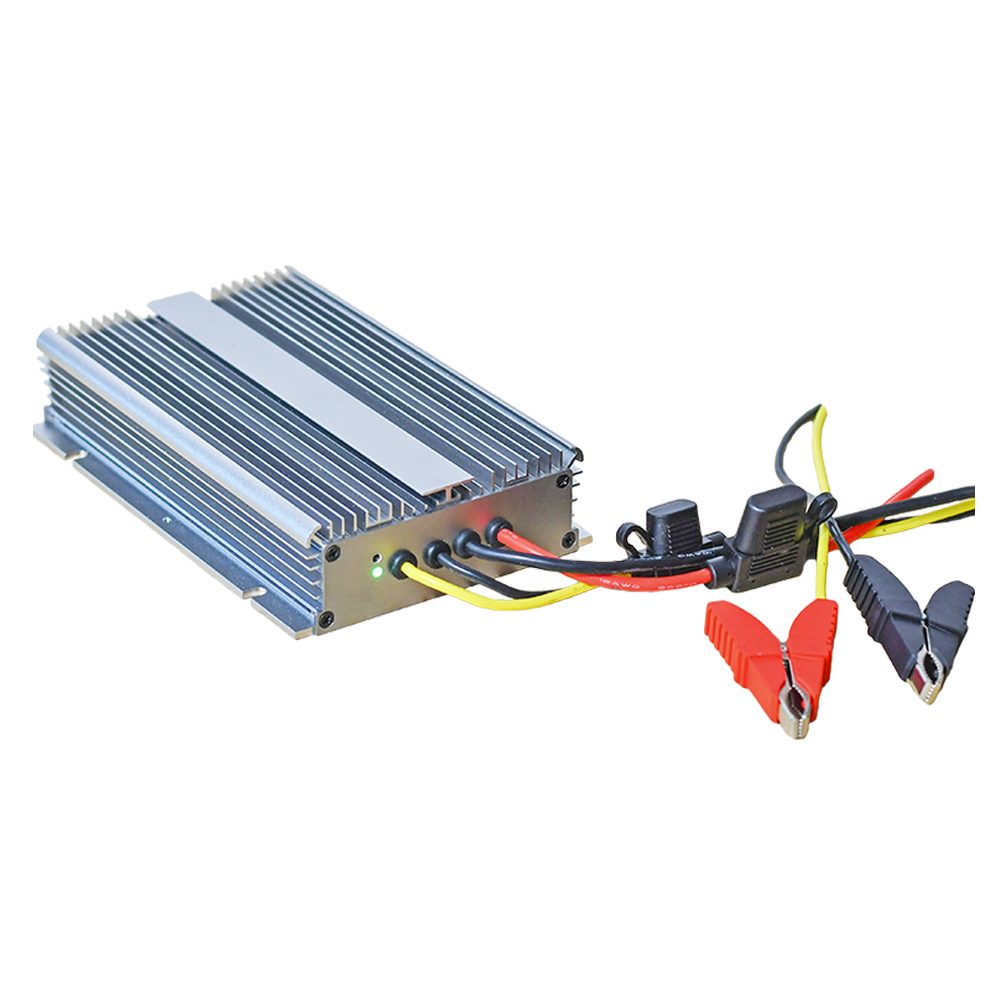
📷 Photo by millertechenergy.com
Q: Will a larger DC-DC charger damage my lithium battery?
A: It will not damage the battery as long as the charger’s output does not exceed the maximum continuous charge current specified by the battery manufacturer in the user manual.
📷 Photo by sugpower.com