




Vanonpower.com – LiFePO4 batteries typically last between 3,000 to 5,000 charge cycles, which translates to roughly 8 to 15 years of reliable service for full-time van life depending on depth of discharge and temperature management.
Transitioning to a full-time van life lifestyle requires a robust power system, and lithium iron phosphate (LiFePO4) batteries have become the gold standard. Unlike traditional lead-acid or AGM batteries that degrade significantly when discharged below 50 percent, LiFePO4 chemistry is remarkably resilient. Understanding the longevity of these batteries is not just about the marketing claims on the casing but about how your daily energy consumption and environmental factors impact their chemical lifespan.
Understanding Cycle Life and Depth of Discharge
The lifespan of a LiFePO4 battery is measured in cycles. One cycle is defined as the process of using 100 percent of the battery’s capacity, whether done in one go or over several days. Most manufacturers rate their cells for 3,000 cycles at 80 percent depth of discharge (DoD). This means that even after 3,000 full cycles, the battery will likely still retain 80 percent of its original capacity.
For a full-time van dweller, this is a game changer. If you use about 50 percent of your battery capacity on an average day, you are technically only completing half a cycle per day. At this rate, you could theoretically reach the 3,000-cycle milestone in 6,000 days, or approximately 16 years. This longevity makes the higher upfront cost of lithium batteries significantly more economical over the long term compared to replacing cheaper batteries every two years.
| Battery Type | Average Lifespan (Cycles) | Usable Capacity | Longevity in Van Life |
|---|---|---|---|
| Flooded Lead-Acid | 300 – 500 | 50% | 1 – 2 Years |
| AGM / Gel | 500 – 800 | 50% | 2 – 3 Years |
| LiFePO4 (Lithium) | 3,000 – 5,000 | 90% – 100% | 8 – 15 Years |
The Impact of Environmental Factors
While cycle life is the primary metric, environmental conditions play a massive role in how fast your battery degrades. Extreme heat is the primary enemy of lithium chemistry. If you are living in your van in desert climates or parked in direct sunlight without proper ventilation, the internal temperature of the battery can rise to levels that accelerate chemical breakdown. Conversely, charging your batteries below freezing temperatures can cause permanent damage to the lithium cells unless the battery has an integrated low-temperature cutoff or heating element.
Practical Steps to Maximize Battery Health
Maintaining your LiFePO4 system requires proactive management rather than constant monitoring. By following these steps, you can ensure your system reaches the upper end of its lifespan expectancy.
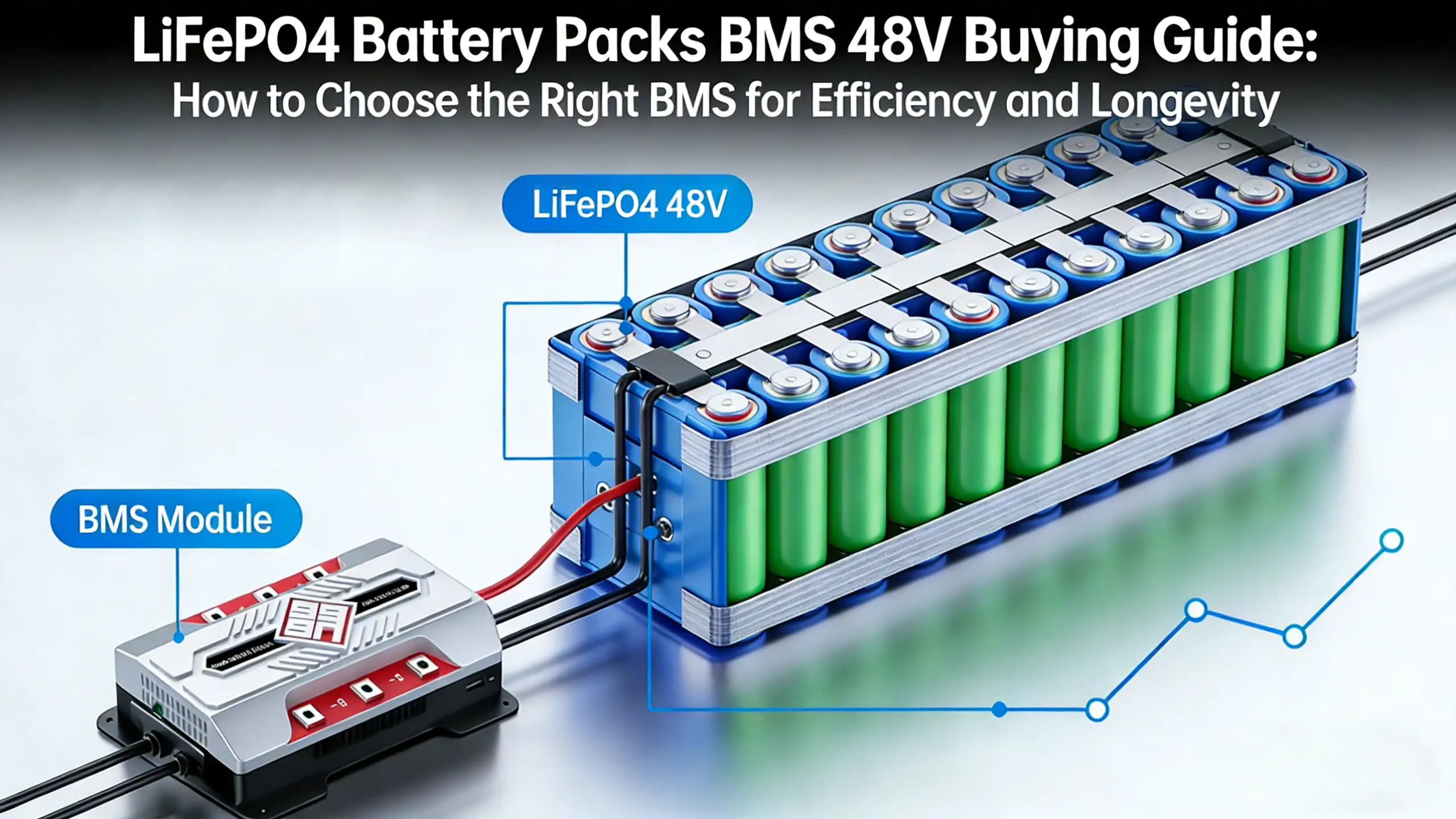
- Install a Battery Management System (BMS): Ensure your battery has a high-quality internal or external BMS to prevent overcharging, over-discharging, and short-circuiting.
- Avoid Extreme Temperatures: Store your battery bank in an insulated area of the van, away from engine heat and direct sunlight, and always disconnect charging sources when temperatures drop below freezing if your battery lacks a heater.
- Optimize Charging Profiles: Use a dedicated LiFePO4-compatible charger or solar controller that follows a specific constant current/constant voltage (CC/CV) profile.
- Limit Constant 100 Percent Charge: If you plan to store your van for a few months, keep the battery at a state of charge around 50 to 60 percent rather than leaving it topped off at 100 percent for weeks on end.
- Balance the Cells: Occasionally allow your system to reach a full charge to let the BMS balance the individual cells, which prevents one cell from drifting too far from the others in voltage.
Common Mistakes That Shorten Lifespan
One of the most common mistakes van lifers make is treating lithium batteries like lead-acid batteries. Many users feel compelled to keep their batteries plugged into shore power 24/7. Keeping a lithium battery at 100 percent state of charge constantly puts unnecessary stress on the chemistry, which can lead to premature capacity loss. Similarly, using undersized cables can create heat at the terminals during high-draw events, such as running an induction cooktop or a large inverter, which can damage the internal connections over time.
Another overlooked issue is the lack of proper ventilation. Even though LiFePO4 batteries do not off-gas like lead-acid batteries, they still generate heat during heavy discharge or charging. Placing them in a tight, unventilated compartment can cause them to run hotter than the ambient temperature, shortening their lifespan. Always ensure there is at least an inch of space around the battery casing for air circulation.
Signs Your Battery Is Reaching End-of-Life
You will not wake up one day to find your battery completely dead unless there is a catastrophic failure. Instead, capacity loss is gradual. You might notice that your battery reaches 100 percent charge significantly faster than it used to, or that the voltage drops rapidly under a light load. If you use a battery monitor that tracks amp-hours, you will eventually see that the total capacity of the bank has dropped below 70 or 80 percent of its rated capacity. At this point, while the battery still works, it may no longer be sufficient to support your off-grid power needs.
FAQ: Frequently Asked Questions
Q: Can I mix old and new LiFePO4 batteries in the same bank?
A: It is strongly discouraged. Combining batteries of different ages, capacities, or internal resistances will cause the BMS to struggle with balancing, leading to reduced performance and potential damage to the newer units.
Q: Does the brand of the LiFePO4 battery matter for longevity?
A: Yes, the quality of the cells used by the manufacturer and the sophistication of the internal BMS are the biggest factors in longevity. Reputable brands use Grade A cells that provide consistent performance throughout their cycle life.
Q: Is it safe to leave a LiFePO4 battery in a van during winter?
A: It is safe for the battery to be stored in cold temperatures as long as you do not attempt to charge it while it is frozen. If you are in a climate that drops below freezing, ensure your system is turned off or has an automatic low-temperature charging cutoff.
In conclusion, while the initial investment in a high-quality LiFePO4 battery bank is significant, the peace of mind and long-term savings are unmatched for full-time van dwellers. By respecting the chemical requirements of the battery—specifically managing heat and avoiding extreme charging habits—you can realistically expect your power system to last a decade or more, likely outlasting the van itself.
Read also: Understanding Depth of Discharge (DoD) in Lithium Iron Phosphate
📷 Photo by ayaatech.com