


Vanonpower.com – Charging LiFePO4 batteries in freezing temperatures causes metallic lithium to deposit on the anode, a process known as lithium plating that permanently reduces capacity and creates severe safety hazards. To prevent this, you must ensure the battery cell temperature is above 0°C (32°F) before initiating a charge by utilizing integrated heating elements, thermal insulation, or external heat sources.
The Mechanics of Lithium Plating
When you attempt to charge a Lithium Iron Phosphate (LiFePO4) battery below the freezing point, the internal chemistry shifts fundamentally. In normal conditions, lithium ions move smoothly from the cathode to the anode, where they are embedded into the graphite structure. However, extreme cold slows down the diffusion rate of these ions.
As the ions slow down, they cannot insert themselves into the anode fast enough to keep up with the charging current. Instead of being stored safely, the lithium ions accumulate on the surface of the anode, forming metallic lithium crystals. This process is called lithium plating. Once these crystals form, they are effectively trapped and cannot return to the cathode, leading to an immediate and irreversible loss of battery capacity.
Risks Beyond Capacity Loss
The danger of lithium plating extends far beyond simply having a shorter runtime. These metallic lithium crystals are dendritic, meaning they grow in sharp, needle-like structures. Over time, these dendrites can grow long enough to penetrate the separator—the thin physical barrier between the positive and negative electrodes.
If the separator is breached, a short circuit occurs inside the cell. In high-energy density batteries, this internal short can trigger a thermal runaway event. While LiFePO4 is significantly more stable than other lithium chemistries, charging in freezing conditions removes the inherent safety buffers that make these batteries desirable in the first place.
Signs of Cold Weather Damage
Detecting lithium plating is difficult because it happens internally. However, you may notice several performance indicators that suggest your battery has been compromised by cold charging:
- A sudden and unexplained drop in the battery’s total amp-hour capacity.
- The battery reaches full voltage much faster than usual, but the charge dissipates rapidly under load.
- Increased internal resistance, which manifests as the battery getting abnormally warm during normal discharge.
- The Battery Management System (BMS) frequently triggering low-temperature protection errors even when the ambient temperature is slightly above freezing.
Technical Comparison: Charging Limits
Understanding the temperature thresholds is vital for maintaining the longevity of your energy storage system. The following table outlines the recommended charging behavior based on internal battery temperatures.
| Temperature Range | Charging Status | Risk Level |
|---|---|---|
| Above 0°C (32°F) | Safe to Charge | Negligible |
| -5°C to 0°C (23°F – 32°F) | High Risk | Moderate Lithium Plating |
| Below -10°C (14°F) | Critical Danger | Severe Plating and Damage |
Practical Steps to Prevent Cold Charging Damage
If you operate your battery system in cold climates, such as in an RV, off-grid cabin, or marine environment, you must implement a protocol to manage temperature. Follow these steps to ensure your system remains operational without risking the health of your cells.
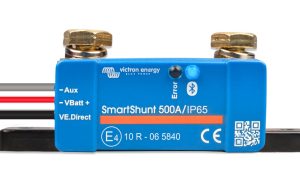
- Install a battery monitor with an integrated temperature sensor that connects directly to your charge controller or BMS.
- Utilize a self-heating LiFePO4 battery model, which uses a portion of the charging current to power internal heating pads before allowing the current to reach the cells.
- If using a standard battery, place it in an insulated enclosure, such as a battery box lined with foam or Aerogel insulation.
- Incorporate an external heating source, such as a 12V DC heating mat or a small thermostat-controlled space heater, to maintain the battery compartment above 5°C (41°F).
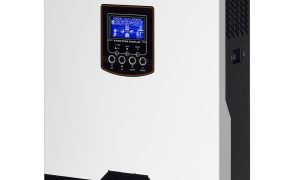
- Configure your solar charge controller or inverter-charger settings to terminate charging current automatically if the temperature sensor detects a drop below 2°C.
Common Mistakes to Avoid
One of the most frequent errors is assuming that because the battery is “heavy-duty,” it can handle cold weather. Many users believe that discharging the battery generates enough internal heat to allow for charging. While discharge does create some heat, it is rarely sufficient to warm the core of the battery to the required threshold in sub-zero environments.
Another common mistake is placing the battery in an uninsulated metal box. Metal is an excellent conductor of cold and will draw heat away from the battery cells, accelerating the cooling process. Always prioritize thermal mass and insulation. If you are using a solar setup, do not rely on the sun to “warm up” the battery; even in direct sunlight, the battery chemistry may stay frozen for hours before the internal temperature reaches a safe level.
Frequently Asked Questions
📷 Photo by amazon.com
Q: Can I discharge my LiFePO4 battery in freezing temperatures?
A: Yes, LiFePO4 batteries can generally be discharged at temperatures as low as -20°C (-4°F), though you will experience a temporary reduction in usable capacity and voltage output.
📷 Photo by dakotalithium.com
Q: Will a battery heater drain my battery completely?
A: Most integrated heating systems are designed to draw power only from the charger (the solar panels or shore power). If you are using an external mat, ensure it is wired to a thermostat so it only activates when necessary to prevent unnecessary power drain.
Q: How do I know if my battery is already damaged from cold charging?
A: Perform a capacity test by fully charging the battery and discharging it at a constant rate until it hits the low-voltage cutoff. If the total amp-hours delivered are significantly lower than the rated capacity on the label, internal damage is likely.
Final Considerations
Preserving your LiFePO4 investment requires a proactive approach to thermal management. By acknowledging that charging is a delicate electrochemical process sensitive to temperature, you can avoid the silent killer that is lithium plating. Always prioritize the use of temperature-sensing equipment and intelligent charging profiles to ensure your battery provides years of reliable service.
Read also: How to Calculate Amp Hours from Watt Hours: Simple Formulas
📷 Photo by amazon.co.uk